

In the current digital landscape, the "link in bio" has transformed from a simple navigational tool into a critical piece of infrastructure for the modern music professional. As social media platforms like Instagram and TikTok continue to restrict external linking to a single URL, the efficiency of that link determines the success of an artist’s conversion funnel. Jesse Cannon, a prominent music marketing expert and author, recently conducted an extensive evaluation of the various "link in bio" platforms available to creators. His findings indicate a significant shift in the industry toward Koji, a platform that transcends the traditional list-of-links model by offering a modular, app-based ecosystem specifically designed for the needs of musicians, producers, and instrumentalists.
The Strategic Importance of the Digital First Impression
The music industry has moved into an era where the digital storefront is often the first and only point of contact between a creator and a potential fan. According to industry data, an artist has approximately three to five seconds to capture a user’s attention before they bounce from a landing page. Cannon emphasizes that the "first impression" is the most frequently overlooked aspect of fan base cultivation. A cluttered or generic landing page can signal a lack of professionalism, whereas a streamlined, interactive experience can convert a casual browser into a lifelong subscriber.

Koji addresses this by moving away from the "static list" architecture used by legacy platforms. Instead, it provides a customizable environment where text, graphics, and interactive elements work in tandem to tell an artist’s story. This shift is backed by user experience (UX) research suggesting that visual storytelling and interactive media increase user dwell time by up to 40% compared to text-only interfaces. For musicians, this means the ability to embed music videos, preview tracks, and sell merchandise within the same interface, minimizing the friction that typically leads to abandoned carts or closed tabs.
A Chronology of the Artist’s Digital Presence
To understand the rise of Koji, one must look at the evolution of how musicians have interacted with the internet over the past two decades. In the mid-2000s, MySpace served as the centralized hub for music discovery, offering a unified profile that included music players, blogs, and tour dates. As social media fragmented in the 2010s, artists were forced to manage disparate presences on Facebook, Twitter, Instagram, and SoundCloud.
The "Link in Bio" industry emerged around 2016 as a reaction to Instagram’s refusal to allow links in captions. Early pioneers like Linktree offered a simple directory of buttons. However, as the creator economy matured, these directories became insufficient. By 2020, the demand for "social commerce"—the ability to sell products directly within social platforms—began to peak. This led to the development of third-generation link-in-bio tools like Koji, which launched with the intent of turning a single link into a fully functional "super-app" that requires no external downloads.

The Koji App Store: A Technical Paradigm Shift
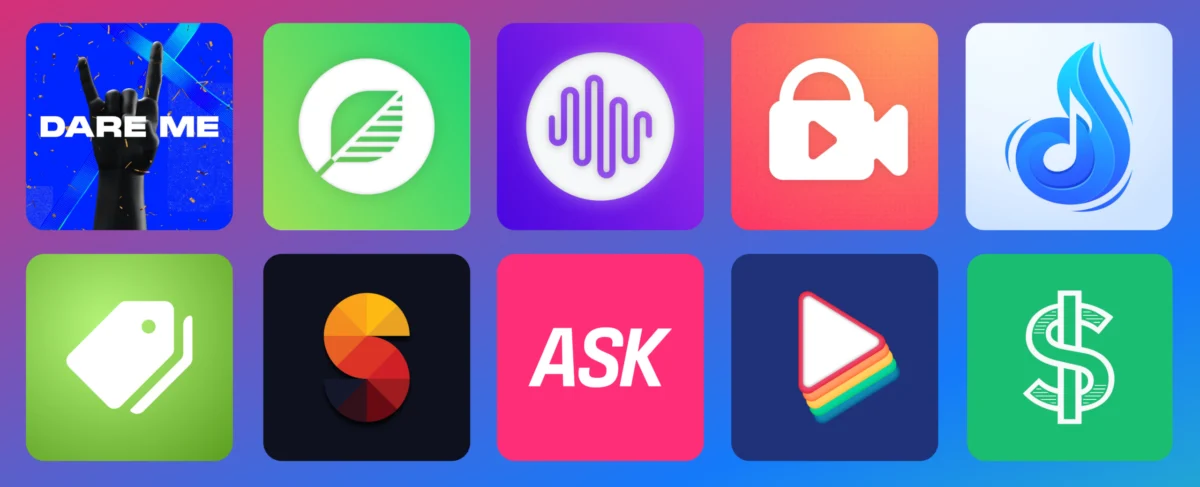
The defining feature of the Koji platform is its integrated App Store. Unlike traditional plugins that require complex integration or external hosting, Koji’s mini-apps are built directly into the browser-based interface. Jesse Cannon highlights that these are not iOS or Android apps in the traditional sense; they are lightweight, web-based applications that load instantly.
This architecture provides several strategic advantages for music marketing:
- Zero Friction: Fans can interact with an app—such as a tip jar or a mailing list signup—without leaving the social media app they are currently using.
- Monetization Diversity: The store includes specialized apps for selling "Locked Photos," "Shoutouts," "Beat Leases," and "Digital Downloads."
- Data Sovereignty: By using these apps, musicians can collect first-party data (emails and phone numbers) which is vital for long-term sustainability, especially as third-party cookies are phased out by major browsers.
Cannon’s analysis suggests that the ability to conduct high-quality marketing through these mini-apps allows independent artists to operate with the sophistication of a major label marketing department without the associated overhead costs.

Comparative Analysis: Koji vs. Legacy Platforms
In the competitive landscape of creator tools, Koji distinguishes itself through its fee structure and flexibility. Traditional e-commerce platforms often charge monthly subscription fees plus a percentage of sales. In contrast, Koji’s model is built around empowering the creator, often offering free access to advanced customization features that are hidden behind paywalls on other platforms.
Data from creator economy reports in 2023 suggest that "micro-transactions"—small payments for digital goods or tips—are becoming the primary revenue stream for independent artists. Koji’s "Tip Jar" and "Request a Song" apps are optimized for these types of interactions. Furthermore, the platform’s ability to embed Spotify, Apple Music, and YouTube directly into the link-in-bio page ensures that "stream counts" are not sacrificed for the sake of navigation. When a fan can play a song directly on the Koji page, the artist retains the engagement that would otherwise be lost during a redirect to an external app.
Strategic Implementation for Maximum Reach
For musicians looking to transition to a more robust digital presence, Cannon and other industry consultants suggest a five-step optimization strategy for their Koji profile:

- Visual Branding: Aligning the profile’s color palette and imagery with current album art or press photos to ensure brand consistency.
- Prioritization of Links: Placing the most important "call to action" (e.g., a new single or tour tickets) at the top of the hierarchy.
- Engagement Apps: Utilizing interactive apps like "Ask Me Anything" or "Polls" to foster a sense of community.
- Monetization Integration: Setting up a low-friction way for fans to provide financial support, such as a "Buy Me a Coffee" style app.
- Analytics Review: Regularly checking the platform’s built-in analytics to see which apps are performing best and adjusting the layout accordingly.
By viewing the Koji profile as a "personal website and storefront" rather than just a list of links, creators can build a more resilient business model that is not entirely dependent on the fluctuating algorithms of social media giants.
Industry Reactions and Broader Implications
The shift toward platforms like Koji has drawn reactions from various sectors of the music industry. Artist managers have noted that the "all-in-one" nature of these links simplifies the onboarding process for new fans. Digital distributors have also begun to see the value in these tools, as they provide a more direct path from discovery to consumption.
The broader implication of this technology is the "democratization of the storefront." Previously, only artists with significant financial backing could afford to develop custom web applications or sophisticated e-commerce sites. Today, a producer in a home studio can deploy a "Sell Beats" app in minutes, putting them on the same technological footing as global superstars.
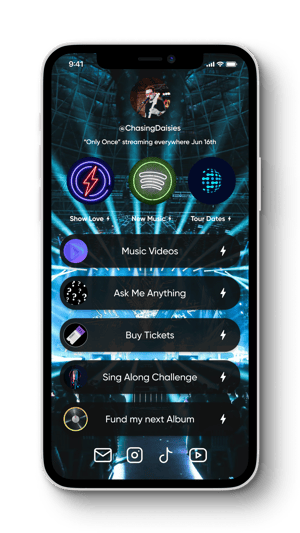
As we look toward the future of the music business, the trend is moving toward "decentralized engagement." While social media platforms will remain the primary discovery engines, the "link in bio" will serve as the private terminal where the actual relationship between artist and fan is codified. Koji’s success indicates that the future of the industry lies in these frictionless, high-utility environments that prioritize the creator’s ability to monetize and communicate directly with their audience.
Conclusion: The Future of the Artist-Fan Relationship
Jesse Cannon’s analysis concludes that Koji is currently the most effective tool for musicians who are serious about building a sustainable career. By providing a platform that facilitates deeper connections and offers limitless monetization opportunities without the "tax" of traditional storefronts, Koji has redefined what a link in bio can be. For the modern artist, the choice of platform is no longer a minor administrative decision; it is a strategic move that dictates the health of their digital ecosystem. As the music industry continues to evolve, the ability to adapt to these "supercharged" digital tools will likely separate the hobbyists from the professionals in an increasingly crowded marketplace.
