

The global independent music sector has witnessed an unprecedented transformation over the last decade, evolving from a niche community into a dominant force within the entertainment industry. As of 2024, data from Midia Research indicates that independent artists are the fastest-growing segment of the music business, outperforming the growth rates of major labels for several consecutive years. However, this democratization of music production and distribution has led to a saturated marketplace where over 100,000 new tracks are uploaded to streaming platforms like Spotify and Apple Music every single day. In this hyper-competitive environment, the traditional "wait to be discovered" model has been rendered obsolete, replaced by a sophisticated ecosystem of strategic networking and cross-disciplinary collaboration. For the modern independent artist, professional longevity is increasingly dependent on the ability to build a robust local and digital community, moving beyond the confines of the recording studio to engage with a broader spectrum of the creative economy.
The Economic Necessity of Creative Community Building
The shift toward independent artistry is supported by robust economic data. Reports from the International Federation of the Phonographic Industry (IFPI) suggest that while streaming revenue continues to rise, the "middle class" of musicians faces significant hurdles in achieving financial sustainability. The average payout per stream remains low, forcing artists to diversify their income streams through live performances, merchandise, and sync licensing. Networking is no longer merely a social endeavor; it is a critical business strategy designed to unlock these secondary revenue paths. By forging alliances with visual artists, event organizers, and digital platform developers, musicians are able to bypass traditional gatekeepers and create "micro-economies" that sustain their work.
Industry analysts observe that the most successful independent artists often operate like small-scale creative agencies. They do not view themselves solely as performers but as central figures in a collaborative network. This paradigm shift requires a multifaceted approach to networking that spans physical art spaces, digital collaborative tools, and community-driven events. The following analysis explores the five primary pillars of modern musical networking and their implications for the future of the industry.

Integration into Local Arts Ecosystems and Cross-Pollination
The first pillar of modern networking involves the deliberate integration of musicians into local, non-musical arts scenes. Historically, musicians have gravitated toward other musicians, often creating "echo chambers" that limit their exposure to new audiences. However, current trends in the "experience economy" suggest that consumers are increasingly seeking multi-sensory events. By attending local art galleries, theater productions, and poetry slams, musicians can position themselves at the intersection of various creative disciplines.
A recent study on urban creative hubs found that cities with high levels of cross-disciplinary collaboration—where painters work with sound designers or fashion designers collaborate with live performers—show higher rates of artist retention and economic growth. For example, a sculptor preparing a gallery installation may require an atmospheric soundscape, providing a unique sync opportunity for an ambient musician. Similarly, independent theater companies frequently seek original scores for avant-garde productions. These partnerships do not only provide immediate work but also introduce the musician’s brand to the sculptor’s or the theater’s existing audience, facilitating a horizontal expansion of the fan base that traditional music marketing rarely achieves.
The Role of Structured Socialization: Jam Sessions and Feedback Collectives
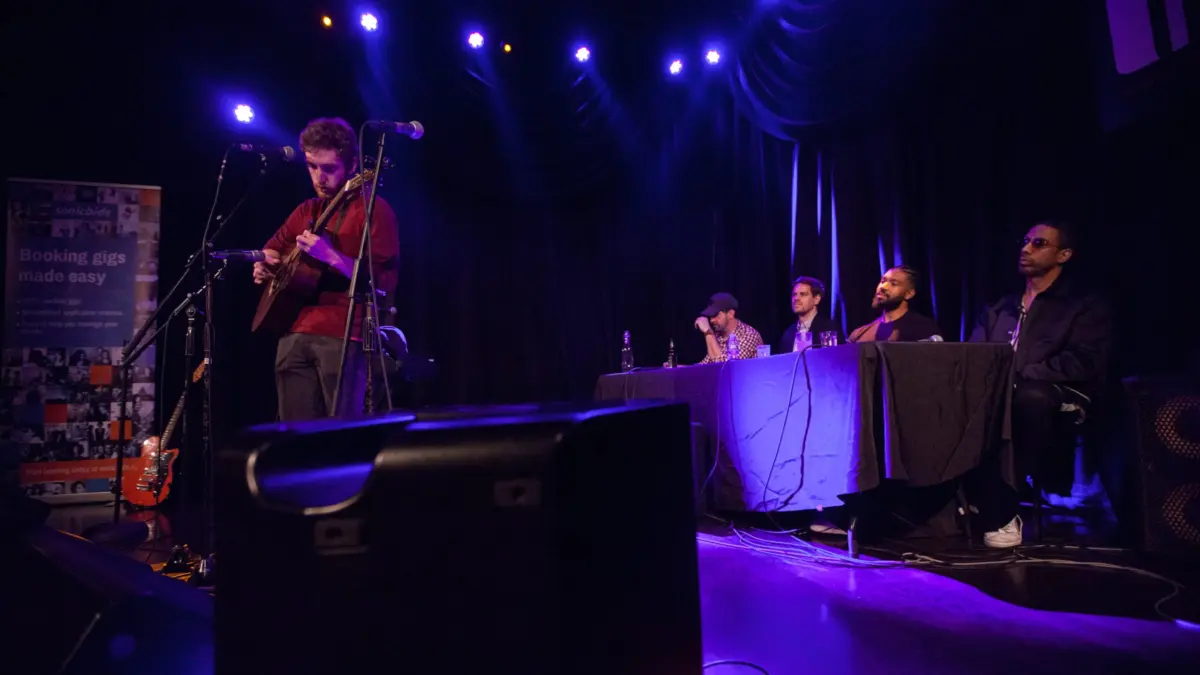
While casual networking is valuable, the industry is seeing a rise in structured socialization through workshops and "Feedback Collectives." Organizations such as Sonicbids have pioneered models where musicians gather not just to perform, but to analyze one another’s work and share technical resources. Hosting a jam session or a songwriting workshop serves a dual purpose: it establishes the host as a community leader and creates a low-pressure environment for talent scouting.
The chronology of a successful independent career often begins with these grassroots gatherings. In the early 2010s, many artists who eventually signed to major indie labels cited local "open-mic" cultures and collaborative workshops as their primary source of professional connections. When a rock guitarist collaborates with a jazz saxophonist in a neutral, experimental space, the resulting "genre-bending" can lead to the creation of a unique sonic identity. This is particularly relevant in the era of "algorithmic discovery," where unique, hard-to-categorize sounds often gain more traction on social media platforms than derivative works.

Digital Platforms and the Evolution of Remote Collaboration
The third pillar is the creative utilization of online platforms. While Instagram and TikTok are essential for brand visibility, they are often criticized for fostering passive engagement. In contrast, platforms specifically designed for collaboration, such as BandLab and SoundCloud, are transforming how music is composed. BandLab, which reported reaching over 60 million users globally in 2023, allows artists to share project files in real-time, enabling a producer in London to collaborate with a vocalist in Tokyo.
This "cloud-based" networking model has significant implications for the democratization of music. It removes geographical barriers that once forced musicians to migrate to expensive hubs like Los Angeles, Nashville, or London. Journalistic analysis of recent "viral" hits shows that a growing percentage of successful indie tracks are the result of remote collaborations initiated through comment sections or direct messages. By engaging thoughtfully with the work of others—rather than simply "blasting" their own links—musicians build social capital within digital subcultures.
Professional Immersion through the Festival Circuit
Volunteering at music festivals and industry conferences remains one of the most effective, albeit demanding, ways to gain access to the "inner circle" of the music business. This strategy provides a behind-the-scenes look at the logistical complexities of the industry. Volunteers often find themselves working alongside stage managers, sound engineers, and talent buyers—individuals who hold the keys to future booking opportunities.
The "volunteer-to-professional" pipeline is a well-documented phenomenon in the event industry. By demonstrating reliability and a professional demeanor in a high-stress festival environment, musicians can build rapport with industry veterans who are often inaccessible via email or social media. This form of networking is grounded in the "shared goal" principle; when people work together to solve a problem—such as a technical failure on stage or a scheduling conflict—they form stronger bonds than they would through a simple exchange of business cards.

Fanbase Engagement as a Networking Resource
The final pillar involves the strategic use of an existing fanbase as a networking tool. The "Direct-to-Consumer" (D2C) revolution has empowered fans to be more than just consumers; they are now active participants in an artist’s career trajectory. Through tools like Patreon, Discord, and social media polls, artists can tap into the professional networks of their listeners.
It is statistically probable that within a fanbase of a few thousand people, there are individuals with connections to venues, media outlets, or other artists. By asking fans for input on potential collaborators, musicians create a sense of "co-ownership" in the creative process. This transparency fosters deep loyalty and can lead to organic introductions that would be impossible to manufacture through traditional PR channels. For instance, a fan who works in a creative agency might suggest a musician’s track for a high-profile commercial, or a fan with ties to a local radio station might facilitate a live interview.
Analysis of Broader Implications and Future Outlook
The shift toward these five networking strategies reflects a broader maturation of the independent music industry. We are moving away from the "star system," where a few elite gatekeepers decided who achieved success, toward a "network system," where value is distributed across interconnected communities. This evolution has several long-term implications:
- The Rise of the "Polymath" Musician: Future success will favor artists who possess not only musical talent but also high levels of emotional intelligence and project management skills. The ability to navigate different social and professional circles is becoming as important as the ability to write a melody.
- Hyper-Localization vs. Globalism: While digital platforms allow for global reach, the most sustainable careers appear to be those rooted in strong local communities. Networking at local art events provides a "home base" of support that can weather the volatility of digital trends.
- The Decline of Traditional Gatekeeping: As musicians become more adept at self-organized networking, the traditional role of the "A&R" (Artists and Repertoire) executive is changing. Labels are now looking for artists who have already built their own ecosystems, viewing a pre-existing network as a "proof of concept."
In conclusion, networking for the independent musician has transcended the act of mere social climbing. It is a sophisticated, multi-channel discipline that requires consistency, authenticity, and a willingness to step outside the traditional boundaries of the music world. By embracing local arts scenes, hosting collaborative spaces, utilizing specialized digital tools, volunteering in the industry, and empowering their fans, musicians can build a resilient career in an ever-changing landscape. The future of music is not just heard; it is built through the strength of the connections made today. For those willing to navigate these complexities, the opportunities for creative and professional growth have never been more expansive.
