

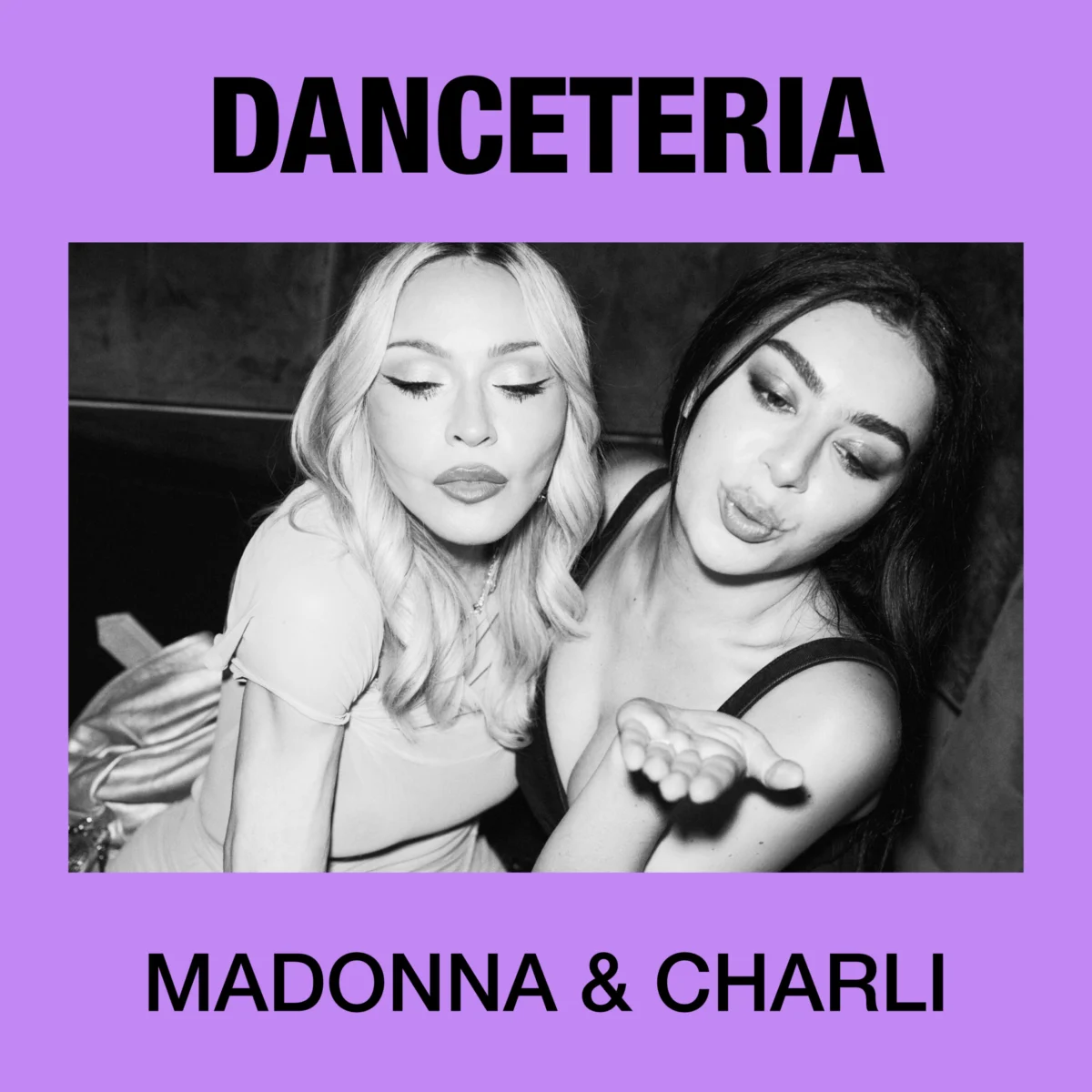
The highly anticipated "Danceteria (Afterhours Mix)," a collaboration between pop icon Madonna and avant-pop innovator Charli XCX, has been officially released, signaling the culmination of a dynamic narrative that initially hinted at a rivalry but ultimately solidified a powerful intergenerational artistic alliance. This new rendition of Madonna’s track, a centerpiece from her recently released Confessions II album, serves as a vibrant homage to the foundational club culture of New York City while simultaneously embracing contemporary electronic soundscapes, bridging decades of dance music evolution. The collaboration not only delivers a fresh take on a track already celebrated for its historical reverence but also underscores Madonna’s continued relevance and Charli XCX’s profound respect for her predecessors, creating a significant moment in the current music landscape.
The Genesis of a Collaboration: From Perceived Rivalry to Shared Vision
The journey to this joint release was meticulously crafted, unfolding over several months and captivating music enthusiasts and industry observers alike. What began as a perceived artistic disagreement between the two prominent figures transitioned into a public display of mutual admiration, culminating in a collaboration that feels both organic and strategically brilliant.
The "Dancefloor Dead" Provocation:
The narrative initially took shape during Charli XCX’s promotional cycle for her single "Rock Music." In interviews and social media posts, Charli provocatively declared that "the dancefloor was dead," a statement that, while perhaps intended to highlight a shift in her own artistic direction towards more guitar-driven sounds, resonated with a broader cultural commentary on the state of electronic and club music. Charli, known for her experimental approach and her role in pioneering hyperpop alongside artists like A. G. Cook and SOPHIE, was exploring new sonic territories, and her pronouncements were interpreted by some as a challenge to traditional dance music paradigms. This commentary was particularly poignant given Madonna’s unparalleled legacy as a global ambassador for dance music, a genre she has consistently championed and reinvented throughout her four-decade career.
Madonna’s Swift and Subtle Rebuke:
In response to Charli XCX’s widely circulated comments, Madonna, ever the astute commentator on pop culture, issued a pointed yet subtly delivered retort. Through an Instagram post that quickly garnered widespread attention, Madonna shared a video of herself DJing, accompanied by the caption: "If your Dance floor feels dead … Maybe you’re playing the wrong music." The post, devoid of direct name-checking, was nonetheless widely understood as a direct, albeit veiled, address to Charli XCX. This exchange immediately fueled speculation of a brewing "beef" between the two artists, creating significant buzz across social media platforms and music news outlets. This perceived rivalry, however, was masterfully orchestrated, designed to generate dialogue and spotlight both artists, rather than fostering genuine animosity. Industry analysts frequently point to such calculated exchanges as a modern form of marketing, designed to captivate audiences and ignite conversations around artists and their work.
The Unveiling of Unity:
The manufactured nature of this supposed feud became overtly clear when, just weeks later, Madonna and Charli XCX were photographed together, sharing intimate moments at a high-profile fashion event during the promotional period for Charli’s single "Wink Wink." Images circulated showing the two artists smoking and DJing side-by-side at both the main show and its exclusive afterparty, effectively dissolving any notions of a genuine dispute. This public display of camaraderie and collaboration served as a powerful visual testament to their mutual respect and an implicit acknowledgment that the earlier "beef" was, in fact, a carefully constructed narrative. The sight of the pop matriarch and the avant-garde provocateur collaborating in such a casual yet impactful setting immediately shifted the public perception from one of rivalry to one of artistic synergy, laying the groundwork for the eventual collaboration.
"Danceteria": A Homage to NYC’s Club Culture and Madonna’s Roots
The original "Danceteria" track, released in July as the third single from Madonna’s much-hyped Confessions II album, is a deeply personal and historically rich offering. The album itself, a spiritual successor to her acclaimed 2005 dance opus Confessions on a Dance Floor, sees Madonna revisiting her roots in club culture while infusing it with contemporary electronic sensibilities. Confessions II has been met with critical acclaim, praised for its nostalgic yet forward-thinking approach to dance music, and its ability to connect with both long-time fans and new listeners.
The Iconic Danceteria Club:
The track "Danceteria" is named after the legendary early 1980s New York City club that played an instrumental role in shaping Madonna’s nascent career. Located at 30 West 21st Street, Danceteria was more than just a nightclub; it was a cultural crucible where music, art, fashion, and performance converged. During its heyday from 1980 to 1986, the multi-level venue became a mecca for artists, musicians, and socialites, serving as a vital nexus for the city’s burgeoning downtown scene. It was here that Madonna, then an aspiring artist, famously worked coat check and performed her early demos, including "Everybody" and "Burning Up," catching the eye of influential figures who would help launch her career. The club was a melting pot, frequented by an eclectic mix of personalities including Jean-Michel Basquiat, Keith Haring, Andy Warhol, and Fab Five Freddy, all of whom contributed to its vibrant, experimental ethos. For Madonna, Danceteria represented not just a place of employment, but a launchpad for her dreams, a sanctuary where she honed her craft and found her voice amidst the electric energy of NYC’s underground.
Musical and Lyrical Nuances:
"Danceteria" is rich with cultural references that underscore its historical significance. The track notably interpolates elements of Lou Reed’s iconic 1972 song "Walk On The Wild Side," a quintessential ode to the bohemian characters and counter-cultural spirit of New York City’s artistic scene. This interpolation serves as a direct sonic link to the very era and environment that inspired the club Danceteria and, by extension, Madonna’s early career. Lyrically, Madonna namechecks iconic downtown figures such as Fab Five Freddy, a pivotal figure in the early hip-hop and graffiti art scene, and Jean-Michel Basquiat, the renowned neo-expressionist artist with whom Madonna also shared a personal connection. These references paint a vivid picture of a specific time and place, celebrating the interconnectedness of music, art, and identity that defined early 1980s New York.
The production of "Danceteria" was a collaborative effort involving some of the industry’s most respected talents. Andrew Watt, a Grammy-winning producer known for his work with a diverse range of artists from Miley Cyrus to Ozzy Osbourne, brought a contemporary edge. Cirkut, a prolific songwriter and producer, added his signature pop sensibility, while Stuart Price, a long-time Madonna collaborator responsible for the critically acclaimed Confessions on a Dance Floor, provided the crucial link to her established dance sound. This blend of seasoned expertise and modern production ensured that "Danceteria" felt both classic and cutting-edge.
Charli XCX’s "Afterhours Mix": Bridging Eras and Narratives
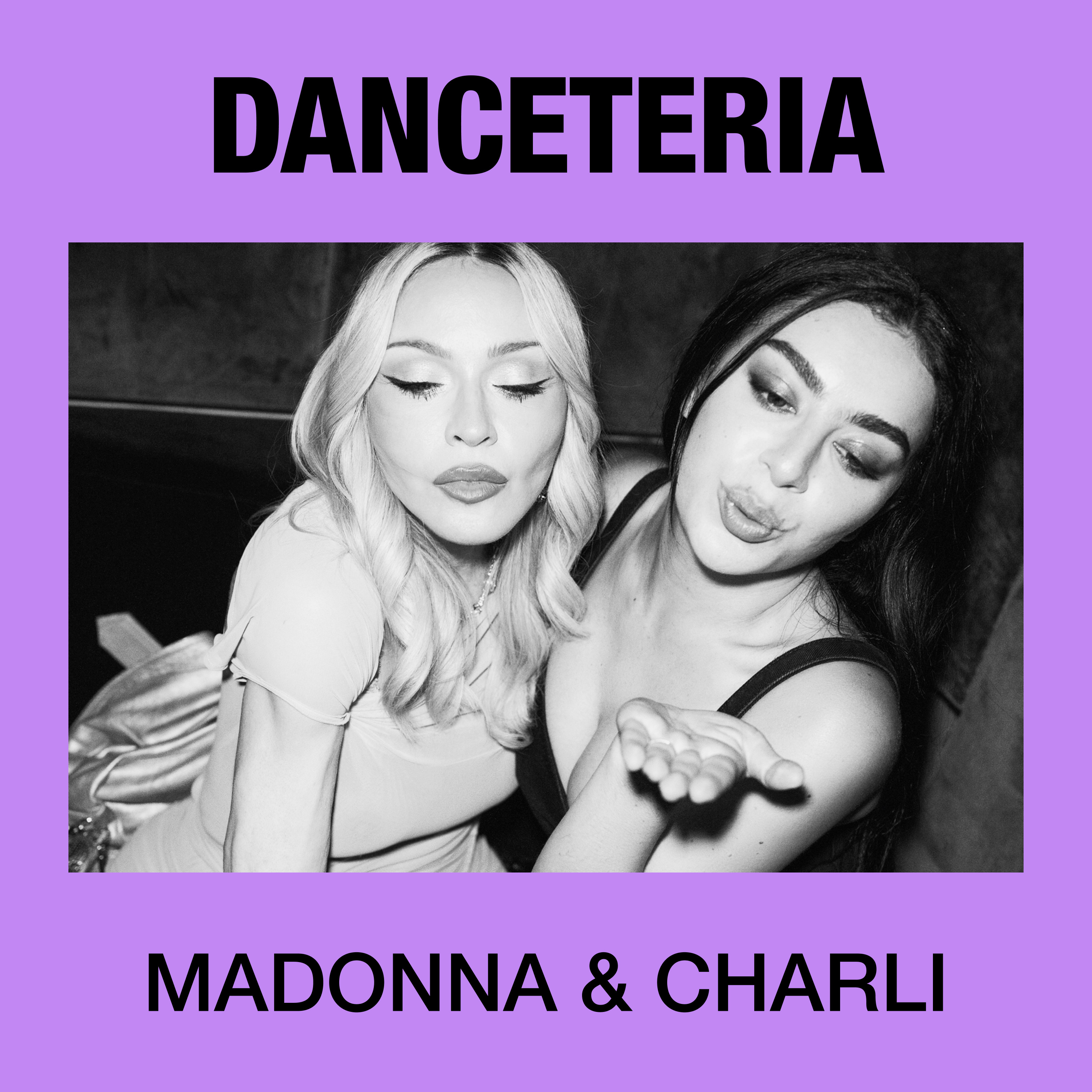
The "Afterhours Mix" with Charli XCX extends the narrative of "Danceteria" by injecting a contemporary voice and perspective, creating a dialogue between Madonna’s foundational experience and Charli’s own journey through the modern music landscape. The collaboration was initially teased with a fun Instagram reel last week, building anticipation among fans of both artists.
Charli’s Lyrical Contribution and Origin Story:
In her new verses for the "Afterhours Mix," Charli XCX recounts her own artistic origin story, drawing parallels to Madonna’s early struggles and triumphs while grounding her narrative firmly in the context of the 21st-century underground. Charli’s lyrics are replete with specific references that resonate deeply with her fanbase and illustrate her own unique trajectory. She namechecks A. G. Cook, the influential founder of PC Music and a frequent collaborator who has been instrumental in shaping Charli’s experimental sound. Another poignant reference is to SOPHIE, the late, revered electronic music producer whose innovative and boundary-pushing work profoundly impacted Charli’s artistic development and the broader hyperpop genre. These mentions serve as a tribute to the architects of her sound and the community that nurtured her.
Furthermore, Charli references "Le Couteau Jaune," a more enigmatic allusion that likely points to a specific, perhaps niche, underground collective, venue, or creative period in her past, underscoring her commitment to the avant-garde. Her mention of Myspace is particularly significant, as the social media platform played a crucial role in the early 2000s as a launchpad for a generation of DIY artists, allowing them to connect directly with fans and build communities outside traditional industry structures—a digital parallel to the physical club spaces like Danceteria that fostered artists in earlier eras. Through these references, Charli XCX masterfully crafts a narrative that is both personal and broadly representative of the contemporary artist’s journey, acknowledging her roots in the digital underground just as Madonna acknowledged hers in the physical club scene.
A Statement of Respect and Generational Dialogue:
Charli XCX’s admiration for Madonna is unequivocally expressed in her accompanying statement regarding the collaboration. She shared on social media: "@madonna is the one who paved the way for us all. she did it before we even dared to think it. to work with you on this song, to step into your world, your process, your detail: it was all just brilliant. thank you for everything <33333". This heartfelt endorsement from an artist often seen as a torchbearer for the future of pop underscores the profound impact Madonna has had across generations. It highlights the essential role of pioneering artists in shaping the landscape for those who follow, fostering an environment where innovation can thrive. Industry insiders and fans alike have interpreted this collaboration and Charli’s statement as a powerful moment of intergenerational validation, where a legend passes the baton, and a contemporary innovator acknowledges the enduring power of legacy. This dialogue between artists from different eras enriches the cultural tapestry of pop music, demonstrating that innovation can coexist with and draw strength from history.
The Release and Broader Context
The "Danceteria (Afterhours Mix)" is part of a comprehensive release strategy designed to cater to diverse audiences and celebrate the track’s multifaceted appeal. The album version, last month’s Harry Romero remix, and this new Afterhours Mix featuring Charli XCX are all collected on a new CD single. This multi-format release strategy is a testament to the enduring appeal of physical media for collectors and the desire to offer various interpretations of a popular track. Harry Romero, a renowned figure in house music, brought his signature energetic and groove-laden style to his remix, further broadening the track’s appeal within the electronic music community.
"Danceteria" as "Song of the Summer":
Adding to its prestige, "Danceteria" was recently voted Stereogum readers’ #1 Song Of The Summer. This accolade is significant, demonstrating the track’s widespread appeal and its ability to resonate with a broad audience, transcending generational divides. For a track rooted in the history of 1980s club culture to be crowned the song of the summer in 2026 speaks volumes about Madonna’s continued ability to craft relevant and infectious music, and the timeless appeal of dance anthems. It signals that even in an era dominated by diverse genres, the foundational elements of rhythmic, celebratory music continue to capture the public imagination.
Madonna’s VMA Dominance:
The collaboration with Charli XCX and the success of "Danceteria" arrive at a time when Madonna is poised for another monumental moment in her illustrious career. On Sunday, she is slated to open the 2026 MTV Video Music Awards, marking her first performance at the prestigious event in 23 years. This return to the VMA stage is not only a highly anticipated event but also a record-breaking fifth overall performance at the awards show, solidifying her unparalleled connection to the VMAs’ history. Throughout her career, Madonna has delivered some of the most iconic and often controversial performances in VMA history, from her provocative rendition of "Like A Virgin" in 1984 to her kiss with Britney Spears and Christina Aguilera in 2003. Her return underscores her enduring impact on music video culture and live performance. Furthermore, Madonna leads the nominations for this year’s VMAs with an astounding 13 nods, a testament to the critical and commercial success of her recent work and her ongoing artistic vitality. This exceptional number of nominations highlights her continued ability to innovate, connect with contemporary audiences, and remain at the forefront of the global music industry, proving that the Queen of Pop remains firmly on her throne.
Legacy, Innovation, and Intergenerational Collaboration
The "Danceteria (Afterhours Mix)" featuring Charli XCX is more than just a musical collaboration; it is a powerful cultural statement. It encapsulates the dynamic interplay between legacy and innovation, demonstrating how established icons can embrace new voices to reinterpret their history, while contemporary artists can pay homage to their predecessors while forging their own distinct paths. The initial, carefully manufactured "beef" ultimately served to heighten anticipation and underscore the genuine artistic connection that ultimately blossomed.
This collaboration reinforces Madonna’s status as a perpetual innovator, consistently adapting and integrating herself into contemporary music dialogues. It highlights Charli XCX’s role as a respectful yet revolutionary artist, acknowledging the foundations upon which her own experimental sound is built. In an industry often focused on fleeting trends, this project champions the enduring power of dance music and the rich tapestry of artistic lineage. It suggests a future where intergenerational collaborations become increasingly vital, fostering a deeper appreciation for music history while simultaneously pushing the boundaries of sound and narrative, ensuring that the dancefloor, far from being dead, continues to evolve and pulsate with life.
