

The landscape of 1960s popular music is often characterized by its radical shifts in social consciousness, political upheaval, and the birth of counterculture movements. However, amidst the roar of distortion and the fervor of protest anthems, a specific sub-genre of melodic, optimistic, and atmospheric rock emerged—songs that captured the serene, reflective essence of a quiet morning. Three specific tracks from this era, "Sunday Morning" by The Velvet Underground, "Here Comes The Sun" by The Beatles, and "A Beautiful Morning" by The Rascals, stand as definitive examples of how the 1960s utilized innovative production and evocative songwriting to create a lasting "morning aesthetic." These compositions do more than provide a pleasant auditory experience; they serve as historical markers of a decade that was learning to balance experimentalism with universal emotional resonance.
The Velvet Underground and the Avant-Garde Dawn
Released in 1967 as the opening track of the seminal album The Velvet Underground & Nico, "Sunday Morning" serves as a masterclass in the juxtaposition of light and shadow. While the band is frequently associated with the gritty, avant-garde underbelly of New York City’s "Factory" scene, this particular track offers a surprisingly lush and melodic entry point into their discography.
The song’s origins are rooted in a suggestion from producer Tom Wilson, who believed the album needed a more commercially viable "hit" to lead the record. According to historical accounts of the recording sessions at Mayfair Professional Sound Studios, the track was a late addition to the album. Musically, the song is defined by John Cale’s use of the celesta, an instrument typically reserved for orchestral compositions. The bell-like tones of the celesta provide a dreamlike, shimmering quality that mimics the sensation of early morning light.
Lyrically, Lou Reed captures a specific type of post-party exhaustion that was common in the Warhol circles of the late 1960s. While the melody is inviting, lines such as "Watch out, the world’s behind you / There’s always someone around you who will call" suggest a lingering paranoia. This duality—the beauty of the arrangement versus the unease of the lyrics—created a blueprint for the "dream pop" and "indie rock" genres that would follow decades later. Despite its later status as a classic, "Sunday Morning" did not achieve significant chart success upon its initial release, reflecting the band’s status as "musician’s musicians" who were ahead of their time.
The Beatles and the Triumph of George Harrison
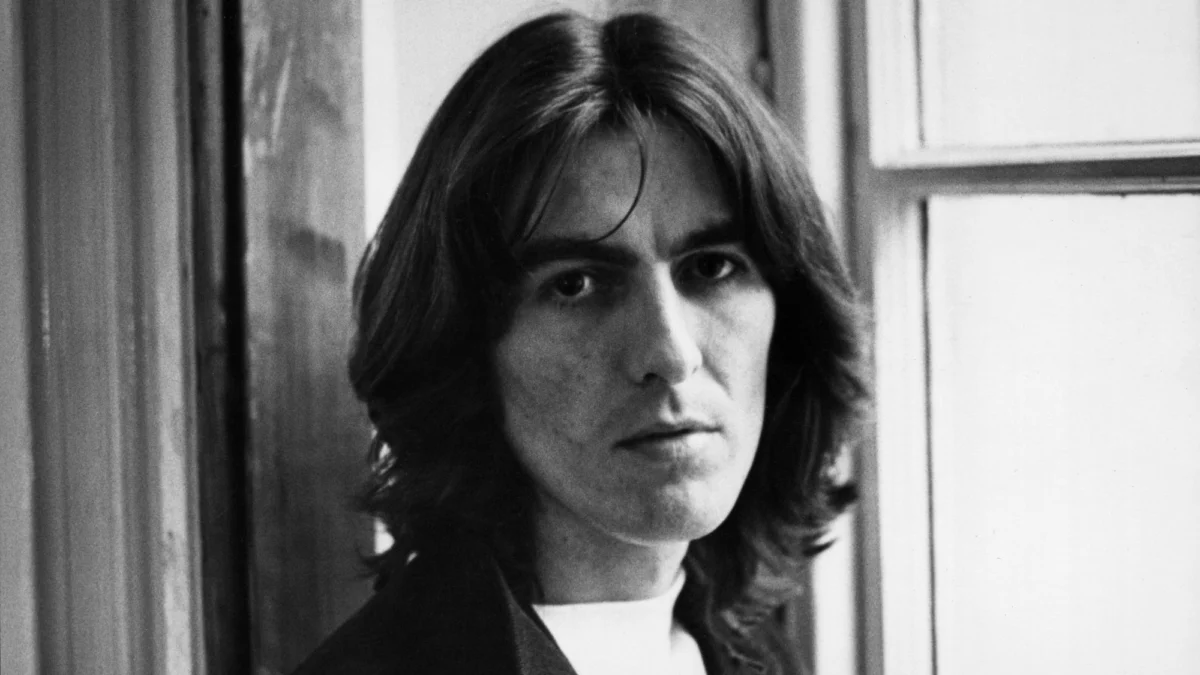
If "Sunday Morning" represents the quiet, introspective start of a day, The Beatles’ "Here Comes The Sun" represents the triumphant arrival of warmth and clarity. Recorded for the 1969 album Abbey Road, the song marked a significant turning point for George Harrison as a songwriter. For much of the band’s career, Harrison’s contributions were overshadowed by the prolific output of John Lennon and Paul McCartney. However, by 1969, Harrison had emerged as a formidable creative force.
The context of the song’s creation is well-documented in rock history. Harrison wrote the track in early 1969 at the country estate of his close friend, Eric Clapton. Seeking an escape from the mounting legal and financial pressures surrounding the Beatles’ Apple Corps, Harrison found inspiration in the first true signs of spring after a particularly grueling English winter.
Technically, "Here Comes The Sun" was a pioneer in the use of the Moog synthesizer. Harrison had recently become fascinated with the instrument, and its inclusion on the track added a warm, electronic texture that was revolutionary for the time. The song’s structure, featuring unusual time signatures (switching between 4/4, 7/8, and 11/8 in the bridge), showcases the sophisticated musicality the band had achieved by their final recording sessions.
Statistically, "Here Comes The Sun" has become one of the most enduring legacies of the 1960s. As of 2023, it remains the most-streamed Beatles song on global platforms like Spotify, surpassing even "Let It Be" and "Hey Jude." Its universal appeal lies in its simple yet profound message of resilience—the idea that no matter how long or cold the winter, the sun will inevitably return.
The Rascals and the Zenith of Sunshine Pop
While The Velvet Underground provided the art-house perspective and The Beatles provided the global anthem, The Rascals contributed "A Beautiful Morning" in 1968, a song that epitomizes the "Sunshine Pop" movement. Originally known as The Young Rascals, the group dropped the "Young" from their name with the release of this single, signaling a more mature, refined sound.
"A Beautiful Morning" reached No. 3 on the Billboard Hot 100, cementing its place as one of the definitive hits of the late 1960s. The song was written by the band’s primary creative duo, Felix Cavaliere and Eddie Brigati. Unlike the more complex or darker themes found in contemporary rock of 1968—a year marked by the Tet Offensive and the assassination of Martin Luther King Jr.—"A Beautiful Morning" offered a moment of pure, unadulterated escapism.
The track is notable for its sophisticated arrangement, which includes vibes and a bell-like percussion that echoes the "morning" theme found in the works of their peers. The lyrics are an earnest call to optimism: "It’s a beautiful morning… I think I’ll go outside for a while and just smile." This sentiment was not merely about the weather; it was a reflection of the "blue-eyed soul" movement that sought to blend R&B sensibilities with pop-rock optimism. The Rascals were also socially significant during this period; they were one of the first major white acts to insist on integrated bills, refusing to perform unless at least one Black artist was also on the program.
Chronology of the 1960s Morning Aesthetic
To understand the impact of these three songs, one must look at the timeline of their release within the broader context of 1960s music:
- December 1966: The Velvet Underground records "Sunday Morning" in New York. The song is a reaction to the frantic energy of the city’s nightlife.
- March 1967: The Velvet Underground & Nico is released. "Sunday Morning" fails to chart but begins its journey as a cult classic.
- April 1968: The Rascals release "A Beautiful Morning." It becomes a massive commercial hit, peaking in the Top 5 of the Billboard charts. It represents the peak of "Sunshine Pop."
- July 1969: George Harrison records "Here Comes The Sun" at Abbey Road Studios. The Beatles are nearing their eventual breakup, yet the song provides a sense of hope.
- September 1969: Abbey Road is released. "Here Comes The Sun" is immediately recognized as a highlight of the album and Harrison’s career.
Technical Innovations and Production Data
The "morning" sound of the 1960s was not accidental; it was the result of significant advancements in studio technology. In 1966, most recordings were still limited to four-track machines. By 1969, the transition to eight-track and even early sixteen-track recording allowed for the layering of the "shimmering" sounds found in these tracks.
The use of specific frequencies also played a role. Sound engineers of the era began to experiment with "top-end" equalization to bring out the brightness of acoustic guitars and percussion. In "Here Comes The Sun," the acoustic guitar was recorded with a capo on the 7th fret, which shifted the instrument’s range higher, creating a "sparkling" sound that complemented the lyrics. Similarly, the use of the celesta in "Sunday Morning" provided a high-frequency chime that occupied a sonic space previously untouched by standard rock instrumentation.
Broader Impact and Modern Implications
The legacy of these three songs extends far beyond their initial chart runs. In the 21st century, the concept of a "morning playlist" has become a staple of digital music consumption. Data from streaming services indicates that "soft rock" and "60s pop" see significant spikes in listenership between the hours of 6:00 AM and 10:00 AM on weekends.
From an analytical perspective, these songs represent the 1960s’ ability to provide emotional utility. While the decade is often remembered for its volume and rebellion, its most lasting contributions are often the songs that provided comfort. "Sunday Morning," "Here Comes The Sun," and "A Beautiful Morning" remain essential because they translate a specific environmental experience into a musical one.
In a modern world characterized by rapid information and high stress, the "marked optimism" of these tracks continues to serve as a psychological balm. They are not merely nostalgic artifacts; they are functional pieces of art designed to reset the listener’s perspective. As music continues to evolve, the blueprint established by these artists in the late 1960s remains the gold standard for how to capture the quiet, hopeful essence of a new day.
