

The digital era has transformed the music industry from a centralized model dominated by major labels into a fragmented landscape where independent artists must act as their own marketing agencies, distributors, and storefronts. In this environment, the "link in bio" has evolved from a simple list of URLs into a sophisticated digital headquarters. Music marketing expert and author Jesse Cannon, known for his influential work "Get More Fans: The DIY Guide to the New Music Business," has recently highlighted Koji as the premier platform for musicians, instrumentalists, and producers looking to optimize their online presence. This shift reflects a broader trend in the creator economy toward "frictionless" commerce and high-engagement digital storefronts that prioritize user experience over traditional link-tree structures.
The Strategic Importance of the Digital First Impression
In the contemporary music market, a fan’s first interaction with an artist often occurs via social media platforms like TikTok, Instagram, or X (formerly Twitter). However, these platforms are designed to keep users within their own ecosystems, often making it difficult for artists to migrate casual viewers into dedicated fans or paying customers. Jesse Cannon emphasizes that the "first impression" is the most overlooked component of fan base construction. When a potential listener clicks the link in an artist’s bio, they are making a conscious decision to deepen their engagement; if they encounter a cluttered, slow, or unintuitive interface, that momentum is lost.

Koji addresses this by providing a customizable, high-speed interface that functions more like a mobile-optimized website than a list of bookmarks. The platform allows artists to curate their story using integrated graphics, video backgrounds, and personalized text. This level of customization ensures that the branding established on social media remains consistent when a fan transitions to the artist’s personal hub. Industry data suggests that a cohesive brand identity across platforms can increase revenue by up to 23%, making the aesthetic and functional quality of a link-in-bio tool a critical business decision rather than a mere administrative one.
The Technical Architecture of the Koji App Store
The primary differentiator between Koji and its competitors—such as Linktree, Beacons, or Milkshake—is its integrated app-based architecture. Traditional link-in-bio services act as directories that redirect users to external sites (Spotify, Bandcamp, or a personal Shopify store). Each redirection introduces "friction," increasing the likelihood that a user will abandon the journey due to slow load times or the need to log into a different platform.
Koji’s ecosystem is built on "mini-apps" that run natively within the social media browser. As Cannon notes, these are not iOS or Android apps that require a download from an app store; they are web-based applications that load instantly. This allows fans to listen to music, watch videos, or purchase merchandise without ever leaving the app where they discovered the artist. For a musician, this means the distance between a "view" and a "sale" is reduced to a single click.

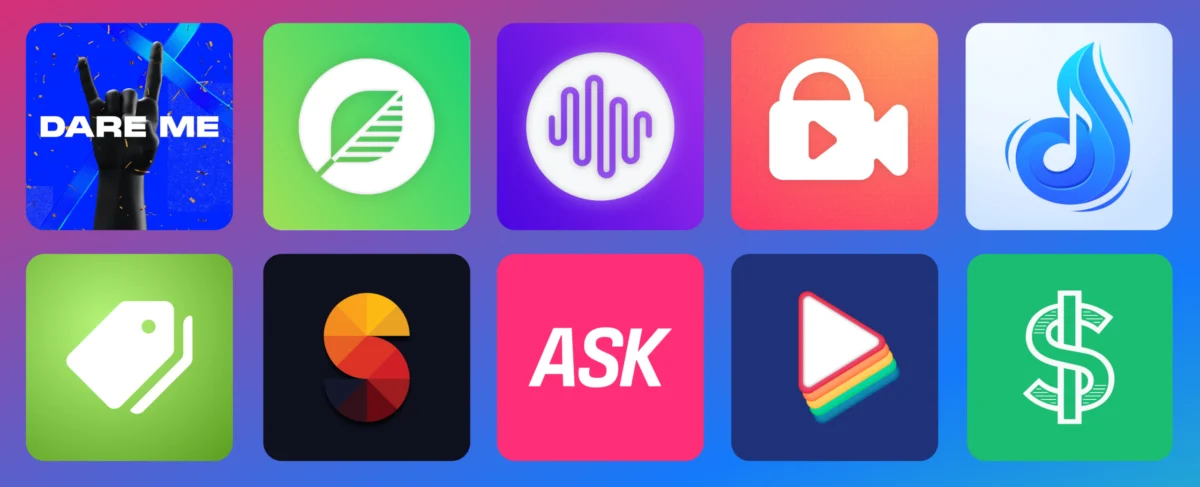
The Koji App Store features hundreds of specialized tools tailored for creators. For musicians, these include:
- Direct Music Sales: Allowing fans to buy high-quality FLAC or WAV files directly.
- Tip Jars: Providing a low-barrier way for fans to support artists during live streams or after viewing content.
- Locked Content: Enabling artists to hide exclusive videos or tracks behind a "paywall" or an email sign-up.
- Video Shoutouts: A built-in alternative to platforms like Cameo, allowing musicians to sell personalized messages to fans.
Monetization and the Creator Economy Shift
The music industry has seen a dramatic shift in how revenue is generated. With streaming royalties remaining notoriously low—averaging between $0.003 and $0.005 per stream on major platforms—musicians are increasingly reliant on direct-to-fan (D2F) monetization. Koji’s model aligns with this shift by offering monetization tools that do not require the high monthly subscription fees often associated with traditional e-commerce platforms.
Furthermore, Koji’s take on transactions is often more favorable to the creator than traditional storefronts. By centralizing various revenue streams—merchandise, digital downloads, and fan interactions—into one link, musicians can better track their Return on Investment (ROI) from social media marketing campaigns. Jesse Cannon’s endorsement of the platform stems from this ability to conduct "high-quality marketing" directly to an audience. The data gathered through these interactions—such as email addresses and geographic locations—is owned by the artist, providing a level of "platform independence" that is vital in an era where social media algorithms are constantly changing.

Chronology of the Link-in-Bio Evolution
To understand Koji’s current market position, it is necessary to look at the evolution of artist web presence over the last two decades:
- The MySpace Era (2003–2008): Musicians had a centralized profile that included music players, photos, and "top friends." It was the first true digital hub for independent artists.
- The Personal Website & Fragmented Era (2009–2015): As MySpace declined, artists moved to personal websites (WordPress, Squarespace) while their audience moved to Facebook and Twitter. This created a fragmented experience where fans had to be directed to various external URLs.
- The Rise of the Static Link Tree (2016–2019): Instagram’s "one link only" policy led to the creation of Linktree. These were simple, vertical lists of buttons. While functional, they were aesthetically limited and did little to retain fan attention.
- The Supercharged Hub Era (2020–Present): Platforms like Koji emerged, turning the link in bio into a "mini-CMS" (Content Management System). This era is defined by interactivity, internal transactions, and data ownership.
Strategic Implementation for Artists and Producers
For musicians looking to transition to a Koji-based ecosystem, Jesse Cannon suggests a five-point strategy to maximize reach and conversion:
- Prioritize High-Value Actions: The top of the Koji profile should feature the most important goal, whether that is a new single, tour tickets, or a mailing list sign-up.
- Utilize Visual Hierarchy: Use Koji’s "Highlighter" apps to make certain buttons or media players stand out from the rest of the list.
- Embed Media Directly: Instead of linking to YouTube, use Koji’s video player apps to keep fans engaged within the profile.
- Regular Updates: A link in bio should not be a "set it and forget it" tool. It should be updated weekly to reflect current projects, ensuring returning fans always find something new.
- A/B Testing: Musicians should use the platform’s analytics to see which apps are performing best and adjust their layout accordingly.
Broader Industry Implications and Analysis
The adoption of Koji by industry influencers like Jesse Cannon signals a move away from the "platform-centric" model of music promotion toward an "artist-centric" model. When an artist uses a platform that allows for internal transactions and deep engagement, they are effectively building a "walled garden" that protects them from the volatility of social media trends.

From a data perspective, the implications are significant. In a traditional funnel, an artist might lose 50% of their audience at every click-through (from Instagram to a website, from a website to a cart, from a cart to a checkout). By using mini-apps, Koji eliminates several of these steps. If an artist can increase their conversion rate from 1% to 3% by reducing friction, they have effectively tripled their income without needing to increase their total audience size.
Furthermore, the rise of Koji reflects the "unbundling" of the music industry. Artists no longer need a label to provide a web developer, a merch coordinator, or a fan club manager. The "App Store for Creators" provides the infrastructure for a one-person operation to function with the professionality of a major-label artist.
Future Outlook: The Convergence of Social Media and Commerce
As social media platforms like TikTok continue to integrate shopping features directly into their interfaces, the role of third-party hubs like Koji will likely become even more specialized. We are moving toward a future where the "link in bio" acts as a personal CRM (Customer Relationship Management) tool.
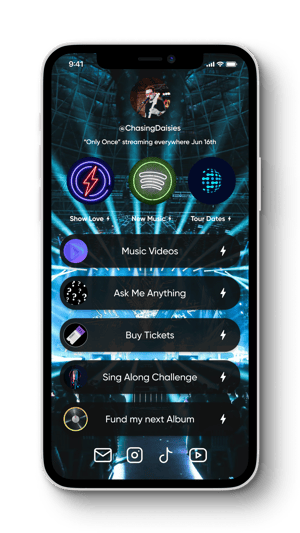
Jesse Cannon’s analysis highlights that for the modern musician, the goal is no longer just to be "discovered"—it is to be "sustained." Sustainability in the music industry requires a diversified income stream and a direct line of communication with the audience. Platforms like Koji, which prioritize the user experience and offer a wide array of monetization mini-apps, are no longer just optional tools; they are the foundation of a modern music career.
By focusing on the "best first impression" and leveraging the power of frictionless mini-apps, musicians can turn their social media traffic into a sustainable business. As Cannon concludes in his analysis, the question for musicians is no longer if they need a link in bio, but how that link can be used to build a deeper, more profitable relationship with their fans. The move toward supercharged profiles is a clear indication that the future of music marketing is personal, interactive, and, most importantly, frictionless.
