

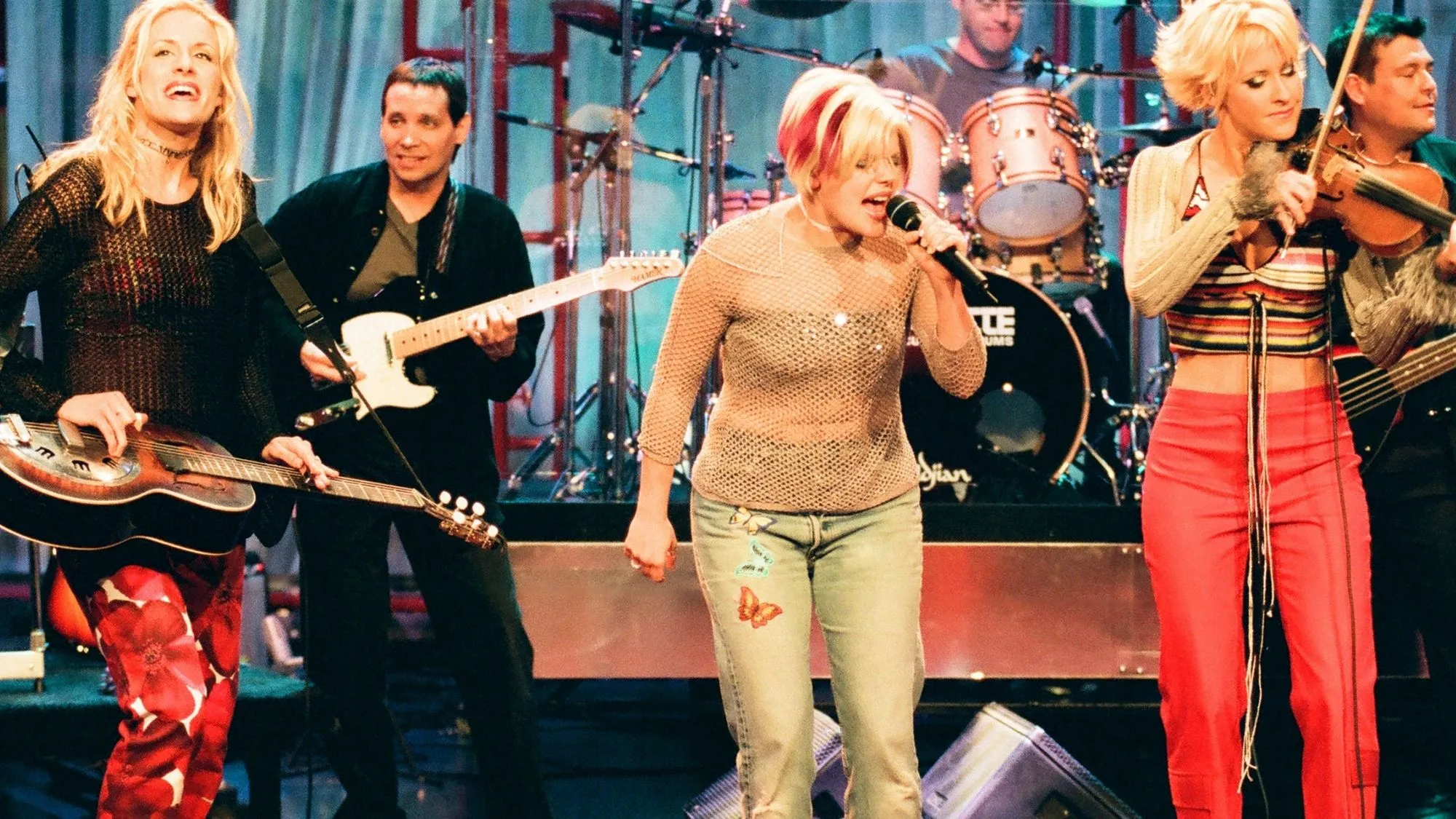
The late 1990s and early 2000s represented a transformative era for the country music industry, characterized by a shift from the neo-traditionalist sounds of the previous decade toward a more polished, pop-inflected production style that emphasized aspirational narratives. This period saw the rise of a specific sub-genre of hits often referred to by music historians as "dreamer anthems"—songs that captured the zeitgeist of young Americans seeking independence, professional fulfillment, and geographical mobility. These tracks, headlined by artists such as The Chicks, Sara Evans, and Sugarland, did more than dominate the Billboard Hot Country Songs charts; they provided a sonic blueprint for the "Nashville Dream," influencing a generation of listeners and future artists alike.
The Architectural Shift of the 2000s Country Sound
The transition into the new millennium brought about significant changes in how country music was produced and consumed. As digital recording technology became more sophisticated, the "Nashville Sound" evolved to include crisper percussion, layered harmonies, and a cinematic quality that appealed to a broader, more suburban demographic. This era was defined by a departure from the "honky-tonk" heartbreak tropes in favor of stories about self-discovery and the courage required to leave one’s roots.
Industry data from the Recording Industry Association of America (RIAA) indicates that this period was one of the most commercially lucrative for female country artists. The success of these "dreamer" songs was bolstered by the high-rotation music video era, where networks like CMT and GAC (Great American Country) played a pivotal role in visual storytelling, reinforcing the themes of wide-open horizons and the bustling neon lights of distant cities.
Wide Open Spaces and the Genesis of the Independent Narrative
Perhaps no song defines the "dreamer" era more effectively than "Wide Open Spaces," performed by The Chicks (formerly The Dixie Chicks). Released as the title track of their 1998 breakthrough album, the song’s influence extended well into the early 2000s, setting the stage for the narrative-driven hits that would follow. Written by Susan Gibson, then a member of the band The Groobees, the song articulates the universal desire for autonomy.
The background of the song’s creation offers a glimpse into the emotional weight of the genre. Gibson wrote the lyrics after returning home from college, realizing that her old environment no longer fit the person she was becoming. When The Chicks recorded their version, the production—characterized by Martie Maguire’s soaring fiddle and Natalie Maines’ defiant lead vocals—transformed a personal diary entry into a national anthem for the adventurous.
Reflecting on the recording in an interview with The Montanan, Gibson recalled the visceral reaction of hearing her words amplified by a major label production. "It made me bawl my eyes out. It was so beautiful—it had this stunning musicianship and very professional production," Gibson stated. "I could still see my handwriting on the page, and here was this gorgeous recording of it." The song’s commercial trajectory was staggering; it spent four weeks at number one on the Billboard Hot Country Singles & Tracks chart and helped the album Wide Open Spaces achieve Diamond certification, a rarity for country releases.
Sara Evans and the Aspiration of the Midwest
As the 2000s progressed, Sara Evans emerged as a central figure in the "dreamer" movement. Her 2000 hit "Born to Fly" served as a thematic successor to the groundwork laid by The Chicks. Co-written by Evans with Marcus Hummon and Darrell Scott, the song utilizes the metaphor of flight to describe the necessity of leaving a comfortable, albeit stagnant, rural life.
Evans, who grew up on a farm in Missouri, has frequently discussed the autobiographical nature of the track. In statements made to Wide Open Country, she emphasized the difficulty of the transition to Nashville. "I just had to make that tough choice to leave my family and my home, my friends and everything that I’d ever known and move to Nashville," Evans explained. "But I knew that I was born to fly."
The song’s impact was not merely emotional but also statistical. "Born to Fly" became Evans’ first number-one hit and earned the Country Music Association (CMA) Video of the Year award in 2001. Its success signaled a market appetite for songs that balanced traditional country instrumentation—such as the prominent mandolin and acoustic guitar—with a contemporary, optimistic lyrical outlook.
The Realism of the Nashville Hustle: Sugarland’s "Baby Girl"
By the mid-2000s, the "dreamer" narrative evolved to include the gritty reality of the struggle for success. Sugarland’s 2004 debut single, "Baby Girl," offered a unique perspective by structuring the lyrics as a series of letters and phone calls home. Unlike previous hits that focused on the act of leaving, "Baby Girl" focused on the persistence required to stay in the game.
The song’s protagonist describes the dichotomy of the entertainment industry: a place where "you can’t tell the difference between the stars and the neon lights" and where the sincerity of new acquaintances is always in question. The recurring plea for parents to "send some money" became a relatable touchstone for young professionals across all industries, not just music.
"Baby Girl" holds a significant place in chart history, setting a record at the time for the longest climb to the top five on the Billboard country charts, taking 46 weeks to reach its peak. This slow-burn success mirrored the song’s theme of endurance. The track helped the duo’s debut album, Twice the Speed of Life, reach multi-platinum status, proving that audiences were hungry for a "dreamer" story that acknowledged the financial and emotional costs of ambition.
Narrative Complexity in "Suds In The Bucket"
In 2004, Sara Evans returned to the "dreamer" theme with "Suds In The Bucket," a song that approached independence through the lens of a spontaneous, almost cinematic departure. Written by Billy Montana and Tammy Wagoner, the song tells the story of an 18-year-old girl who leaves her chores unfinished—"suds in the bucket and the clothesline down"—to run off to Las Vegas with a "pony-tailed lover."
While the song was originally intended for Lee Ann Womack, Evans’ rendition captured a specific youthful energy that resonated with the CMT generation. The track explores the "teetering" point between adolescence and adulthood. From a sociological perspective, "Suds In The Bucket" reflects the cultural fascination with "The Great Escape"—the idea that one’s life can change completely in a single afternoon. The song reached number one on the Billboard Hot Country Songs chart, further cementing Evans’ status as a voice for the aspirational rural American.
Chronology of a Movement: Key Milestones (1998–2005)
The era of the "Dreamer Anthem" can be traced through several pivotal releases and industry events:
- August 1998: Release of "Wide Open Spaces" by The Chicks. The song becomes a multi-week #1 and establishes the "independent woman" archetype in modern country.
- October 2000: Sara Evans releases "Born to Fly." The album of the same name marks a shift toward a more polished, radio-friendly sound.
- November 2001: "Born to Fly" wins CMA Video of the Year, highlighting the importance of visual storytelling in the genre’s success.
- July 2004: Sugarland releases "Baby Girl." The song begins its record-breaking 46-week journey toward the top of the charts.
- August 2004: Sara Evans releases "Suds In The Bucket," which quickly becomes a fan favorite and a staple of country radio.
- 2005: The success of these tracks paves the way for the debut of Carrie Underwood, whose "Jesus, Take the Wheel" and "I’ll Stand By You" would continue the tradition of narrative-driven, aspirational country-pop.
Data Analysis and Market Impact
The commercial performance of these songs during the early 2000s reflects a peak period for the country music industry. According to Nielsen SoundScan data, country music accounted for roughly 10% of all music sales in the United States during the 2000–2005 window. The "dreamer" hits were particularly effective at "crossing over" to Adult Contemporary and Top 40 radio stations, expanding the genre’s footprint.
The demographic shift was also notable. These songs targeted a younger, female-leaning audience that had previously been underserved by the "outlaw" or "honky-tonk" traditions. By focusing on themes of education, career, and self-actualization, Nashville labels were able to tap into the burgeoning "Girl Power" movement of the late 90s, adapted for a rural and suburban context.
Broader Implications and the Legacy of the Dreamer
The legacy of these 2000s hits is visible in the current landscape of country and pop music. Artists like Taylor Swift, Kacey Musgraves, and Maren Morris have frequently cited the work of The Chicks and Sara Evans as foundational to their own songwriting. The "dreamer" archetype—the girl who leaves the small town to find herself in the big world—remains one of the most durable tropes in American songwriting.
Furthermore, these songs addressed gender dynamics within the industry. By centering the narrative on the woman’s choice to leave and pursue her own goals, rather than her reaction to a male protagonist’s actions, these anthems subtly shifted the power balance of country storytelling. They moved the needle from "waiting for the man to come home" to "driving the car toward the horizon."
In conclusion, the forgotten and remembered hits of the 2000s were more than just catchy melodies; they were cultural documents of a country in transition. As listeners today revisit "Wide Open Spaces" or "Born to Fly," they are not just engaging in nostalgia; they are connecting with a long-standing American tradition of seeking something greater than the familiar. The professional production, sophisticated songwriting, and authentic vocal performances of this era ensured that these songs would remain relevant, serving as a timeless soundtrack for anyone standing at the edge of a small town, looking toward the neon lights of a distant dream.
