

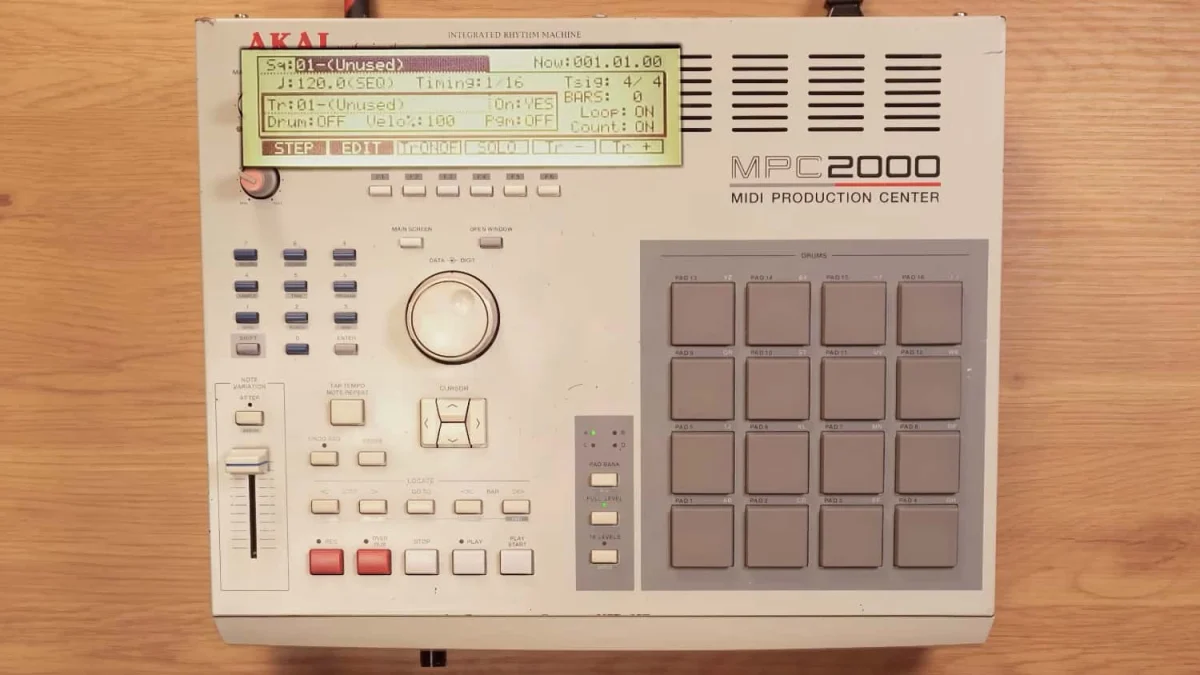
The landscape of vintage music production technology is undergoing a significant transformation as independent developers continue to bridge the gap between legacy hardware and modern workflow requirements. The latest development in this movement is the release of MPC2000 MODS version 1.8, a comprehensive, community-driven firmware modification project designed specifically for the Akai MPC 2000 Classic and the MPC 2000XL. This update introduces a suite of features previously unavailable on the original factory operating systems, effectively extending the utility and lifespan of these iconic samplers in contemporary studio environments.
The MPC2000 MODS project represents a growing trend in the "retro-modding" community, where enthusiasts reverse-engineer and enhance the software of hardware units that have long been abandoned by their original manufacturers. By offering these modifications for free, the project provides a significant value proposition to producers who prefer the tactile experience and specific sonic characteristics of 1990s-era digital converters but struggle with the technical limitations of 25-year-old software architectures.
Technical Evolution and Core Enhancements
At the heart of the version 1.8 update is a focus on real-time functionality and monitoring capabilities. One of the most significant hurdles for users of the original MPC 2000 and 2000XL was the inability to monitor analog input signals once the user navigated away from the dedicated sampling screen. The new modification resolves this issue, allowing for continuous monitoring of incoming audio throughout various stages of the production process. This enhancement is particularly beneficial for producers who integrate external synthesizers or live instruments into their MPC-centric setups.
Furthermore, the mod pack introduces refined control over sequence playback during the recording process. In the original Akai operating systems, certain transport controls and sequencing functions were restricted while the unit was in "Record" or "Overdub" mode. Version 1.8 alleviates these bottlenecks, providing a more fluid creative experience that mirrors the flexibility of modern Digital Audio Workstations (DAWs) without sacrificing the hardware-centric workflow.
Beyond these primary updates, the modification suite expands upon several fundamental areas of the MPC’s operation:
- Enhanced Tuning and Program Assignment: Users can now manage sample pitch and pad assignments with greater precision, allowing for more complex melodic arrangements.
- Advanced Sample Chopping: The manual process of dividing long samples into individual hits has been streamlined, reducing the time required to prepare breakbeats or melodic loops.
- Filtering and Signal Processing: The mod unlocks deeper access to the MPC’s internal filtering capabilities, offering more nuanced control over the "grit" and frequency response that defined the 16-bit era of hip-hop and electronic music.
- Optimized File Management: Navigating internal memory and external storage devices (such as SCSI drives or modern CF card adapters) is faster, with improved file naming and organization protocols.
Historical Context: The Legacy of the 2000 Series
To understand the impact of these modifications, one must consider the historical position of the Akai MPC 2000 series. Released in 1997 as a more affordable successor to the legendary MPC 3000 (designed by Roger Linn), the MPC 2000 Classic became the entry point for a generation of bedroom producers. Its successor, the MPC 2000XL, released in 1999, added a tilting screen, multi-bank sampling, and improved sequencing memory.
Despite their popularity, these machines were products of their time, limited by the processing power and memory constraints of the late 20th century. As the music industry shifted toward software-based production in the 2000s, many MPC units were relegated to closets or sold on the second-hand market. However, the last decade has seen a massive resurgence in "dawless" production. The specific "swing" or timing jitter of the MPC’s sequencer, combined with the distinct coloration of its analog-to-digital converters, has made the 2000 and 2000XL highly sought-after items once again.
The release of unofficial firmware is not a new phenomenon; the MPC 1000 and 2500 were famously transformed by the Japanese-developed "JJOS," which turned those units into powerhouses that rivaled much more expensive equipment. The MPC2000 MODS project aims to bring that same level of modern revitalization to the older 2000 series, ensuring that these machines remain viable tools rather than museum pieces.
Chronology of the MPC2000 MODS Development
The development of the MPC2000 MODS has followed a meticulous trajectory, prioritizing system stability and user safety. Unlike hardware "circuit bending," which involves physical changes to the circuitry, this project is entirely software-based.
- Initial Research Phase: Developers analyzed the original Akai .bin and .sys files to identify memory addresses responsible for UI behavior and signal routing.
- Beta Iterations (v1.0 – v1.5): Early versions of the mod focused on basic bug fixes and small quality-of-life improvements, such as faster screen refreshing and minor menu adjustments.
- The Expansion Phase (v1.6 – v1.7): The project began introducing entirely new features, such as the expanded filtering options and the groundwork for the improved file management system.
- Current Release (v1.8): The latest version represents the most stable and feature-rich iteration to date, specifically targeting the analog monitoring and sequencing playback constraints that have long frustrated power users.
Safety and Installation Protocols
A critical aspect of the MPC2000 MODS project is its non-destructive nature. The developers have designed the installer to act as a patcher rather than a replacement. The installation process requires the user to provide the original Akai OS files (which are widely available in the public domain for legacy support). The installer, available for both macOS and Windows, then generates a new, modified OS file.
This modified file is then loaded onto the MPC via traditional means—typically a 3.5-inch floppy disk or a Compact Flash card for those who have installed modern card readers. Because the mod does not write directly to the MPC’s internal Read-Only Memory (ROM) or overwrite the original OS files on the storage medium, the risk of "bricking" the device is virtually non-existent. Users can simply reboot the machine with a standard OS disk if they wish to return to the factory settings.
Industry Implications and Market Reaction
The availability of free, high-quality firmware upgrades has a tangible impact on the vintage gear market. Since the announcement of the latest MPC2000 MODS, interest in "broken" or "as-is" MPC 2000 units has seen a slight uptick on secondary markets like Reverb and eBay. Producers are increasingly willing to invest in older hardware if they know that software limitations can be bypassed through community efforts.
Industry analysts suggest that this trend reflects a broader push for the "Right to Repair" and software sustainability. When a manufacturer ceases support for a product, the community often steps in to ensure the hardware does not become electronic waste. In the case of the MPC 2000, the hardware was built with a high degree of durability; the buttons, pads, and chassis are known to last for decades. By modernizing the software, developers are effectively recycling high-quality industrial design for a new generation of creators.
While Akai Professional, now a subsidiary of inMusic Brands, has moved on to the MPC One, Live II, and X—which are essentially specialized computers running Linux-based software—they have generally maintained a neutral stance toward the modding community. These unofficial updates do not compete directly with new product sales, as they cater to a niche market of purists and collectors who value the specific limitations and "sound" of vintage components.
Broader Impact on Music Production
The enrichment of the MPC 2000XL workflow via version 1.8 allows for a hybrid production style that is increasingly popular. Producers can now more easily use the MPC as a central hub, sequencing modern software plugins while simultaneously sampling and processing audio through the MPC’s classic hardware path.
The ability to control sequence playback while recording is a subtle but profound change. It allows for a "performative" style of production where the arrangement can be tweaked on the fly, a technique that was central to the early development of house and techno but was often hindered by the rigid menu structures of early samplers.
As the "MPC2000 MODS" project continues to evolve, it serves as a testament to the enduring legacy of the Akai brand and the ingenuity of the global music technology community. By removing the technical barriers of the past, version 1.8 ensures that the distinctive "thump" of the MPC 2000 will continue to be heard in professional recordings for years to come. The project remains a free resource, accessible to any producer with a functional unit and a desire to push the boundaries of 1990s technology into the 2020s.
