

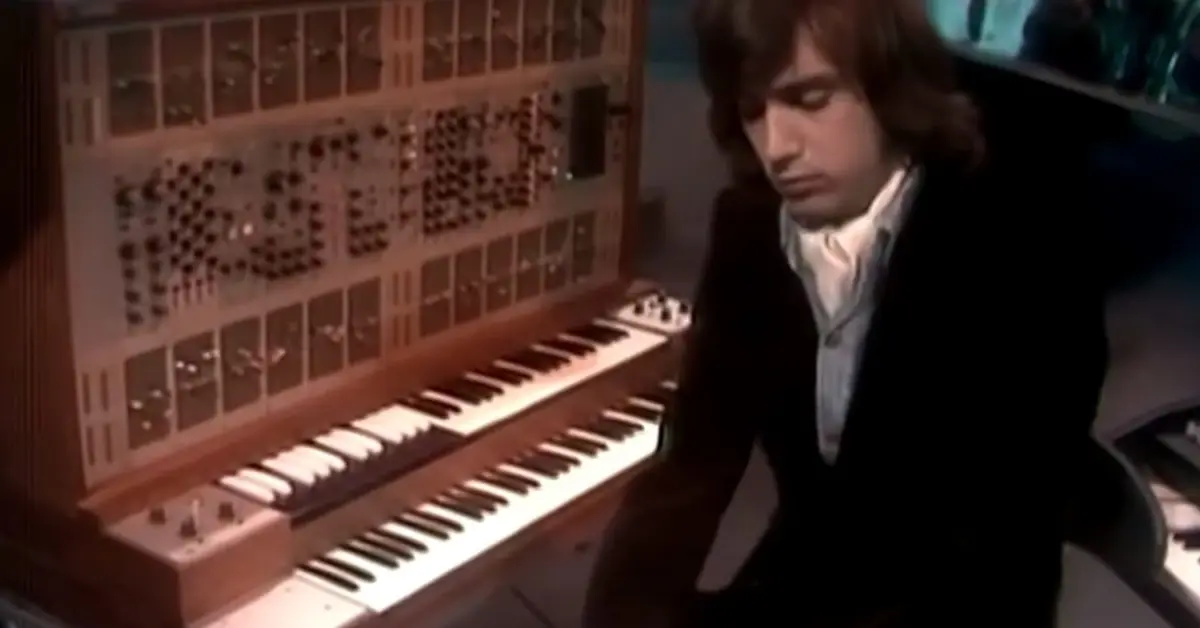
Jean-Michel Jarre, the French electronic music pioneer and global cultural ambassador, has officially unveiled plans for the 50th-anniversary celebration of his seminal work, Oxygène. The landmark album, which fundamentally reshaped the landscape of popular music upon its release in late 1976, will receive a definitive anniversary edition on November 20, 2026. This new release is the result of a meticulous restoration process that saw Jarre return to the original multi-track analog tapes to create a stereo remaster that preserves the specific warmth and organic "breathing" quality of the 1976 recording. For the first time in the album’s history, Oxygène will also be presented in Dolby Atmos, a spatial audio format that Jarre suggests is the ultimate realization of the immersive soundscapes he originally envisioned in his home studio five decades ago.
The 50th-anniversary editions serve as a tribute to an album that has sold an estimated 12 million copies worldwide, making it the best-selling instrumental electronic music album of all time. Originally recorded in a makeshift home studio in Jarre’s Paris apartment on a modest budget, Oxygène defied the industry conventions of the mid-1970s. At a time when the music charts were dominated by disco, punk, and progressive rock, Jarre’s suite of six synthesizer-based movements—devoid of traditional percussion or vocals—was initially met with skepticism by major record labels. The upcoming anniversary release aims to recapture the revolutionary spirit of that era while utilizing modern high-fidelity technology to reveal nuances in the recordings that have remained hidden for half a century.
The Genesis of a Masterpiece: From a Paris Kitchen to Global Success
The history of Oxygène is a narrative of artistic risk and technological intuition. In 1976, Jean-Michel Jarre was a young composer who had studied under Pierre Schaeffer at the Groupe de Recherches Musicales (GRM). While his peers were focused on academic avant-garde music or the burgeoning "Krautrock" scene in Germany, Jarre sought to create a bridge between experimental synthesis and accessible melody.
Working in his home studio, Jarre utilized a collection of instruments that are now considered legendary but were then at the cutting edge of musical technology. His setup included the ARP 2600, the EMS VCS3 (often referred to as "The Putney"), the RMI Harmonic Synthesizer, and the Eminent 310 Unique electronic organ. One of the defining characteristics of the album’s sound was the use of the Korg MiniPops-7 rhythm box, which Jarre treated with various effects to create the shimmering, ethereal "pop" and "hiss" textures that provide the album’s rhythmic backbone.
Despite the artistic achievement, Jarre struggled to find a publisher. Most labels claimed the music was "not for the radio" and lacked the structure of a commercial hit. It was eventually Francis Dreyfus, head of the independent label Disques Motors, who recognized the potential of the work. Following its French release in December 1976, the album became a word-of-mouth sensation. By the time it received its international release through Polydor in 1977, Oxygène had become a global phenomenon, reaching number two on the UK Albums Chart and topping the charts in France.
Technical Specifications and the Remastering Process
For the 50th-anniversary edition, Jarre has emphasized a philosophy of preservation over modernization. In official statements regarding the project, he noted that the original recording possessed a particular depth and movement derived from the interaction between analog instruments and magnetic tape. The goal of the 2026 remaster was to clean the audio signal and enhance the dynamic range without stripping away the "life" of the original performance.
"When I created Oxygène, I was working directly with analogue instruments and tape, and the sound had a particular depth, movement and life of its own," Jarre stated. "For this anniversary edition, we returned to the original tapes with the aim of preserving that character rather than changing it. Of all the masters of Oxygène that have been produced over the years, I believe this new remaster is the most true to what I originally created in 1976."
The inclusion of a Dolby Atmos mix is particularly significant. Jarre has long been a proponent of spatial audio, arguing that electronic music is uniquely suited for three-dimensional soundstages. Unlike acoustic music recorded in a fixed environment, electronic music exists as a series of frequencies and textures that can be placed anywhere in a virtual space. The Dolby Atmos version of Oxygène allows the swirling white noise of the "Oxygène Part II" transitions and the iconic lead melodies of "Oxygène Part IV" to move around the listener, creating the "sonic cocoon" Jarre has frequently described in his theoretical writings on music.

Supporting Data: The Commercial and Cultural Impact of Oxygène
The influence of Oxygène extends far beyond its sales figures, though the data remains impressive. Since 1976, the album has maintained a consistent presence in the electronic music canon.
- Sales Milestones: With over 12 million units sold, it remains a benchmark for the commercial viability of instrumental music.
- Chart Longevity: In the United Kingdom, the album spent 24 weeks on the charts in 1977 alone, peaking at number two behind Elvis Presley’s 20 Golden Hits following the singer’s death.
- Visual Iconography: The album cover, featuring an illustration by Michel Granger of a skull emerging from a peeled-back Earth, became one of the most recognizable images in music history. It served as an early environmentalist statement, aligning with the album’s title and its focus on the "breath" of the planet.
- Live Performance: The success of Oxygène allowed Jarre to pioneer the "mega-concert" format. In 1979, he performed at the Place de la Concorde in Paris for a crowd of one million people, setting a Guinness World Record for the largest outdoor concert attendance at the time.
Chronology of the Oxygène Legacy (1976–2026)
The release of the 50th-anniversary edition is the latest chapter in a timeline that spans half a century of innovation:
- December 1976: Initial release of Oxygène in France via Disques Motors.
- July 1977: Worldwide release via Polydor Records.
- 1997: Jarre releases Oxygène 7–13, a sequel recorded using the same vintage synthesizers but with modern production techniques.
- 2007: To mark the 30th anniversary, Jarre releases Oxygène: New Master Recording, featuring a live-in-studio performance filmed in 3D.
- 2016: On the 40th anniversary, Jarre surprises fans with Oxygène 3, completing a trilogy of albums. The Oxygène Trilogy box set is released simultaneously.
- 2026: The 50th Anniversary Edition is released, featuring the definitive remaster and the first Dolby Atmos mix.
Broader Implications for the Music Industry
The decision to revisit Oxygène with such technical rigor reflects a broader trend in the music industry regarding the management of "heritage" catalogs. As streaming services and high-end home audio systems embrace spatial audio formats like Dolby Atmos and Sony 360 Reality Audio, legacy artists are finding new ways to monetize and revitalize their most famous works.
For the electronic music community, the 50th anniversary of Oxygène is a moment of validation. It serves as a reminder that the genre, often criticized in its infancy as being "cold" or "robotic," is capable of profound emotional resonance and longevity. Jarre’s insistence on returning to the original tapes also highlights a growing movement among audiophiles to favor the "organic" imperfections of analog recording over the clinical precision of modern digital production.
Furthermore, the release underscores Jarre’s role as a bridge between the analog past and the digital future. Having spent the last several years experimenting with VR concerts and AI-generated soundscapes (such as his Oxymore project), Jarre’s return to his 1976 roots suggests that the foundational principles of electronic composition—texture, space, and melody—remain constant regardless of the technology used to deliver them.
Availability and Release Details
The Oxygène 50th Anniversary Edition is scheduled for global release on November 20, 2026. The release will be available across multiple platforms and formats to cater to both casual listeners and dedicated collectors.
Standard editions will be available via major retailers such as Amazon, while Jean-Michel Jarre’s official website will host exclusive limited-edition versions. These are expected to include high-quality vinyl pressings, likely on heavy-weight 180g discs to ensure the best possible audio fidelity, as well as deluxe CD packages that may include archival photography and new liner notes detailing the album’s creation.
As the music world prepares to celebrate fifty years of this electronic masterpiece, the upcoming editions of Oxygène ensure that Jean-Michel Jarre’s vision of a "symphony for the environment" will continue to inspire new generations of listeners and musicians alike. The album remains not just a relic of the 1970s, but a living, breathing document of human creativity in the digital age.
