

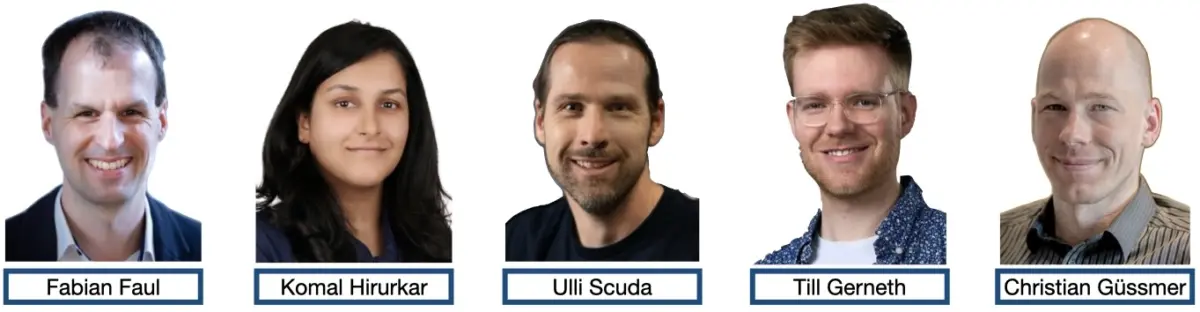
The German section of the Audio Engineering Society (AES Germany) has officially announced the election of its new leadership board, marking a significant transition for the organization that serves as a cornerstone of the professional audio community in Central Europe. In a move that reflects the increasing complexity and vibrancy of the audio engineering landscape, the newly elected members have collectively decided to expand the executive board from four to five seats. This strategic expansion was prompted by an exceptionally strong field of candidates and the recognition that a broader leadership team would better serve the diverse needs of the German audio sector. The new board, which officially took office in mid-October 2026, is comprised of Ulli Scuda, Komal Hirurkar, Till Gerneth, Fabian Faul, and Christian Güssmer. This multidisciplinary team arrives at a pivotal moment for the industry, as advancements in immersive audio, artificial intelligence, and digital networking continue to redefine the boundaries of sound production and reproduction.
A Strategic Expansion Rooted in Candidate Excellence
The decision to increase the number of board seats is an unusual but calculated move for the German section of the AES. Historically, the board has operated with four members, providing a lean structure for decision-making. However, the 2026 election cycle saw a surge in high-caliber applicants from across the spectrum of the audio industry—including academic research, live sound reinforcement, studio production, and broadcast technology. The newly elected officials noted that the breadth of expertise available within the candidate pool was too valuable to ignore. By adding a fifth seat, the board aims to distribute administrative responsibilities more effectively while ensuring that different facets of the industry—ranging from theoretical research to practical application—are represented at the highest level of the section’s governance.
This expansion is also reflective of the growing workload associated with managing one of the most active AES sections in the world. As the professional audio industry in Germany continues to lead in areas such as automotive audio, public address systems, and high-fidelity consumer electronics, the demand for localized workshops, standardized protocols, and networking events has increased. The five-member board is expected to provide a more robust framework for addressing these demands, allowing for more specialized committees and a more proactive approach to member engagement.
Profiles of the New Leadership Team
The new board brings together a blend of seasoned industry veterans and emerging voices, ensuring a balance between institutional knowledge and innovative thinking.
Ulli Scuda is a well-recognized figure in the global audio community, particularly known for his work in immersive audio and spatial sound design. His involvement with major hardware manufacturers and his contributions to the development of 3D audio workflows have made him a sought-after expert for both cinematic and live applications. His presence on the board signals a continued focus on the cutting edge of "next-generation" audio.
Komal Hirurkar represents the vital link between the German audio industry and the global research community. With a background that often intersects with institutions like the Fraunhofer Institute for Integrated Circuits (IIS)—the birthplace of the MP3 and AAC—Hirurkar brings a deep understanding of audio coding, signal processing, and the academic rigors required to advance the science of sound.
Till Gerneth, Fabian Faul, and Christian Güssmer round out the team, bringing extensive experience in broadcast technology, acoustic consultancy, and live event engineering. Their collective expertise ensures that the AES Germany board remains grounded in the practical realities of the professional audio market. Whether it is the integration of AES67 AoIP (Audio over IP) standards in modern broadcast facilities or the optimization of room acoustics for performance venues, these members provide the technical oversight necessary to maintain the section’s reputation for excellence.
Honoring the Legacy of the Outgoing Board
As the new board takes the helm, the organization has expressed profound gratitude to the departing members: Anna, Ralph, and Cornelius. Over their tenure, these individuals navigated the section through a period of rapid digital transformation and the challenges of a shifting global economy. Their leadership was instrumental in maintaining the relevance of AES Germany during times when traditional networking models were being disrupted.
The transition has been described as a collaborative and professional handover. In a testament to their dedication to the society, all three outgoing members have offered to remain available in an advisory capacity. This continuity is expected to be invaluable as the new board settles into its roles, ensuring that ongoing projects—such as the annual Research Colloquium and various student outreach programs—proceed without interruption. The legacy of the previous board is defined by a commitment to inclusivity and the fostering of a tight-knit community of audio professionals across the German-speaking world.
The Role of AES Germany in the Global Landscape
To understand the significance of this board election, one must look at the broader context of the Audio Engineering Society. Founded in 1948, the AES is the only professional society devoted exclusively to audio technology. With approximately 6,000 members spread across more than 75 countries, it serves as the primary body for setting industry standards and disseminating scientific research.
The German section is one of the most influential branches of the global organization. Germany has long been a powerhouse in audio engineering, home to legendary brands such as Sennheiser, Neumann, d&b audiotechnik, and Lake People, as well as world-class research facilities. AES Germany acts as the bridge between these industrial giants and the individual practitioners. By organizing regular technical meetings, factory tours, and specialized workshops, the section ensures that German engineers remain at the forefront of global trends.
One of the flagship initiatives of the German section is the Research Colloquium. This event serves as a unique forum where researchers can present peer-reviewed papers to an audience of practicing engineers. This "science-to-practice" pipeline is essential for the commercialization of new technologies. The new board has indicated that strengthening this colloquium will be a top priority, particularly as the industry grapples with the integration of machine learning in audio production and the ongoing transition to software-defined audio environments.
Chronology of the 2026 Transition
The process leading up to the October 13 announcement followed a strict democratic protocol typical of the society’s bylaws:
- Nomination Phase (Summer 2026): A call for nominations was issued to the membership, resulting in a record number of candidates from diverse backgrounds.
- Election Period (September 2026): Members of the German section cast their votes electronically, selecting the individuals they believed best represented the future of the organization.
- Internal Deliberation (Early October 2026): Following the tallying of votes, the newly elected individuals met to discuss the structure of the board. It was during this phase that the decision to expand to five seats was finalized, citing the "strength of the candidate field."
- Official Announcement (October 13, 2026): The results were made public through official channels, including ProMediaNews and other industry trade publications.
- Inaugural Meeting (Late October 2026): The new board held its first formal session to assign specific roles (such as Chair, Vice-Chair, Secretary, and Treasurer) and to set the agenda for the 2027 fiscal year.
Supporting Data and Economic Context
The expansion of the AES Germany board occurs against a backdrop of steady growth in the professional audio market. Recent industry reports suggest that the European pro-audio market is expected to grow at a CAGR of nearly 5% over the next five years. Germany remains the largest single market in Europe for high-end audio equipment and acoustic services.
The membership of AES Germany reflects this economic importance. While the global membership stands at 6,000, the German-speaking region accounts for a significant and highly active portion of this demographic. Furthermore, the section oversees a large number of Student Sections at various technical universities and film schools. The new board’s focus on "fresh perspectives" is partly aimed at better engaging this younger demographic, ensuring that the next generation of engineers is integrated into the professional network early in their careers.

Analysis of Implications for the Industry
The shift to a five-member board is more than just an administrative change; it is a signal of intent. By diversifying the leadership, AES Germany is positioning itself to be more agile in its response to industry shifts.
First, the inclusion of experts in immersive audio (Scuda) and research (Hirurkar) suggests that the section will lean heavily into the "Audio for XR" (Extended Reality) space. As virtual and augmented reality applications move beyond gaming and into industrial training and telepresence, the need for standardized spatial audio protocols becomes critical.
Second, the expansion allows for a more robust defense of audio quality in an era dominated by convenience-led streaming. AES has historically been a champion of high-resolution audio and objective measurement standards. With more hands on deck, the German board can dedicate more resources to advocacy and education regarding the importance of audio fidelity in both consumer and professional contexts.
Finally, the move ensures better geographical and institutional representation. Germany’s audio industry is spread across various hubs—Berlin’s creative scene, the industrial centers of the south, and the research clusters in the west. A larger board can better coordinate regional events and ensure that the society is not overly centralized in one city.
Future Outlook and Upcoming Initiatives
Looking ahead, the new board faces an ambitious calendar. The upcoming year will likely see an emphasis on the "Green Audio" initiative—a movement within the AES to reduce the carbon footprint of live events and manufacturing. Given Germany’s stringent environmental regulations and the industry’s shift toward sustainability, this is expected to be a major theme for future workshops.
Additionally, the board will be tasked with preparing for major international conventions where AES Germany often plays a hosting or coordinating role. The synergy between the new board members and the outgoing advisors provides a stable foundation for these large-scale projects.
In conclusion, the election and expansion of the AES Germany board represent a forward-thinking response to a thriving and evolving industry. By leveraging the diverse talents of Ulli Scuda, Komal Hirurkar, Till Gerneth, Fabian Faul, and Christian Güssmer, the German section is well-equipped to maintain its status as a global leader in audio engineering excellence. The community now looks forward to a new era of technical innovation, educational outreach, and professional collaboration under this expanded leadership.
