

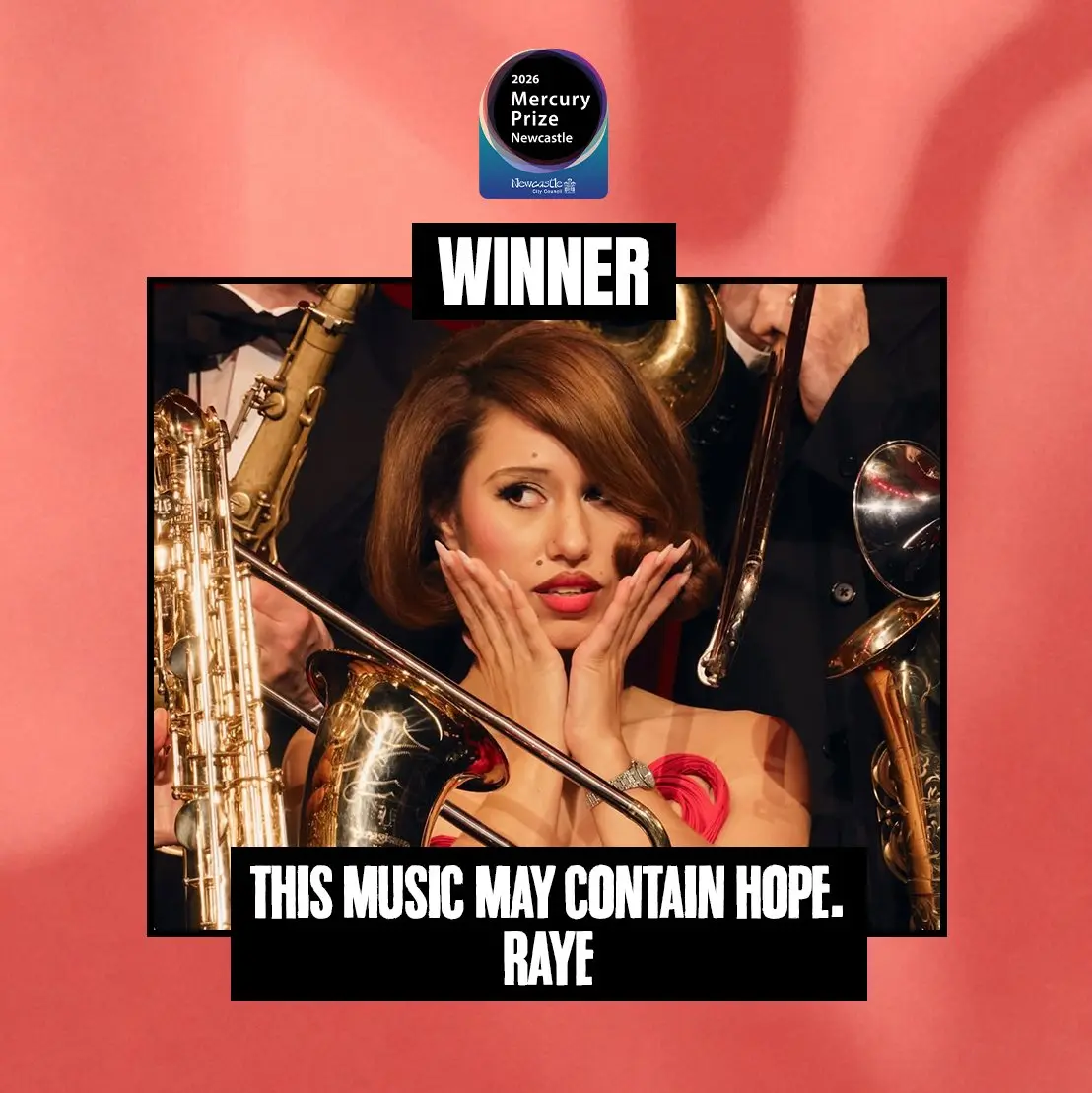
London, UK – In a momentous announcement that reverberated across the global music landscape, Raye has been awarded the prestigious 2026 Mercury Prize for her groundbreaking album, This Music May Contain Hope. The accolade, which recognizes the best album released by a British or Irish artist in the past year, was presented during a star-studded ceremony at the Utilita Arena in Newcastle upon Tyne. Raye’s triumph not only underscores the profound artistic merit of her latest work but also caps a remarkable journey of independent artistry, earning her a £25,000 prize and an indelible place in music history.
The judging panel, a discerning group of prominent music industry figures, lauded This Music May Contain Hope for its "scale, structure, ambition, and sheer charm." Their statement further emphasized Raye’s extraordinary vision, noting, "Raye displays real imagination and scope in showing what an album can be, going beyond any one style or genre to realise her vision. The judges agreed that Raye’s superb album will serve as a huge inspiration for years to come." This commendation highlights the album’s expansive sonic palette and its profound lyrical depth, resonating with critics and audiences alike.
The Mercury Prize: A Beacon of Artistic Excellence
Established in 1992 as an alternative to the more commercially focused BRIT Awards, the Mercury Prize, officially known as the Mercury Music Prize, has consistently championed artistic innovation and integrity over chart performance. Its mission is to identify and celebrate musical artistry, promoting new British and Irish talent to a broader audience. Over three decades, the award has become a crucial barometer for the health and diversity of music originating from the UK and Ireland, often propelling artists from critical acclaim to mainstream recognition.
Previous winners have included a diverse array of genres and artists, from the psychedelic rock of Primal Scream’s Screamadelica (1992) to the soulful narratives of Ms. Dynamite’s A Little Deeper (2002), the indie rock anthems of Arctic Monkeys’ Whatever People Say I Am, That’s What I’m Not (2006), and the grime poetry of Skepta’s Konnichiwa (2016). This rich history demonstrates the prize’s commitment to recognizing groundbreaking work, irrespective of genre or commercial expectation. The judging process is rigorous, involving a rotating panel of musicians, producers, music journalists, broadcasters, and industry executives who meticulously review albums based purely on their artistic merit, originality, and impact. The prestige associated with the Mercury Prize extends beyond the financial reward; it offers unparalleled exposure and a lasting validation of an artist’s creative output.
Raye’s Ascendant Journey and the Genesis of This Music May Contain Hope
Raye’s victory is particularly poignant given her well-documented path to artistic autonomy. Born Rachel Agatha Keen, Raye initially rose to prominence through collaborations with major electronic artists and a string of successful pop singles. However, her early career was also marked by a public struggle for creative control and the freedom to release her debut album with her former record label. Her courageous decision to speak out against restrictive contracts and eventually part ways with Polydor Records in 2021 resonated deeply within the music industry, sparking important conversations about artist rights and creative independence.
This pivotal moment marked a new chapter for Raye, one defined by unwavering self-determination. Her independently released debut album, My 21st Century Blues (2023), was a critical and commercial triumph, earning her multiple BRIT Awards and showcasing her formidable songwriting prowess and genre-bending versatility. It was a raw, honest exploration of personal trauma, mental health, and empowerment, establishing her as an artist unafraid to confront difficult truths.
This Music May Contain Hope, the album now crowned with the Mercury Prize, builds upon this foundation, pushing the boundaries of her artistry even further. Released in late 2025, the album was heralded as a masterful blend of jazz, R&B, pop, and orchestral elements, demonstrating a sophisticated musicality that transcends conventional categorization. Its themes reportedly delve into introspection, resilience, and the fragile beauty of human experience, offering listeners a tapestry of emotions and sonic textures. The album’s title itself, This Music May Contain Hope, hints at a journey through darkness towards light, a narrative arc that mirrors Raye’s own career trajectory. The judges’ praise for its "imagination and scope" and its ability to go "beyond any one style or genre" perfectly encapsulates the ambitious and cohesive vision Raye realized in this work.
During the album’s initial rollout, Raye debuted songs from This Music May Contain Hope at a tour opener, generating significant buzz. Notably, she also publicly addressed an issue concerning an early vinyl pressing of her "new album" (presumably This Music May Contain Hope), apologizing to fans for a non-final mix. This incident, while a minor setback, further underscored her commitment to delivering an uncompromised artistic product and her direct engagement with her fanbase – a testament to the hands-on approach of an independent artist. Ultimately, the Mercury Prize panel heard the definitive, final mix of the album, validating its pristine artistic quality.
A Strong Contender Field: The 2026 Shortlist
The 2026 Mercury Prize shortlist represented a vibrant snapshot of the contemporary British and Irish music scene, featuring a diverse array of established icons and burgeoning talents. Raye’s victory emerged from an exceptionally strong field of twelve nominees, each presenting an album of significant artistic merit.
Among the esteemed nominees were:
- Dave for The Boy Who Played The Harp: A consistent critical darling, Dave continues to push the boundaries of UK rap with his incisive lyricism and profound storytelling.
- Dove Ellis for Blizzard: Known for their evocative soundscapes, Ellis delivered an album praised for its atmospheric depth and innovative production.
- Florence + The Machine for Everybody Scream: Florence Welch and her band showcased their signature ethereal grandeur and powerful vocal performances, reaffirming their status as alt-pop titans.
- Jade for That’s Showbiz, Baby!: An ambitious and fiery solo debut, Jade’s album brought a fresh, theatrical energy to the competition.
- Knats for A Great Day In Newcastle: Representing the burgeoning jazz scene, Knats offered a vibrant and intricate instrumental journey.
- Kojey Radical for Don’t Look Down: A poet and rapper whose work often blends social commentary with deeply personal narratives, Radical presented another compelling artistic statement.
- Nia Archives for Emotional Junglist: A leading voice in the drum and bass resurgence, Nia Archives delivered an energetic and emotionally charged album.
- Olivia Dean for The Art Of Loving: Dean’s album captivated listeners with its soulful melodies and insightful explorations of love and relationships.
- Paul McCartney for The Boys Of Dungeon Lane: A monumental moment, as the legendary Beatle received his first-ever Mercury Prize nomination, demonstrating his enduring creativity and relevance across generations.
- Suede for Antidepressants: The Britpop stalwarts continued to evolve their sound, delivering an album that resonated with both long-time fans and new listeners.
- Various Artists for Help(2): This War Child compilation, featuring contributions from numerous artists, not only highlighted musical talent but also served a crucial charitable purpose, reminding the industry of its potential for social impact.
The breadth of genres – from rap and jazz to pop, rock, and electronic music – underscored the dynamic and innovative spirit of British and Irish artists in 2026. Each nominee contributed to a year of exceptional musical output, making Raye’s ultimate triumph all the more significant.
The Ceremony and Esteemed Panel of Judges
The awards ceremony itself was a celebration of music, hosted in Newcastle upon Tyne, a city increasingly recognized for its vibrant cultural scene. The evening featured electrifying live performances from several of the nominated artists, showcasing the talent that defined the year’s shortlist. Raye herself took to the stage, delivering a captivating rendition of "I Hate The Way I Look Today," a jazzy, emotionally resonant track from her winning album. Her performance was a highlight of the night, further illustrating the depth and versatility praised by the judges. The event followed the previous year’s success, where Sam Fender claimed the 2025 Mercury Prize for his album People Watching, marking another win for an artist from the North East of England.
The formidable panel responsible for the arduous task of selecting the winner comprised a diverse group of highly respected figures from across the music and media industries. Their collective expertise ensured a thorough and balanced evaluation of all nominated albums. The 2026 judges included:
- Afrodeutsche: Composer, DJ, and broadcaster for BBC Radio 3 and Radio 6 Music.
- Danielle Perry: Esteemed broadcaster and musician.
- Jamie Cullum: Internationally renowned musician and BBC Radio 2 broadcaster.
- Lea Stonhill: Highly experienced music programming consultant.
- MistaJam: Acclaimed songwriter, DJ, and broadcaster.
- Phil Alexander: Creative director at Kerrang! magazine and contributing editor for Mojo.
- Sian Eleri: BBC Radio 1 broadcaster and DJ.
- Sophie Williams: Respected music writer and broadcaster.
- Will Hodgkinson: Chief rock and pop critic for The Times.
- Jeff Smith: Head of Music for BBC Radio 2 and BBC Radio 6 Music.
This esteemed group’s unanimous decision to award This Music May Contain Hope solidifies its status as a truly exceptional work of art, destined to leave a lasting impact.
Broader Impact and Implications of Raye’s Victory
Raye’s Mercury Prize win carries significant implications, not only for her burgeoning career but also for the wider music industry. For Raye, this accolade is a monumental validation of her independent artistic path. It underscores the profound success that can be achieved when an artist prioritizes creative integrity and takes control of their narrative. This victory will undoubtedly elevate her global profile, potentially leading to increased international touring opportunities, broader critical attention, and expanded commercial success without compromising her artistic vision. Her journey from major label artist to independent powerhouse, culminating in such a prestigious award, serves as a powerful testament to resilience and self-belief, inspiring countless emerging artists who aspire to creative autonomy.
Furthermore, the judges’ specific praise for the album’s imaginative scope and genre-defying nature suggests a positive shift in how "award-winning" music is perceived. It champions innovation and artistic courage, encouraging artists to experiment and break free from conventional molds. The Mercury Prize continues to affirm its relevance as a platform that truly celebrates artistry over commercial metrics, providing a vital counter-narrative in an industry often dominated by streaming figures and social media trends.
Beyond her musical endeavors, Raye is also set to make her acting debut in Yann Demange’s upcoming thriller, Lineage. The heightened profile and artistic credibility gained from her Mercury Prize win are likely to further enhance interest in her cinematic venture, opening new avenues for her multifaceted talent. The interconnectedness of creative industries means that success in one domain often generates opportunities and recognition in others.
In conclusion, Raye’s triumph at the 2026 Mercury Prize for This Music May Contain Hope is more than just an award; it is a declaration. It celebrates an artist who has defied expectations, navigated challenges with grace, and delivered an album of unparalleled artistic vision and emotional resonance. As the judges predicted, This Music May Contain Hope is poised to inspire for years to come, cementing Raye’s legacy as a true innovator and a beacon of hope for independent artists worldwide.
