

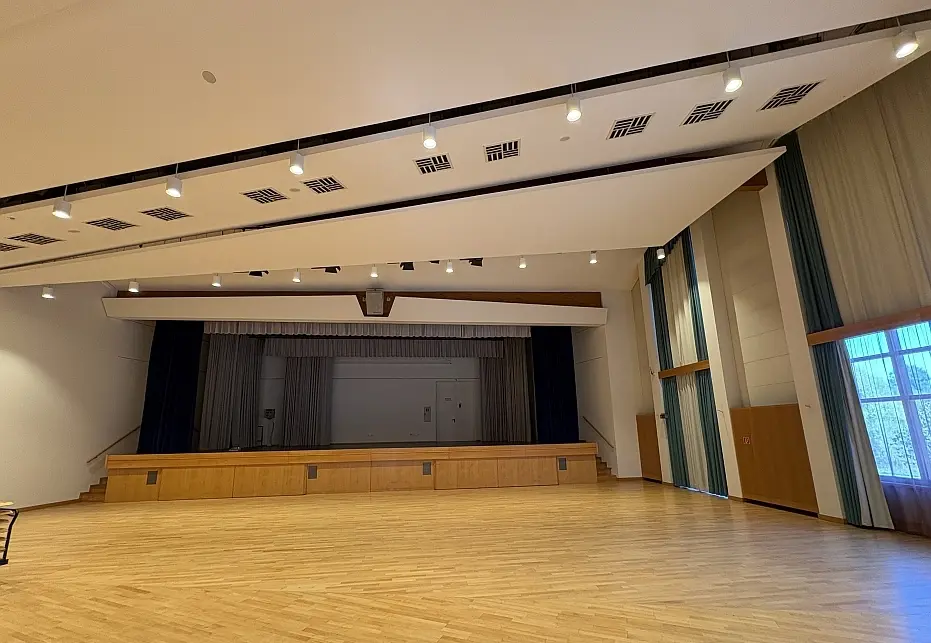
The Bürgerhaus Kottenheim, a central cultural and community hub located in the Mayen-Koblenz district of Rhineland-Palatinate, has successfully completed a comprehensive energy-efficient overhaul of its internal lighting infrastructure. This modernization project, finalized in late 2026, marks a significant milestone for the municipality as it seeks to balance the preservation of its communal heritage with modern sustainability standards. Originally constructed in 1995, the facility has served for nearly three decades as the primary venue for local concerts, theatrical performances, the region’s traditional carnival sessions (Karnevalssitzungen), and various corporate conferences. The recent upgrade, spearheaded by the technical expertise of Feiner Lichttechnik, replaces aging, high-consumption halogen technology with state-of-the-art LED solutions from the manufacturer Electron, significantly reducing the building’s carbon footprint while enhancing the aesthetic quality of its diverse event spaces.
Historical Context and the Necessity for Modernization
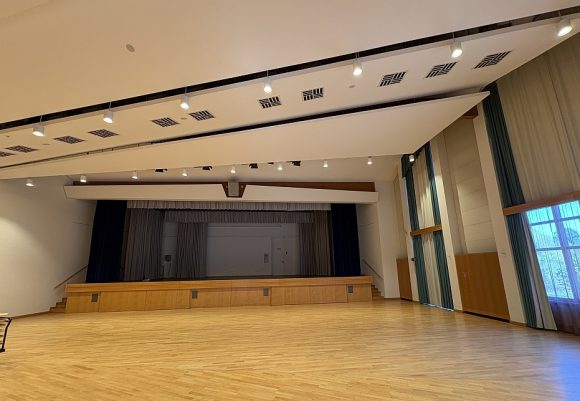
When the Bürgerhaus Kottenheim was inaugurated in 1995, its architectural and technical design reflected the standards of the mid-1990s. The facility features a substantial main hall measuring approximately 275 square meters, complemented by a dedicated 85-square-meter stage. Additionally, the building houses a spacious foyer, a gallery, and various smaller meeting rooms, making it a versatile asset for the local population of approximately 2,800 residents.
For nearly thirty years, the main hall’s ambiance was defined by large pendant luminaires equipped with 200-watt halogen lamps. While these provided the warm, dimmable light necessary for theatrical settings, they were increasingly seen as a liability due to high energy consumption, excessive heat generation, and the frequent maintenance required for halogen bulbs. As municipal energy costs rose and European Union regulations regarding inefficient lighting tightened, the local administration recognized the urgent need for a technical transition. The goal was not merely to replace bulbs but to implement a sophisticated lighting concept that could meet the high color-rendering demands of stage performances while utilizing the existing electrical infrastructure to manage costs.
Strategic Planning and Technical Consultation
The modernization process began with a detailed site inspection and consultation phase conducted by Feiner Lichttechnik. The primary challenge identified during the initial assessment was the requirement to integrate modern LED technology into the building’s legacy electrical framework. Unlike many contemporary renovations that involve stripping out old wiring to install DALI (Digital Addressable Lighting Interface) or DMX control systems, the administration in Kottenheim sought a solution that would allow for the continued use of the original cabling and the existing phase-cut dimming system.
This constraint required a specialized engineering approach. Feiner Lichttechnik proposed a concept that utilized LED drivers capable of high-quality amplitude dimming compatible with traditional phase-cut dimmers. This strategy effectively bypassed the need for invasive and expensive rewiring of the 275-square-meter hall and its surrounding balconies. By opting for a "retrofit" philosophy at the system level, the project minimized downtime for the venue and significantly reduced the total capital expenditure required from the municipal budget.
Chronology of the Installation Phase
The implementation of the lighting concept followed a structured timeline to ensure minimal disruption to the Bürgerhaus’s busy seasonal calendar.
- Initial Consultation and Site Survey: Technical experts from Feiner Lichttechnik performed a comprehensive audit of the existing illumination levels and electrical capacities.
- Concept Development: The team selected a palette of Electron lighting products specifically designed to mimic the warmth of halogen (2,700 Kelvin) while providing superior color rendering (CRI 90).
- Customization Phase: Because the new LED fixtures were often smaller or had different mounting requirements than the 1995 originals, custom adapter rings (Ausgleichsringe) were manufactured for 30 of the downlight positions to ensure a seamless fit into the existing ceiling cutouts.
- Installation and Integration: The physical replacement of the fixtures was carried out, focusing on the main hall’s 33 central pendant lights.
- Calibration and Testing: The final stage involved testing the dimming curves of the new LED fixtures against the old dimming racks to ensure smooth transitions from 0% to 100% brightness without flickering, a common issue when pairing LEDs with legacy phase-cut systems.
Technical Specifications and Product Selection
The core of the upgrade lies in the transition from 200-watt halogen units to 31-watt LED pendants. This represents an 84.5% reduction in power consumption per fixture. The selected product for the main hall was the Talus-PD pendant luminaire by Electron. These 33 units were delivered with project-specific special suspensions to match the architectural height of the hall.
For the secondary areas, including the foyer, the gallery, and the space beneath the balcony, a variety of Electron downlights were utilized:
- 30 Hide-ST18 Downlights: These 18-watt units replaced older recessed lights. The use of adapter rings allowed these to be installed without requiring expensive ceiling repairs or plastering.
- 5 Ronelo Downlights: Integrated into specific architectural transition zones.
- 5 Soul-ADJ Mini-Downlights: These swiveling units were installed to provide targeted accent lighting, adding depth to the room’s visual profile.
A critical technical specification across all fixtures is the color temperature of 2,700 Kelvin and a Color Rendering Index (CRI) of 90. In the context of a multipurpose hall, these figures are vital. A CRI of 90 ensures that colors—particularly skin tones and the vibrant costumes used in the Kottenheim "Karneval"—appear natural and vivid, rather than washed out, which is often a risk with lower-quality LED installations.
Supporting Data: Energy Efficiency and Environmental Impact
The financial and ecological implications of the Kottenheim project provide a compelling case for municipal lighting upgrades. Prior to the renovation, the 33 main pendants alone accounted for a potential load of 6,600 watts (6.6 kW). With the new 31-watt Talus-PD LEDs, that load has dropped to 1,023 watts (approx. 1.02 kW).
If the hall is used for an average of 500 hours of high-intensity lighting per year (accounting for rehearsals, events, and cleaning), the energy consumption for the main pendants drops from 3,300 kWh to approximately 511 kWh annually. At an average German commercial electricity price, this results in significant annual savings. Furthermore, the reduction in heat emission from the LEDs reduces the load on the building’s ventilation systems during summer events, leading to secondary energy savings. From a maintenance perspective, the long lifespan of the Electron LED modules—often rated for 50,000 hours or more—virtually eliminates the labor costs and safety risks associated with changing bulbs in a high-ceilinged public hall.

Community and Cultural Implications
The Bürgerhaus Kottenheim is more than just a building; it is the "living room" of the community. For the local theater groups and carnival societies, the quality of lighting is directly tied to the quality of the audience experience. The new system provides a "theatrical" warmth that preserves the cozy, traditional atmosphere of the hall while offering the precision of modern optics.
Initial reactions from local stakeholders and event organizers have been overwhelmingly positive. The ability to dim the lights smoothly is particularly important for the dramatic transitions required in theater and the atmospheric "entrance marches" of the carnival princes. By successfully integrating these new lights into the old control system, the municipality has demonstrated that "going green" does not have to mean losing the character of a historic or established venue.
Broader Industry Trends and Conclusion
The modernization of the Bürgerhaus Kottenheim reflects a broader trend within the European event technology sector: the "Smart Retrofit." As municipalities face the dual pressures of budget constraints and climate targets, the demand for solutions that reuse existing infrastructure—like the phase-cut dimming cables used here—is rising.
This project serves as a technical blueprint for other mid-sized venues across Germany. It proves that with the right partnership between consultants like Feiner Lichttechnik and manufacturers like Electron, it is possible to achieve professional-grade stage and architectural lighting that is both economically sustainable and technically sophisticated. As the facility enters its fourth decade of service, the Bürgerhaus Kottenheim is now equipped with a lighting system that is fit for the future, ensuring that the community’s cultural traditions will continue to shine brightly, albeit with a much smaller energy footprint.
