

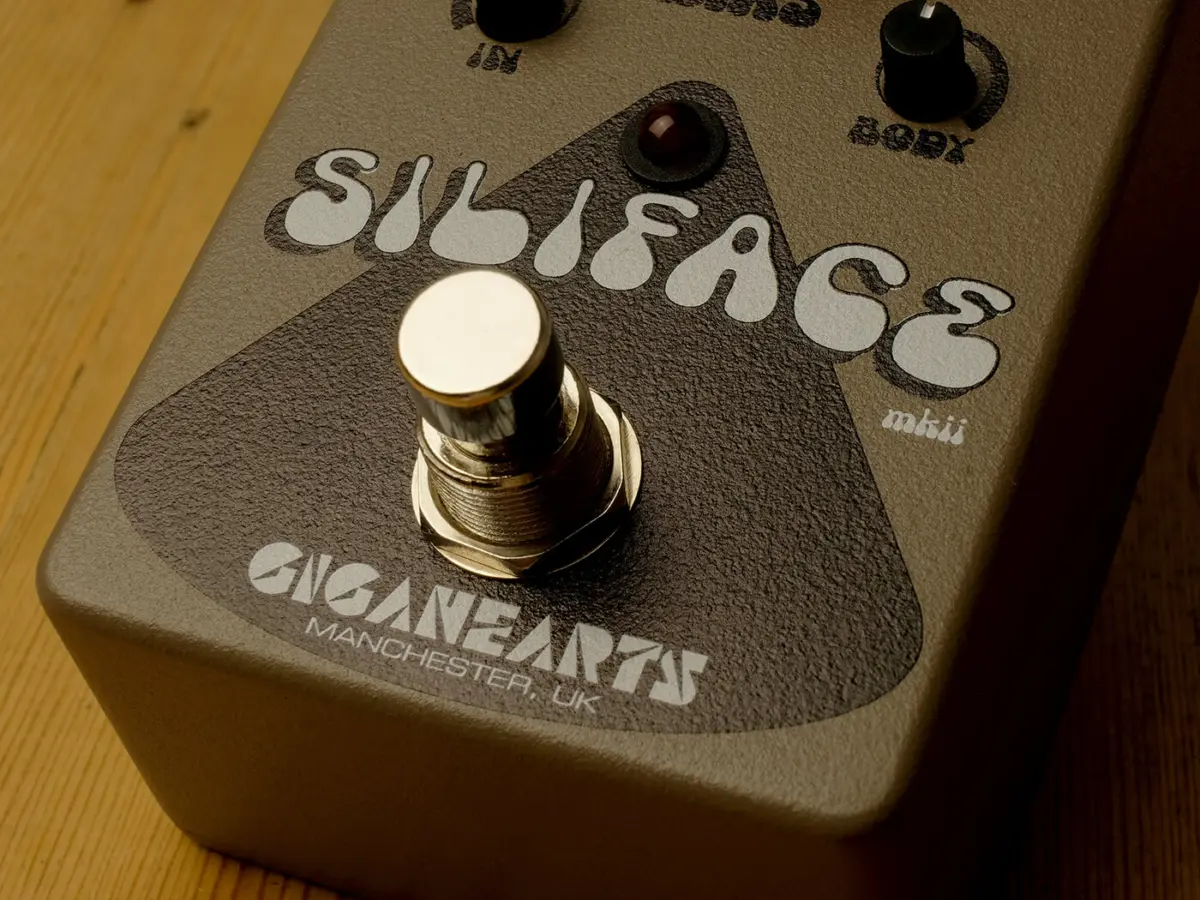
The landscape of guitar effects pedals, particularly the enduring category of fuzz, continues to evolve, pushing the boundaries of classic designs while maintaining reverence for their sonic heritage. In this dynamic environment, Gigahearts FX has introduced the SiIiface MkII, a British-made stompbox that seeks to modernize the iconic silicon Fuzz Face circuit with an expanded feature set and an accessible price point of £115/$156. This release represents a compelling proposition for guitarists seeking both vintage tone and contemporary versatility, challenging the traditional minimalist ethos often associated with fuzz pedals.
The Enduring Legacy of Fuzz: A Historical Perspective
To fully appreciate the innovations of the Gigahearts SiIiface MkII, it is essential to understand the historical context from which the Fuzz Face emerged. The genesis of fuzz tones can be traced back to the early 1960s, often as a result of accidental amplifier damage or deliberate circuit manipulation by engineers seeking novel sounds. Early pioneers like Link Wray inadvertently created distorted sounds that captivated audiences, paving the way for dedicated fuzz effects.
The Arbiter Fuzz Face, introduced in 1966, quickly became a cornerstone of psychedelic and rock music. Its distinctive circular enclosure and straightforward two-knob interface (Fuzz and Volume) made it instantly recognizable. Initially, the Fuzz Face utilized germanium transistors, known for their warm, smooth, and often temperamental tonal characteristics. However, due to inconsistencies in germanium transistor supply and their susceptibility to temperature fluctuations, Arbiter transitioned to silicon transistors around 1968. This shift marked a significant tonal evolution; silicon Fuzz Faces were generally brighter, raspier, and offered higher gain and more stable performance. This silicon variant became synonymous with the explosive sounds of legendary guitarists such as Jimi Hendrix, cementing its place in the pantheon of essential guitar effects.
Despite its iconic status, the Fuzz Face’s inherent simplicity, while lauded by purists for its directness and organic interaction with a guitar’s volume knob, also presented limitations. The fixed bias and lack of granular tone control meant players often had to accept the circuit’s inherent characteristics, rather than extensively sculpting their desired fuzz texture. This simplicity, however, has often been part of its charm, fostering a "set it and forget it" approach that prioritizes pure, unadulterated fuzz.
Gigahearts FX: Bridging Vintage Tone with Modern Utility
The Gigahearts SiIiface MkII directly addresses these perceived limitations by taking the foundational silicon Fuzz Face circuit and integrating a suite of contemporary tone-shaping options. This approach acknowledges the strong argument for simplicity in fuzz design but offers a compelling alternative for those who desire greater sonic flexibility without sacrificing the core character of the classic effect. The pedal arrives on the market at a notably competitive price for a British-made unit, suggesting an effort to democratize advanced fuzz capabilities.
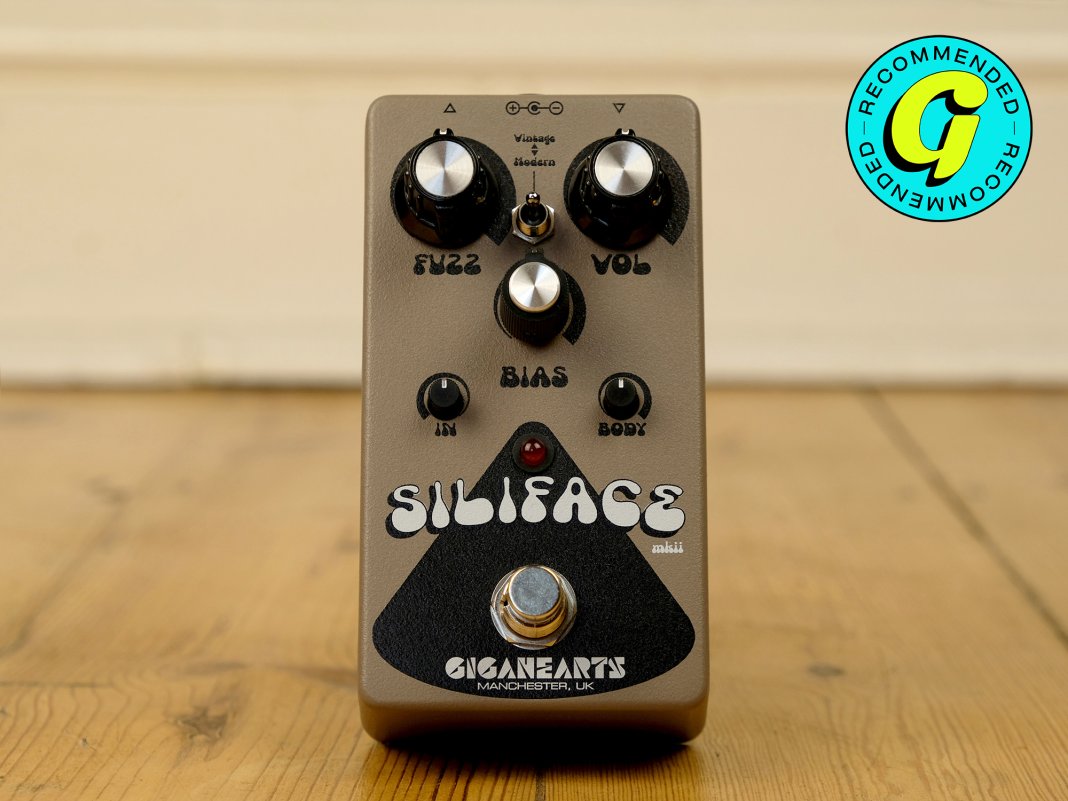
At its core, the SiIiface MkII is built upon the silicon version of the Arbiter Fuzz Face, renowned for its brighter, more aggressive, and articulate fuzz characteristics compared to its germanium predecessor. However, Gigahearts has transcended a mere replication by incorporating a host of controls that propel the circuit into the 21st century.
Beyond the standard Fuzz and Volume knobs, the SiIiface MkII introduces:
- Bias Control: An additional knob dedicated to setting the bias of the second transistor. This is a crucial addition, as transistor biasing significantly impacts a fuzz pedal’s harmonic content, sustain, and response. Manipulating the bias allows users to dial in tones ranging from smooth, sustained fuzz to spluttering, gated effects, offering a degree of control traditionally found only in high-end boutique or modified Fuzz Face circuits.
- Input Gain Control: A mini-knob for adjusting the input gain. This feature provides a more precise way to manage the saturation level, allowing players to fine-tune how their guitar’s signal hits the fuzz circuit. It can gently cool down the overall gain for a more open feel, complementing the guitar’s own volume knob for nuanced clean-up.
- Bass Response Control ("Body"): Another mini-knob dedicated to adjusting the low-end response. This addresses a common criticism of some Fuzz Face iterations, which can sometimes be perceived as either too bass-heavy and muddy or lacking in foundational low-end punch. The "body" control allows users to thicken the low end for a more robust sound or tighten it for greater clarity, making the pedal adaptable to various amplifier setups and musical contexts.
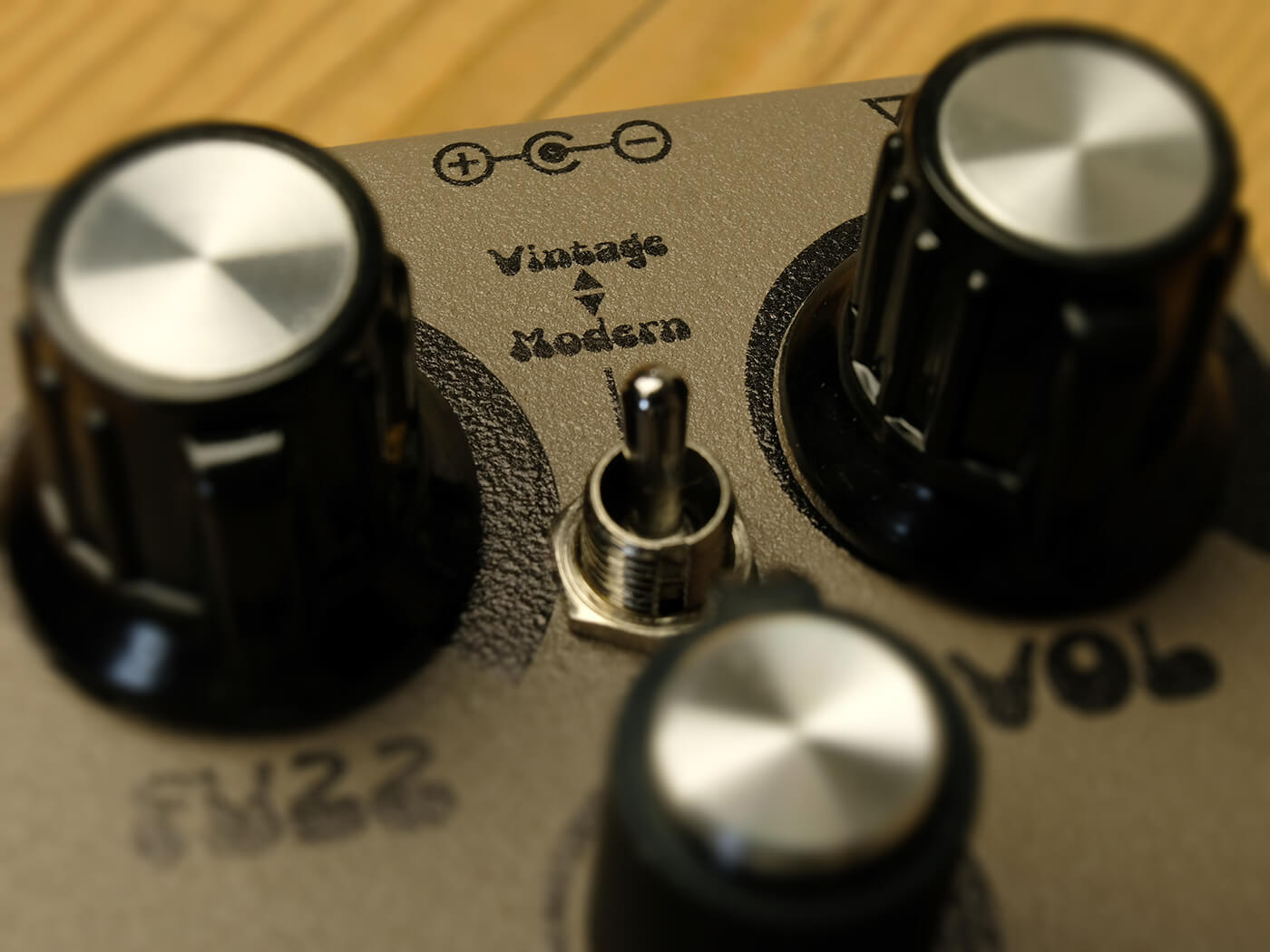
- Vintage/Modern Toggle Switch: Tucked centrally on the pedal, this switch reconfigures the output stage of the circuit. In "Vintage" mode, it aims to deliver the classic compressed and harmonically rich output characteristic of the original Fuzz Face, echoing the tones favored by Hendrix. Switching to "Modern" mode reconfigures the output for increased headroom, resulting in a clearer, more strident tone with less compression, making it suitable for louder applications or for players who prefer a less saturated, more open fuzz sound.
Exceptional Build Quality and User Experience
Despite its accessible price point, the Gigahearts SiIiface MkII does not compromise on build quality or user-centric features. The construction exudes a robust and professional feel, challenging the notion that advanced features and solid craftsmanship are exclusive to premium-priced boutique pedals.
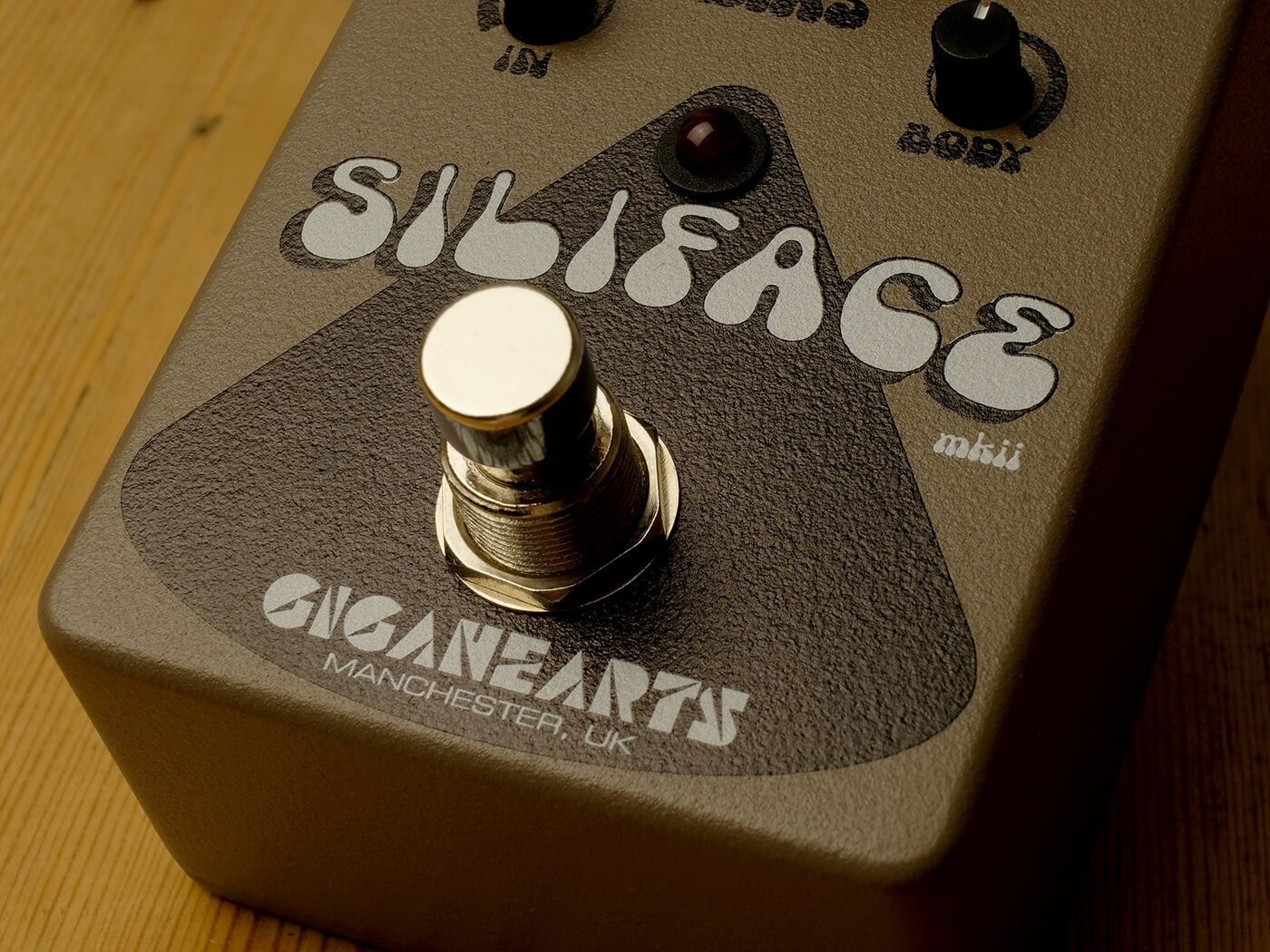
A standout feature is the relay-based soft-touch footswitch. Unlike traditional mechanical true bypass switches, this modern design offers several advantages: enhanced durability, silent operation, and a smoother engagement feel. Furthermore, it includes an innovative option for momentary use – holding the footswitch engages the effect, which then reverts to bypass as soon as the foot is lifted. This functionality is particularly useful for adding short bursts of fuzz or for rhythmic effects. While the reviewer noted a slight "pop" during switching, it is clarified that this is only audible when no instrument is being played, suggesting it is negligible in a performance setting.
The pedal’s usability is also highly intuitive. Although a manual is provided, the logical layout of controls means most users will likely find it unnecessary. The suggested starting point of maximum fuzz, a common approach for many fuzz enthusiasts, encourages immediate sonic exploration.
Adding to the list of unexpected premium features at this price point is an internal trimpot for adjusting the intensity of the bypass LED. This thoughtful detail allows users to customize the brightness of the indicator light, accommodating different stage lighting conditions or personal preferences, a testament to Gigahearts’ attention to detail and commitment to player experience.
Unleashing Diverse Fuzz Tones: A Sonic Exploration
The Gigahearts SiIiface MkII excels in its primary mission: delivering a classic silicon Fuzz Face sound with remarkable ease and then expanding upon it dramatically. Initial tests confirm that achieving a quintessential silicon Fuzz Face tone is a rapid process. With the pedal set to "vintage" mode and the mini-knobs at a neutral position, the SiIiface MkII produces a smooth, balanced, and powerful fuzz. It offers a substantial gain without being overly aggressive, with a sweetened midrange that avoids excessive scooping. While the reviewer noted it might miss a subtle hint of the "easy freshness" of a perfectly tuned thoroughbred silicon Fuzz Face, this minor trade-off is more than compensated by the extensive tone-shaping capabilities it unlocks.
The individual controls each contribute significantly to the pedal’s sonic palette:
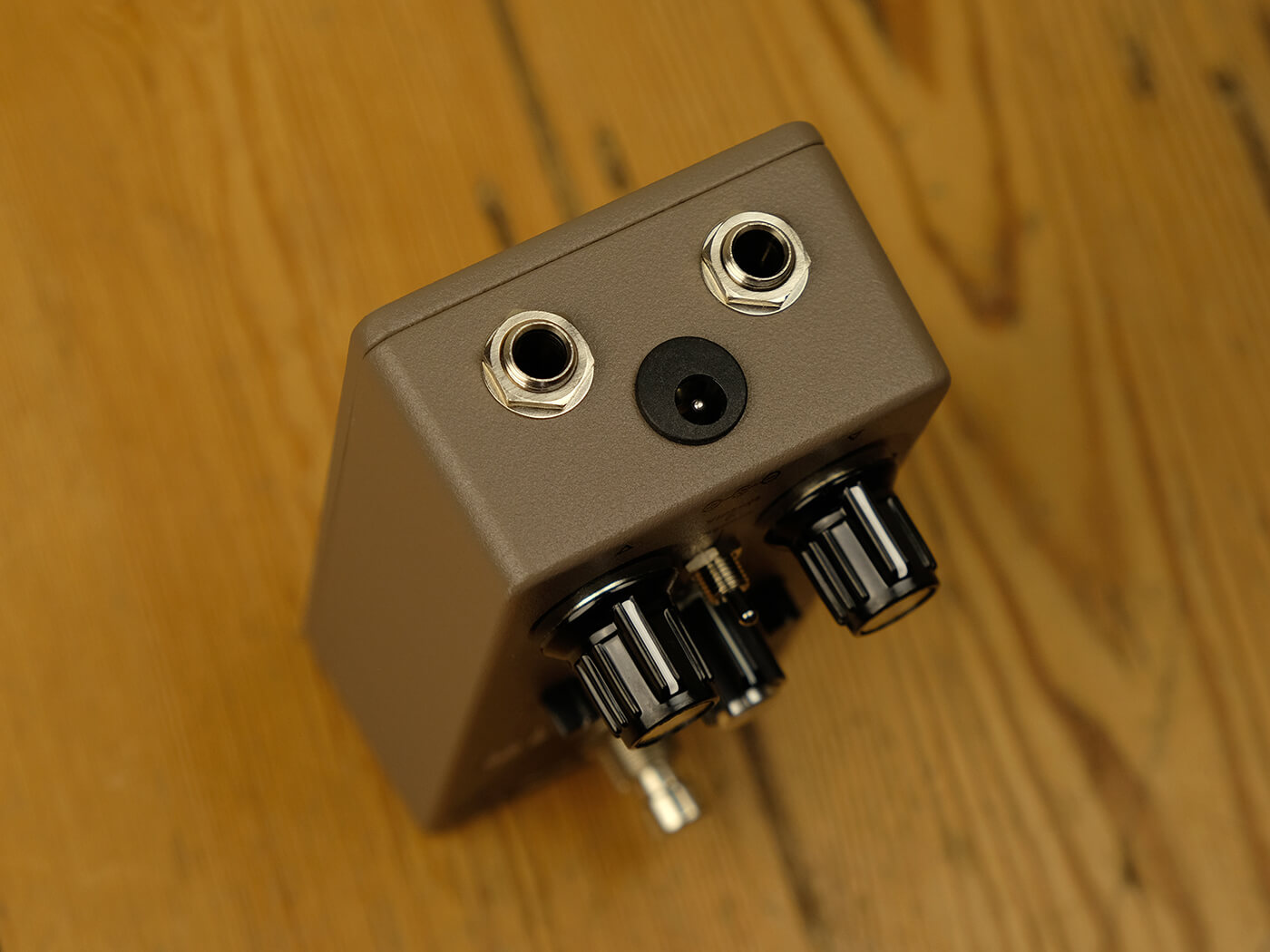
- Input Gain ("In"): This dial functions effectively like a pre-gain control. Turning it up subtly cools down the overall gain, providing a more open and less compressed feel. This allows for a finer degree of control over the fuzz’s attack and sustain, making it easier to integrate the pedal into various signal chains. It also works synergistically with the guitar’s volume knob, enhancing the pedal’s dynamic response and clean-up capabilities.
- Bass Response ("Body"): As anticipated, this control profoundly impacts the low end. Increasing the "body" knob thickens the low frequencies, adding a satisfying "whump" or girth to the fuzz, ideal for heavier riffs or when a more substantial sonic presence is desired. Conversely, rolling it back can tighten the low end, improving clarity and articulation, particularly in dense mixes.
- Vintage/Modern Switch: This toggle delivers on its promise. The "Modern" setting significantly boosts the output and imparts a clearer, more strident character to the fuzz. This mode offers increased headroom, which can be beneficial for players who find traditional Fuzz Face circuits too compressed or who need to cut through a mix more aggressively. The "Vintage" mode, in contrast, offers the classic, slightly more compressed and harmonically rich experience.
- Bias Knob: This control emerges as the true star of the SiIiface MkII. Its ability to adjust the operating point of the second transistor opens up a vast array of tonal textures. At one extreme, players can achieve aggressive, sputtering, and gated fuzz effects, reminiscent of dying battery sounds. However, the true magic lies in setting the bias precisely at the "edge of the gating point." This sweet spot, easily identifiable by listening for a subtle drop-off in background hiss, yields a uniquely "sticky" and harmonically rich sound. This setting provides thick, controlled chords with exceptional sustain and a nuanced attack, making it suitable for both lead lines and rhythm work.
The cumulative effect of these controls is a fuzz pedal that is far more versatile than its two-knob ancestors. It can move beyond the archetypal Jimi Hendrix tones to deliver everything from tight, classic rock fuzz to experimental, glitchy textures, and thick, sustained soundscapes.
Market Position and Broader Implications
The Gigahearts SiIiface MkII enters a highly competitive fuzz pedal market, a segment crowded with both faithful reproductions and radical reinterpretations of classic circuits. Its unique selling proposition lies in offering an advanced, feature-rich silicon Fuzz Face variant at a price point that undercuts many of its boutique counterparts.
For guitarists considering their initial foray into the world of 60s-style fuzz, the SiIiface MkII presents an almost irresistible option. Its extensive tone-shaping capabilities mean that a beginner is not locked into a single sonic profile but can explore a wide spectrum of fuzz sounds within a single unit. This versatility makes it an excellent "first fuzz" pedal, offering a broad educational experience in how different parameters affect fuzz character.
Beyond beginners, experienced players seeking a modern take on a classic, or those who have found traditional Fuzz Faces too restrictive, will find the SiIiface MkII highly appealing. Its advanced controls, particularly the bias and bass response, provide the tools needed to tailor the fuzz to specific guitars, amplifiers, and musical genres.
Furthermore, the "British-made" aspect carries significant weight, particularly for consumers in the UK. It represents an opportunity to support local manufacturing and craftsmanship without incurring the premium often associated with boutique, domestically produced effects. This aligns with a growing consumer preference for locally sourced and ethically produced goods.
The Gigahearts SiIiface MkII also signals a potential trend in the effects pedal industry: the democratization of advanced features. Historically, granular control over parameters like bias, input gain, and output headroom were often found only in high-end, hand-wired, or customized pedals. Gigahearts’ ability to integrate these features into an affordably priced, mass-produced (albeit British-made) unit suggests that players can increasingly expect more sophisticated control options in mainstream offerings. This could lead to a broader market shift where versatility becomes a standard expectation, even for classic circuit interpretations.
Alternatives in the Fuzz Landscape
While the Gigahearts SiIiface MkII offers a unique blend of features and value, several other pedals provide enhanced fuzz experiences:
- SolidGoldFX If 6 Was 9 MkII ($199/£199): This pedal represents another compelling option for enhanced tweakability within the silicon Fuzz Face lineage. It adds bias, voltage, and saturation knobs, providing a different array of controls to sculpt the fuzz tone. Its higher price point reflects a different approach to feature set and component selection.
- Strymon Canoga ($199/£199): For those who still prefer a more straightforward, yet impeccably voiced fuzz, the Strymon Canoga offers a premium two-knob experience. While lacking the extensive controls of the SiIiface MkII, Strymon’s reputation for sonic excellence and high-quality components ensures a killer sound for purists.
- Crazy Tube Circuits Triptychon (€299/£269/$359): On the more extreme end of complexity, the Triptychon is a beast of a pedal, combining a silicon-based Fuzz Face circuit with three distinct Tone Benders, an overdrive, and additional features. It caters to players who desire a comprehensive fuzz and overdrive workstation in a single unit, albeit at a significantly higher price point.
Conclusion
The Gigahearts SiIiface MkII transcends the label of merely "another Fuzz Face clone." It stands as a thoughtfully engineered and executed modernization of a timeless circuit, offering unparalleled versatility and control at an exceptionally competitive price. Its robust build quality, innovative user features like the momentary soft-touch footswitch and internal LED trimpot, and comprehensive tone-shaping capabilities make it a highly recommended option. Whether for a beginner exploring the vast world of fuzz or a seasoned veteran seeking a flexible and inspiring tool, the SiIiface MkII delivers a powerful, adaptable, and proudly British-made fuzz experience that represents significant value and a potential harbinger of future pedal design trends.
