

The modern music industry operates within a digital landscape where the "link in bio" has evolved from a simple directory of URLs into a sophisticated, multi-functional storefront and engagement hub. As social media platforms like Instagram and TikTok continue to restrict users to a single external link, the strategic importance of that destination has become a primary focus for music marketing professionals. Jesse Cannon, a prominent music marketing expert and author of the influential guide Get More Fans, recently conducted an extensive analysis of various link in bio platforms, concluding that Koji represents a significant shift in how independent musicians, producers, and instrumentalists manage their digital identities and revenue streams.
The Strategic Importance of the Digital First Impression
In the contemporary creator economy, the transition from a casual viewer to a committed fan often occurs at the point of the initial click. Marketing data suggests that user friction—the number of steps or clicks required to complete an action—is the leading cause of audience drop-off. Jesse Cannon emphasizes that the "first impression" is the most frequently overlooked aspect of fan base construction. A cluttered or purely utilitarian link tree can signal a lack of professionalism, whereas a curated, interactive experience can validate an artist’s brand.

The transition from traditional websites to link in bio solutions was born out of necessity. In the early 2010s, artists maintained complex, expensive websites that were often poorly optimized for mobile devices. As mobile traffic began to account for over 50% of global web usage, and social media apps became the primary discovery engines for music, the need for a "mobile-first" landing page became undeniable. Koji addresses this by providing a framework that functions as a lightweight, personalized website that requires no coding knowledge and offers a seamless experience within the social media app’s internal browser.
Technical Infrastructure and the Mini-App Ecosystem
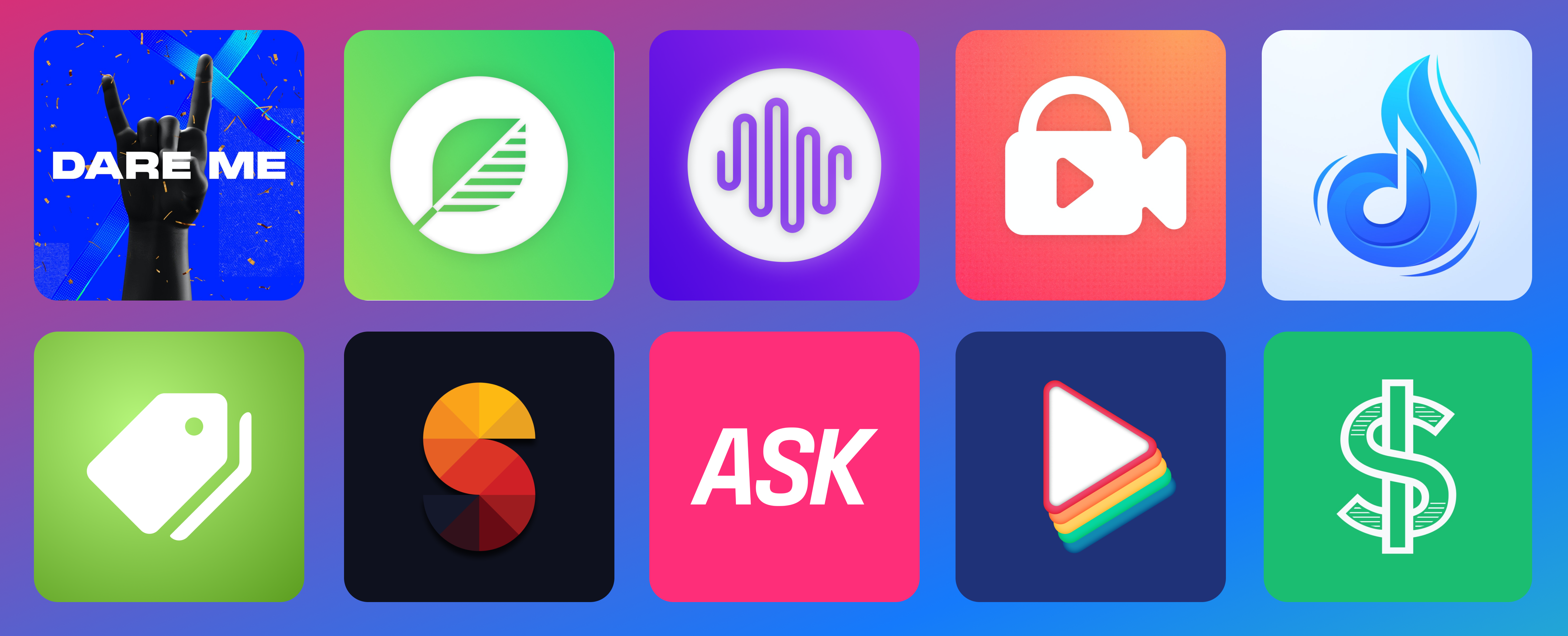
A defining characteristic of the Koji platform is its move away from static hyperlinking toward a "mini-app" architecture. Unlike traditional link aggregators that redirect users away from the social media environment to external sites like Patreon, Shopify, or PayPal, Koji hosts these functionalities natively through web-based applications. This distinction is critical for conversion rates; when a user is forced to leave an app and wait for a new browser window to load, the likelihood of abandonment increases significantly.
Jesse Cannon notes that these mini-apps do not require downloads from the iOS or Android app stores. They are essentially sophisticated web components that load instantly. For a musician, this means a fan can listen to a new single on Spotify, purchase a limited-edition digital download, and sign up for a mailing list without ever closing the Instagram or TikTok interface. This "single-session" conversion strategy is a hallmark of high-level digital marketing and is now being democratized for independent artists.

Monetization and the Disintermediation of the Music Business
The economic implications of Koji’s model are substantial for independent creators. Traditional storefronts and fan-support platforms often take a significant percentage of an artist’s revenue, sometimes ranging from 5% to 30%, in addition to credit card processing fees. By utilizing Koji’s built-in monetization apps, creators can often retain a higher percentage of their earnings.
Specific apps highlighted by industry analysts include:
- Locked Content Apps: These allow musicians to hide exclusive behind-the-scenes footage, unreleased demos, or high-quality tabs behind a "paywall" or an email signup.
- Tip Jars and Digital Busking: A direct way for fans to support artists during live streams or after discovering a new track.
- Video Shoutouts: A streamlined alternative to platforms like Cameo, where musicians can sell personalized messages or music critiques directly to their audience.
- Beat Stores: For producers, the ability to sell instrumental tracks directly through a social media profile bypasses the need for complex third-party e-commerce integrations.
Chronology of the Link in Bio Evolution
The trajectory of the link in bio industry reflects the broader shifts in web development and social media behavior over the last decade.

- The Hyperlink Era (2010-2016): Artists used a single link to point to their official website or a specific music video on YouTube.
- The Aggregator Era (2016-2019): Platforms like Linktree emerged, allowing artists to list multiple buttons. While effective for organization, these pages were static and lacked branding depth.
- The App-Integrated Era (2020-Present): Koji and similar platforms introduced the concept of the "Social Storefront." The focus shifted from "where to go next" to "what to do here."
This evolution has been accelerated by the rise of the "Creator Economy," which is currently valued at over $250 billion. As more individuals seek to monetize their creative output independently of major labels or traditional distributors, the demand for sophisticated, low-cost infrastructure has skyrocketed.
Implementation Strategies for Maximizing Reach
To effectively utilize a supercharged link in bio, Jesse Cannon and other digital strategists suggest a five-pillar approach to profile construction. The objective is to balance aesthetic appeal with functional utility.
First, the visual hierarchy must prioritize the most current or high-value call to action (CTA). If an artist is promoting a new tour, the ticket link should be visually distinct and positioned at the top. Second, the use of rich media, such as video backgrounds or high-resolution graphics, helps maintain the artist’s brand identity. Third, the integration of data tracking tools—such as Facebook Pixels or Google Analytics—allows artists to see not just how many people clicked their link, but what actions they took afterward. This data is invaluable for "retargeting" fans with advertisements later.
Fourth, the "Value Exchange" model is encouraged. Instead of simply asking for money or follows, artists are urged to offer something in return, such as a free download in exchange for an email address. This builds a "first-party" database, which protects the artist against future changes in social media algorithms. Finally, regular updates are essential. A link in bio that features an "upcoming" show from six months ago serves as a deterrent to new fans, signaling a lack of activity.
Broader Industry Implications and Future Outlook
The endorsement of platforms like Koji by experts such as Jesse Cannon signals a broader trend toward "Digital Sovereignty" for artists. For decades, the music industry was gatekept by entities that controlled distribution and fan access. Today, the challenge is not distribution—which is nearly universal through streaming—but the ownership of the fan relationship.
By centralizing all interactions into a single, artist-owned hub, musicians are less dependent on the shifting sands of platform algorithms. If a social media platform loses popularity or changes its terms of service, an artist with a robust Koji profile and an exported email list can migrate their audience with minimal friction.
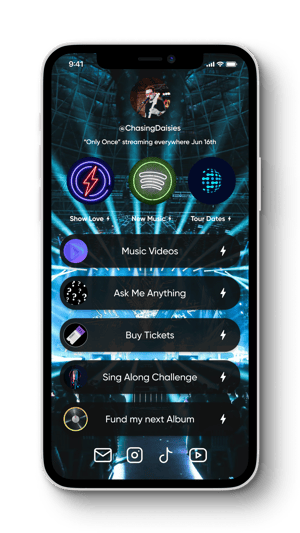
Furthermore, the integration of Web3 and blockchain technologies into these hubs is the next logical step. Analysts expect to see more apps that allow for NFT gating, where only fans holding a specific digital token can access certain areas of the link in bio. This would further deepen the "super-fan" ecosystem, allowing artists to reward their most loyal supporters with exclusive experiences.
In conclusion, the shift toward sophisticated link in bio solutions is not merely a technical upgrade; it is a strategic repositioning of the artist as a business entity. As Jesse Cannon’s analysis suggests, the ability to create a professional, multi-functional digital storefront in minutes allows musicians to spend less time on technical management and more time on creative production. In an attention economy, the platform that can most effectively capture and convert that attention into a lasting relationship will inevitably become the industry standard. Koji’s current trajectory suggests it is well-positioned to remain at the forefront of this digital revolution, providing the necessary tools for the next generation of musical talent to thrive independently.
