

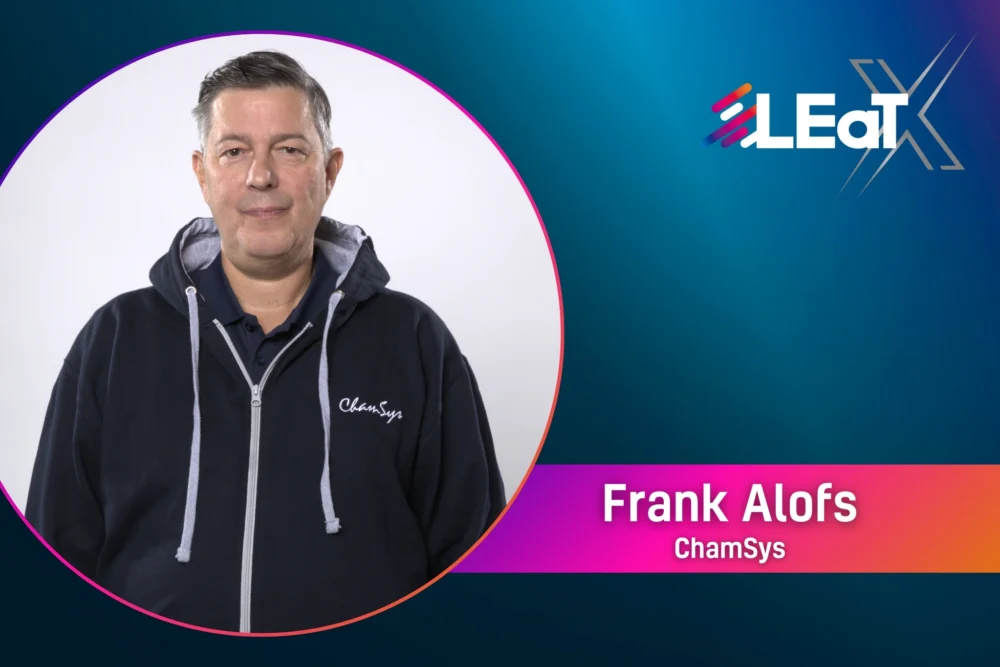
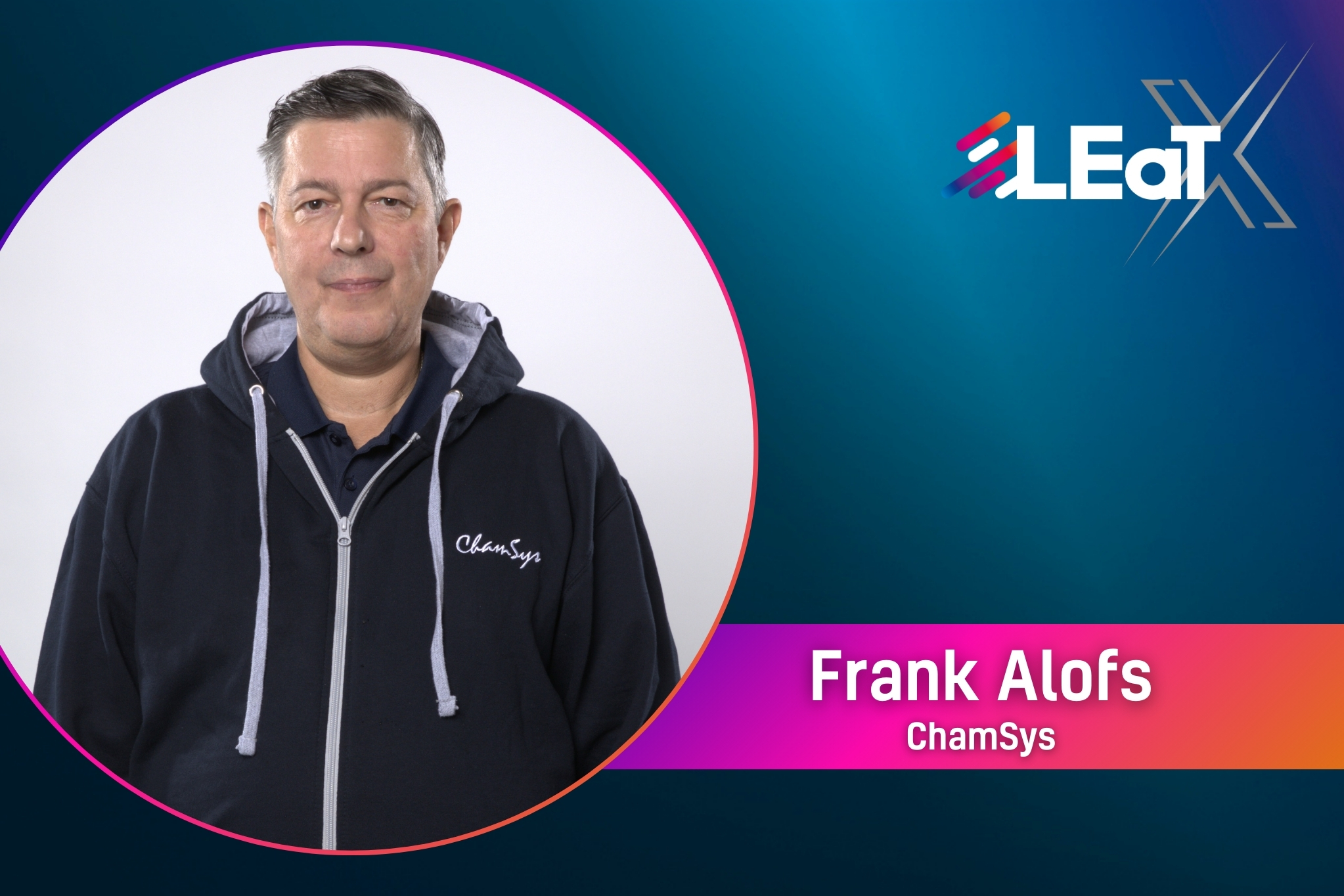
The evolution of professional lighting design has reached a critical juncture where the complexity of modern visual productions must be balanced against the shrinking timelines of global touring schedules. On March 4, 2026, the LEaT X event in Munich will address these operational challenges through a specialized technical session featuring Frank Alofs of ChamSys Germany. This presentation, scheduled to take place on the Main Stage of the Dampfdom Motorworld Munich, is designed to provide lighting professionals with a comprehensive roadmap for utilizing Group Cues within the ChamSys MagicQ ecosystem. As touring environments become increasingly unpredictable, the ability to adapt sophisticated light shows to varying stage dimensions and fixture inventories has become a prerequisite for success in the live entertainment industry.
The Strategic Importance of LEaT X in the Event Technology Sector
LEaT X serves as a specialized networking and knowledge-sharing platform, acting as a focused extension of the larger LEaT Con convention. While major trade fairs often focus on hardware debuts, LEaT X prioritizes the dissemination of practical workflows and "hands-on" expertise. The 2026 edition, hosted in the historic and architecturally significant Dampfdom at Motorworld Munich, reflects the industry’s shift toward localized, high-intensity educational summits.
The choice of Munich as the host city is significant, given Bavaria’s status as a central hub for media production and live events in Central Europe. The Dampfdom venue provides a unique backdrop that mirrors the challenges of modern touring: a space that demands high-caliber technical integration within a non-traditional architectural footprint. For professionals attending the event, the focus remains squarely on operational efficiency—how to deliver a world-class visual experience while minimizing the "crunch time" typically associated with daily load-ins and system calibrations.
Technical Deep Dive: The Role of Group Cues in MagicQ
At the heart of Frank Alofs’ upcoming presentation is the concept of Group Cues, a powerful feature within the ChamSys MagicQ software suite. Historically, lighting programming was often "hard-coded" to specific DMX addresses and fixed lighting plots. This traditional approach frequently resulted in catastrophic failures or hours of manual reprogramming when a tour moved from a stadium to a smaller theater, or when local rental house substitutions changed the fixture types on the rig.
Group Cues introduce a layer of abstraction that separates the creative intent of the lighting designer from the physical hardware of the rig. By referencing groups of fixtures rather than individual units, the MagicQ system allows designers to "swap" entire sections of a lighting rig without losing the underlying programming logic. During the 15:30 to 16:00 slot on March 4, Alofs will demonstrate how this modular approach allows for "cloning and morphing"—the process of taking a show designed for one set of lights and instantly translating it to another.
The technical advantages of this workflow are multi-faceted:
- Fixture Independence: The programming focuses on the "intent" (e.g., "all wash lights in blue") rather than the specific DMX values of a particular brand of moving head.
- Scalability: Shows can be expanded or contracted based on the venue size by simply updating the group definitions.
- Data Integrity: By using Group Cues, the risk of "breaking" a show during a high-pressure setup is significantly reduced, as the core cue timing and FX engines remain untouched by the physical hardware changes.
The Reality of Modern Touring: Time and Resource Management
The live event industry has seen a dramatic shift in its economic and logistical landscape over the last five years. Logistics costs for international tours have risen by an estimated 25-40% since 2020, leading to a demand for leaner crews and faster setup times. In this environment, the "daily operation" of a lighting director is no longer just about artistic flair; it is about technical resilience.
Frank Alofs’ session is specifically tailored to the "Daily-Betrieb" (daily operation) aspect of touring. In a typical festival scenario, a guest lighting designer may only have 30 to 60 minutes to "patch" their show into the house rig. Without a modular programming structure like Group Cues, achieving a coherent show under these constraints is nearly impossible. Alofs will present praxis-proven workflows that have been tested in the field, showing how designers can maintain "stable and scalable" programming even when the local equipment varies significantly from the original rider.
Industry data suggests that lighting designers who utilize modular programming structures can reduce their onsite preparation time by up to 50%. This efficiency not only reduces the stress on the technical crew but also provides a more consistent experience for the audience, regardless of the venue’s limitations.

Profile: Frank Alofs and the ChamSys Philosophy
Frank Alofs has long been a prominent figure in the German lighting community, serving as a bridge between the software development team at ChamSys and the end-users in the field. ChamSys, a company founded by lighting designers for lighting designers, has built its reputation on providing high-performance control solutions that do not require the massive financial investment of some of its competitors.
The ChamSys philosophy has always been rooted in "the designer’s workflow." By focusing on features like the "Execute" window and advanced "Morphing" capabilities, the company has carved out a significant market share in the touring and festival sectors. Alofs’ role in Germany involves not only sales and support but also the education of the next generation of lighting technicians. His presentation at LEaT X is an extension of this educational mission, aiming to elevate the standard of touring programming across the region.
Chronology of the Event and Session Details
The presentation is structured to maximize the 30-minute window, providing a high-density transfer of knowledge. The chronology of the session is expected to follow a logical progression:
- 15:30 – 15:35: Introduction to the "Touring Problem" and the limitations of static programming.
- 15:35 – 15:45: Live demonstration of Group Cue creation and management within the MagicQ interface.
- 15:45 – 15:55: Real-world scenarios: Demonstrating how to adapt a complex show to a completely different fixture setup in under ten minutes.
- 15:55 – 16:00: Summary of best practices for "touring-taugliche" (tour-ready) show files and a brief Q&A session.
This schedule reflects the fast-paced nature of the LEaT X environment, where attendees often move between various technical stages to gather insights across different disciplines of event technology, including audio, video, and rigging.
Broader Implications for the Live Entertainment Industry
The shift toward modular programming as presented by Alofs is indicative of a broader trend in the industry: the professionalization of data management. As lighting rigs become more complex, incorporating thousands of parameters and integrating with media servers and automated tracking systems, the "human element" of programming must become more efficient to keep pace.
Furthermore, the adoption of standardized workflows like those found in MagicQ Group Cues supports the industry’s move toward sustainability. By reducing the time required for technical rehearsals and "dark time" in venues, productions can lower their energy consumption and labor costs. The ability to "reproduce shows safely" also ensures that the creative vision of the artist is preserved, which is the ultimate goal of any technical production.
Official responses from the event organizers at LEaT suggest that sessions like Alofs’ are the primary draw for the 2026 event. "Our goal is to provide immediate value," a spokesperson for the event stated. "When a technician leaves the Dampfdom, they should have a new tool in their kit that they can use at their very next gig."
Conclusion: Preparing for the Future of Light Programming
As the industry prepares for the March 4 event, the focus remains on the practical application of technology. The presentation by Frank Alofs is more than just a software tutorial; it is a masterclass in modern production strategy. For lighting directors, technicians, and production managers, understanding the intricacies of Group Cues in ChamSys MagicQ is a vital step toward mastering the art of the tour.
In an era where "the show must go on" despite technical hurdles and time constraints, the modular, scalable, and stable workflows demonstrated by Alofs will likely become the gold standard for the industry. Attendees of LEaT X can expect to walk away with a deeper understanding of how to build shows that are not only visually stunning but also technically bulletproof, ensuring that the spectacle remains consistent from the first night of the tour to the last.
