

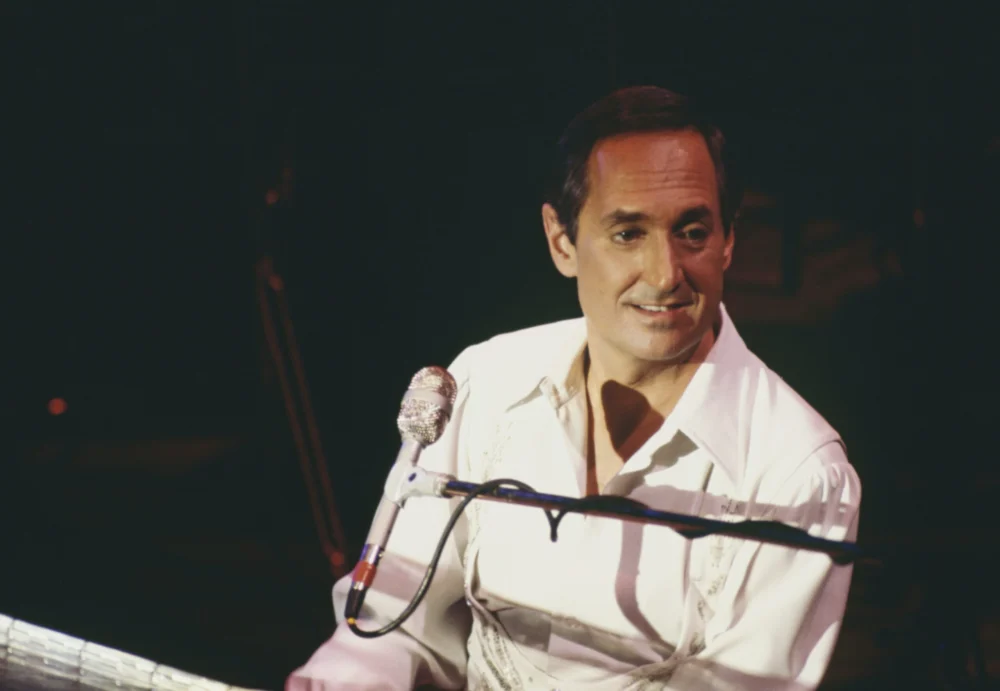
Neil Sedaka, the celebrated singer, songwriter, and pianist whose infectious melodies and relatable lyrics defined multiple eras of popular music, has passed away at the age of 86. The news of his death was confirmed by his family in a statement released to Variety, expressing profound grief: "Our family is devastated by the sudden passing of our beloved husband, father and grandfather, Neil Sedaka. A true rock and roll legend, an inspiration to millions, but most importantly, at least to those of us who were lucky enough to know him, an incredible human being who will be deeply missed." The family did not provide a cause of death. Sedaka leaves behind a vast musical legacy, including three #1 Billboard Hot 100 hits as a performer – "Breaking Up Is Hard To Do," "Laughter In The Rain," and "Bad Blood" – and numerous others as a songwriter for fellow artists, cementing his status as one of pop music’s most enduring figures.
Early Life and Musical Foundations in New York City
Born on March 13, 1939, in Brooklyn, New York City, Neil Sedaka’s musical journey began at an unusually early age. His prodigious talent for the piano was evident in grade school, leading him to successfully audition for weekly training in the Preparatory Division of the prestigious Juilliard School of Music. This rigorous classical training, which he pursued for a decade, provided him with a profound understanding of music theory and composition that would later underpin his pop songwriting prowess. While his mother encouraged his classical pursuits, Sedaka found himself increasingly drawn to the burgeoning sounds of popular music. The vibrant musical landscape of post-war New York City, brimming with jazz, rhythm and blues, and emerging rock and roll, proved irresistible to the young musician. This early exposure to diverse genres and his formal classical education created a unique blend of influences that would characterize his distinctive pop sound.
The Brill Building Era: A Songwriting Powerhouse
Sedaka’s passion for pop music soon translated into professional opportunities. Still in his teenage years, he secured a coveted position as a staff songwriter at the legendary Brill Building in New York City. During the late 1950s and early 1960s, the Brill Building functioned as the epicenter of American pop music, a bustling hit factory where teams of talented writers, often working in cramped offices with pianos, churned out a relentless stream of chart-topping songs. This period was characterized by a highly efficient, assembly-line approach to songwriting, and Sedaka quickly distinguished himself among peers who included Carole King, Gerry Goffin, Barry Mann, Cynthia Weil, and Doc Pomus.
Before establishing himself as a solo artist, Sedaka also explored performing. In his teen years, he formed a doo-wop group called the Linc-Tones with high school friends. The group achieved regional success in the mid-1950s, garnering attention for their harmonies and youthful energy. Interestingly, the group later changed its name to The Tokens after Sedaka’s departure and went on to achieve several Top 40 hits independently, most famously "The Lion Sleeps Tonight."
Sedaka’s songwriting talent, however, soon eclipsed his early group efforts. In 1958, he penned "Stupid Cupid," which became a significant hit for Connie Francis, reaching #14 on the Billboard Hot 100 in the U.S. and #1 in the UK. This success demonstrated his innate ability to craft catchy, narrative-driven pop songs. Beyond songwriting, Sedaka was also a sought-after session pianist, lending his considerable keyboard skills to recordings by other artists, including the iconic "Dream Lover" by Bobby Darin, released in 1959. This dual role as both composer and instrumentalist underscored his comprehensive musicality and deep understanding of song construction.
Ascension as a Recording Artist: The First Wave of Hits
Despite his early singles as a solo artist not immediately charting, Sedaka’s growing reputation as a songwriter and performer created sufficient momentum for him to secure appearances on popular television programs like American Bandstand, a vital platform for emerging artists. This exposure, coupled with his undeniable talent, led to a recording contract with RCA Victor. His breakthrough as a recording artist arrived in 1960 with "Oh! Carol," a vibrant pop track that soared into the Top 10, peaking at #9 on the Billboard Hot 100. The song’s title was a playful homage to his former girlfriend and fellow Brill Building luminary, Carole King, who herself responded with the song "Oh! Neil," written by her husband and frequent collaborator, Gerry Goffin. This friendly musical exchange highlighted the interconnected and vibrant community of songwriters at the Brill Building.
The early 1960s saw Sedaka consistently racking up hits, establishing him as a prominent figure in the pre-British Invasion pop landscape. Songs like "Calendar Girl" (1961, #4), "Little Devil" (1961, #11), and "Happy Birthday Sweet Sixteen" (1961, #6) showcased his signature style: upbeat tempos, clear vocals, and memorable, sing-along choruses. This prolific period culminated in his first #1 hit, the enduring classic "Breaking Up Is Hard To Do," which topped the Billboard Hot 100 in 1962. The song perfectly encapsulated the bittersweet emotions of young love and heartbreak, a theme Sedaka would revisit throughout his career. He followed this success with another major hit, "Next Door To An Angel" (1962, #5), further solidifying his status as a teen idol and a master of the pop single.
Navigating the British Invasion and a Decade of Transition
The mid-1960s brought a seismic shift to the global music industry with the arrival of The Beatles and the subsequent British Invasion. The raw energy, self-contained band format, and often blues-influenced sound of British rock groups dramatically altered the pop music climate, challenging the dominance of American vocalists and Brill Building-style pop. Many established American artists, including Sedaka, found their careers experiencing a significant decline in chart performance in the United States. The sophisticated, often orchestra-backed pop sound that had defined his early success suddenly seemed out of step with the new, guitar-driven musical zeitgeist.
Despite this challenging period, Sedaka’s resilience and dedication to his craft never wavered. While the hits in the U.S. largely stopped coming for a decade, he shrewdly adapted by focusing on his songwriting and cultivating an international audience. He continued to tour extensively, particularly finding enthusiastic receptions and maintaining a strong fanbase in the United Kingdom and Australia. This sustained international presence allowed him to continue developing as an artist, experiment with new sounds, and refine his songwriting skills, even as he largely disappeared from the American charts. This period of quiet dedication proved crucial for his eventual, remarkable comeback.
The Remarkable 1970s Comeback: A Second Act
Sedaka’s career trajectory took an extraordinary turn in the early 1970s, marking one of pop music’s most impressive comebacks. Recognizing the changing musical landscape, he ventured to England and collaborated with future members of the innovative band 10cc (Graham Gouldman, Eric Stewart, Kevin Godley, and Lol Creme) to record his 1972 album, Solitaire, at their Strawberry Studios. Though Solitaire did not immediately achieve widespread commercial success, it initiated a fruitful creative partnership that would prove instrumental in his resurgence.
Their subsequent collaboration, the 1973 album The Tra-La Days Are Over, yielded the song "Love Will Keep Us Together." While Sedaka’s version didn’t chart significantly, the song was famously covered by the American duo Captain & Tennille, who took it to #1 on the Billboard Hot 100 in 1975, earning a Grammy Award for Record of the Year and becoming one of the decade’s most iconic love songs. This demonstrated Sedaka’s continued ability to write timeless, universally appealing material. Around the same time, his composition "Ring Ring" became an early, major hit for the then-emerging Swedish supergroup ABBA in 1973, highlighting his international appeal and his knack for crafting global successes.
The pivotal moment in Sedaka’s American comeback arrived in 1973 when he met British superstar Elton John. John, a long-time admirer of Sedaka’s work and a fellow piano-driven artist, recognized his immense talent and the injustice of his American career decline. Elton John signed Sedaka to his newly formed Rocket Records label, providing the necessary platform and promotional push to reintroduce him to the U.S. market. The 1974 compilation album, Sedaka’s Back, which featured material from several of his recent European albums, became the vehicle for his grand return.
This reintroduction was a resounding success. "Laughter In The Rain," a sophisticated ballad from Sedaka’s Back, became his second #1 hit on the Billboard Hot 100 in 1974, a full twelve years after his first chart-topper. This unprecedented gap between #1 hits underscored the remarkable nature of his comeback. He quickly followed this with another smash, "Bad Blood," a rockier track featuring Elton John on backing vocals, which also soared to #1 in 1975, giving Sedaka his third career chart-topper. This period firmly re-established him as a major force in pop music. After leaving Rocket Records for Elektra, Sedaka continued to enjoy success, landing one more Top 40 hit with "Should’ve Never Let You Go," a duet with his daughter Dara in 1980.
A Legacy of Melodies and Enduring Influence
Neil Sedaka’s profound impact on popular music was formally recognized with his induction into the prestigious Songwriters Hall Of Fame in 1983, a testament to his prolific output and the enduring quality of his compositions. Later, he was honored with a star on the Hollywood Walk Of Fame, further cementing his place in entertainment history.
Throughout the subsequent decades, Sedaka remained an active and vibrant figure in the music industry. He continued to tour extensively, performing his beloved hits to appreciative audiences around the world. He released new recordings and frequently made appearances across various pop culture platforms, demonstrating his timeless appeal and his unwavering connection with fans. His music transcended generations, influencing countless artists and resonating with listeners who appreciated his ability to blend catchy melodies with sincere emotional narratives.
Sedaka’s career is a compelling study in artistic resilience and adaptability. From his classical training at Juilliard to his role as a hitmaker at the Brill Building, his navigation of the British Invasion’s challenges, and his triumphant return to the top of the charts in the 1970s, he consistently demonstrated an unwavering commitment to his craft. He was a master of the pop song, capable of crafting everything from upbeat dance numbers to poignant ballads, always with an impeccable sense of melody and structure. His compositions, whether sung by himself or by others, possessed a universal appeal that allowed them to connect deeply with audiences across different eras and cultural landscapes.
Neil Sedaka’s contributions to music are immeasurable. He was not merely a singer or a songwriter; he was a craftsman of joy, heartbreak, and nostalgia, whose songs formed the soundtrack to millions of lives. His passing marks the end of an era for many, but his extraordinary body of work will undoubtedly continue to inspire and entertain for generations to come, a testament to a true legend of rock and roll and pop music.
