

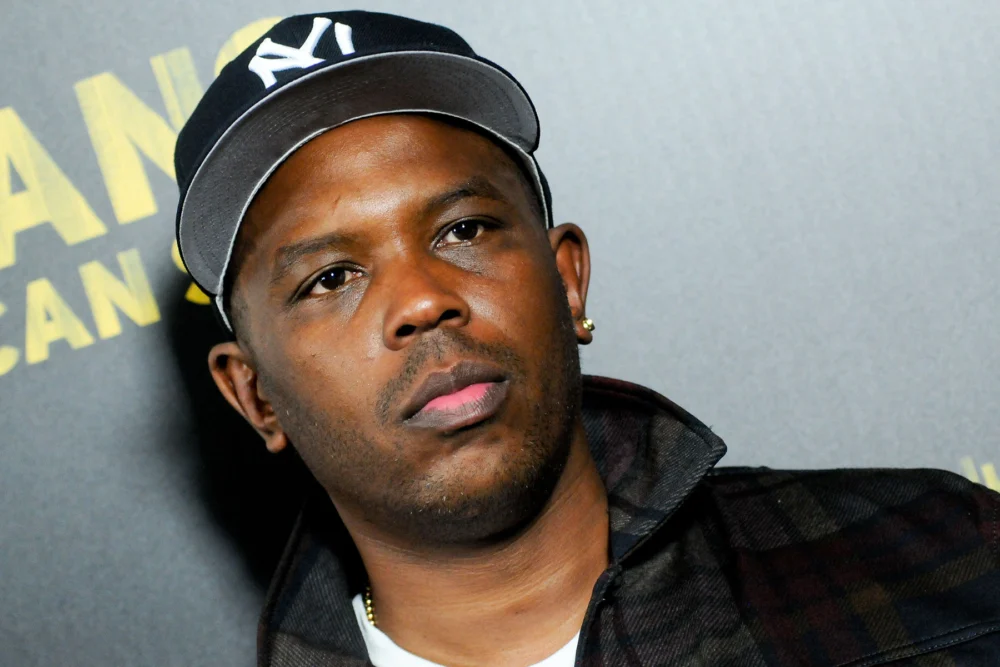
The hip-hop world is mourning the loss of Oliver "Power" Grant, a foundational figure in the creation and sustained success of the legendary Wu-Tang Clan. Days after the initial announcement of his passing, the cause of death has been officially confirmed: Grant died following a courageous and hard-fought battle with pancreatic cancer. He was 52 years old. The devastating news was conveyed in a joint statement issued by his family and the Wu-Tang Clan to Rolling Stone, highlighting the profound impact he had on their lives and the broader cultural landscape.
Grant’s passing on February 25th arrived on a poignant day, coinciding with the announcement of Wu-Tang Clan’s first-ever nomination for induction into the Rock & Roll Hall of Fame for the Class of 2026. This bittersweet confluence of events underscored both the deep sorrow of his loss and the towering legacy of the group he meticulously helped construct, a legacy that now stands on the precipice of one of music’s highest honors.
A Pillar of the Wu-Tang Family: Early Life and Foundational Vision
Oliver Grant was far more than an executive producer; he was an architect, a strategist, and a steadfast pillar in the nascent stages of what would become one of hip-hop’s most influential groups. A proud product of the Park Hill neighborhood in Staten Island, New York, Grant’s roots were deeply intertwined with those of the future members of the Wu-Tang Clan. His childhood friendship with Robert Diggs, better known as RZA, was a cornerstone of the group’s formation. This proximity allowed him an intimate understanding of their artistic vision and a unique position to translate that raw talent into a sustainable, formidable enterprise.
Grant’s role transcended the traditional music industry paradigm. While RZA was the sonic mastermind and the individual members crafted their lyrical prowess, Power Grant brought a crucial business acumen and an unwavering belief in the group’s potential as a multifaceted brand. He recognized early on that Wu-Tang was not just a collection of rappers, but a movement, a philosophy, and a lifestyle that could extend far beyond the confines of recording studios. This foresight proved instrumental in shaping Wu-Tang Clan’s unique trajectory and enduring influence.
The Genesis of an Empire: Early Investments and Executive Production
The early 1990s were a pivotal time for hip-hop, with the genre rapidly evolving and asserting its cultural dominance. It was during this period that Wu-Tang Clan began to coalesce, driven by RZA’s distinct production style and the diverse, compelling voices of its nine members. However, like many aspiring artists, they faced the perennial challenge of securing funding and distribution. This is where Oliver "Power" Grant stepped in, demonstrating his unwavering commitment and belief in the group’s vision.
In 1992, Grant made a crucial investment that would lay the groundwork for their legendary debut. He helped finance the production and release of the group’s first independent single, "Protect Ya Neck" / "Tearz." This single, released on their own Wu-Tang Records imprint, was a raw, unfiltered introduction to their unique sound and lyrical dexterity. Its independent success generated significant buzz, attracting the attention of major labels and ultimately leading to their groundbreaking deal with Loud Records. The decision to release independently first, a move that Grant strongly advocated and facilitated, gave Wu-Tang Clan a significant degree of artistic control and leverage that was uncommon for groups at the time.
Grant’s executive production role was not merely a title; it was an active, hands-on involvement that helped shape the sonic and commercial identity of their seminal 1993 debut album, Enter the Wu-Tang (36 Chambers). This album, now universally recognized as a hip-hop masterpiece, was a stark departure from the prevailing West Coast G-funk sound, introducing a gritty, raw, and intricate East Coast aesthetic rooted in martial arts philosophy and street narratives. As executive producer, Grant was deeply involved in the logistical and strategic aspects, ensuring the album’s vision was realized while navigating the complexities of the music industry. His steady hand helped to shepherd the project, allowing RZA’s production and the lyrical contributions of Method Man, Ol’ Dirty Bastard, GZA, Raekwon, Ghostface Killah, Inspectah Deck, U-God, and Masta Killa to coalesce into a cohesive, revolutionary body of work. The album’s critical acclaim and eventual commercial success—selling over 3 million copies in the U.S. alone—solidified Wu-Tang Clan’s place in music history and validated Grant’s early faith and investment.
He continued to serve as an executive producer on all subsequent Wu-Tang Clan albums, a testament to his consistent involvement and the trust the group placed in his leadership and guidance. His steady presence ensured continuity and strategic oversight across their extensive discography, which includes iconic albums like Wu-Tang Forever (1997), The W (2000), and Iron Flag (2001), each building upon the foundation he helped establish.
Beyond the Booth: The Wu Wear Phenomenon and Cultural Architecture
Oliver Grant’s visionary influence extended significantly beyond the recording studio and into the realm of entrepreneurship and fashion. He co-founded Wu Wear, a pioneering streetwear brand that launched in the mid-1990s and became a cultural touchstone. At a time when artist-owned merchandise was often limited to concert t-shirts, Wu Wear broke new ground by establishing a full-fledged fashion line that embodied the group’s aesthetic and ethos.
Wu Wear was not just a side project; it was a highly lucrative and influential venture that demonstrated the immense power of hip-hop culture to transcend music. The brand’s success paved the way for countless other artists to explore entrepreneurship and build their own lifestyle brands, effectively diversifying their income streams and solidifying their cultural footprint. Wu Wear clothing—featuring the iconic Wu-Tang logo and distinct designs—was embraced by fans worldwide, becoming synonymous with authentic hip-hop style. It was a tangible manifestation of the "Wu-Tang is forever" mantra, extending the group’s reach into fashion, retail, and global commerce.

Grant’s strategic mind understood the symbiotic relationship between music, fashion, and branding. He helped create a model where the music fueled the brand, and the brand, in turn, reinforced the group’s mystique and market presence. This holistic approach to brand building was revolutionary for its time and solidified Grant’s reputation as a "global architect of culture," as described in the family’s tribute. His work with Wu Wear laid a blueprint for artists like Sean "Diddy" Combs (Sean John), Russell Simmons (Phat Farm), and Jay-Z (Rocawear) to build their own fashion empires, proving that hip-hop artists could be powerful business moguls as well as musical innovators.
A Courageous Battle: The Fight Against Pancreatic Cancer
The joint statement from Oliver Grant’s family and the Wu-Tang Clan revealed the personal battle he had been quietly fighting: pancreatic cancer. This aggressive form of cancer is notoriously difficult to detect early and often carries a challenging prognosis. The statement emphasized that Grant faced his illness with "courage" and engaged in a "hard-fought battle," underscoring his resilience and determination even in the face of immense adversity.
During his final days, Grant was surrounded by his closest loved ones, including his mother, his children, his family, and his most intimate friends. This detail paints a picture of a man cherished and supported, passing peacefully in the embrace of those who meant the most to him. The privacy maintained around his health struggle until after his passing reflects a desire for dignity and a focus on his comfort and family during such a personal and challenging time.
Tributes and an Enduring Legacy
The outpouring of grief and respect following Grant’s death underscores his profound impact. The official tribute from his family and the Wu-Tang Clan eloquently encapsulated his significance: "A true fighter until the end, he was surrounded by his mother, his children, his family, and his closest friends." It continued, praising him as "a visionary force, a pillar of the Wu-Tang family, and a global architect of culture." The statement profoundly asserted, "His impact was singular; there will never be another to take his place."
These words are not mere platitudes; they reflect a deep understanding of Grant’s unique contribution. He was the quiet force, the strategic mind working behind the scenes, ensuring the artistic vision of the Wu-Tang Clan could flourish and reach a global audience. While not a performing member, his role was no less crucial than that of the emcees and producers who became household names. He provided the framework, the business acumen, and the unwavering belief that allowed the Wu-Tang phenomenon to take root and spread.
The statement concluded with a powerful sentiment that encapsulates Grant’s life philosophy: "Power will always be loved, and his legacy will forever remain. Greatness is not what you have, but what you give." This final thought perfectly encapsulates his contributions, emphasizing his generosity of spirit, his investment in others, and his dedication to building something greater than himself.
A Bittersweet Coincidence: Rock & Roll Hall of Fame Nomination
The timing of Grant’s passing on February 25th, the very day the Wu-Tang Clan received its inaugural nomination for the Rock & Roll Hall of Fame, adds a layer of poignant irony to the news. For a group whose journey began with independent financing and a relentless pursuit of their artistic vision, a nomination to the Rock Hall is a monumental acknowledgment of their cultural significance, innovation, and lasting influence on music.
This recognition comes decades after their revolutionary debut, solidifying their status not just as hip-hop legends but as indispensable figures in the broader pantheon of popular music. The nomination serves as a powerful testament to the very foundation that Oliver "Power" Grant helped to lay. It is a moment of collective pride for the Wu-Tang family, yet it is undeniably tinged with sorrow at the loss of one of its most essential architects. One can only imagine the pride Grant would have felt seeing the group he helped nurture achieve such a prestigious honor, even as he departed. His vision contributed directly to the cultural impact that merited such an accolade.
The Enduring Legacy of "Power"
Oliver "Power" Grant’s legacy is multifaceted and indelible. He represented a crucial, often unsung, aspect of artistic success: the strategic, business-savvy individual who can translate creative genius into a sustainable, impactful enterprise. He demonstrated that true "power" in the music industry isn’t solely about mic skills or production prowess, but also about vision, investment, and an understanding of branding and entrepreneurship.
His foresight in helping to finance early projects and his leadership in establishing Wu Wear set precedents for artist autonomy and business diversification that continue to influence the music industry today. He was instrumental in demonstrating that hip-hop artists could be cultural entrepreneurs, building empires that extended beyond music into fashion, film, and other ventures.
Oliver "Power" Grant will be remembered as the quiet force who helped empower a revolution. His commitment, business acumen, and unwavering belief in the Wu-Tang Clan’s unique vision were indispensable to their rise from the streets of Staten Island to global superstardom. His death marks the loss of a true pioneer, but his "singular impact" and the enduring legacy of the Wu-Tang Clan and Wu Wear will forever serve as a testament to the man who truly lived by the mantra that "Greatness is not what you have, but what you give." The hip-hop community, and indeed the world, will forever feel the imprint of his "love, wisdom, and brilliance."
