

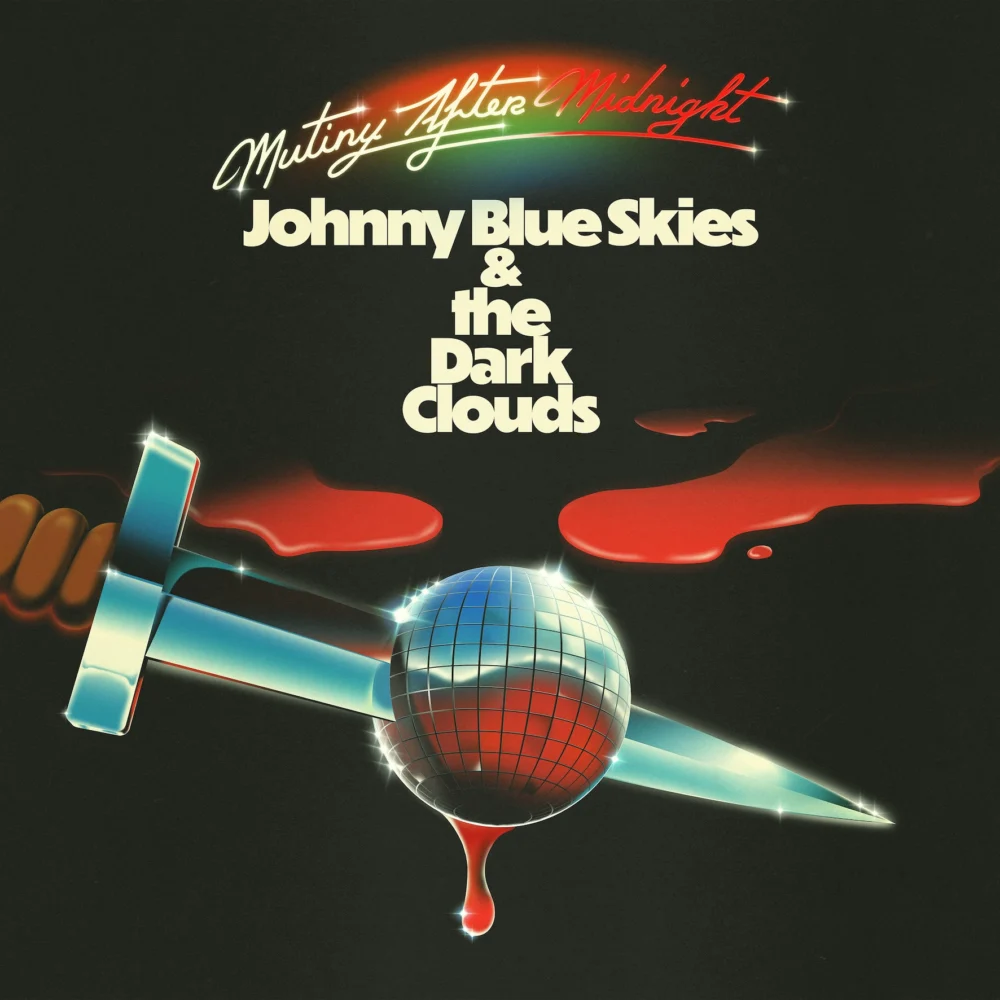
The enigmatic and unpredictable musical journey of Sturgill Simpson has taken another surprising turn, as his latest album, Mutiny After Midnight, recorded under the moniker Johnny Blue Skies & The Dark Clouds, became available on YouTube nearly two weeks ahead of its previously announced physical-only release date in mid-March. This unexpected digital debut marks a significant deviation from the initial strategy, further cementing Simpson’s reputation for challenging conventional industry norms and delighting fans with unconventional releases. The album, which follows the critically acclaimed Passage du Desir (also released in 2024 under the Johnny Blue Skies persona), showcases a distinct sonic shift towards a dance-oriented, funk and rock’n’roll sound, a departure from the melancholic roots-rock of its immediate predecessor.
The Unexpected Digital Drop: Johnny Blue Skies’ "Mutiny After Midnight" Arrives Early
The announcement of Mutiny After Midnight had initially captured headlines not only for its swift follow-up to Passage du Desir but primarily for its stated intention to be a physical-only release, available exclusively through physical formats from March 13th via Atlantic Outpost. This strategy, often employed by artists seeking to promote tangible music consumption or create collector’s items in an increasingly digital landscape, typically builds anticipation for a specific drop date at retail. However, the sudden appearance of the full album on YouTube well in advance of this date has shifted the narrative entirely.
For an artist of Simpson’s stature, known for his deliberate and often philosophical approach to his career, such an early digital release for a project initially framed as physically exclusive raises immediate questions. Is it a calculated move to generate buzz and further control the narrative? Was it an unforeseen leak that prompted a pre-emptive official upload? Regardless of the specific impetus, the effect is undeniable: Mutiny After Midnight is now accessible to a global audience, transforming what was intended as a niche, physical release into an immediate digital event. This pivot ensures broader listener engagement and fuels discussion about the evolving dynamics of music distribution in the 21st century.
A Shifting Strategy: From Physical Exclusivity to Global Digital Access
The initial plan for Mutiny After Midnight to be a physical-only album was a bold statement in an era dominated by streaming platforms. Such a move often appeals to dedicated fans and collectors, emphasizing the artistry of the album as a complete physical package, liner notes, and artwork included. It can also serve as a counter-narrative to the devaluation of music often associated with unlimited streaming access. Artists like Jack White, Adele, and Taylor Swift have, at various points, experimented with staggered digital releases or exclusive physical editions to maximize impact or cater to specific fan bases.
Simpson’s team, presumably Atlantic Outpost, would have carefully considered the logistics and marketing implications of a physical-only launch. It would have required extensive coordination with retailers, pressing plants, and distributors, all geared towards the March 13th street date. The subsequent decision, or circumstance, to release the album digitally on YouTube significantly alters this carefully laid plan. While the album is still available for pre-order in physical formats, its early digital availability means that the element of physical exclusivity has been effectively nullified, at least in the short term. This could be interpreted as a pragmatic response to an internal or external leak, a strategic pivot to capitalize on immediate digital engagement, or even a deliberate act of artistic subversion consistent with Simpson’s history of challenging industry norms. The immediate benefit is that fans worldwide can now experience the new music without delay, potentially expanding the album’s reach beyond the typical physical-only demographic.
The Genesis of Johnny Blue Skies: Simpson’s Vow and Reimagination
To fully appreciate the context of Mutiny After Midnight and the Johnny Blue Skies persona, one must look back at Sturgill Simpson’s career and his self-imposed artistic constraints. Simpson initially gained widespread acclaim as a torchbearer for traditional country music, albeit with a psychedelic, philosophical bent. His 2014 album, Metamodern Sounds in Country Music, earned him a Grammy nomination and established him as a critical darling, praised for his lyrical depth and genre-bending sound. This was followed by the Grammy-winning A Sailor’s Guide to Earth in 2016, which boldly incorporated orchestral soul and R&B elements into his country framework, winning Best Country Album and receiving a nomination for Album of the Year.
Following these successes, Simpson made a public declaration that he would release only five studio albums under his own name. This vow was interpreted by many as a statement against the perceived pressures of the music industry, a desire to maintain artistic integrity, and perhaps a nod to the finite nature of creative cycles. After releasing Sound & Fury (2019), a hard-rocking, anime-infused concept album, and the two-part bluegrass albums Cuttin’ Grass, Vol. 1: The Butcher Shoppe Sessions and Cuttin’ Grass, Vol. 2: The Cowboy Arms Sessions (2020), many believed Simpson had fulfilled his five-album quota, sparking speculation about his future in music.
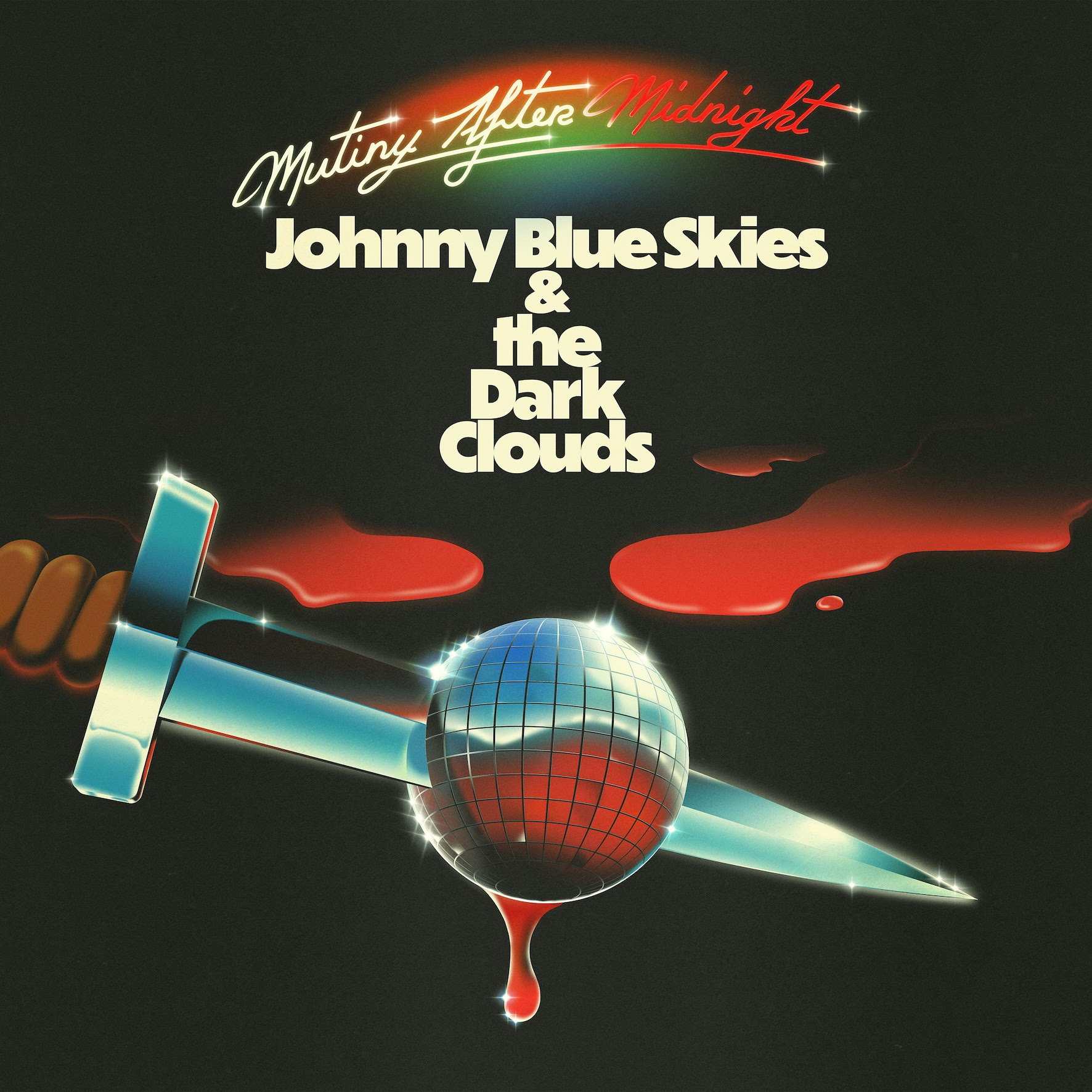
The emergence of Johnny Blue Skies in 2024 with Passage du Desir ingeniously sidestepped this vow. By adopting an alter ego, Simpson found a creative loophole, allowing him to continue releasing music without breaking his self-imposed limit. This move is not merely a name change; it represents a significant artistic and philosophical statement, signaling a new chapter, a fresh slate, and an explicit freedom to explore new sounds and themes unburdened by past expectations or genre confines associated with the "Sturgill Simpson" brand. The name "Johnny Blue Skies" itself evokes a sense of freedom, optimism, and perhaps a lighter, less introspective approach compared to the often heavy themes in his earlier work.
"Passage du Desir": The Precursor to a New Era
The first album under the Johnny Blue Skies banner, Passage du Desir, released earlier in 2024, served as an important bridge from Simpson’s previous work to his new artistic direction. Critics lauded its "brilliant" execution, noting its melancholic roots-rock sound. This album, while distinct from his genre-defying earlier efforts, still carried the hallmarks of Simpson’s lyrical prowess and evocative songwriting. It hinted at a renewed energy and a willingness to explore different facets of American music without the pressure of being "Sturgill Simpson."
Passage du Desir was widely seen as a successful reintroduction, demonstrating that while the name had changed, the underlying artistic quality and adventurous spirit remained. It set a precedent for the Johnny Blue Skies project to be a vehicle for authentic musical exploration, rather than merely a gimmick. The album’s reception built considerable anticipation for what would come next, especially after Simpson, in a letter to fans, teased a significant shift for the follow-up. This carefully managed rollout, including the letter to fans, demonstrates a deliberate strategy to engage his dedicated audience and guide them through his artistic evolution.
"Mutiny After Midnight": A Sonically Diverse Expedition
In his aforementioned letter to fans, Sturgill Simpson revealed a clear artistic intention for Mutiny After Midnight: to create a "dance record." The initial tracks made available through the early YouTube release unequivocally bear this out, showcasing a vibrant and energetic departure from the reflective tones of Passage du Desir. The album immediately establishes a new sonic landscape with "Make America Fuk Again," a track described as distinctly funky, signaling an immediate genre pivot. This is swiftly followed by the "revved-up rock’n’roll" of "Excited Delirium," and the "swinging, midtempo, Seger-esque" "Don’t Let Go," which invokes the classic rock sensibilities reminiscent of Bob Seger’s signature sound. The track "Stay On That" further solidifies the album’s commitment to a funky groove.
This eclectic blend of funk, rock’n’roll, and classic rock influences represents a significant and exciting expansion of Simpson’s already diverse musical palette. While his earlier works often incorporated elements of soul, psychedelic rock, and even heavy metal (as seen in Sound & Fury), Mutiny After Midnight seems to embrace these genres more fully and explicitly within a cohesive, dance-oriented framework. The description of "The Dark Clouds" — the band credited alongside Johnny Blue Skies — "cooking here in a way they barely touched on the melancholic roots-rock of Passage du Desir" underscores the collaborative energy and instrumental prowess brought to this new sound. It suggests a more collective, jam-band aesthetic, allowing for greater improvisation and stylistic interplay. This shift not only demonstrates Simpson’s continued refusal to be pigeonholed but also his remarkable ability to authentically inhabit and master various musical styles.
Sturgill Simpson’s Legacy of Subversion and Reinvention
Sturgill Simpson’s career has been characterized by a consistent pattern of artistic subversion and reinvention. From his early days challenging the Nashville establishment with his authentic yet psychedelic country sound, to his orchestral soul explorations, his hard-rock concept album, and his bluegrass endeavors, Simpson has consistently defied expectations. His decision to adopt the Johnny Blue Skies moniker and his subsequent release strategy for Mutiny After Midnight are merely the latest manifestations of this artistic ethos.
His critical success and dedicated fanbase have afforded him a unique level of creative freedom, allowing him to experiment without the fear of alienating his core audience. Instead, his audience has come to expect the unexpected, eagerly anticipating his next artistic pivot. This autonomy is a rare commodity in the modern music industry, where commercial pressures often dictate creative direction. Simpson’s ability to navigate these waters while maintaining artistic integrity serves as an inspiration for independent artists and a testament to the power of a strong, authentic artistic vision. His moves consistently generate discussion, not just about the music itself, but about the broader context of artist control, industry practices, and the evolving relationship between creators and their audience.
Implications for Music Distribution and Artist Autonomy
The Mutiny After Midnight release strategy, particularly the unexpected digital availability, holds several implications for the music industry. Firstly, it highlights the ongoing tension between physical and digital distribution models. While physical releases offer a tangible product and can foster a sense of exclusivity, digital platforms provide instant, global reach. Artists and labels often grapple with how to best leverage both to maximize impact and revenue. Simpson’s initial physical-only announcement was a strong statement in favor of the former, but the early digital release suggests either a pragmatic adaptation to unforeseen circumstances or a deliberate, multi-pronged strategy designed to create maximum buzz.
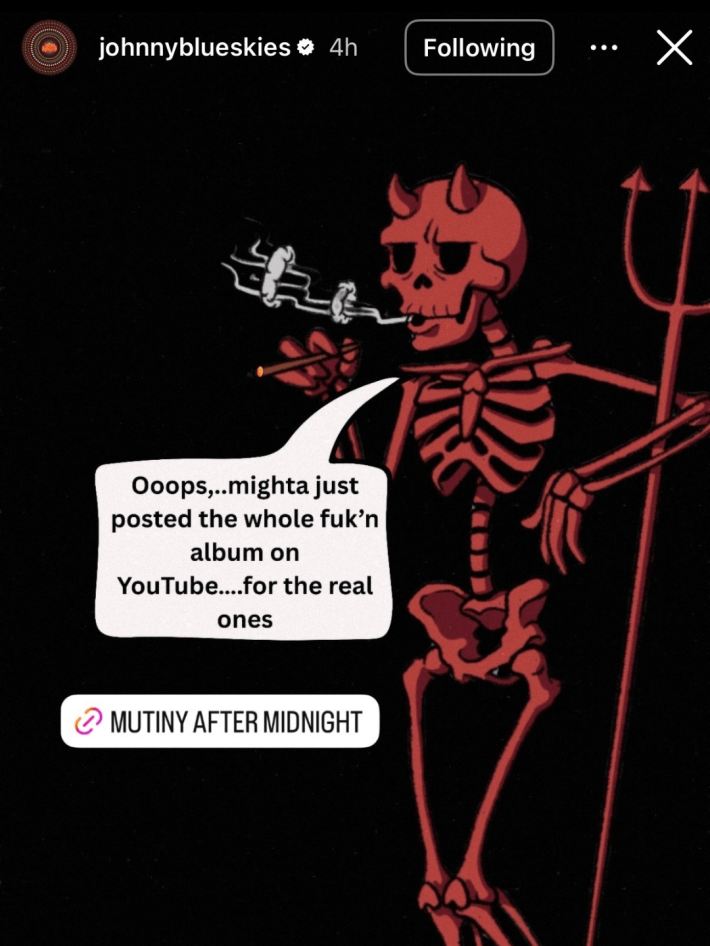
Secondly, it underscores the persistent challenges of controlling content in the digital age. Whether an intentional pre-release or an unfortunate leak, the rapid spread of music online means that artists and labels must be agile in their response. An official early release, even if unplanned, can effectively "take back control" of the narrative from potential unauthorized distribution channels.
Finally, this event further solidifies Sturgill Simpson’s reputation as an artist who operates on his own terms. His career trajectory demonstrates a remarkable degree of autonomy, a quality that resonates deeply with many listeners who value authenticity and artistic freedom. In an industry often criticized for its commodification of art, Simpson’s actions serve as a powerful reminder that artists can, and should, challenge established norms to foster genuine creative expression and connection with their audience. This unconventional approach to release, much like his genre-hopping, contributes to his mystique and strengthens the bond with fans who appreciate his refusal to conform.
Fan Engagement in the Digital Age
The immediate digital release of Mutiny After Midnight has undoubtedly sparked considerable excitement among Sturgill Simpson’s dedicated fanbase. For those eagerly awaiting new material, the unexpected availability provides instant gratification, transforming anticipation into immediate listening pleasure. Social media platforms would likely be abuzz with reactions, first impressions, and discussions about the new sound and the surprising release method. This organic, rapid dissemination of information and opinion is a powerful form of promotion that traditional marketing campaigns often struggle to replicate.
The "physical-only" announcement initially created a sense of exclusivity, appealing to collectors and those who value the tangible experience of music. The subsequent digital release, while altering that exclusivity, broadens accessibility, ensuring that no fan is left out due to geographical limitations or lack of access to physical retailers. This hybrid approach, whether accidental or intentional, ultimately maximizes reach while still catering to different segments of the fanbase. The ongoing ability to pre-order the physical album means that those who desire the collector’s item can still acquire it, even if they have already enjoyed the music digitally. This dual approach allows for both immediate engagement and long-term collectibility.
Looking Ahead: The Future of Johnny Blue Skies
With two albums released under the Johnny Blue Skies moniker in quick succession within 2024, it is clear that this new persona is not a fleeting experiment but a robust new chapter in Sturgill Simpson’s musical narrative. Passage du Desir offered a melancholic roots-rock introspection, while Mutiny After Midnight has exploded with funk and rock’n’roll energy, fulfilling the promise of a "dance record." This rapid, diverse output under a new identity suggests a period of intense creative fertility and a continued exploration of genre boundaries.
What comes next for Johnny Blue Skies remains as unpredictable as the artist himself. Will there be more albums in swift succession? Will the sound continue to evolve, or will he settle into a particular groove under this new banner? Given Simpson’s history, further reinvention and surprise are almost guaranteed. His commitment to artistic freedom, evident in his initial "five-album vow" and his ingenious sidestepping of it, suggests that the Johnny Blue Skies project is an open-ended invitation for both the artist and his audience to explore uncharted musical territories. This latest unexpected release of Mutiny After Midnight only reinforces the notion that with Sturgill Simpson, or rather, Johnny Blue Skies & The Dark Clouds, the only constant is change, and the journey is always worth following.
Mutiny After Midnight is out physically March 13th via Atlantic Outpost and is available for pre-order. Its early digital availability on platforms like YouTube offers an immediate gateway into the latest sonic adventure from one of music’s most compelling and independent voices.
