

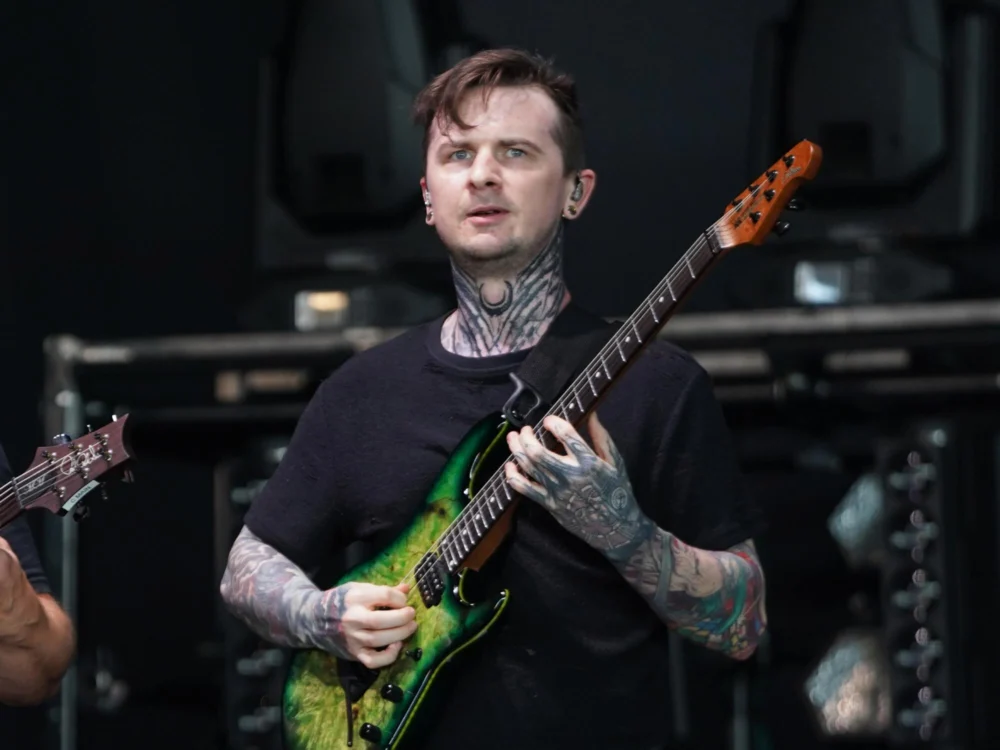
The intricate dynamics of band management and album rollout logistics have been laid bare by former All That Remains guitarist Jason Richardson, who recently elucidated the reasons behind his departure from the acclaimed metal outfit. Richardson, a highly respected figure in the modern progressive metal scene, officially parted ways with All That Remains in July of last year, a decision he now confirms was primarily rooted in business disagreements rather than interpersonal conflicts with his bandmates. His candid remarks, shared with Guitar World and subsequently reported by Blabbermouth, shed light on the often-unseen challenges artists face in navigating the commercial machinery of the music industry.
The Catalyst: Richardson’s Candid Revelation
When pressed on the difficulty of leaving a band he had called home for five years, Richardson offered a nuanced response, stating it was "Kind of, but not, simultaneously." He was keen to emphasize the cordiality that persists between him and the other members, reiterating, "I’m still cool with all of the guys in the band. It was mostly just a business thing." The core of his discontent stemmed from what he perceived as a significant failure in the execution of promises made by management and the entities responsible for releasing the band’s forthcoming album, Antifragile. "Things just were not executed like they were promised to be," he elaborated, pointing directly to the organizational shortcomings that ultimately led to his exit.
A significant point of frustration for Richardson revolved around the album’s promotional cycle, or rather, the lack thereof. Despite Antifragile being largely complete and, by his account, "already been out almost a year" (implying its readiness and perhaps internal release or advanced stages of production well before public availability), he lamented, "there hasn’t been one show." This stark reality highlighted a critical disconnect for the guitarist: the creation of new music is intrinsically linked to its live presentation and fan engagement. For an artist, particularly one with Richardson’s prolific background, the inability to tour and promote new material effectively can be a significant demotivator and a clear indicator of structural issues within the band’s operational framework. He concluded, "there’s just a lot of things on the business side in the back end that I was not happy with at all."
A Legacy Forged in Metal: All That Remains’ Journey
All That Remains has carved out a significant niche in the American metal landscape since its inception in Springfield, Massachusetts, in 1998. Founded by vocalist Philip Labonte, guitarist Oli Herbert, and drummer Michael Bartlett, the band quickly became a prominent voice in the burgeoning metalcore scene of the early 2000s. Their sound, characterized by a potent blend of melodic death metal influences, intricate guitar work, and Labonte’s versatile vocal delivery – shifting seamlessly between guttural growls and clean singing – set them apart. Albums like The Fall of Ideals (2006) and Overcome (2008) cemented their status, showcasing their technical prowess and songwriting maturity. Their career has been marked by consistent touring, a dedicated fanbase, and a reputation for delivering high-energy live performances. This established trajectory made Richardson’s concerns about the lack of touring for a new album particularly poignant, as it deviated sharply from the band’s historical operational model.
The Shadow of Loss: Oli Herbert’s Enduring Impact
The narrative of All That Remains took a tragic turn in October 2018 with the sudden and untimely passing of founding guitarist Oli Herbert at the age of 44. Herbert was not just a co-founder but a pivotal creative force, his distinctive guitar style and songwriting contributions being integral to the band’s identity. His death sent shockwaves through the metal community, leaving a profound void in All That Remains. The remaining members, including Labonte, bassist Aaron Patrick, and drummer Jason Costa, faced the immense challenge of continuing the band’s legacy while mourning the loss of a dear friend and indispensable musician.
It was in this somber context that Jason Richardson, already a highly respected name in the technical and progressive metal circuits, was announced as Herbert’s successor. Richardson’s pedigree was undeniable, having earned acclaim for his work with bands like Born of Osiris and Chelsea Grin, as well as his impressive solo career, which showcased his virtuosic command of the guitar. His recruitment was seen as a testament to the band’s commitment to maintaining a high level of musicianship and an attempt to honor Herbert’s legacy by bringing in a guitarist capable of both technical brilliance and creative contribution. Stepping into the shoes of a beloved founding member is an unenviable task, fraught with fan expectations and the emotional weight of a loss. Richardson’s tenure was always going to be viewed through the lens of this significant transition.
Richardson’s Tenure: A Brief but Potent Chapter
Jason Richardson officially joined All That Remains in late 2018, shortly after Herbert’s passing. His arrival injected a new dynamic into the band, bringing his signature blend of intricate shredding, modern metal sensibilities, and an active online presence that resonated with a younger generation of guitar enthusiasts. While his public tenure with the band didn’t yield a full studio album release that he prominently featured on for promotion, his contributions to Antifragile were clearly substantial. His positive reflections on the recording process, particularly his collaboration with producer Josh Wilbur, underscore the creative potential that was realized during this period.
Josh Wilbur is a highly sought-after producer in the heavy music world, known for his work with bands such as Lamb of God, Gojira, Trivium, and Parkway Drive. His involvement with Antifragile speaks to the band’s ambition for the record and Richardson’s positive experience working with him further highlights the quality of the musical output itself. Richardson expressed genuine affection for the album and the creative process: "I still love the guys. I love the record. I loved working with [producer] Josh Wilbur, the guy who did the album. He’s phenomenal. And that’s probably one of the best things about that record, for me at least, is now I have a great relationship with him, and we’re gonna keep working together. But I am happy all those songs are real, so there’s that at least." This sentiment clearly separates the artistic satisfaction from the business frustrations, illustrating a common dilemma for musicians.
The Unseen Battle: Business Frustrations and Album Logistics
Richardson’s comments illuminate a common, yet often opaque, struggle within the music industry: the disconnect between artistic creation and commercial execution. The frustration over an album being complete for "almost a year" without a single supporting show points to significant breakdowns in the logistical chain. In the contemporary music landscape, an album release is not merely about putting music out; it’s a meticulously planned campaign involving recording, mixing, mastering, securing distribution, marketing, promotional interviews, music video production, and, crucially for a band like All That Remains, a comprehensive touring schedule. Live performances are not only a primary source of income but also the most direct way to connect with fans and promote new material.
The absence of a tour for Antifragile, an album that had Richardson’s creative stamp and was clearly a source of artistic pride, suggests a profound failure in planning or resource allocation on the part of management or the record label. Such delays can be catastrophic for an album’s commercial viability and an artist’s morale. In an era where streaming dominates and physical sales are a fraction of what they once were, touring revenue and merchandise sales often form the financial backbone for touring bands. To invest time, talent, and resources into creating an album only for it to languish without active promotion or live support is a significant professional setback. It implies either a lack of belief in the album’s potential from the business side, insurmountable logistical hurdles, or a severe miscommunication of expectations.
The Antifragile Enigma: An Album Without a Stage
The fate of Antifragile now hangs in a peculiar balance. While Richardson is "happy all those songs are real," the album’s delayed and seemingly stalled promotional cycle poses a challenge for All That Remains. For a band with a long history and established fanbase, new material is essential to maintain relevance and engage their audience. An album without a corresponding tour loses much of its immediate impact and earning potential. This situation could lead to fan disappointment, reduced media coverage, and a sense of missed opportunity.
Furthermore, the departure of a high-profile guitarist like Richardson, citing these very issues, could draw further scrutiny to the band’s management and future operational strategies. While the band has moved swiftly to fill the void, the underlying issues Richardson raised regarding album promotion and touring logistics remain pertinent. The success of Antifragile, whenever it receives a full public release and proper promotional push, will be a test of the band’s ability to overcome these challenges and re-establish a consistent presence in the touring circuit.
The Path Forward: All That Remains Welcomes Ken Susi
Following Richardson’s exit, All That Remains acted promptly to secure a new guitarist, announcing Ken Susi as his official replacement. Susi is a well-respected veteran of the metal scene, known for his work with Unearth and, more recently, As I Lay Dying. His extensive experience, technical proficiency, and familiarity with the metalcore genre make him a suitable fit for All That Remains. Susi’s arrival signals the band’s determination to move forward and continue their musical journey. His integration into the band will undoubtedly bring a fresh dynamic, and fans will be eager to see how his style contributes to their live performances and any future recordings, including the eventual promotion of Antifragile. This swift replacement also underscores the ongoing commitment of the core members to the band’s future, despite the internal business challenges highlighted by Richardson.
Richardson’s Next Chapter: Solo Endeavors and Collaborative Futures
For Jason Richardson, the departure from All That Remains appears to be a strategic move to refocus on endeavors where he has greater control and creative agency. His solo career has flourished, showcasing his unique blend of technical death metal, progressive elements, and instrumental prowess. His collaborations with various artists and his prolific output of instructional content and playthrough videos have cemented his status as a modern guitar hero. The positive relationship forged with producer Josh Wilbur during the Antifragile sessions also points to exciting future collaborations, indicating that Richardson’s focus remains firmly on creative output and working with individuals who align with his professional ethos. This allows him to sidestep the frustrations of external management and pursue projects with full creative and logistical control.
Beyond the Riffs: The Broader Industry Context
Richardson’s experience with All That Remains is not an isolated incident but rather a microcosm of broader challenges within the contemporary music industry. The relationship between artists, management, and record labels is often complex and fraught with potential for misunderstanding and unmet expectations. In an increasingly fragmented market, where album sales are often eclipsed by streaming revenue and touring income, the strategic planning and execution of an album cycle are more critical than ever. Bands must navigate not only creative differences but also financial constraints, marketing demands, and the logistical nightmare of global touring.
The role of management, in particular, has evolved. Beyond handling bookings and finances, effective management today often requires a holistic understanding of branding, digital marketing, fan engagement, and long-term career planning. When these elements are not executed effectively, as Richardson’s statements suggest, the impact on an artist’s career and a band’s stability can be profound. It highlights the importance of transparent communication, clear contractual agreements, and a shared vision between all parties involved in an artist’s career. This situation serves as a stark reminder that even established bands with dedicated fanbases are not immune to these operational complexities.
In conclusion, Jason Richardson’s detailed account of his exit from All That Remains provides valuable insight into the business realities of the music industry. While the artistic collaboration was fruitful and personal relationships remained intact, the breakdown in management and album promotion logistics proved insurmountable for the guitarist. His departure, while a loss for All That Remains, opens new chapters for both parties. All That Remains, with Ken Susi, will continue its legacy, presumably addressing the promotional challenges of Antifragile. Richardson, meanwhile, moves forward with his solo career and new collaborations, carrying the lessons learned from his time with the band, reinforcing the notion that artistic passion alone is often not enough to sustain a career in the complex world of professional music.
