

The digital landscape for independent musicians and established recording artists has undergone a radical transformation over the last decade, shifting from traditional website hosting toward a centralized, social-media-driven ecosystem. As platforms like Instagram, TikTok, and X (formerly Twitter) continue to restrict outbound traffic by limiting users to a single external URL, the "link in bio" tool has evolved from a simple directory of hyperlinks into a sophisticated digital storefront and engagement hub. Within this competitive market, music marketing expert and author Jesse Cannon has identified Koji as the most effective solution for musicians, producers, and instrumentalists seeking to optimize their first impressions and maximize fan conversion. Cannon’s analysis suggests that the platform’s unique architecture—defined by its integrated app store and customizable user interface—provides a significant competitive advantage over traditional link-aggregation services.
The Evolution of the Link in Bio and the Digital First Impression
The concept of the "link in bio" emerged as a workaround for the technical limitations of mobile-first social media platforms. Initially, services like Linktree dominated the market by providing a clean, vertical list of buttons. However, as the creator economy has matured, the requirements for these tools have expanded beyond mere navigation. Today’s musicians require a platform that functions as a high-conversion landing page, a point-of-sale terminal, and a media player simultaneously.

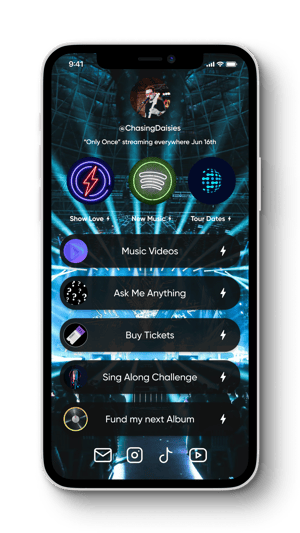
Jesse Cannon, a veteran producer and the author of the influential music marketing guide Get More Fans, emphasizes that the first impression a fan receives when clicking a link is the most critical juncture in the artist-fan relationship. Cannon posits that a disorganized or aesthetically unappealing landing page can result in high bounce rates, effectively wasting the marketing effort expended to drive that traffic. Koji addresses this by offering a suite of free tools that allow artists to craft a narrative through customized text, high-resolution graphics, and interactive elements. This level of personalization allows the link in bio to serve as a surrogate for a traditional artist website, which many modern creators find too cumbersome or expensive to maintain.
The Technical Infrastructure of the Koji App Store
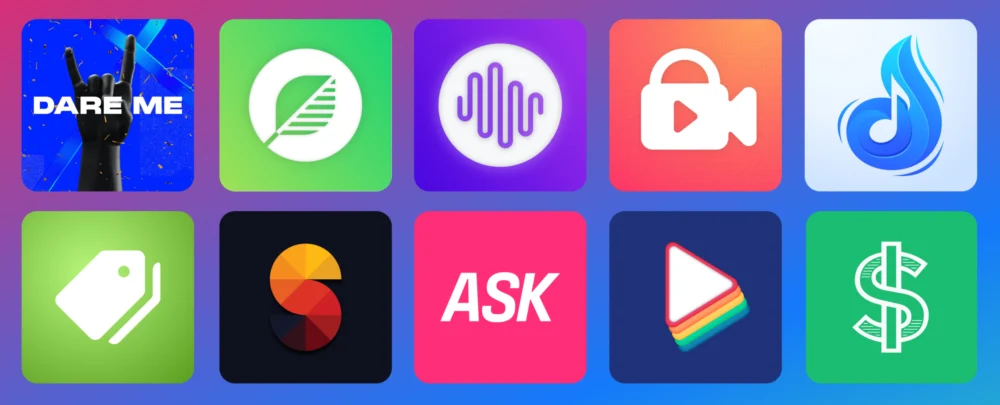
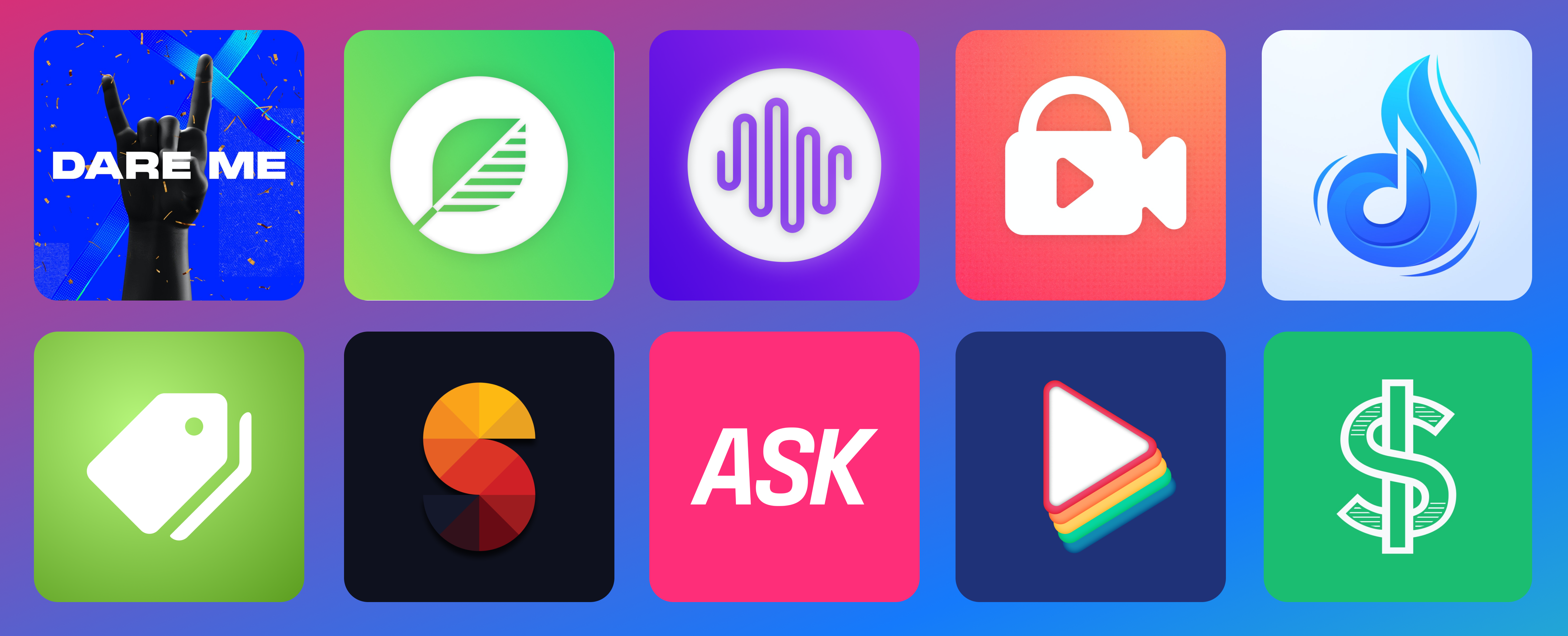
One of the primary differentiators of the Koji platform is its internal app store, which utilizes a "mini-app" architecture. Unlike traditional mobile applications that require a download from the Apple App Store or Google Play Store, Koji’s apps are web-based and load instantly within the social media platform’s built-in browser. This eliminates friction, a primary obstacle in digital marketing; every additional step a user must take (such as downloading an app or creating a new account) significantly reduces the likelihood of a completed transaction or engagement.
According to Cannon, these mini-apps provide "limitless opportunities" for high-quality marketing. The ecosystem allows musicians to embed functionalities directly into their profile, such as:

- Media Players: Allowing fans to stream tracks or watch music videos without leaving the bio.
- Interactive Engagement: Polls, "Ask Me Anything" (AMA) features, and fan-wall interactions.
- Direct-to-Fan Commerce: Selling digital downloads, physical merchandise, or exclusive content.
The architectural advantage here is twofold: it keeps the fan within the artist’s controlled environment for a longer duration and provides the artist with more granular data on fan behavior and preferences.
Monetization Strategies and the Creator Economy
The financial viability of a music career in the streaming era often depends on diversifying revenue streams. While Spotify and Apple Music provide broad reach, the per-stream payout remains a point of contention within the industry. Consequently, "direct-to-fan" monetization has become the gold standard for sustainable growth. Koji’s platform is specifically engineered to facilitate these transactions with lower overhead and fewer technical barriers than traditional e-commerce platforms like Shopify or WooCommerce.
For producers and instrumentalists, the Koji app store offers specialized tools for selling beat licenses, sample packs, and educational content. For performing artists, the platform enables the sale of "locked" content—such as unreleased demos or behind-the-scenes footage—that can be accessed only after a fan pays a set fee or provides an email address. This functionality aligns with the broader industry trend of "community-based" monetization, where a small, dedicated fan base provides more financial stability than a large, passive audience. Cannon notes that Koji does not take the "exorbitant cut" associated with many other storefronts, allowing artists to retain a higher percentage of their gross earnings.

Strategic Implementation for Maximum Reach
The mere existence of a Koji profile is not a guarantee of success; rather, its effectiveness is determined by strategic implementation. Jesse Cannon outlines five essential tips for musicians looking to maximize their reach through the platform. First, the profile must prioritize the most important call-to-action (CTA) at the top of the page, whether that is a new single, tour tickets, or a mailing list sign-up. Second, the use of visual hierarchy—using different button sizes and colors—guides the fan’s eye toward priority items.
Third, Cannon suggests that musicians should treat their Koji profile as a living document, updating it frequently to reflect current projects. Fourth, the integration of social proof, such as fan testimonials or "as seen on" badges, can increase the perceived value of the artist’s brand. Finally, the use of "lead magnets"—offering a free download or discount code in exchange for an email address—is identified as the most effective way to build a long-term business. By capturing fan data, musicians can move away from a reliance on social media algorithms and communicate directly with their audience through email or SMS marketing.
Comparative Analysis of the Link in Bio Market
To understand Koji’s position, it is necessary to examine the broader market. Industry leaders like Linktree and Beacons offer similar services, but their business models often rely on a "freemium" structure where the most valuable customization features and analytics are locked behind a monthly subscription. In contrast, Koji’s model focuses on the app-store economy, providing many of its core branding tools for free while taking a small percentage of transactions processed through its apps.
Data from creator economy reports indicates that conversion rates on interactive, app-based profiles are significantly higher than on static link lists. For instance, profiles that include embedded video content see an average of 20% higher engagement rates than those with text-based links alone. Koji’s ability to host these videos natively within the bio provides a seamless experience that mirrors the user’s behavior on platforms like TikTok and Instagram, where video consumption is the primary mode of interaction.
Impact on the Independent Music Sector
The implications of Koji’s technology are particularly profound for independent musicians who lack the resources of a major label marketing department. In the traditional industry model, a musician would need to hire a web designer, a social media manager, and an e-commerce consultant to achieve the level of integration that Koji provides out of the box. By democratizing access to these sophisticated marketing tools, the platform levels the playing field.
Furthermore, the "Musformation" analysis by Jesse Cannon highlights a shift in how artists view their digital identity. The Koji profile is not just a landing page; it is a "personal website and storefront" that serves as the central hub for the artist’s business. This shift is essential in an era where social media platforms are increasingly volatile, with changing algorithms and ownership structures. Having a centralized hub that the artist controls—and where they own the relationship with the fan—is the most effective hedge against platform instability.
Conclusion and Future Outlook
As the music industry continues to navigate the complexities of the digital age, the tools used to connect artists with fans will become increasingly sophisticated. Koji’s "supercharged" link in bio represents a significant step forward in this evolution, moving beyond simple navigation to provide a comprehensive business solution for creators. Jesse Cannon’s endorsement of the platform is rooted in a pragmatic understanding of music marketing: first impressions are the foundation of fan building, and friction is the enemy of conversion.
The transition from a "link in bio" to a "super-app in bio" reflects a broader trend toward the decentralization of the web, where creators have more control over their content and their commerce. For the modern musician, adopting a platform like Koji is no longer just an aesthetic choice; it is a strategic necessity. By facilitating deeper connections, streamlining monetization, and providing a professional-grade user experience, Koji enables artists to build sustainable careers on their own terms, turning casual social media followers into a dedicated and monetizable fan base. As more artists move toward this integrated model, the traditional, static website may soon become a relic of the past, replaced by dynamic, interactive hubs that live exactly where the fans are: in the bio.
