

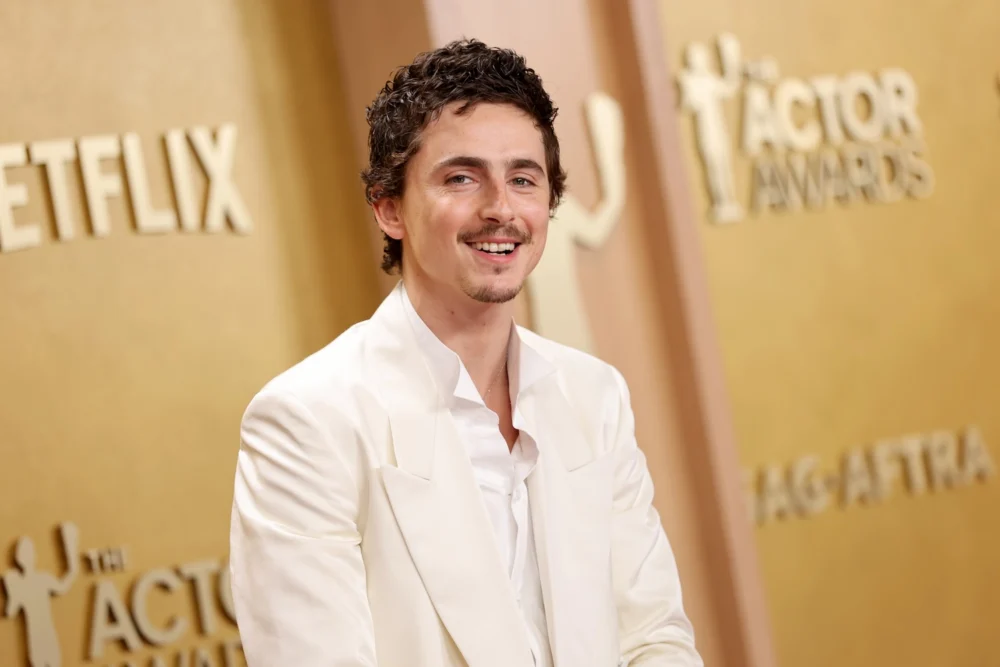
Hollywood star Timothée Chalamet has recently found himself at the center of a cultural firestorm, drawing considerable criticism for remarks he made regarding the perceived declining relevance of opera and ballet. The comments, delivered during a Variety/CNN town hall event where he reunited with his Interstellar co-star Matthew McConaughey, sparked an immediate and widespread backlash from within the classical arts community, reigniting a long-standing debate about the vitality and public perception of these historic art forms in the contemporary landscape.
The Genesis of the Controversy: A Town Hall on Modern Attention Spans
The contentious exchange took place last month as part of a high-profile Variety/CNN town hall. The discussion, moderated by industry veterans, primarily focused on the evolving dynamics of audience engagement, the impact of short-form digital content on attention spans, and their subsequent effects on box office turnouts and the pacing of modern screenplays. Chalamet, a prominent figure known for his roles in critically acclaimed films and blockbusters, was positioned as a voice of the younger generation navigating these shifts.
During the conversation, Chalamet initially expressed admiration for those who advocate for the preservation of cinematic experiences, acknowledging the sentiment of "Hey, we’ve got to keep movie theaters alive, we’ve gotta keep this genre alive." However, he quickly tempered this by asserting a more pragmatic, market-driven perspective: "And another part of me feels like if people want to see it, like Barbie, like Oppenheimer, they’re going to go see it and go out of their way to be loud and proud about it." This segment of his argument underscored a belief that genuine audience demand, evidenced by phenomena like "Barbenheimer," is the ultimate determinant of an art form’s survival and success, rather than a concerted effort to artificially sustain it.
The Incendiary Remarks on Classical Arts
It was the subsequent turn in his commentary that provoked the widespread outrage. Chalamet transitioned from discussing cinema to a broader generalization about other art forms, stating, "I don’t want to be working in ballet, or opera, or things where it’s like, ‘Hey, keep this thing alive, even though like no one cares about this anymore. All respect to the ballet and opera people out there. I just lost 14 cents in viewership. Damn, I just took shots for no reason.’"
This particular set of remarks, delivered with a casual dismissiveness and followed by a self-aware, almost jocular retraction about losing "viewership," quickly went viral. The perceived insinuation that ballet and opera are art forms nobody cares about, and are only sustained by an artificial "keep-alive" mentality, struck a raw nerve within communities dedicated to these disciplines. The "14 cents" quip, intended perhaps as lighthearted self-deprecation, was interpreted by many as an additional layer of disrespect, trivializing the profound cultural and artistic contributions of ballet and opera.
A Swift and Resounding Backlash: Institutional Responses
The digital sphere, particularly platforms like TikTok, Instagram, and X (formerly Twitter), became the primary arena for the ensuing backlash. Clips of Chalamet’s comments proliferated rapidly, drawing swift condemnation and passionate defenses of classical arts.
Leading the charge in official responses was the UK’s Royal Ballet And Opera, which issued a comprehensive statement to The Hollywood Reporter. Their response directly countered Chalamet’s assertion of irrelevance by highlighting the enduring influence and dynamic nature of ballet and opera. "Ballet and opera have never existed in isolation – they have continually informed, inspired, and elevated other art forms," the statement read. "Their influence can be felt across theatre, film, contemporary music, fashion, and beyond. For centuries, these disciplines have shaped the way artists create and audiences experience culture, and today millions of people around the world continue to enjoy and engage with them." This statement emphasized not just the historical significance but also the contemporary global reach and interdisciplinary impact of these arts, pointing to their foundational role in the broader cultural ecosystem. From the dramatic narratives and musical innovations that underpin countless film scores to the elaborate costume designs that inspire high fashion, and the choreographic principles that influence modern dance, the Royal Ballet underscored that these classical forms are far from isolated relics; they are living, breathing wellsprings of creativity.
Beyond formal statements, numerous prominent opera and ballet companies took to social media to engage with the controversy. The English National Opera, the Seattle Opera, and New York’s iconic Metropolitan Opera, among others, shared posts directly inviting Chalamet to attend performances, offering him an opportunity to experience the art forms firsthand and perhaps reconsider his perspective. These invitations were not just public relations maneuvers but genuine attempts to bridge a perceived gap in understanding, advocating for the immersive, visceral experience of live performance as a counterpoint to abstract opinions. The Met Opera, for instance, known for its grand productions and global reach through its Live in HD cinema series, implicitly demonstrated the modern accessibility and continued public appetite for opera.
Voices from the Stage: Individual Artists Speak Out
The individual artists, whose lives and careers are dedicated to these demanding art forms, also chimed in with powerful and personal rebuttals.
American opera singer Isabel Leonard expressed profound disappointment, writing in a widely shared comment: "Honestly, I’m shocked that someone so seemingly successful can be so ineloquent and narrow-minded in his views about art while considering himself as [an] artist as I would only imagine one would as an actor… To take cheap shots at fellow artists says more in this interview than anything else he could say. Shows a lot about his character. You don’t have to like all art but only a weak person/artist feels the need to diminish in fact the VERY arts that would inspire those who are interested in slowing down, to do exactly that." Leonard’s critique went beyond Chalamet’s opinion on opera and ballet, questioning his character and professional ethics as a fellow artist. She highlighted the interconnectedness of art forms and the potential for classical arts to offer a meditative, "slowing down" experience, a stark contrast to the fast-paced, short-form content Chalamet had discussed earlier. Her remarks resonated deeply, as they underscored a perceived lack of solidarity and respect within the broader artistic community.
Canadian opera singer Deepa Johnny echoed similar sentiments, calling Chalamet’s remarks a "disappointing take." She emphasized the unique magic of live performance: "There is nothing more impressive than the magic of live theatre, ballet and opera. We should be trying to uplift these art forms, these artists and come together across disciplines to do that." Johnny’s comments highlighted the communal responsibility of artists to support and celebrate diverse forms of expression, particularly those that offer unparalleled live experiences.
Irish opera singer Seán Tester offered a more intellectualized defense on his Instagram, asserting: "[This] is the kind of reductive take you hear when popularity is mistaken for cultural value… Opera and ballet have survived wars, revolutions, censorship, and centuries of cultural upheaval – not because they are relics, but because they are among the most physically and emotionally demanding art forms humanity has ever created… To call these art forms irrelevant says far less about the art itself than it does about how little time someone has spent truly experiencing it." Tester’s argument powerfully distinguished between ephemeral popularity and intrinsic cultural value. He underscored the incredible resilience of opera and ballet, not as static, historical curiosities, but as dynamic art forms that have weathered societal changes precisely because of their profound artistic merit and the immense human effort they demand. His final point suggested that Chalamet’s comments revealed a lack of personal engagement with these arts, rather than an objective truth about their standing.
A Pattern of Distaste and a Glimmer of Contradiction
While the recent comments sparked the most significant controversy, Chalamet’s distaste for opera and ballet is not entirely new. Reports and old social media posts indicate he has voiced similar sentiments multiple times in the past, suggesting a long-held personal opinion rather than an isolated gaffe. This historical context adds weight to the idea that his current remarks are deeply rooted in his personal artistic preferences and perceptions.
However, a curious contradiction exists. Despite his voiced aversion, Chalamet was once spotted wearing a New York City Ballet hat. While this might be a mere fashion choice or a casual accessory, it introduces a subtle complexity to his public stance, hinting at a potential, albeit perhaps unacknowledged, peripheral engagement or appreciation for the institutions themselves, if not the art form. This minor detail serves as a reminder that public personas can sometimes contain unexpected nuances.
The Broader Context: Classical Arts in the 21st Century
Chalamet’s comments, whether intended or not, tapped into a larger, ongoing discourse about the state of classical arts in the 21st century. While it is true that opera and ballet do not command the same mass-market box office figures as a Hollywood blockbuster, the notion that "no one cares about this anymore" is demonstrably false and overlooks significant efforts within the industry to modernize, diversify, and expand their audience base.
- Audience Engagement and Evolution: Far from being static, opera and ballet companies globally are actively innovating. They are commissioning new works, incorporating contemporary themes, experimenting with digital technologies (like live-streamed performances and virtual reality experiences), and engaging in extensive community outreach and educational programs. Initiatives such as the Metropolitan Opera’s "Live in HD" series, which broadcasts performances to cinemas worldwide, have dramatically expanded global access, reaching millions who might never set foot in an opera house. Similarly, ballet companies frequently collaborate with contemporary choreographers and designers, presenting modern interpretations alongside classical repertoire to attract younger, more diverse audiences.
- Cultural and Economic Impact: Opera and ballet are not just artistic endeavors; they are significant cultural institutions with considerable economic impact. They employ thousands of artists, technicians, administrators, and educators, contributing substantially to local economies through tourism, hospitality, and related industries. Beyond economics, their cultural value is immeasurable, serving as vehicles for storytelling, emotional expression, and the preservation of artistic heritage. They challenge audiences to engage deeply, to "slow down" as Isabel Leonard suggested, offering a profound contrast to the ephemeral nature of much modern media.
- Funding Challenges: It is true that classical arts often rely on a mix of ticket sales, philanthropy, and public funding, and many institutions face perennial financial challenges. This reality, however, makes comments like Chalamet’s particularly jarring, as they can inadvertently undermine public perception and support for art forms that already navigate complex funding landscapes. Advocating for the arts, rather than dismissing them, is often seen as a moral imperative for public figures with influence.
Implications and The Oscar Race
Fortunately for Chalamet, the timing of these viral comments mitigated any immediate professional repercussions in one crucial area: the Oscar race. The controversy erupted after Oscar voting had already concluded, meaning his remarks would not directly impact his chances for a Best Actor nomination for the current awards cycle. He was reportedly in a tight race with Sinners star Michael B. Jordan, whose opinions on opera and ballet remain unstated. Had the comments emerged during the voting window, the arts community’s powerful voice could potentially have influenced academy members, many of whom have deep connections to various artistic disciplines.
However, the broader implications for Chalamet’s public image and his relationship with the wider artistic community are less clear. While his primary audience might be focused on mainstream cinema, alienating a significant segment of the global arts world could lead to subtle shifts in perception. As a young actor with a burgeoning career, navigating the complexities of public discourse around culture and art will be an ongoing challenge. His comments have undoubtedly sparked a renewed conversation about the value of all art forms, forcing a critical examination of what constitutes "relevance" in an increasingly fragmented cultural landscape. The incident serves as a stark reminder that celebrity platforms, while powerful for promotion, also carry significant responsibility when engaging in cultural commentary.
