

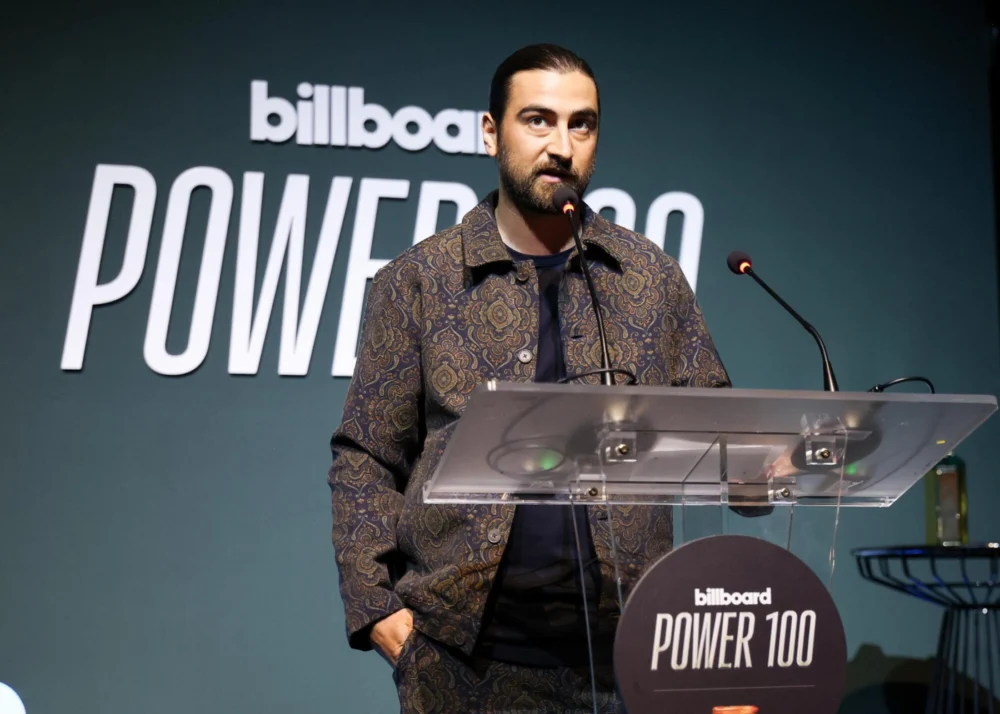
The recent public confrontation involving Grammy-nominated pop sensation Chappell Roan and a persistent crowd in Paris has ignited a fervent discussion within the music industry and among fans, with folk-rock singer-songwriter Noah Kahan emerging as a prominent voice in defense of artists’ privacy. Kahan, known for his candid commentary and recent chart-topping success, took to social media on Tuesday, March 10, to lambast what he termed "parasitic" autograph hounds, drawing a sharp distinction between genuine admirers and individuals who exploit celebrity access for commercial gain. His impassioned remarks underscore a growing tension between the public’s fascination with stars and the increasingly aggressive tactics employed by some to monetize that proximity.
The incident, which quickly went viral across social media platforms, depicted Chappell Roan visibly distressed as she attempted to navigate the streets of the French capital. The artist, whose meteoric rise has been characterized by her vibrant persona and authentic connection with her fanbase, found herself surrounded by individuals insistent on obtaining autographs and photographs. Her pleas for personal space were met with continued persistence, prompting her to record the encounter and share her frustration directly with her followers. This public display of boundary infringement resonated deeply with Kahan, who wasted no time in offering his unequivocal support and shedding light on the often-unseen realities faced by public figures.
The Paris Incident: A Chronology of Confrontation
The catalyst for this renewed debate unfolded a day prior to Kahan’s intervention, when a video recorded by Chappell Roan herself began circulating widely online. The clip captures a raw and vulnerable moment as Roan, attempting to go to dinner, is encircled by a throng of people. Her voice, laced with frustration, is heard addressing her phone camera: "I’m just trying to go to dinner, and I’ve asked these people several times to get away from me." Despite her clear request, the individuals continued to press in, some audible in the background clamoring for her signature or a photo opportunity.
Roan’s subsequent statements in the video painted a stark picture of her experience: "These are all the people that are completely disregarding my boundaries. All of you, I’m asking you kindly to please leave me alone and stop following me and harassing me. No, I’m not gonna sign. This is what it’s like, if you were wondering how it is." This direct address not only served as a personal record of her ordeal but also as an unfiltered glimpse into the constant invasion of privacy that often accompanies celebrity status, particularly in an age where every public appearance can be instantly documented and disseminated. The individuals’ insistence, often accompanied by declarations of being "huge fans," highlights a common tactic used by those seeking to legitimize their presence while pursuing their own objectives.
Noah Kahan’s Vocal Defense: Unmasking the "Scalpers"
Noah Kahan’s response was swift and emphatic. Utilizing his Instagram Story, a platform frequently used by artists for direct communication, Kahan first shared Billboard‘s coverage of Roan’s confrontation, adding his own concise but pointed commentary: "Maybe they should just idk leave her alone?" This initial reaction quickly escalated into a more detailed condemnation, drawing from his own experiences and observations within the industry.
"Also those dudes saying ‘I’m a huge fan’ following her around are scalpers and are as bad as the paparazzi," Kahan continued in a subsequent post. "F em all." This statement laid bare his belief that many individuals purporting to be fans in such situations are, in fact, operating with a commercial agenda. He further elaborated on this in a video message, explaining the calculated methods employed by these groups. "These people literally find out where you’re staying, where you’re flying in to, where your team, family, whoever is staying — they are clearly not your fans, they just sit outside places so they can try to guilt you into signing s so they can sell it."
Kahan underscored the manipulative nature of these interactions, noting how they can mislead the casual observer. "They trick people like you who are just watching the video and don’t know what’s going on into thinking that someone’s being rude to one of their fans, when they’re really just manipulating you," he asserted. His strong conclusion left no room for ambiguity: "They’re scummy, they’re manipulative, they’re parasitic, and, yeah. F*** them, seriously. Don’t feel bad for them." Kahan’s use of terms like "parasitic" and "scummy" reflects a deep-seated frustration with a practice that he views as exploitative and harmful to artists.
The Broader Issue: The Economics of Autograph Scalping
Kahan’s distinction between genuine fans and "scalpers" highlights a significant problem that has plagued the entertainment industry for decades, but which has intensified in the digital age. Autograph scalping, or the practice of obtaining signed memorabilia for resale at inflated prices, thrives on the perceived rarity and personal connection associated with celebrity signatures. A thriving secondary market, fueled by online auction sites and specialized dealers, incentivizes individuals to aggressively pursue artists for autographs. Items signed by popular artists can fetch hundreds, even thousands, of dollars, transforming a seemingly innocuous fan interaction into a lucrative business venture for some.
This economic incentive often leads to highly intrusive behaviors. "Scalpers" are known to meticulously track celebrity movements, using flight information, hotel bookings, and event schedules to intercept artists in private moments. They frequently operate in groups, creating intimidating crowds that can overwhelm security personnel and make artists feel unsafe. The psychological toll on artists is considerable, as every public outing becomes a potential confrontation, eroding their sense of personal freedom and blurring the lines between their public and private lives. It also undermines the authentic interactions artists wish to have with their true fans, who might be unfairly grouped with these commercial opportunists.
Background Context: The Ascent of Chappell Roan

Chappell Roan’s current prominence makes her a prime target for such incidents. The artist, born Kayleigh Rose Amstutz, has experienced a meteoric rise in recent years, cultivating a devoted fanbase with her unique blend of synth-pop, theatrical stage presence, and unapologetically queer anthems. Her album The Rise and Fall of a Midwest Princess, released in 2023, garnered critical acclaim and propelled her into the mainstream. Songs like "Hot to Go!" and "Good Luck, Babe!" have become viral sensations, solidifying her status as a cultural phenomenon.
Her vibrant aesthetic and genuine connection with her audience, particularly within the LGBTQ+ community, have fostered a strong sense of community around her music. However, this intense popularity also comes with increased scrutiny and a heightened risk of encounters like the one in Paris. As her star continues to ascend, the challenges of maintaining personal boundaries in the public eye will undoubtedly grow, making the need for vocal allies like Noah Kahan even more critical. It is important to note that while the original article referred to her as a "Grammy winner," Chappell Roan has received significant Grammy nominations, signifying her industry recognition, but has not yet won an award. This detail underscores her current critical acclaim and high profile, making her a target for those seeking to profit from her fame.
Shared Experiences and Industry Solidarity
The incident in Paris is not an isolated event, nor is it Chappell Roan’s first encounter with boundary-pushing individuals. In 2024, Roan made headlines for asserting herself against a photographer on the VMAs red carpet who had allegedly directed disrespectful language towards her. This prior instance demonstrated her willingness to confront inappropriate behavior directly.
Significantly, Noah Kahan was quick to applaud her then as well, posting on X (formerly Twitter): "I’ll never forget leaving [the] Clive Davis [pre-Grammy gala] and the horrific s*** photographers and paparazzi or whatever were saying to me in front of my sweet mom who couldn’t believe it was actually happening. Love this @ChappellRoan way to stand up for yourself." Kahan’s candid recollection of his own unsettling experience, particularly involving his mother, adds a layer of personal resonance to his defense of Roan. It highlights that the issue transcends individual artists, representing a systemic problem of harassment and disrespect within the celebrity ecosystem.
Many other artists have voiced similar frustrations. Billie Eilish has spoken out about the constant invasion of her privacy, while Ariana Grande has frequently addressed the emotional toll of relentless paparazzi and fan intrusion. The digital age, with its ubiquitous smartphones and instant sharing capabilities, has only intensified these pressures. Social media platforms, while invaluable for direct artist-fan connection, also provide avenues for individuals to track and converge on public figures with unprecedented ease. This creates a challenging environment where artists must constantly balance accessibility with the fundamental need for personal space and safety.
Implications and the Evolving Landscape of Celebrity Interaction
Noah Kahan’s strong condemnation of autograph scalpers and his unwavering support for Chappell Roan’s right to privacy have significant implications for the broader discourse surrounding celebrity culture. Firstly, it reinforces the growing trend of artists using their platforms to openly discuss the negative aspects of fame, challenging the long-held expectation that public figures must simply endure intrusive behavior. This collective voice from artists like Kahan and Roan is gradually shifting public perception, making it harder for "parasitic" behaviors to be normalized or excused.
Secondly, it forces a re-evaluation of what constitutes "fandom." Kahan’s distinction between genuine fans and those with commercial intent encourages critical thinking among the public about the motivations behind certain interactions. It subtly educates viewers about the predatory nature of scalping, potentially reducing the unwitting support or sympathy extended to those who engage in such practices.
Finally, the incident highlights the ongoing struggle for public figures to maintain a semblance of normal life in an era of hyper-connectivity. While artists appreciate and rely on their fans, there is a clear demand for boundaries to be respected. Industry responses have included tighter security protocols at events, controlled fan engagement opportunities (like official meet-and-greets), and public awareness campaigns. However, the pervasive nature of social media and the ease of information sharing mean that artists and their teams face an uphill battle in curbing unsolicited intrusions into their private lives.
Noah Kahan’s Platform: Music and Advocacy
Kahan’s outspokenness comes at a pivotal moment in his career. The Vermont native is currently gearing up for the release of his highly anticipated album, The Great Divide, scheduled for April 24. The project’s title track, which debuted on January 30, has already achieved significant success, topping the Alternative Airplay chart and reaching No. 6 on the Billboard Hot 100. This impressive commercial and critical momentum provides Kahan with a powerful platform, amplifying his voice on issues he deems important. His willingness to use this influence to advocate for fellow artists and speak out against exploitative practices further solidifies his reputation as an artist of integrity and conviction.
In conclusion, the confrontation involving Chappell Roan in Paris and Noah Kahan’s subsequent defense serve as a stark reminder of the complex and often challenging realities of modern celebrity. It underscores the critical need for respecting personal boundaries, differentiating between genuine admiration and commercial exploitation, and fostering a healthier, more ethical environment for artists to thrive. As the conversation around celebrity privacy continues to evolve, the voices of artists like Kahan and Roan are instrumental in advocating for change and fostering a greater understanding of the human experience behind the public persona.
