

The recent viral video of pop sensation Chappell Roan confronting persistent paparazzi in Paris has ignited a fervent discussion across social media platforms, drawing a controversial intervention from music icon Boy George. The former Culture Club frontman, known for his distinctive persona and decades-long career in the public eye, took to X (formerly Twitter) on Tuesday, March 10, 2026, to offer unsolicited advice to Roan, suggesting she embrace her fame rather than resist the intrusive attention. His comments, however, swiftly drew a wave of criticism, with many X users defending Roan’s right to set boundaries and pointing to George’s own tumultuous past, including a 2009 conviction for false imprisonment. The incident underscores a generational and philosophical divide on how celebrities navigate the relentless scrutiny of the digital age, particularly concerning privacy and the omnipresent paparazzi culture.
Chappell Roan’s Ascendancy and the Battle for Boundaries
Chappell Roan, born Kayleigh Rose Amstutz, has rapidly ascended to prominence with her vibrant, theatrical pop persona, characterized by elaborate makeup, glitter, and a fiercely independent spirit. Her music, often exploring themes of queer identity and self-empowerment, has resonated deeply with a growing global fanbase, transforming her into a genuine cultural phenomenon. This surge in popularity, particularly following her acclaimed album "The Rise and Fall of a Midwest Princess" and extensive touring, has inevitably brought with it increased public scrutiny and the often-unwanted attention of paparazzi.
Roan has not shied away from publicly addressing instances where she feels her personal space and boundaries are violated. Her consistent stance on this issue has become a hallmark of her public image, distinguishing her from many artists who might silently endure such intrusions. This principled approach has garnered her widespread admiration, especially among younger artists and fans who are increasingly vocal about mental health and personal well-being in the spotlight.
A Chronology of Confrontations and Commentary
The current controversy stems from a video that began circulating widely in early March 2026, depicting Chappell Roan amidst a throng of paparazzi in Paris. In the clip, filmed selfie-style by Roan herself, she can be heard repeatedly asking the photographers to back away, stating, "I’ve asked these people several times to get away from me." She then turns the camera towards the group, explicitly identifying them as "all the people that are completely disregarding my boundaries." The video quickly went viral, with millions viewing and sharing her defiant stand against what many perceived as aggressive and disrespectful behavior.
This incident in Paris was not an isolated event but rather the latest in a series of public confrontations initiated by Roan. At the 2024 MTV Video Music Awards red carpet, she notably challenged a photographer who allegedly told her to "shut the f** up," turning the tables on the often-unaccountable figures behind the lens. Later that same year, at the premiere of the Olivia Rodrigo: Guts World Tour* film, Roan once again called out a photographer, referencing a previous instance where he had been rude to her. These repeated actions have solidified her reputation as an artist unafraid to advocate for herself and demand respect, even in the face of intense media pressure.
The impact of Roan’s boundary-setting became evident on broader industry stages. At the 2026 Grammy Awards, fellow pop artist Sabrina Carpenter publicly acknowledged Roan’s influence, remarking on the unusually "quiet" red carpet photographers and crediting Roan by saying, "Chappell really started a movement." This statement from a peer highlighted the growing recognition and appreciation for Roan’s efforts to redefine the celebrity-paparazzi dynamic.
Boy George’s Controversial Intervention
It was against this backdrop that Boy George chose to weigh in. On March 10, 2026, he posted on X, sharing his perspective shaped by decades of fame. He began by acknowledging the difficulty of his advice, stating, "It’s probably not helpful but I have been doing this fame thing for a while and you learn slowly and painfully that you don’t get a free pass once you turn yourself into a bird of paradise." He then directly tagged Roan, advising her to "own your fame" and to "cheer up girl. The world is at your feet stop kicking it!" George further elaborated on his philosophy, declaring, "boundaries are boring" and suggesting Roan should "break them with the magic of kindness."
The essence of George’s advice seems rooted in an older paradigm of celebrity, where a certain level of public intrusion was often accepted as an inherent cost of fame. His metaphor of transforming into a "bird of paradise" suggests that once an artist embraces a flamboyant public persona, they implicitly waive some rights to conventional privacy. This perspective, however, clashes sharply with contemporary discussions around consent, mental health, and the right to personal space, even for public figures.
Public Backlash and Historical Recalls
The immediate reaction to Boy George’s tweet was overwhelmingly negative. X users swiftly rallied to Chappell Roan’s defense, expressing outrage at what they perceived as an insensitive and tone-deaf intervention. Many questioned the validity of his advice, particularly given his own controversial past. One user succinctly captured the sentiment, asking, "Why is everyone so eager to tell women to just take unwanted attention?"
The most stinging critiques, however, directly referenced George’s 2009 conviction. As one user starkly put it, "Maybe she should handcuff someone to a radiator instead next time." This pointed remark alluded to George’s sentencing to 15 months in jail for handcuffing a male escort to a radiator and beating him with a metal chain in London in 2007. The stark contrast between his advice to Roan—to respond with "kindness" and dismiss "boundaries"—and his own history of violent boundary violation resonated deeply with critics, undermining the moral authority of his counsel. The public saw a significant disconnect between his words and his past actions, perceiving his unsolicited advice as hypocritical and inappropriate.
Industry Solidarity: Noah Kahan’s Defense
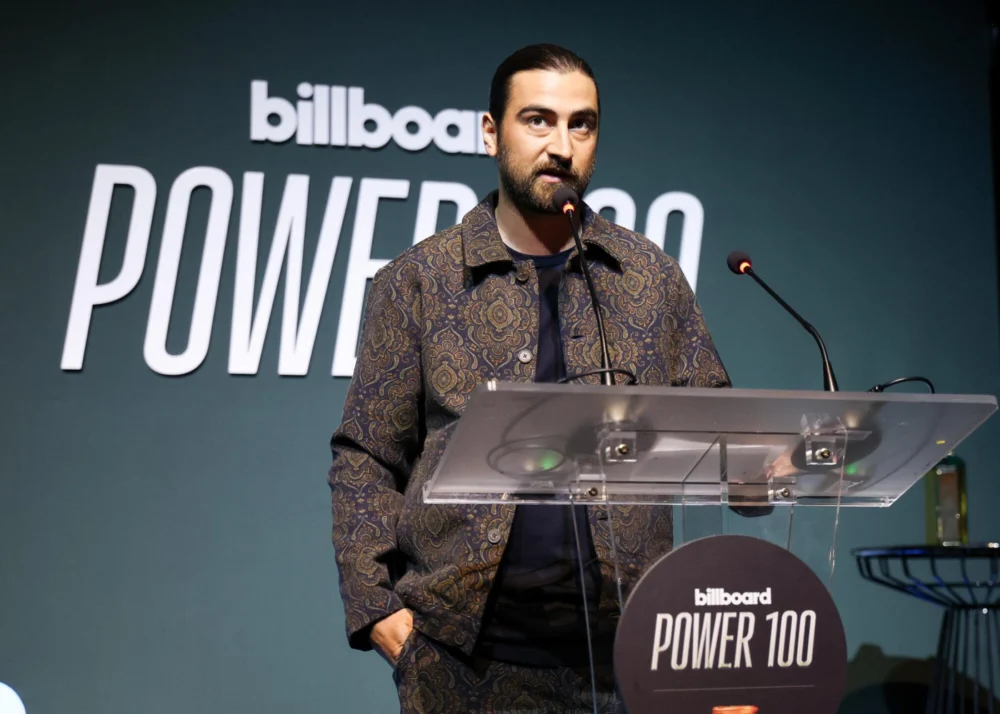
While Boy George’s comments drew ire, other prominent figures within the music industry offered staunch support for Chappell Roan. Folk-rock singer/songwriter Noah Kahan took to his Instagram Stories on the same day to defend the "Pink Pony Club" singer. In his initial post, Kahan queried, "Maybe they should just idk leave her alone?"
He followed up with a video elaborating on his discomfort with paparazzi culture and sharing his own experiences. Kahan painted a vivid picture of the intrusive nature of paparazzi, stating, "These people literally find out where you’re staying, where you’re flying in to, where your team, family, whoever is staying." He also exposed what he views as the predatory economic motive behind their actions, asserting, "They are clearly not your fans, they just sit outside places so they can try to guilt you into signing sh** so they can sell it." Kahan’s firsthand account provided crucial context, highlighting the commercial exploitation inherent in many paparazzi encounters, further validating Roan’s resistance. His solidarity underscored a growing consensus among contemporary artists regarding the need for stricter boundaries and greater respect for their privacy.
The Evolving Landscape of Fame and Privacy
The exchange between Boy George, Chappell Roan, and the public illuminates a fundamental tension in the modern celebrity ecosystem: the right to privacy versus the demands of public life. Historically, paparazzi have operated in a largely unregulated space, often justifying their actions under the banner of public interest or freedom of the press. High-profile incidents, such as the tragic death of Princess Diana, brought the ethics of paparazzi behavior into sharp focus, leading to some legislative changes and a greater public awareness of their impact. However, the rise of social media has complicated this dynamic further. While artists can now directly communicate with their fans, bypassing traditional media gatekeepers, they also face an ever-present digital gaze and the potential for their every move to be documented and scrutinized.
Boy George’s "own your fame" philosophy echoes a sentiment common among older generations of celebrities who learned to either tolerate or strategically leverage paparazzi attention. In an era before pervasive social media, controlling one’s image often meant engaging, to some extent, with the tabloid machine. His advice to find "kindness" in the face of intrusion might stem from a belief that resistance only fuels the fire, or that a positive attitude can disarm aggressive photographers.
However, Chappell Roan and her contemporaries represent a new guard. This generation of artists, many of whom grew up with the internet and social media, possess a heightened awareness of mental health, digital privacy, and personal autonomy. They are more empowered to dictate the terms of their engagement with the public and are less willing to accept intrusive behavior as an inevitable consequence of success. Roan’s actions are not merely reactive; they are proactive attempts to redefine the boundaries of celebrity, challenging the unspoken rules that have long governed interactions between public figures and the press. Her "movement," as acknowledged by Sabrina Carpenter, suggests a collective shift where artists are increasingly taking control of their narratives and demanding respect for their personal lives.
Implications for Media Ethics and Celebrity Culture
This ongoing debate has significant implications for media ethics and the future of celebrity culture. It forces a re-evaluation of the responsibilities of media outlets, photographers, and even the public in consuming celebrity content. Is the public’s right to know superseded by an individual’s right to privacy? When does journalistic pursuit cross into harassment? These questions remain central to the discussion.
Chappell Roan’s unwavering commitment to setting boundaries, even without directly responding to Boy George’s recent comments at the time of publication, serves as a powerful testament to her principles. Her actions, amplified by social media and supported by peers like Noah Kahan, contribute to a broader cultural conversation about respect, consent, and the evolving nature of fame. As the lines between public and private life continue to blur in the digital age, the "Chappell Roan movement" may very well usher in a new era where celebrity, while still under scrutiny, is managed with a greater emphasis on personal well-being and defined boundaries. The clash of philosophies, exemplified by George’s advice and Roan’s actions, highlights the profound generational shift occurring in how artists navigate the complex and often unforgiving landscape of global stardom.
