

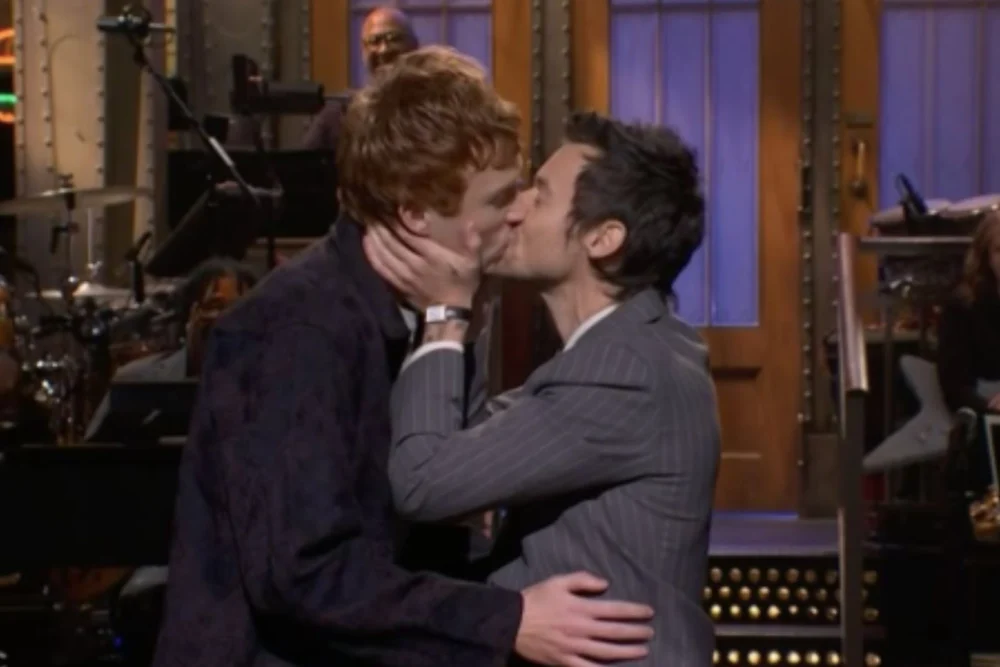
Global music sensation Harry Styles made a highly anticipated return to the iconic Saturday Night Live stage on Saturday, March 14, marking his second occasion as both host and musical guest. The multifaceted artist delivered an episode that resonated widely, most notably for a segment in his opening monologue where he directly addressed years of persistent queerbaiting allegations with a self-aware joke that garnered significant media attention before the broadcast even concluded. This appearance served as a pivotal moment, launching the promotional cycle for his recently released fourth studio album, Kiss All the Time. Disco, Occasionally, and setting the stage for his ambitious new global residency tour.
The Monologue: Addressing the Queerbaiting Discourse
Styles’ monologue, a traditional centerpiece of any SNL episode, began with his characteristic charm and understated humor. Reflecting on his period away from the music spotlight since the conclusion of his immensely successful Love on Tour in 2023, he playfully mused about becoming "tremendously boring." He joked that without the constant demands of touring and recording, his hobbies had become mundane, and people only feigned interest due to his celebrity status. This lighthearted self-deprecation quickly pivoted to a more substantial and keenly awaited topic: the ongoing discourse surrounding queerbaiting.
The term "queerbaiting" has been a significant point of discussion within popular culture, particularly concerning male artists who adopt gender-fluid aesthetics or exhibit ambiguity regarding their sexuality without explicitly identifying as LGBTQ+. Critics argue that this can be perceived as profiting from queer aesthetics and cultural capital without facing the real-world consequences or committing to genuine representation. For years, Styles has been at the center of this conversation, largely due to his flamboyant, gender-neutral fashion choices – frequently donning dresses, skirts, and other traditionally feminine attire – and his often-playful interactions with fans and media that some interpret as suggestive of a non-heterosexual identity.
In a moment that brought the house down, Styles leaned into this controversy. He acknowledged that fans and media alike had "fixated" on his clothing and personal life, a clear nod to the constant speculation. The monologue then built to its comedic climax with a series of escalating remarks about kissing. Repertory players Chloe Fineman and Sarah Sherman each made brief appearances, feigning dismay and exiting as Styles’ comments became increasingly pointed. The punchline arrived when featured player Ben Marshall appeared onstage, and Styles, without hesitation, leaned in for a brief, theatrical kiss. "Now that’s queerbaiting," Styles declared with a knowing wink, eliciting a roar of laughter and applause from the studio audience.
This direct, albeit comedic, engagement with the queerbaiting allegations marked a significant public acknowledgment from Styles. While some commentators praised the move as a clever and humorous way to diffuse tension and take ownership of the narrative, others suggested it might inadvertently trivialize a serious concern for members of the LGBTQ+ community who seek authentic representation rather than ambiguous gestures. The immediate and widespread reaction across social media platforms underscored the cultural weight of the topic and Styles’ central role in it.
Musical Performances and Esteemed Guest Introductions
Beyond the headline-grabbing monologue, Styles delivered two captivating musical performances from his new album, Kiss All the Time. Disco, Occasionally. The 12-track album, a collaborative effort produced by the acclaimed duo Kid Harpoon and Tyler Johnson, was released just over a week prior, on March 6, generating considerable anticipation among fans and critics alike.
His first musical segment featured the track "Dance No More," a vibrant, energetic number that showcased his evolving sound, blending elements of pop, disco, and contemporary R&B. The performance was introduced by an unexpected and high-profile surprise guest: actor Ryan Gosling. This appearance was a reciprocal gesture, as Styles had famously crashed Gosling’s monologue during the previous week’s SNL episode, adding a layer of inter-show camaraderie that delighted viewers.
The second performance of the night was particularly poignant, as Styles took to the piano to perform "Coming Up Roses." This ballad, rich with melodic complexity and introspective lyrics, offered a different facet of his new album’s sonic landscape. The introduction for this performance came from none other than legendary singer-songwriter Paul Simon, a testament to Styles’ esteemed position in the music industry. The tribute was particularly fitting, given Styles’ longstanding admiration for Simon’s work. He has publicly cited Simon as a profound influence on his songwriting, even describing One Direction’s "Walking in the Wind" as a direct homage to Simon’s seminal album, Graceland. The presence of such a revered figure underscored the artistic depth and ambition behind Styles’ latest musical endeavor.
A Deep Dive into Harry Styles’ SNL Legacy

This latest appearance marked Styles’ eighth overall visit to the Saturday Night Live stage, a remarkable record for an artist of his generation. His history with the show began during his tenure with the global phenomenon One Direction, where the band made multiple memorable appearances. His first solo turn as host and musical guest came during Season 45 in 2019, an episode that cemented his status as a formidable solo entertainer capable of commanding both comedic and musical segments.
Saturday Night Live, now in its fifth decade, holds a unique place in American popular culture. It serves not only as a launching pad for comedic talent but also as a crucial platform for musicians, actors, and political figures to connect with a vast, live audience. An SNL hosting gig is often seen as a rite of passage for cultural icons, a testament to their relevance and ability to adapt to the show’s demanding live format. Styles’ repeated returns underscore his consistent appeal and versatility, allowing him to showcase his evolving persona and musical artistry to millions. The show’s ability to create viral moments, like Styles’ queerbaiting joke, reinforces its enduring power as a cultural barometer.
The Evolution of a Global Icon: Album, Tour, and Accolades
Kiss All the Time. Disco, Occasionally represents Styles’ fourth studio album, following a string of critically and commercially successful releases that have established him as one of the most significant artists of the 21st century. His solo career, launched after One Direction’s hiatus, has been characterized by a willingness to experiment with genres, a strong sense of personal style, and an authentic connection with his diverse fanbase. His previous albums, including his self-titled debut and the Grammy-winning Fine Line and Harry’s House, have consistently pushed artistic boundaries while maintaining broad appeal.
The album’s release on March 6 was met with eager anticipation, building on the momentum of his prior successes. Producers Kid Harpoon and Tyler Johnson have been instrumental in shaping Styles’ signature sound, contributing to the sophisticated pop sensibilities and intricate arrangements that define his work. Their continued collaboration on Kiss All the Time. Disco, Occasionally signals a cohesive artistic vision that allows Styles to explore new sonic territories while retaining his core identity.
To support the new album, Styles has embarked on the Together, Together Tour, an ambitious 50-show residency run across seven major cities worldwide. This tour format, which involves extended stays in specific locations rather than a traditional continuous global trek, offers fans a unique opportunity for multiple show experiences in key cultural hubs. The selected cities—Amsterdam, London, New York, Melbourne, and Sydney, among others—reflect Styles’ global appeal and strategic approach to touring, maximizing engagement in diverse markets. This residency model has become increasingly popular among top-tier artists, allowing for deeper engagement with local fanbases and reducing the logistical complexities of constant travel.
Styles’ journey from boy band member to global solo superstar is punctuated by numerous accolades. He is a three-time Grammy Award winner, a testament to his musical prowess and impact. In 2021, he took home Best Pop Solo Performance for his hit single "Watermelon Sugar," a track that became an anthem of summer joy. His third studio album, Harry’s House, released in 2022, was a critical darling and commercial juggernaut, earning him both Best Pop Vocal Album and the coveted Album of the Year award at the 2023 Grammys. These awards underscore his consistent ability to produce critically acclaimed and commercially successful music, solidifying his status as a modern pop icon.
Broader Implications and Cultural Impact
Harry Styles’ latest Saturday Night Live appearance was more than just a promotional stop; it was a cultural event. His decision to address the queerbaiting allegations directly, albeit humorously, in such a public forum signals a nuanced engagement with contemporary identity politics. In an era where celebrity authenticity and representation are under constant scrutiny, his approach will undoubtedly spark further discussion and analysis across media and academic spheres.
The strategic timing of his SNL hosting duties, closely following the release of Kiss All the Time. Disco, Occasionally, effectively leveraged the show’s massive reach to introduce new material to a vast audience. The inclusion of legendary figures like Paul Simon and popular stars like Ryan Gosling elevated the episode beyond typical promotional fare, imbuing it with a sense of significance and star power that only SNL can truly facilitate.
As Harry Styles continues to evolve as an artist, actor, and cultural figure, his choices—whether in fashion, music, or public statements—resonate globally. His latest SNL performance serves as a powerful reminder of his unique position in popular culture: an artist who effortlessly blends commercial appeal with artistic integrity, consistently pushing boundaries while remaining deeply connected to his audience. The episode not only showcased his new music and comedic chops but also demonstrated his willingness to engage with complex public discussions, further cementing his legacy as a multifaceted and influential entertainer of his generation.
