

By Alejandra Orellana
September 29, 2025
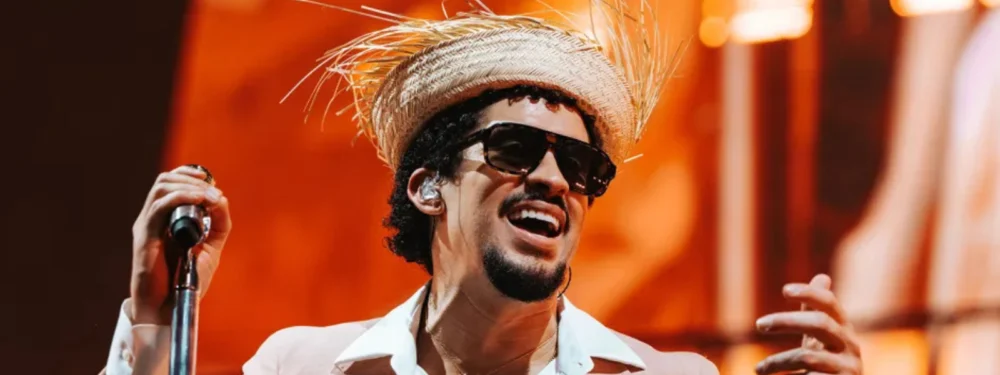
Bad Bunny, the global music phenomenon hailing from Puerto Rico, has concluded his record-breaking residency on his home island, a multi-month spectacle that has not only captivated millions but also injected an unprecedented economic surge into the Puerto Rican economy. The "Una Más" shows, a series of performances culminating on Saturday, September 20, 2025, have been hailed as a landmark event, demonstrating the profound influence of a single artist on a national scale. Estimates suggest the residency will boost the island’s economy by hundreds of millions of dollars, a testament to the artist’s immense draw and the dedicated fanbase he mobilizes.
The sheer volume of attendees, estimated at approximately 600,000 individuals who traveled to Puerto Rico specifically for the concerts, underscores the immense appeal of Bad Bunny and his latest album, "Debí Tirar Más Fotos." These fans, a significant portion of whom were international tourists, did not merely attend the concerts; they immersed themselves in the vibrant tapestry of Puerto Rican culture. The extended stays reported by many attendees, transforming concert visits into comprehensive vacations, translated into substantial spending across hotels, dining establishments, retail sectors, and various local activities. This widespread economic engagement signifies a multifaceted benefit to Puerto Rico, extending far beyond ticket sales.
A Star-Studded Showcase of Talent and Culture
The "Casita," a central and symbolically significant element of Bad Bunny’s stage production, inspired by a real-life Puerto Rican home, served as a focal point for an array of high-profile guests. The exclusive parties held at this iconic venue attracted a constellation of international and regional megastars, including Ricky Martin, Becky G, LeBron James, and Austin Butler, among many others. This celebrity presence not only amplified the spectacle but also generated significant global media attention, further bolstering Puerto Rico’s visibility as a premier destination.
Crucially, Bad Bunny’s commitment to showcasing Puerto Rican talent was evident in the entirely local lineup of guest artists who joined him on stage. This roster featured prominent figures such as The Marías, Rauw Alejandro, and Ivy Queen, each contributing their unique artistry to the performances. This deliberate curation of Puerto Rican artists not only provided an unforgettable experience for the audience but also served as a powerful platform for local musicians, reinforcing their cultural significance and further channeling economic support back into the island’s creative industries. The collaborative spirit fostered during these performances highlighted a unified front of artistic excellence originating from Puerto Rico.
Economic Impact: Beyond the Concert Gates
The economic impact of Bad Bunny’s residency is a subject of extensive analysis by local economists and tourism officials. Initial projections, based on preliminary data from hotel occupancy rates, restaurant revenues, and retail sales figures during the residency period, indicate a substantial uplift. While precise final figures are still being compiled, industry experts are confident that the total economic injection will surpass initial conservative estimates, potentially reaching upwards of $300 million. This figure encompasses direct spending by tourists and indirect economic benefits derived from increased employment in the hospitality and service sectors.
A detailed breakdown of spending patterns reveals that a significant portion of tourist expenditure was allocated to accommodations, with hotels across San Juan and surrounding areas reporting near-full occupancy for the duration of the residency. Restaurants and local eateries also experienced a marked increase in patronage, with many reporting revenue growth of 30-40% compared to the same period in previous years. Furthermore, the retail sector, including souvenir shops and boutiques, witnessed a considerable uptick in sales as concertgoers explored the island and sought to take a piece of Puerto Rico home with them. Beyond these tangible economic indicators, the residency also stimulated demand for local tour operators and activity providers, from historical site visits to adventure excursions, diversifying the economic benefits across a broader spectrum of the island’s tourism offerings.
A Residency Rooted in Local Identity
Bad Bunny’s artistic vision for his residency transcended mere entertainment; it was deeply rooted in a profound respect and celebration of Puerto Rican life and identity. The emphasis on representing the everyday experiences of local residents within the show’s narrative was a deliberate choice, aimed at creating a connection that resonated beyond the international allure. While international visitors undoubtedly provided a significant economic boost, Bad Bunny consistently reiterated that these performances were fundamentally for the people of Puerto Rico.

This commitment to local accessibility was exemplified by the ticketing strategy for the initial shows. Tickets were exclusively available for in-person purchase at 17 designated locations across the island. This approach ensured that a substantial number of Puerto Rican residents, who might otherwise have been priced out or faced logistical challenges with online sales, had the opportunity to attend. This thoughtful distribution method fostered a sense of inclusivity and community ownership of the event, solidifying the residency’s status as a cultural moment for the island itself. The logistical planning involved in this in-person ticketing system also provided employment opportunities for many local individuals who assisted in managing the sales points.
Legacy and Future Implications
Bad Bunny’s influence as an artist and cultural figure is immeasurable. His ability to mobilize a global audience and, in turn, significantly bolster a national economy places him in a rare echelon of musical titans. His explicit commitment to using his platform to uplift and support his fellow Puerto Ricans cements his legacy not just within the music industry, but as a vital cultural ambassador. The economic stimulus generated by this residency is expected to have a lasting positive effect, potentially attracting future large-scale events and investments to the island.
Looking ahead, Bad Bunny’s star continues to ascend. He has already garnered significant award recognition, with multiple nominations for the upcoming Billboard Latin Music Awards and Latin Grammy Awards. These accolades further underscore his dominance in the Latin music scene and his broad appeal across diverse audiences.
Furthermore, the announcement of Bad Bunny headlining the Super Bowl LX halftime show in February 2026 has sent ripples of excitement through the entertainment world. This prestigious platform will undoubtedly provide another immense opportunity to showcase his artistry on a global stage, further solidifying his position as one of the most influential figures in contemporary popular culture. The "Debí Tirar Más Fotos" world tour continues to sell out dates, demonstrating the sustained demand for his live performances. The Super Bowl appearance, in particular, is anticipated to further amplify interest in his music and, by extension, his cultural heritage, potentially inspiring a new wave of tourism and cultural exchange related to Puerto Rico.
A Timeline of Impact
The Bad Bunny residency was not a fleeting event but a meticulously planned series of performances that unfolded over several months, allowing for sustained economic engagement and cultural immersion.
- Early 2025: Discussions and initial planning for a significant Puerto Rican residency by Bad Bunny begin. The artist expresses a strong desire to give back to his home island.
- May 2025: Official announcement of the "Una Más" residency, including a multi-month schedule of dates at a prominent venue in Puerto Rico. The focus on local engagement and economic benefit is highlighted.
- June 2025: Ticketing for the initial shows commences with the unique in-person distribution strategy across 17 locations on the island, prioritizing local fans. Demand far exceeds expectations.
- July – September 2025: The residency performances begin. Each show features a diverse lineup of internationally recognized artists and prominent Puerto Rican musical talents. Economic indicators across the island show a noticeable upward trend in tourism and consumer spending. Media coverage intensifies, focusing on both the artistic spectacle and the economic impact.
- September 20, 2025: The final "Una Más" performance takes place, marking the conclusion of the residency. Bad Bunny delivers an emotional farewell, emphasizing love and gratitude.
- Late September 2025: Preliminary economic impact reports begin to emerge, with initial estimates suggesting a boost in the hundreds of millions of dollars. Tourism officials express optimism about sustained growth.
- October 2025 – February 2026: Bad Bunny continues his "Debí Tirar Más Fotos" world tour. Nominations for major music awards are announced, reflecting his continued critical and commercial success. Preparations for the Super Bowl LX halftime show begin to gain momentum.
Reactions and Analysis
Local business owners and community leaders have largely lauded the impact of the residency. Maria Rodriguez, owner of a popular restaurant in Old San Juan, stated, "We have seen an incredible influx of people. Not just tourists, but people who are genuinely excited about Puerto Rico. Bad Bunny has given us a gift, not just through the music, but through the economic lifeline he’s provided."
Tourism officials echoed these sentiments, highlighting the strategic importance of such high-profile events. "This residency has put Puerto Rico on the global map in a way that few other events could," commented Juan Carlos Perez, spokesperson for the Puerto Rico Tourism Company. "The economic benefits are undeniable, but the cultural pride and renewed sense of identity that this has fostered among our people are perhaps even more significant."
Analysts suggest that the success of this residency could serve as a blueprint for future large-scale cultural events in Puerto Rico, emphasizing the importance of artist-led initiatives that prioritize local engagement and economic sustainability. The model of leveraging a popular artist’s influence for national economic benefit, while simultaneously celebrating local culture, presents a compelling case for similar ventures in other regions facing economic challenges. The dual focus on international appeal and grassroots accessibility proved to be a winning formula, demonstrating that cultural phenomena can indeed drive significant tangible economic outcomes.
