

The digital architecture of the music industry has undergone a radical transformation over the last decade, shifting from centralized social media profiles to a decentralized model where the "link in bio" serves as the primary gateway to an artist’s ecosystem. As platforms like Instagram, TikTok, and X (formerly Twitter) restrict users to a single external URL, the efficiency of that link has become a critical factor in an artist’s commercial success. Jesse Cannon, a renowned music marketing expert, producer, and author of the influential industry guide Get More Fans, has recently concluded an extensive evaluation of the "link in bio" sector. His findings suggest that Koji, a platform built on a modular "mini-app" framework, represents the most significant advancement in digital artist management to date. By moving beyond a simple list of hyperlinks and into a fully integrated digital storefront, Koji is providing musicians, producers, and instrumentalists with the tools necessary to monetize their audience directly and improve the user experience of their fan base.
The Evolution of the Artist’s Digital Gateway
The concept of a "link in bio" originated as a workaround for social media limitations, primarily on Instagram, which historically did not allow links within post captions. Early solutions like Linktree offered a rudimentary list of buttons, directing fans to Spotify, YouTube, or Apple Music. However, as the creator economy has matured into a multi-billion dollar industry, the requirements for these landing pages have shifted from simple redirection to active engagement and conversion.

According to market data, the creator economy is currently valued at approximately $250 billion, with projections suggesting it could reach $480 billion by 2027. Within this framework, musicians are increasingly seeking ways to bypass the "middleman" of streaming services, where royalty rates often hover between $0.003 and $0.005 per stream. The move toward platforms like Koji reflects a broader industry trend known as Direct-to-Fan (D2F) marketing. By utilizing a sophisticated landing page, artists can capture email addresses, sell digital goods, and offer exclusive experiences without the fan ever leaving the social media app where they first discovered the artist.
Expert Analysis: Jesse Cannon on the First Impression Economy
Jesse Cannon’s endorsement of Koji is rooted in the psychology of fan acquisition. Cannon, who has spent decades working with both underground acts and major label artists, emphasizes that the initial interaction a potential fan has with an artist’s digital presence often dictates their long-term loyalty. "Truly one of the most overlooked parts of building a fan base is the first impression you make on fans," Cannon noted in a recent analysis on his YouTube channel, Musformation.
In a professional journalistic context, this "first impression" can be quantified through bounce rates and conversion metrics. Traditional link-in-bio tools often suffer from high friction; every time a fan clicks a link that opens a new browser window or redirects to a different app, the likelihood of them completing an action—such as signing up for a newsletter or purchasing a ticket—drops significantly. Koji’s architecture addresses this by utilizing "mini-apps" that load instantly within the host application. This seamless integration ensures that the aesthetic and functional quality of the artist’s brand remains high, fostering a sense of professionalism that is often lacking in DIY digital setups.

Technological Innovation: The Integrated App Store Model
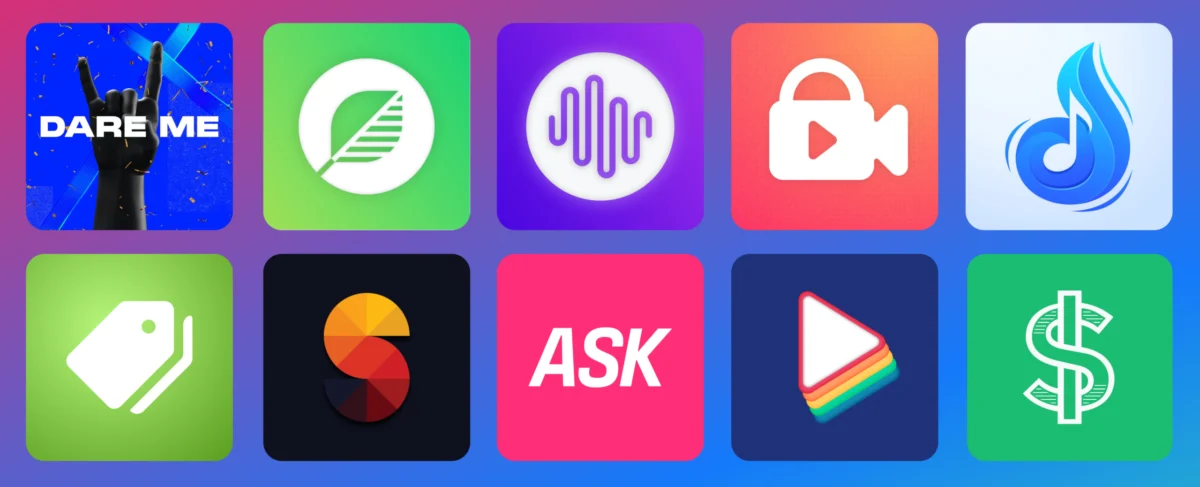
The defining characteristic of Koji, and the primary reason for Cannon’s recommendation, is its proprietary App Store. Unlike competitors that rely on static URL redirects, Koji operates as a platform for web-based applications. These apps are not native iOS or Android files that require a download from a traditional app store; rather, they are lightweight, cloud-based tools that function within the link-in-bio interface.
This model allows musicians to embed complex functionality directly into their profiles. For example, an artist can host a "Tip Jar," a "Locked Photo" gallery, or a "Video Shoutout" service. Jesse Cannon highlights that this versatility allows for "high-quality marketing to your audience" without the technical overhead of building a custom website. From a technical standpoint, this is achieved through a "headless" architecture where the front-end user interface is decoupled from the back-end data, allowing for rapid loading times and high levels of customization.
Revenue Diversification in the Age of Streaming
The financial implications of adopting a supercharged link in bio are substantial. As the music industry grapples with the limitations of the streaming-first model, diversification of income has become a survival strategy for independent artists. Koji’s suite of mini-apps is designed specifically to facilitate these diverse revenue streams.

Key monetization features identified by industry analysts include:
- Digital Storefronts: Allowing artists to sell beat packs, sheet music, or high-resolution audio files directly.
- Audience Engagement Apps: Tools that allow fans to "Ask a Question" or request a song for a fee.
- Affiliate Integration: Enabling producers to link to the gear they use and earn commissions on sales.
A significant advantage of the Koji ecosystem is its fee structure. While traditional e-commerce platforms often take a significant percentage of sales plus monthly subscription fees, Koji’s model is built to be accessible for creators at all stages of their careers. This lower barrier to entry is essential for instrumentalists and session musicians who may not have the budget for a full-scale Shopify or Squarespace site but require the same level of transactional capability.
Strategic Implementation: Building a Multi-Functional Digital Storefront
For a musician to maximize the utility of a Koji profile, Jesse Cannon suggests a strategic approach to profile building. It is not enough to simply sign up; the profile must be curated to guide the fan through a specific journey.

- Visual Consistency: Utilizing Koji’s customization tools to ensure the profile matches the artist’s album art and overall brand identity.
- Prioritization of High-Value Actions: Placing the most important "mini-apps"—such as tour dates or a new single—at the top of the list.
- Interactive Elements: Incorporating apps that require fan participation, such as polls or "Add Your Link" walls, to increase the time spent on the page.
- Data Collection: Using "Email Sign-up" apps to build a mailing list, which remains the most effective way to reach fans outside of social media algorithms.
- Regular Updates: Treating the Koji link as a dynamic "personal website and storefront" rather than a set-it-and-forget-it link.
Cannon argues that when a fan clicks a link, the artist should consider what would make the best impression or get them to build a deeper relationship. This philosophy shifts the link in bio from a utility to a destination.
The Broader Impact on the Global Creator Economy
The rise of platforms like Koji signifies a shift in the power dynamics of the music industry. Historically, artists were dependent on labels to provide the infrastructure for marketing and sales. Today, the democratization of these tools allows a solo producer in a home studio to have the same digital retail capabilities as a global superstar.
Furthermore, the data transparency offered by these platforms is invaluable. Artists can see exactly which social media posts are driving sales, which "mini-apps" are the most popular, and where their fans are located geographically. This level of insight allows for more informed decision-making regarding tour routing, merchandise runs, and release schedules.
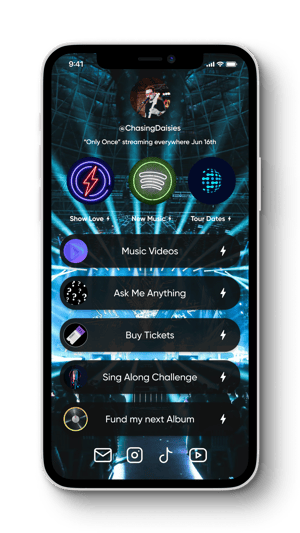
In the broader context of digital rights and platform sovereignty, Koji represents a move toward "platform-agnostic" success. If a social media platform goes offline or changes its algorithm, the artist’s Koji profile—and the customer data collected within it—remains an asset they control. This "portable" business model is becoming the gold standard for digital-native creators.
Conclusion: The Future of Artist Management
As Jesse Cannon’s analysis suggests, the "link in bio" is no longer a minor detail in a musician’s marketing plan; it is the foundation of their digital business. Koji’s ability to integrate monetization, engagement, and branding into a single, high-performance interface sets a new benchmark for the industry. By focusing on the user experience and reducing the friction between "discovery" and "transaction," Koji is helping musicians reclaim their agency in a crowded digital marketplace.
For artists looking to transition from hobbyists to professionals, the adoption of these advanced tools is a logical step. As the music industry continues to evolve, the winners will be those who treat their digital presence with the same level of care and precision as their musical compositions. Through the lens of experts like Cannon, it is clear that the future of music marketing lies in creating immersive, interactive, and profitable digital environments that turn casual listeners into lifelong supporters.
