

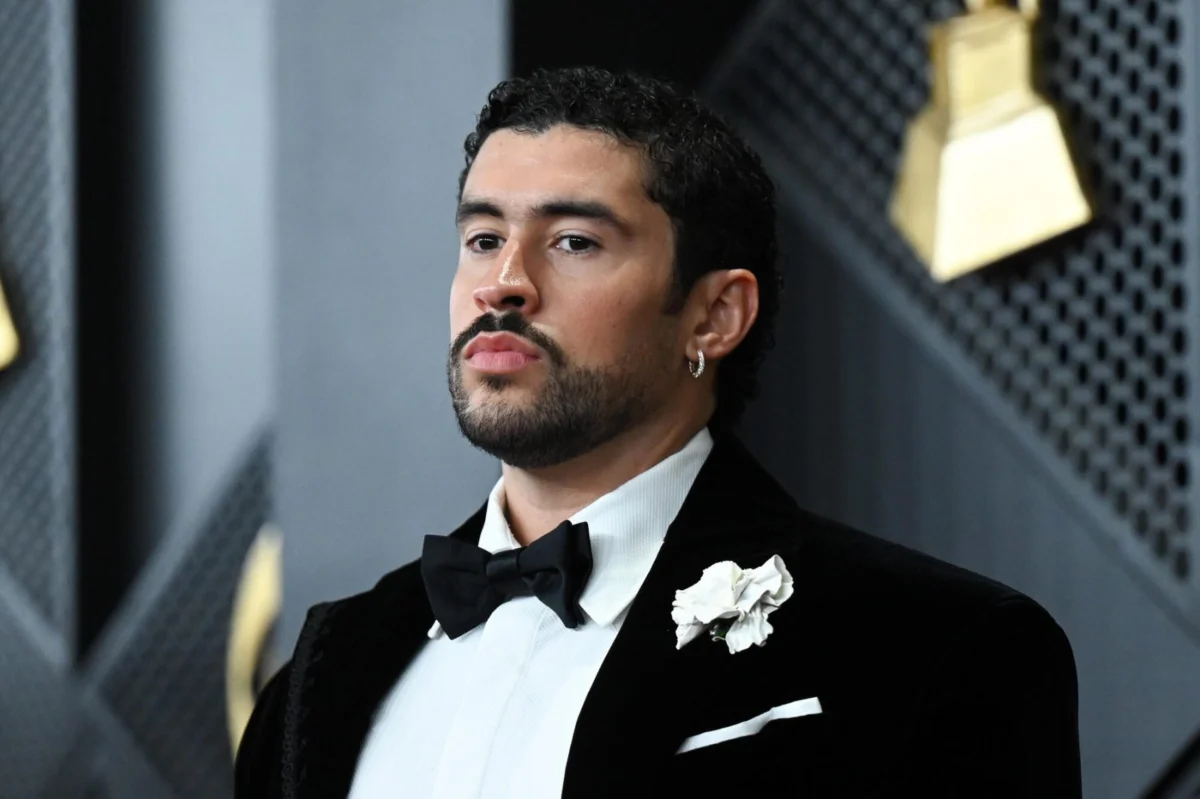
Puerto Rican global music icon Bad Bunny, along with co-defendants Rimas Entertainment and The Orchard, has filed a motion seeking $465,612 in legal fees from emPawa Africa, an independent music company based in Africa. The request comes after a federal judge dismissed a copyright infringement lawsuit brought by emPawa Africa, which alleged that Bad Bunny’s chart-topping track "Enséñame a Bailar" improperly sampled Nigerian songwriter Dera’s 2019 song "Empty My Pocket." Bad Bunny’s legal team asserts that the case was "meritless from the beginning" and was aggressively pursued by emPawa Africa in an attempt to "extract an undeserved, multimillion-dollar settlement" from the superstar.
The Genesis of the Dispute: A Sampled Beat
The core of the legal contention revolved around the alleged unauthorized use of a musical sample. In 2019, Nigerian songwriter Ezeani Chidera Godfrey, known professionally as Dera, released his track "Empty My Pocket." This song, like many in the vibrant Afrobeats scene, was produced and distributed through various channels. emPawa Africa, a prominent independent music company with a focus on African talent, had a publishing deal with Dera, positioning them as a key rights holder for his work.
Fast forward to 2022, when Bad Bunny, born Benito Antonio Martínez Ocasio, released his critically acclaimed and commercially colossal album, Un Verano Sin Ti. Among the album’s many hits was "Enséñame a Bailar" (Teach Me to Dance), a track that quickly resonated with audiences worldwide, contributing significantly to the album’s unprecedented success. emPawa Africa subsequently claimed that "Enséñame a Bailar" incorporated an uncleared sample from Dera’s "Empty My Pocket." Their lawsuit, filed in 2025, argued that Bad Bunny and his team failed to secure the necessary permissions from emPawa Africa, the rightful publisher, before using the sample.
Bad Bunny, through his legal representatives, has consistently maintained that the sample used in "Enséñame a Bailar" was properly licensed. According to his defense, the clearance for the sample was obtained from Lakizo, the producer of "Empty My Pocket," whom Bad Bunny’s team believed to be the legitimate rightsholder for the specific musical element in question. This discrepancy in perceived ownership — whether the publishing rights resided solely with emPawa Africa or if the producer, Lakizo, held independent rights to specific compositional elements for licensing purposes — became a central point of contention.
The Global Phenomenon of Un Verano Sin Ti
The context of the lawsuit is inextricably linked to the immense global success of Bad Bunny and his album Un Verano Sin Ti. Released in May 2022, the album shattered numerous records, solidifying Bad Bunny’s status as one of the most streamed artists in the world. It debuted at number one on the Billboard 200 chart, marking the first all-Spanish-language album to achieve this feat. The album spent multiple non-consecutive weeks at the top, ultimately becoming the highest-performing album of 2022 and securing numerous accolades, including a Grammy Award for Best Música Urbana Album.
Tracks like "Enséñame a Bailar" played a significant role in the album’s widespread appeal. The song itself spent two weeks on the prestigious Billboard Hot 100 chart in 2022, demonstrating its commercial impact and reach beyond the Latin music market. The album’s success translated into staggering revenue, with reports indicating billions of streams across platforms and a highly lucrative world tour. This level of commercial triumph often makes successful artists and their works attractive targets for copyright claims, as the potential damages or settlement figures can be substantial, sometimes reaching into the multi-million-dollar range, as alluded to by Bad Bunny’s lawyers.

emPawa Africa, founded by Nigerian artist and entrepreneur Mr Eazi, has established itself as a significant player in the African music ecosystem, aiming to empower emerging artists from the continent through funding, mentorship, and distribution. Their involvement in this case highlights the growing global interconnectedness of the music industry and the increasing importance of intellectual property rights across borders, particularly as Afrobeats gains international prominence.
A Chronology of Legal Proceedings
The legal battle unfolded over several months, marked by a series of significant developments:
- 2019: Nigerian songwriter Dera releases "Empty My Pocket."
- May 2022: Bad Bunny releases Un Verano Sin Ti, featuring "Enséñame a Bailar," which allegedly samples "Empty My Pocket." "Enséñame a Bailar" charts on the Billboard Hot 100.
- Mid-2025: emPawa Africa files a copyright infringement lawsuit against Bad Bunny, Rimas Entertainment, The Orchard, and other co-defendants, alleging unauthorized use of the sample.
- Late 2025: Attorneys representing emPawa Africa withdraw from the case, citing "irreconcilable differences." This is often a critical turning point in litigation, signaling potential internal disagreements or a loss of confidence in the case’s viability.
- Early March 2026: A federal judge dismisses the lawsuit for "lack of prosecution." This occurs when a plaintiff fails to take the necessary steps to advance their case, often after their legal counsel has withdrawn and no replacement has been secured.
- March 23, 2026: Bad Bunny and his co-defendants file a motion requesting that emPawa Africa cover their legal fees, totaling $465,612, arguing that the lawsuit was frivolous and designed to coerce a settlement.
This timeline illustrates a pattern often seen in contentious legal disputes, where a plaintiff’s initial aggressive stance may falter when faced with robust defense and the practicalities of litigation, particularly during the discovery phase where evidence must be presented.
The Nuances of Copyright and Sampling Law
Music copyright law is a complex field, especially when it comes to sampling. A "sample" refers to the act of taking a portion of one sound recording and reusing it in another song. For a sample to be legally used, permissions typically need to be obtained from two distinct copyright holders:
- The owner of the sound recording: This is usually the record label that released the original track.
- The owner of the underlying musical composition: This refers to the musical notes and lyrics, usually owned by the songwriter(s) and their music publisher(s).
Failing to clear either of these rights can lead to a copyright infringement lawsuit. The process of clearance involves negotiating a license, which may include an upfront fee, a royalty percentage, or a combination of both. The costs and complexities can vary wildly depending on the prominence of the original track, the length and recognizability of the sample, and the negotiating power of the parties involved.
In this case, Bad Bunny’s defense hinges on the claim that they properly cleared the sample with Lakizo, the producer. This suggests a potential dispute over who held which rights to "Empty My Pocket." It’s common for producers to retain certain rights, but publishers like emPawa Africa typically manage the compositional rights on behalf of their songwriters. The "irreconcilable differences" cited by emPawa’s former attorneys, and their subsequent failure to secure new counsel, could point to internal disagreements within emPawa regarding the strength of their claim, or perhaps even the clarity of their own rights documentation concerning Dera’s work and its various components.
Bad Bunny’s Defense and the "Frivolous" Allegation
Bad Bunny’s legal team, in their motion for fees, did not mince words, labeling emPawa Africa’s claims as "frivolous." They contend that from the outset, it was clear that the sample incorporated into "Enséñame a Bailar" had been properly licensed from Lakizo. This implies that Bad Bunny’s team had conducted due diligence and secured what they believed to be all necessary permissions.

The motion further alleges that emPawa Africa "aggressively litigated" the case, not out of a genuine belief in infringement, but with the strategic intent to leverage Bad Bunny’s immense wealth and desire to avoid negative publicity and legal costs. The goal, according to the defense, was to pressure him into an "undeserved, multimillion-dollar settlement," regardless of the merits of the case.
The motion highlights emPawa Africa’s alleged tactics to "stall and delay" the litigation process. A crucial juncture in any lawsuit is the discovery phase, where both parties exchange evidence and information. Bad Bunny’s lawyers claim that emPawa Africa "bowed out when it came time to hand over evidence through the discovery process," particularly when faced with an imminent court order requiring them to substantiate their ownership claims over "Empty My Pocket" in a way that would negate Lakizo’s licensing authority. The failure to find replacement counsel after their original attorneys withdrew "speaks volumes," as stated in the motion, strongly suggesting a lack of confidence in their ability to prove their case.
The Motion for Legal Fees: A Staggering Sum
The demand for $465,612 in legal fees is a substantial amount, reflecting the high costs of defending against copyright litigation involving global superstars. The motion details the extensive work undertaken by a team of heavy-hitting music lawyers from the Florida firm Gray Robinson, led by attorney Jeff Goldman. The firm’s senior lawyers billed hourly rates ranging from $555 to $680, accumulating hundreds of hours in defense of Bad Bunny and his co-defendants.
Under U.S. copyright law, a prevailing party in copyright litigation can, in certain circumstances, be awarded their legal fees. This is not automatic but requires the court to find that the losing party’s claims were objectively unreasonable, frivolous, or pursued in bad faith. The purpose of this provision is to deter the filing of unmeritorious lawsuits and to compensate defendants who have been forced to incur significant legal expenses defending against baseless claims. By seeking these fees, Bad Bunny’s team is essentially arguing that emPawa Africa abused the legal system.
Notably, the motion specifically targets emPawa Africa for the fees, not Dera, the songwriter. A footnote in the motion clarifies this decision, stating that it is the "moving defendants’ belief that this co-plaintiff, Ezeani Chidera Godfrey p/k/a Dera, was not primarily responsible for the prosecution of the lawsuit, nor did he finance the lawsuit." This suggests that Bad Bunny’s team views emPawa Africa as the primary driver and financier behind the "frivolous" litigation, rather than Dera himself. As of the current report, representatives for emPawa Africa have not publicly commented on the fee request.
Implications for the Music Industry and Intellectual Property
This case, though dismissed, carries significant implications for the global music industry, particularly concerning intellectual property rights, sampling practices, and the dynamics between established global artists and emerging entities from developing markets.
Firstly, it serves as a stark reminder of the financial risks associated with pursuing copyright infringement claims without a meticulously clear and defensible legal position. For independent music companies like emPawa Africa, a judgment to cover nearly half a million dollars in legal fees for the opposing side could be financially crippling, potentially impacting their ability to invest in and support other artists. This outcome could also make smaller publishers more cautious about initiating lawsuits unless their claims are exceptionally robust.

Secondly, the case underscores the critical importance of thorough due diligence in music licensing and sampling. Bad Bunny’s defense highlights the complexities of securing rights, especially when multiple parties (songwriters, producers, publishers) might hold different aspects of copyright. It emphasizes the need for clarity in contracts and a comprehensive understanding of who controls which rights before incorporating elements from existing works.
Thirdly, the assertion that the lawsuit was an attempt to "extract an undeserved, multimillion-dollar settlement" speaks to a broader concern within the industry about the potential for opportunistic litigation targeting high-profile artists. While copyright protection is essential for creators, the threat of frivolous lawsuits can burden artists with significant legal costs and reputational risks, even when they have acted in good faith. The court’s willingness to award legal fees in such instances acts as a deterrent against such practices.
Finally, the increasing globalization of music, with genres like Afrobeats gaining immense traction worldwide, means that cross-border collaborations and sample usage will only become more common. This case highlights the need for standardized, transparent, and mutually understood intellectual property frameworks that can navigate diverse legal systems and cultural practices, ensuring fair compensation for creators while fostering artistic innovation.
Precedent and Parallel Cases
The legal strategy employed by Bad Bunny’s team – seeking legal fees from the losing party in a copyright dispute – is not uncommon in the music industry. It serves as a powerful mechanism to discourage baseless lawsuits and protect artists from undue financial burden. Several high-profile cases illustrate this trend:
Mariah Carey’s "All I Want for Christmas Is You": The iconic holiday anthem has been the subject of copyright infringement claims. In a recent case, Mariah Carey successfully defended against a lawsuit alleging that her perennial hit copied another song. Following her victory, Carey and her co-defendants are now seeking $1 million in legal fees from the accuser, emphasizing the significant costs incurred in defending against what they deemed an unmeritorious claim. This demand, like Bad Bunny’s, aims to recoup expenses and send a message about the seriousness of such allegations.
Nelly and Country Grammar: Rapper Nelly also leveraged this legal remedy. After prevailing in a lawsuit brought by one of his former bandmates over the rights to his debut album, Country Grammar, Nelly demanded that the lawyer representing his accuser reimburse him $78,000 for legal bills. This case further demonstrates how artists are increasingly utilizing provisions in copyright law to protect themselves from prolonged and costly litigation stemming from disputed claims.
These examples underscore a growing trend where artists and their legal teams are not only focused on winning infringement cases but also on holding plaintiffs accountable for pursuing claims deemed frivolous or without sufficient legal grounding. The Bad Bunny case is the latest high-profile instance to join this list, and its outcome regarding the fee request will be closely watched by legal and music industry professionals alike, potentially influencing future litigation strategies and the broader landscape of intellectual property enforcement in the digital age.
