

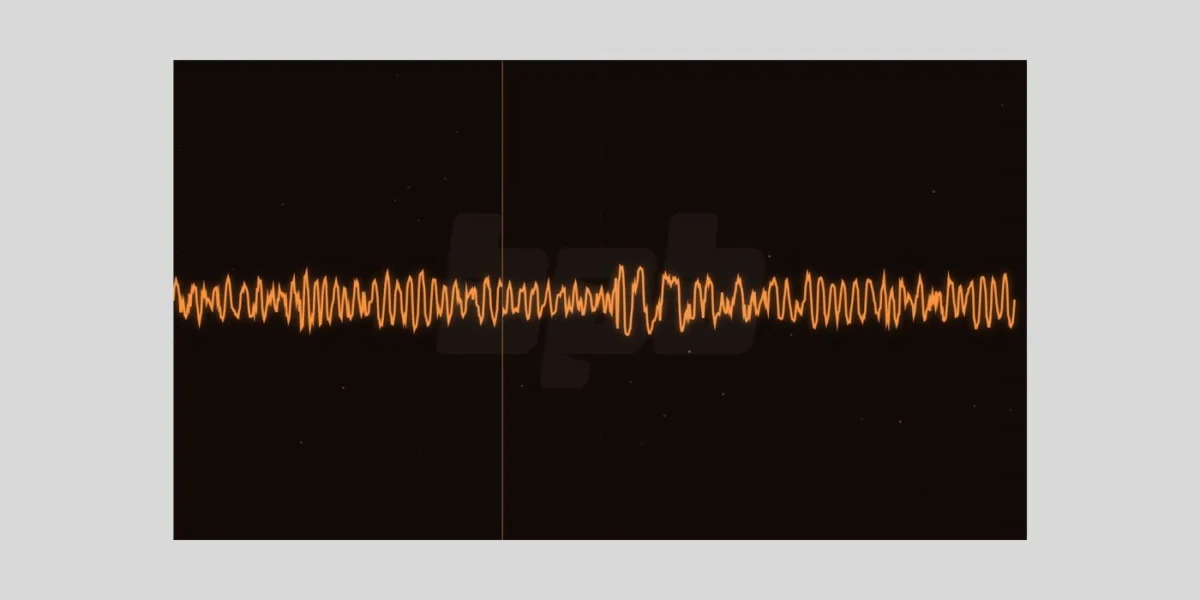
The plugin, designed to provide clear and precise visual feedback, is being offered free of charge for an unspecified duration, prompting industry observers and potential users to secure their copy promptly. This strategic promotional window allows a broad user base to experience Tracer’s capabilities without an initial investment, a common practice in the competitive software development landscape aimed at building early adoption and user community feedback. Accessing the plugin is streamlined, requiring only an email address submission on the official product page, after which a download link is swiftly provided, eliminating the need for complex account registrations or further authentication. This frictionless acquisition process underscores Wide Blue Sound’s commitment to user accessibility.
The Evolving Landscape of Audio Visualization Tools
The demand for high-quality audio visualization tools has steadily grown within music production and sound engineering. While traditional audio processing focuses on what is heard, visual analysis offers an indispensable layer of insight, allowing engineers to identify subtle anomalies, monitor dynamic range, understand frequency content, and ensure phase coherence. Oscilloscopes, in particular, serve as fundamental instruments for displaying voltage waveforms over time, translating directly to audio signal representation in digital audio workstations (DAWs). They are crucial for tasks ranging from basic signal monitoring to complex sound design and mastering.
For many years, producers relied on a limited selection of oscilloscope plugins, some of which, despite their utility, have faced challenges with modern operating systems and hardware architectures. The advent of Apple Silicon Macs, for instance, introduced compatibility hurdles for many older plugins, pushing developers to update their offerings or for new solutions to emerge. This context highlights the relevance of Tracer’s timely release, particularly its support for both Intel and Apple Silicon architectures on macOS, alongside Windows compatibility.
Core Functionality and Technical Prowess
Tracer differentiates itself with a suite of features designed for both analytical depth and user convenience. It offers three distinct view modes: "Beat," "Bar," and "Waveform." The "Beat" and "Bar" modes are meticulously synchronized with the host DAW’s tempo, providing a rhythmically aligned visual representation of the audio signal. This tempo-sync capability is invaluable for analyzing transients, rhythmic patterns, and the interplay between different elements within a musical arrangement. The "Waveform" mode, conversely, provides a free-scrolling display, continuously following the audio as it plays, offering a more traditional, uninterrupted view of the signal’s progression.
A significant analytical feature is the sidechain overlay, enabling users to route a second audio signal into Tracer and display both waveforms concurrently. This functionality is particularly useful for comparative analysis, a common requirement in mixing and mastering. For example, an engineer can compare a pre-processed signal against its post-processed counterpart to assess the impact of an effect chain, or align a kick drum with a bassline to prevent frequency masking and ensure rhythmic tightness. Beyond these applications, the sidechain overlay facilitates comparing a trigger signal against a track, or any two distinct audio sources, offering a visual representation of their phase relationship and amplitude dynamics.
Further extending its analytical capabilities, Tracer includes a "Sum Sidechain" mode. This innovative feature combines both primary and sidechained signals into a single waveform display, utilizing color shifts to indicate which signal is dominant at any given point. This provides an immediate, intuitive understanding of the amplitude balance and interaction between the two sources, streamlining the decision-making process during critical mixing stages.
Underpinning these visual features is a robust technical architecture. Tracer is GPU-accelerated, ensuring smooth, high-frame-rate performance—typically 60 frames per second—with minimal impact on the host system’s central processing unit. This optimization results in CPU overhead often under 1% of a single core, a crucial consideration for producers running complex projects with numerous plugins. The plugin also boasts zero latency, guaranteeing that the visual feedback is always in real-time without introducing any delay into the audio path. Crucially, Tracer operates as a purely visual analysis tool, meaning it does not "color" or otherwise affect the audio signal passing through it, maintaining the integrity of the sound.
Display Options and Aesthetic Customization
Tracer offers versatile display options, allowing users to view the signal in mono, stereo, left channel, or right channel modes. While the current version does not include a mid/side option—a common feature in advanced analysis tools for stereo field manipulation—its existing modes cater to a wide range of monitoring needs. The display scale is adjustable, ranging from -24 dB to +24 dB, providing ample dynamic range for precise amplitude monitoring across various signal levels.
Beyond its technical specifications, Tracer places a strong emphasis on user experience and aesthetic design. The graphical user interface (GUI) is characterized by clean, anti-aliased lines, contributing to a polished and professional appearance. The plugin comes with a selection of well-designed built-in themes, offering visual variety and catering to different user preferences. Furthermore, users possess the flexibility to create and share custom themes as .wbstheme files, fostering a sense of community and personalized interaction with the tool. This level of customization enhances the user’s workflow, allowing them to tailor the visual environment to their specific needs or aesthetic preferences.
A particularly innovative feature is the "white-label" capability, which allows users to upload their own logo as a transparent PNG file. This custom logo can then be configured to react to the beat, effectively transforming the plugin into a simple yet effective visualizer. This unique integration of branding and visualization offers a creative outlet, especially for content creators, streamers, or artists looking to personalize their production environment or capture dynamic visuals for their music.
Unprecedented Interactive Demonstrations and Broad Compatibility
Wide Blue Sound has also introduced an innovative approach to product demonstration. The official product page hosts an interactive demo that runs the full plugin GUI directly within a web browser. This groundbreaking feature allows potential users to experience Tracer’s interface and functionalities firsthand before downloading, offering an unparalleled level of transparency and engagement. This pioneering use of in-browser plugin emulation sets a new standard for product previews in the software industry, demonstrating a forward-thinking approach to user interaction and confidence in the product’s design and performance.
Tracer’s compatibility extends across major plugin formats and operating systems, ensuring broad accessibility for professional and amateur producers alike. It is available in VST3, AU (Audio Units), and AAX formats, covering the most widely used DAWs on the market. For macOS users, it supports both Intel-based machines and the newer Apple Silicon (M1/M2/M3) architecture, addressing the aforementioned compatibility challenges that have affected many older plugins. Windows users are also fully supported, ensuring that a vast majority of the music production community can integrate Tracer into their workflows.
The Strategic Rationale Behind the Limited-Time Free Offer
The decision by Wide Blue Sound to offer Tracer as a limited-time free download is a calculated marketing strategy with several implications. For developers, it’s an effective way to generate rapid exposure and build a large initial user base. This early adoption can lead to valuable real-world feedback, helping the company refine the plugin and identify potential areas for future development. It also creates positive word-of-mouth marketing within the producer community, which is highly influential.
For users, such offers represent an invaluable opportunity to acquire high-quality tools without financial outlay. Utility plugins like oscilloscopes, while essential, sometimes fall into a category where producers might hesitate to spend significant amounts, especially if free alternatives, even if less refined, exist. By offering Tracer for free initially, Wide Blue Sound democratizes access to a professional-grade visualization tool, potentially elevating the production quality of a wider segment of the music community. The eventual price point of $39 positions Tracer competitively within the market for utility plugins, offering a balanced value proposition for those who miss the free window or require subsequent licenses.
Broader Implications for Music Production
The emergence of plugins like Tracer signifies a continuous evolution in how music is created and refined. As digital audio workstations become increasingly powerful, the demand for specialized tools that enhance specific aspects of the production process grows. Visual analysis tools, once considered supplementary, are now becoming integral for achieving professional-grade mixes and masters. They empower producers to make more informed decisions, move beyond purely auditory judgment, and tackle complex sonic issues with greater precision.
Tracer’s emphasis on performance (GPU acceleration, low CPU usage, zero latency) reflects an industry trend towards efficiency and seamless integration. Producers expect tools that don’t bog down their systems or introduce workflow disruptions. The clean aesthetics and customization options also cater to a growing desire for personalized and inspiring production environments.
In conclusion, Tracer by Wide Blue Sound represents a significant addition to the pantheon of audio visualization tools available to modern music producers. Its blend of robust technical performance, comprehensive analytical features, user-friendly design, and broad compatibility positions it as a highly valuable asset. The limited-time free offer makes it an especially compelling acquisition, underscoring Wide Blue Sound’s commitment to both innovation and community engagement within the ever-expanding landscape of digital audio production. Its introduction not only provides a powerful utility but also highlights ongoing advancements in plugin development, catering to the nuanced demands of contemporary sound engineering and creative expression.
