

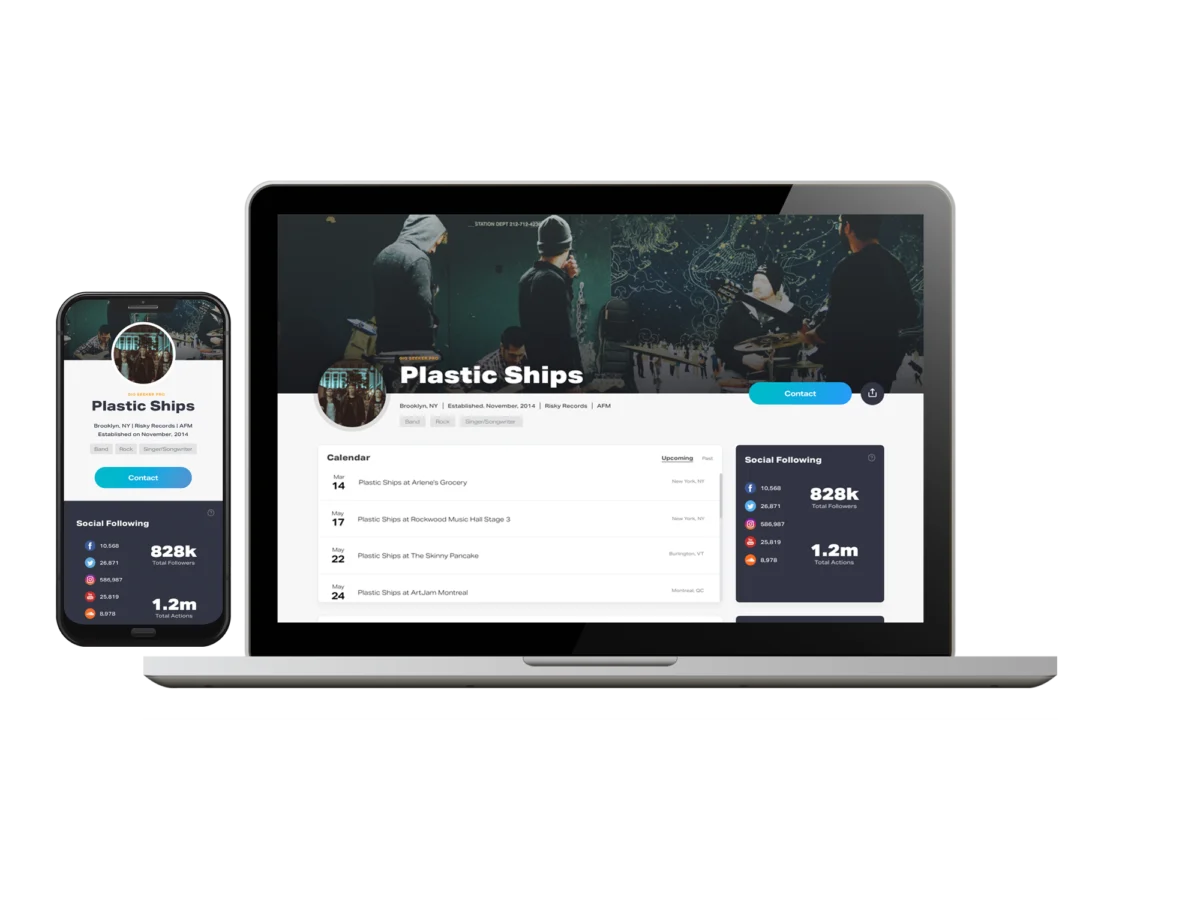
In an era defined by the democratization of music production and the saturation of digital streaming platforms, the Electronic Press Kit (EPK) has emerged as the professional standard for artists seeking to navigate the complexities of the global music industry. As independent musicians increasingly manage their own careers—acting as their own booking agents, publicists, and managers—the EPK serves as a foundational asset that bridges the gap between creative output and commercial viability. Far from being a mere collection of links, the modern EPK is a sophisticated digital resume designed to provide talent buyers, journalists, and label executives with a comprehensive, one-stop overview of an artist’s brand, achievements, and sonic identity.
The Historical Evolution of Artist Promotion
The concept of the press kit is not new, but its form has undergone a radical transformation over the past three decades. In the late 20th century, the "press kit" was a physical folder containing an 8×10 glossy black-and-white promotional photograph, a printed biography, a cassette tape or compact disc, and photocopies of newspaper clippings. These physical kits were expensive to produce and even more costly to distribute, often requiring significant postage for every submission to a venue or radio station.
The transition to the Electronic Press Kit began in earnest during the late 1990s as internet speeds increased and digital file formats became standardized. A pivotal moment in this chronology occurred in 2001 with the launch of platforms like Sonicbids, which revolutionized the industry by creating a standardized digital framework for EPKs. This shift allowed artists to bypass the logistical hurdles of physical mail, enabling instant communication with festival organizers and booking agents worldwide. Today, the EPK has evolved into a dynamic, cloud-based hub that integrates high-definition video, streaming audio, and real-time social media analytics, reflecting the multifaceted nature of 21st-century stardom.
Data-Driven Insights into the Independent Music Market
The necessity of a professional EPK is underscored by the sheer volume of content currently entering the marketplace. According to industry reports from 2023, approximately 120,000 new tracks are uploaded to digital streaming platforms every day. For talent buyers at major venues and festivals, who may receive hundreds of performance inquiries weekly, the ability to quickly vet an artist’s professional standing is paramount.
Market analysis suggests that a talent buyer spends an average of less than 30 seconds on an initial review of an unsolicited artist inquiry. In this high-stakes environment, the EPK functions as a filter. Industry professionals report that artists who provide a centralized, professional EPK are 70% more likely to receive a follow-up compared to those who send fragmented links or unstructured emails. This data highlights a "credibility gap" where high-quality music may be overlooked simply due to poor presentation or the lack of a standardized professional profile.
The Core Components of a High-Impact EPK
To function effectively as a professional tool, a contemporary EPK must go beyond basic contact information. Industry standards dictate several essential modules that provide a holistic view of the artist’s trajectory:
1. The Narrative Biography
A professional biography is not merely a list of influences but a strategic narrative. It typically includes a "short-form" version (one paragraph) for quick reading and a "long-form" version (three to four paragraphs) for press use. The biography contextualizes the artist’s journey, highlighting unique selling points such as cultural background, technical innovation, or notable collaborations.
2. High-Resolution Visual Assets
In the visual-centric world of modern media, an EPK must include professional-grade photography. This includes both landscape and portrait orientations to accommodate different layout requirements for magazines and websites. Furthermore, the inclusion of "live" photography serves as proof of performance capability, demonstrating the artist’s ability to engage an audience.
3. Multimedia Integration
Audio and video are the cornerstones of the EPK. However, rather than including an entire discography, professionals recommend featuring three standout tracks that represent the artist’s current sound. Video content, particularly high-quality live performance footage or official music videos, is often cited by festival bookers as the most critical factor in the hiring process, as it provides a direct preview of the "product" being sold to the public.
4. Social Proof and Media Validation
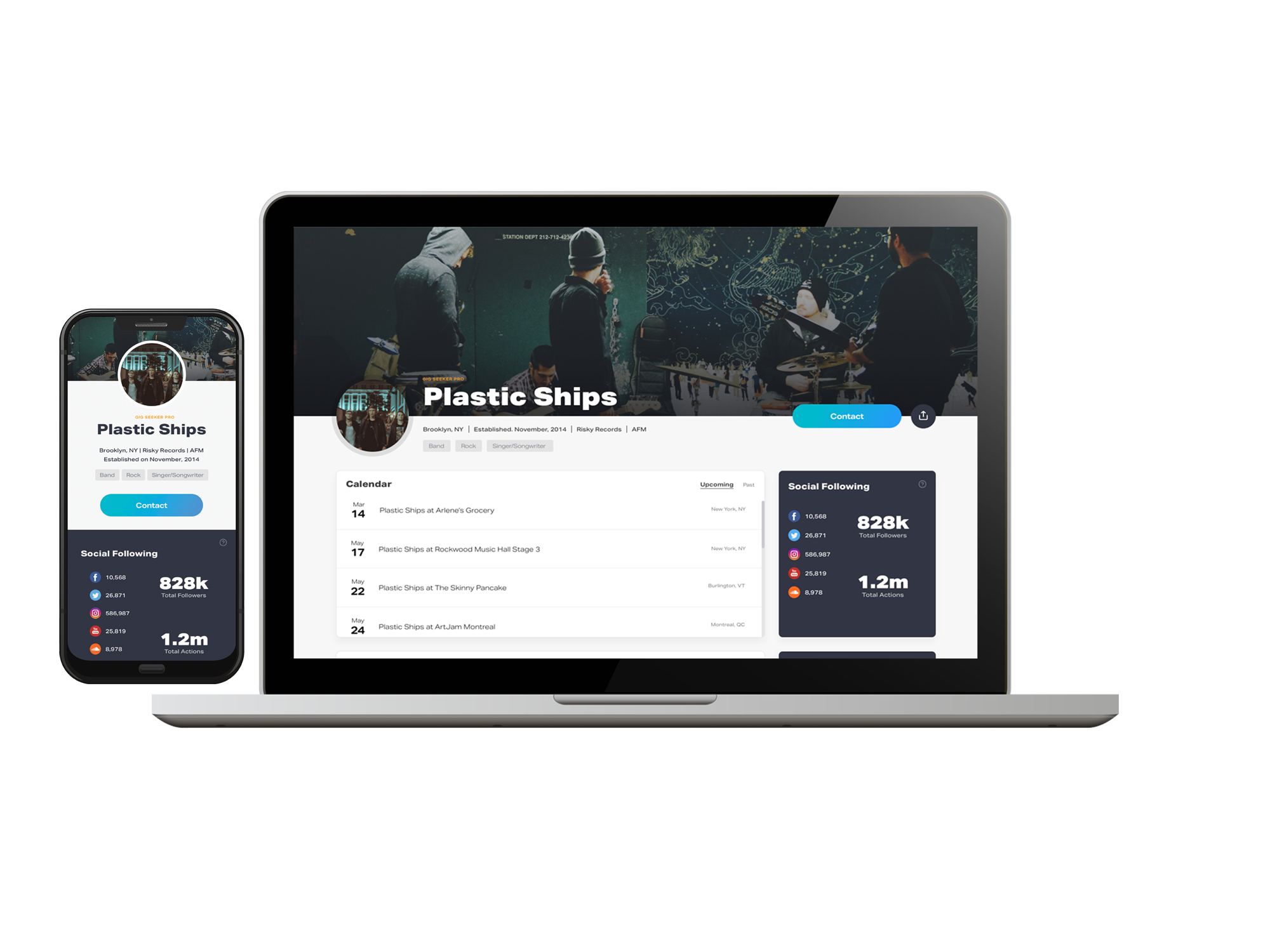
The inclusion of press quotes, reviews, and testimonials provides third-party validation. When a reputable publication or a high-traffic music blog provides a positive review, it serves as an endorsement that mitigates the risk for a venue or label. Additionally, the integration of social media metrics and streaming data provides quantitative evidence of a growing fanbase.
Streamlining Industry Communication Workflows
One of the primary functions of the EPK is the optimization of communication between artists and industry "gatekeepers." Professional music journalism and talent booking are high-volume, deadline-driven fields. A journalist tasked with writing a preview for a music festival requires immediate access to high-resolution images and accurate biographical data. If these assets are not readily available in a centralized EPK, the journalist is likely to move on to an artist whose materials are easier to access.
From a logistical standpoint, the EPK eliminates the "email clutter" that often plagues independent outreach. By providing a single, permanent URL, artists ensure that the recipient always has access to the most current version of their materials. This "live document" approach is particularly beneficial for artists on tour, where milestones—such as a sold-out show or a new radio chart position—can be added instantly to the EPK, ensuring that the artist’s pitch is always supported by the most recent data.
Professionalism and the Perception of Risk
In the music business, as in any other industry, the perception of risk plays a significant role in decision-making. For a venue owner, booking an unknown indie artist represents a financial risk regarding bar sales and ticket revenue. For a record label, signing an artist represents an investment of capital and reputation.
A polished EPK serves as a signal of professional intent. It indicates that the artist understands the business standards of the industry and is prepared to operate at a professional level. Conversely, the absence of an EPK—or the use of a poorly maintained one—suggests a lack of investment in the artist’s own career. Industry analysts note that an EPK is often the first "test" of an artist’s management capabilities; if they cannot manage their own promotional materials effectively, they are unlikely to handle the rigors of a professional tour or a major release cycle.
Broader Implications for Career Growth and Sustainability
The long-term impact of maintaining a high-quality EPK extends beyond immediate bookings. It functions as a historical archive of an artist’s career progression. As an artist moves from local clubs to regional tours and eventually to national stages, the EPK evolves to reflect this growth. This trajectory is essential for attracting high-level representation, such as booking agencies or management firms, who look for a "track record" of consistent professional development.
Furthermore, the EPK facilitates international opportunities. In the globalized music market, an artist in London can pitch a festival in Tokyo or a radio station in New York with the same level of professional polish as a local act. The accessibility of digital press kits has lowered the barriers to entry for international collaboration and touring, allowing independent artists to build global audiences without the need for a major label’s international marketing department.
Conclusion: The EPK as a Catalyst for Success
As the music industry continues to evolve toward a more data-driven and decentralized model, the importance of the Electronic Press Kit will only increase. It remains the most effective tool for an artist to control their narrative and present a unified, professional front to the world. In a landscape where talent is abundant but attention is scarce, the EPK provides the necessary structure to turn creative potential into sustainable professional opportunity.
The transition from a "musician" to a "professional recording artist" is often marked by the adoption of these industry-standard tools. By centralizing their assets, streamlining their communication, and providing verifiable social proof, independent artists can navigate the competitive music market with greater efficiency and authority. The EPK is not merely a digital folder; it is a strategic asset that empowers artists to take command of their careers and ensures that when opportunity knocks, they are prepared to answer with a professional and compelling story.
