

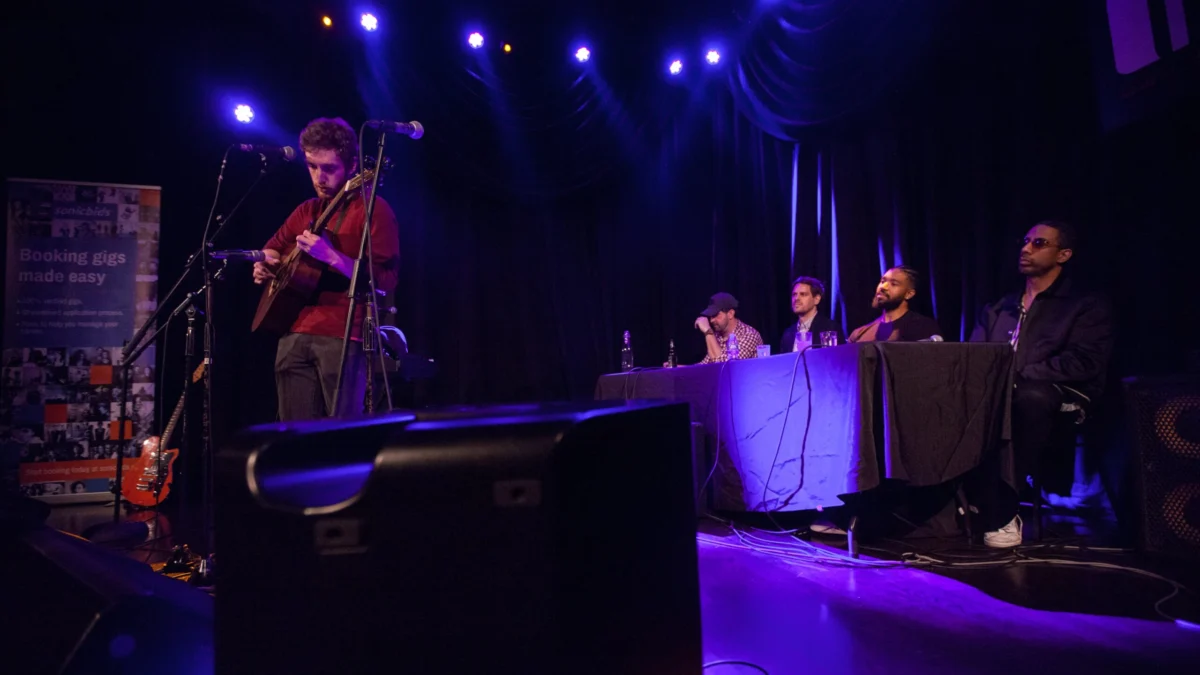
The Evolution of the Independent Music Sector
The contemporary music landscape is characterized by a significant shift in how talent is discovered and nurtured. Historically, the "A&R" (Artists and Repertoire) model relied on centralized scouts identifying talent in specific urban hubs. However, the advent of high-quality home recording technology and global streaming platforms has shifted the focus toward decentralized communities. For the independent musician, networking is no longer a peripheral activity; it is a foundational business strategy.
Industry data suggests that collaborative tracks often outperform solo releases on streaming platforms. Analysis of Spotify’s "New Music Friday" playlists indicates that collaborations frequently see a 20% to 30% higher "save" rate, as the tracks are exposed to two or more distinct fanbases simultaneously. This cross-pollination of audiences is the primary driver behind the modern emphasis on "the feature" and joint ventures.
Cross-Disciplinary Engagement and Local Arts Integration
One of the most effective, yet frequently overlooked, methods for networking involves engaging with local arts scenes outside of the immediate musical sphere. While music venues remain critical, the integration of music into visual arts, theater, and performance poetry offers a unique avenue for visibility.
Local art galleries and festivals serve as incubators for high-level creative partnerships. For example, the synchronization of original scores with visual art installations has become a staple of contemporary gallery openings. These environments allow musicians to position their work as part of a larger cultural narrative. When a sculptor seeks a soundscape for an installation, or a theater company requires an original score, the resulting collaboration often leads to press coverage and audience exposure that a standard club gig might not provide. This strategy leverages the "halo effect," where the prestige of one art form enhances the perceived value of another.
Professional Development through Curated Workshops and Jam Sessions
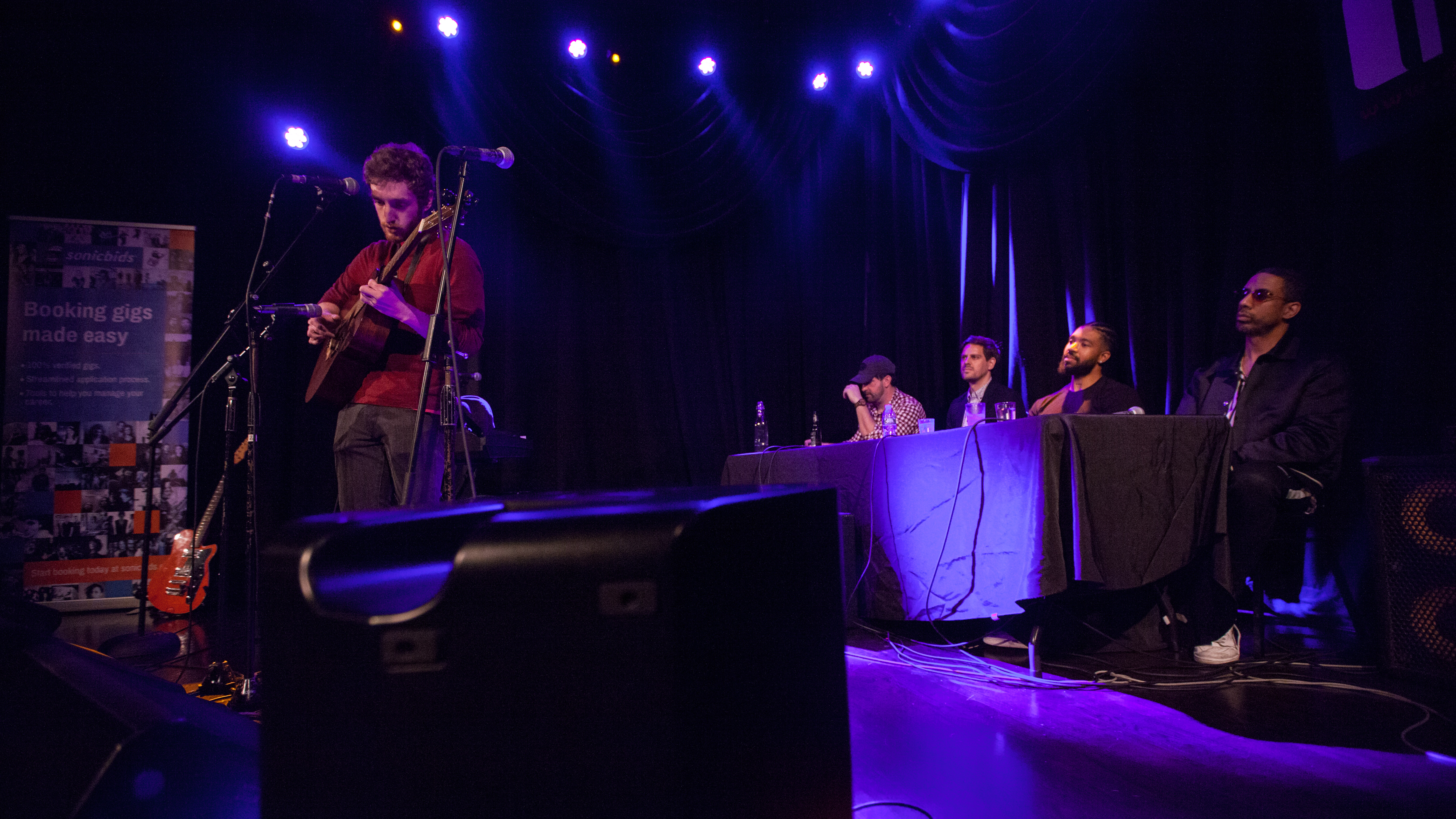
The rise of organized professional development events, such as the "Feedback Collective" panel discussions and songwriting workshops hosted by platforms like Sonicbids, underscores a growing demand for structured networking. These events move beyond the informal nature of traditional jam sessions, providing a platform for constructive critique and industry-aligned education.
Data from educational seminars indicates that musicians who participate in structured workshops are 40% more likely to secure professional bookings within six months of attendance. The "Feedback Collective" model, specifically, emphasizes the importance of peer-to-peer review. By creating a space where a rock guitarist might interface with a jazz saxophonist or an electronic producer, these workshops facilitate the "fresh sound" phenomenon—a critical component in breaking through a saturated market. These sessions serve as a microcosm of the industry, where rapport is built through shared labor and creative problem-solving rather than superficial social interaction.
Leveraging Digital Ecosystems for Global Collaboration
While physical proximity remains valuable, the democratization of music production has moved largely into the digital realm. Platforms such as BandLab, SoundCloud, and Discord have evolved from simple hosting sites into sophisticated collaborative ecosystems.
BandLab, which reported over 60 million users globally by 2023, provides a cloud-based Digital Audio Workstation (DAW) that allows musicians to collaborate in real-time regardless of geographic location. This "virtual studio" model has led to the rise of "internet-native" genres. Logically, the implication of this shift is the reduction of overhead costs for independent artists. By utilizing these platforms, a musician in London can contribute a vocal track to a producer in Tokyo, with the final product being mastered in New York.
Strategic engagement on these platforms involves more than just uploading content. Analytical data shows that artists who actively participate in "remix culture"—sharing stems and encouraging others to reinterpret their work—experience higher engagement metrics. This collaborative transparency builds a network of "creative debtors" who are more likely to support the artist’s future releases.
The Volunteer-to-Professional Pipeline at Music Festivals
Music festivals represent the highest concentration of industry stakeholders in a single location. For independent artists, volunteering at these events provides a "backstage" view of the logistics and professional requirements of large-scale productions.
The chronology of many successful careers includes a phase of festival volunteerism. By working in artist relations, stage management, or even hospitality, an independent musician gains direct access to event organizers, booking agents, and established touring artists. These interactions, while often brief, are grounded in a shared work ethic. Industry professionals frequently note that they are more likely to remember and hire a reliable volunteer who mentioned their music than an artist who sent a cold email.
This strategy also offers a practical education in "the business of the show." Understanding the pressure points of a festival—such as soundcheck timing, technical riders, and hospitality requirements—makes an artist more professional and "bookable" in the eyes of talent buyers.
Audience-Centric Networking: The Fanbase as a Collaborative Tool
The modern relationship between an artist and their audience has shifted from one of passive consumption to active participation. Independent musicians who utilize their fanbase as a networking resource often find opportunities that traditional channels miss.
Surveys and interactive polls on social media platforms allow fans to feel a sense of "ownership" over an artist’s career trajectory. When a fan suggests a local collaborator or introduces an artist to a venue owner they know personally, the resulting connection is pre-vetted by a trusted source. This "crowdsourced networking" is particularly effective for regional touring. By asking fans which local acts they should open for, an artist can build a tour route based on actual demand rather than guesswork.

Furthermore, fan involvement in the creative process—such as voting on cover art or song titles—strengthens the community bond. A highly engaged "super-fan" base acts as a decentralized PR team, expanding the artist’s network through word-of-mouth marketing that carries more weight than paid advertisements.
Broader Impact and Industry Implications
The cumulative effect of these networking strategies is a more resilient and sustainable independent music economy. When artists move away from a competitive "zero-sum" mindset and toward a collaborative community model, the entire ecosystem benefits.
Analysis of market trends indicates that the "middle class" of musicians—those who earn a living wage without being global superstars—is growing. This growth is largely attributed to the diversification of income streams facilitated by a broad network. An artist with connections in the visual arts, digital platforms, and festival circuits is less reliant on a single revenue source like streaming royalties.
The psychological impact of this community-based approach cannot be overstated. Independent music production is often an isolating endeavor. By actively seeking partnerships, musicians mitigate the risk of burnout and "creative stagnation." The "Feedback Collective" and similar initiatives provide the social infrastructure necessary to sustain a long-term career in an industry known for its volatility.
Conclusion: The Path Forward for the Independent Creator
The transition from an isolated creator to a networked professional requires a shift in perspective. Networking is not merely a social requirement but a strategic necessity that informs every aspect of a musician’s career, from the sound of their recordings to the venues they play.

As the industry continues to evolve, the musicians who thrive will be those who view every encounter as a potential beginning. Whether it is a conversation with a visual artist at a local gallery, a collaborative session on a digital platform, or a shift as a festival volunteer, each interaction builds the social capital necessary to navigate the complexities of the modern music market. The data is clear: in the era of independent music, the strength of the artist is the strength of their community. By embracing these diverse networking avenues, musicians can amplify their reach and move closer to the realization of their creative and professional goals.
