

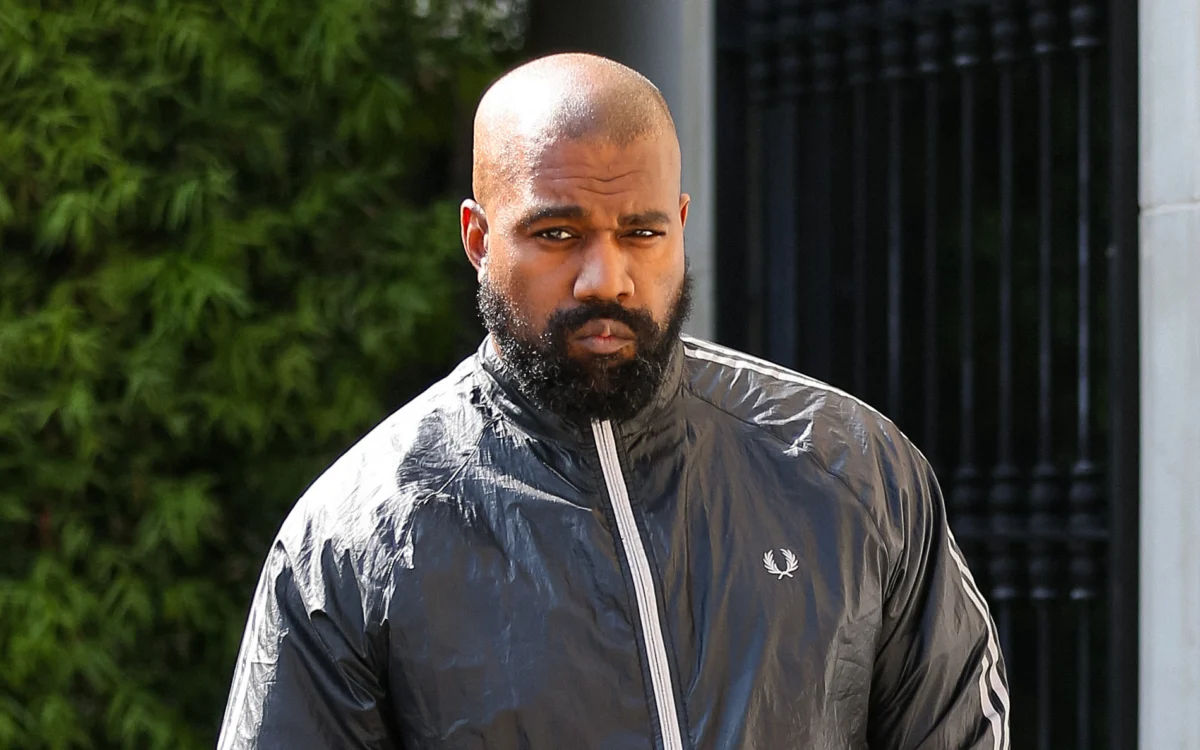
Wireless Festival has been canceled after its headliner, Kanye West, was denied entry into the UK. The London-based rap and R&B festival announced in a statement on Tuesday (April 7) that the decision was a direct result of the Home Office banning Ye, as he is widely known, from entering the United Kingdom, forcing the complete cancellation of the event. All ticket holders were promised an automatic full refund.
This abrupt cancellation follows a period of escalating controversy surrounding the booking of the acclaimed, yet increasingly polarizing, artist. Mounting pressure from significant sponsors, vocal campaign groups, and even prominent political figures had cast a shadow over the festival’s plans. The core of the dissent stemmed from West’s repeated antisemitic and pro-Nazi remarks made in recent years, which many found irreconcilable with the values of a major public event.
The withdrawal of major brands served as a stark indicator of the growing commercial and ethical concerns. Companies such as Pepsi, Paypal, and Diageo, all previously associated with sponsoring the festival, publicly declared their disassociation from Wireless in protest of West’s headlining slot. The sentiment was echoed at the highest levels of government, with Prime Minister Sir Keir Starmer describing the decision to book West as "deeply concerning."
The Home Office’s Decision and the Application Process
According to reports from the BBC, Kanye West formally applied for permission to travel to the UK on Monday, April 6, utilizing the Electronic Travel Authorisation (ETA) system. The Home Office’s subsequent rejection of this application was grounded in the assessment that West’s presence in the United Kingdom would not be "conducive to the public good." This legal framework allows the government to deny entry to individuals whose past actions or public statements are deemed to be harmful to societal interests or public order.
The decision signifies a significant intervention by the UK government, underscoring the gravity with which West’s public pronouncements have been received. While the exact parameters of what constitutes "not conducive to the public good" can be broad, it is understood to encompass individuals whose presence could incite hatred, promote discrimination, or undermine social cohesion.
Kanye West’s Response and Attempts at Reconciliation
In the hours leading up to the festival’s cancellation, Kanye West issued a public statement attempting to address the widespread backlash. In his statement, he articulated that his "only goal is to present a show of change" and that he aimed to "bring unity, peace and love through my music." This declaration suggested an intent to pivot from his controversial rhetoric towards a more positive and unifying message.
Furthermore, West extended an offer to engage directly with members of the Jewish community in the UK. He proposed meeting with them "in person, to listen," indicating a willingness to understand their concerns and engage in dialogue. This overture appeared to be an attempt to mitigate the damage caused by his past statements and to demonstrate a commitment to reconciliation.
The Board of Deputies of British Jews responded to West’s conciliatory statement with a measured but firm stance. They expressed a willingness to meet with Kanye West, framing it as part of his "journey of healing." However, this offer was contingent on a critical condition: that he first agree "not to play the Wireless Festival this year." This response highlighted the community’s skepticism and their prioritization of a clear demonstration of commitment to change over immediate engagement.
Festival Management’s Initial Defense of the Booking
Prior to the UK ban and the subsequent festival cancellation, the managing director of Festival Republic, the company behind Wireless Festival, had publicly defended the decision to book Kanye West. Melvin Benn, in a statement, acknowledged the abhorrent nature of West’s past remarks regarding Jews and Hitler. However, he also presented a contrasting perspective that emphasized the widespread accessibility of West’s music within the UK.
Benn pointed out that West’s music is regularly played on commercial radio stations and is readily available through live streams and downloads without significant public outcry or condemnation. He argued that West possessed a "legal right to come into the country and to perform in this country." Benn’s defense centered on the distinction between West’s artistic output and his personal views, suggesting that the festival was providing a platform for his music, not for his controversial opinions.
He further elaborated on this point, stating, "We are not giving him a platform to extol opinion of whatever nature, only to perform the songs that are currently played on the radio stations in our country and the streaming platforms in our country and listened to and enjoyed by millions." This argument aimed to frame the booking as a celebration of musical talent rather than an endorsement of the artist’s personal ideology.
Melvin Benn also appealed for a broader societal perspective on forgiveness and second chances. He remarked, "Forgiveness and giving people a second chance are becoming a lost virtue in this ever-increasing divisive world and I would ask people to reflect on their instant comments of disgust at the likelihood of him performing (as was mine) and offer some forgiveness and hope to him as I have decided to do." This statement suggested a belief in redemption and a desire for a less punitive approach to public figures who have made offensive remarks.
Timeline of Events and Broader Implications
The situation unfolded rapidly in the days leading up to the Wireless Festival, which was scheduled to take place from July 10 to July 12. Kanye West was slated to headline all three nights, a position that carried significant weight for the festival’s overall appeal and programming.
- Early April: Reports emerge of Kanye West’s booking as the sole headliner for Wireless Festival.
- Mid-April: Mounting backlash begins from various quarters, including campaign groups and the public, due to West’s history of antisemitic and pro-Nazi comments.
- Late April: Major sponsors, including Pepsi, Paypal, and Diageo, announce their withdrawal from sponsoring the festival in protest.
- Early May: Prime Minister Sir Keir Starmer publicly expresses concern over the booking.
- May 6 (Monday): Kanye West applies for an Electronic Travel Authorisation (ETA) to enter the UK.
- May 7 (Tuesday): The Home Office denies West’s ETA application, citing that his presence would not be conducive to the public good. Concurrently, Wireless Festival announces its complete cancellation due to the ban. Kanye West releases a statement offering to meet with the Jewish community and promising a "show of change." The Board of Deputies of British Jews responds, agreeing to meet conditionally.
- May 7 (Tuesday) evening: Festival Republic’s managing director, Melvin Benn, defends the initial booking, emphasizing the music’s widespread acceptance and advocating for forgiveness.
The cancellation of Wireless Festival has significant financial and cultural implications. For ticket holders, it represents a disruption of their planned entertainment and an administrative hassle of securing refunds. For the festival organizers, it signifies a substantial financial loss, not only in terms of lost revenue but also in the reputational damage incurred by the controversy and subsequent cancellation. The event’s organizers will likely face increased scrutiny in their future booking decisions.
Furthermore, the UK Home Office’s decision highlights a growing trend of governments taking a more active role in regulating entry based on the public pronouncements of individuals, particularly in the realm of hate speech and incitement. This sets a precedent for how other countries might approach similar situations involving public figures with controversial histories.
On a broader cultural level, the incident reignites debates about cancel culture, artistic freedom versus social responsibility, and the potential for redemption for individuals who have expressed hateful views. While West’s music remains popular and widely consumed, as evidenced by his recent successful performances, the incident underscores the persistent societal demand for accountability and the challenges in reconciling artistic merit with ethical conduct.
The Chicago native had recently held two sold-out concerts at Los Angeles’ SoFi Stadium in support of his album Bully. These performances featured a host of notable guests, including Lauryn Hill, Travis Scott, and Don Toliver, indicating his continued influence and draw within the music industry on his home soil. However, the UK ban demonstrates that his controversial statements have created significant international repercussions, extending beyond the digital sphere into tangible travel restrictions and the complete disruption of major cultural events. The implications of this ban are likely to resonate within the music industry and in public discourse regarding hate speech and accountability for some time to come.
