

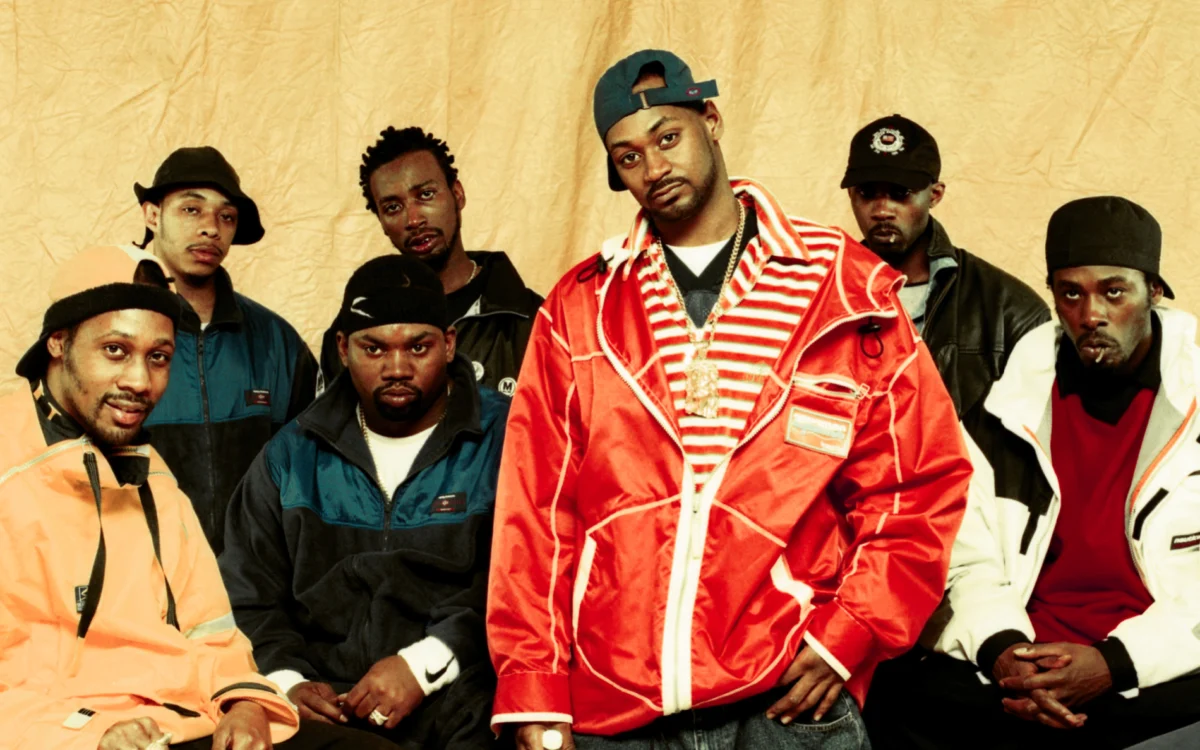
The iconic Staten Island hip-hop collective, Wu-Tang Clan, has officially secured their place in the hallowed halls of rock and roll, having been voted into the Rock & Roll Hall of Fame as part of the esteemed Class of 2026. The groundbreaking announcement, made on Monday, April 13, marks a significant milestone for hip-hop and cements the group’s enduring legacy and profound influence on global music culture. This induction recognizes Wu-Tang Clan not just as pioneers of a genre, but as artists whose sonic innovation and lyrical prowess have transcended boundaries, earning them a permanent spot amongst music’s most revered figures.
The Class of 2026 is a diverse and celebrated roster, featuring a rich tapestry of musical talent. Alongside Wu-Tang Clan, the inductees include legendary artists such as Sade, the enigmatic British singer known for her soulful and sophisticated sound; Luther Vandross, a titan of R&B whose velvety voice defined a generation; the anthemic British rock band Oasis; the pioneering heavy metal group Iron Maiden; the versatile and enduring Phil Collins, both as a solo artist and with Genesis; the quintessential punk-rock icon Billy Idol; and the influential British post-punk bands Joy Division and its successor New Order, recognized as a single entity for their collective impact.
Adding further weight to the significance of hip-hop’s representation in this year’s induction, fellow rap icons Queen Latifah and MC Lyte will also be honored. They are set to receive the prestigious "Early Influence" award, a special recognition that celebrates artists who have significantly shaped and pioneered musical genres and cultural movements. This accolade underscores their indelible contributions to the evolution of hip-hop and their roles as powerful voices and cultural ambassadors.
The formal induction ceremony for the Class of 2026 is scheduled to take place on November 14, transforming the Peacock Theater in Los Angeles into a stage for musical history. Fans eager to relive the momentous occasion will have the opportunity to watch the ceremony in December, with broadcasts planned on ABC and streaming available on Disney+. This event promises to be a star-studded celebration, bringing together a constellation of musical luminaries to honor the artists who have shaped the sonic landscape.
A Journey Through Hip-Hop’s Ascent to Rock’s Pantheon
The journey of hip-hop into the Rock & Roll Hall of Fame has been a gradual yet undeniable progression, reflecting the genre’s increasing artistic merit and cultural dominance. Wu-Tang Clan’s induction is not an isolated event but the culmination of years of advocacy and growing recognition for hip-hop’s foundational artists. The Rock & Roll Hall of Fame, established in 1983, initially focused on rock and roll’s early pioneers. However, as the music industry evolved and hip-hop emerged as a powerful global force, the institution has increasingly acknowledged the genre’s pivotal role in shaping contemporary music.
The first hip-hop act to be inducted was Grandmaster Flash and the Furious Five in 2007, a landmark moment that signaled a shift in the Hall’s acceptance criteria. This was followed by a steady stream of influential artists, including Run-DMC, the Beastie Boys, Public Enemy, and N.W.A., each representing different facets and eras of hip-hop’s development. More recent inductees like JAY-Z, Eminem, 2Pac, The Notorious B.I.G., OutKast, Missy Elliott, and A Tribe Called Quest further solidified hip-hop’s undeniable presence. Additionally, artists such as LL Cool J, Salt-N-Pepa, and DJ Kool Herc have been recognized through categories like Early Influence or Musical Excellence, highlighting the breadth of hip-hop’s impact. With the inclusion of Wu-Tang Clan, Queen Latifah, and MC Lyte, the total number of hip-hop acts in the Rock & Roll Hall of Fame now stands at an impressive 18, a testament to the genre’s pervasive influence.
Reflections from the Clan: Joy, Gratitude, and Triumph
The news of their induction has resonated deeply within the Wu-Tang Clan, eliciting heartfelt responses from its members. RZA, the group’s de facto leader and principal producer, shared his profound emotions on Instagram. "In all Humility. This announcement filled me with joy, proudness, profound achievement, and awe," he wrote. "I’m grateful to all my brothers and those who helped us on the path. Thank you Rock & Roll Hall of Fame. This is a true Triumph – Wutang Forever." His words encapsulate the immense significance of this recognition, not just for the group but for the entire hip-hop community that has supported their journey.
Fellow Wu-Tang member Raekwon echoed this sentiment, viewing the induction as a monumental achievement on par with other major accolades. "History books will know this club! This my grammy. What we talking bout! Haahahahaha. Shout out to all our mothers who birth these men. They won tonight," he expressed, highlighting the deep pride and historical context of their accomplishment. GZA, another core member, offered a more reflective acknowledgment, emphasizing the collective effort behind their success. "We couldn’t have reached this milestone without our hip hop predecessors, fans, collaborators, friends and family. We thank you," he stated, underscoring the collaborative spirit that has defined Wu-Tang Clan’s enduring appeal.
A Powerful Cohort: Beyond Hip-Hop’s Borders
The Class of 2026 is a testament to the diverse and interconnected nature of music. The inclusion of artists like Sade, whose ethereal sound has captivated audiences for decades, and Luther Vandross, a maestro of romantic ballads, alongside the raw energy of Iron Maiden and the anthemic power of Oasis, demonstrates the Rock & Roll Hall of Fame’s commitment to honoring a broad spectrum of musical excellence. Phil Collins, a multi-faceted artist known for his drumming prowess and distinctive vocal style, and Billy Idol, a charismatic figure who defined a generation of rock and roll, further enrich this year’s inductee list. The joint recognition of Joy Division and New Order acknowledges a pivotal chapter in alternative music history, highlighting their innovative approach to sound and songwriting.
The "Early Influence" award, bestowed upon Queen Latifah and MC Lyte, is a crucial category that recognizes artists whose foundational work laid the groundwork for future generations. Queen Latifah, a trailblazer in female empowerment and a multi-talented artist across music, film, and television, has consistently broken barriers. MC Lyte, a pioneering MC, is celebrated for her lyrical dexterity, storytelling ability, and her instrumental role in elevating the art of rapping. Their inclusion signifies the Hall’s acknowledgment of the foundational contributions made by hip-hop’s early female pioneers.
The Road to the Hall: A Rigorous Selection Process
The path to the Rock & Roll Hall of Fame is a highly competitive one, involving a nomination process and subsequent voting by an international body of more than 1,200 voters. This esteemed electorate comprises music historians, artists, and industry professionals who cast their ballots to determine the final inductees. The selection committee carefully considers artists who have demonstrated "influence and significance on the development and perpetuation of rock and roll." While the core of the definition has expanded to encompass a wider range of genres that have profoundly influenced rock and roll and popular music, the spirit of innovation and lasting impact remains central to the criteria.
This year, several other prominent artists were nominated but did not receive enough votes to secure induction. Among them were Lauryn Hill, whose critically acclaimed album "The Miseducation of Lauryn Hill" is considered a masterpiece of contemporary music; Mariah Carey, a global pop icon with an unparalleled vocal range and a string of chart-topping hits; and Shakira, the Colombian superstar known for her genre-bending music and electrifying performances. Their nominations highlight the intense competition and the subjective nature of the voting process, underscoring the high caliber of artists considered each year.
Broader Implications: Hip-Hop’s Evolving Cultural Significance
Wu-Tang Clan’s induction into the Rock & Roll Hall of Fame is more than just an honor for the group; it represents a significant moment for hip-hop as a whole. It signifies the genre’s full integration into the mainstream of musical recognition, moving beyond its origins as a subculture to become a dominant force in global culture. This acknowledgment validates the artistic merit, cultural impact, and historical significance of hip-hop music, placing it on par with genres that have traditionally held more established positions in music history.
The inclusion of Wu-Tang Clan, Queen Latifah, and MC Lyte in the Class of 2026 further strengthens the narrative of hip-hop’s pervasive influence. It highlights the diverse voices and styles within the genre, from the intricate storytelling of Wu-Tang to the empowering messages of Queen Latifah and MC Lyte. This recognition is likely to inspire future generations of hip-hop artists, reinforcing the idea that their creativity and contributions are valued and recognized on the highest levels of musical achievement.
The Rock & Roll Hall of Fame’s evolving criteria reflect a broader societal shift in appreciating and understanding the evolution of music. By embracing artists from diverse backgrounds and genres, the Hall continues to adapt and remain relevant in a rapidly changing musical landscape. Wu-Tang Clan’s induction is a powerful statement about the enduring legacy of hip-hop and its irreversible impact on the world of music and beyond. Their journey from the gritty streets of Staten Island to the esteemed halls of rock and roll history is a testament to their unparalleled artistry, unwavering dedication, and the profound cultural resonance of their music.
