

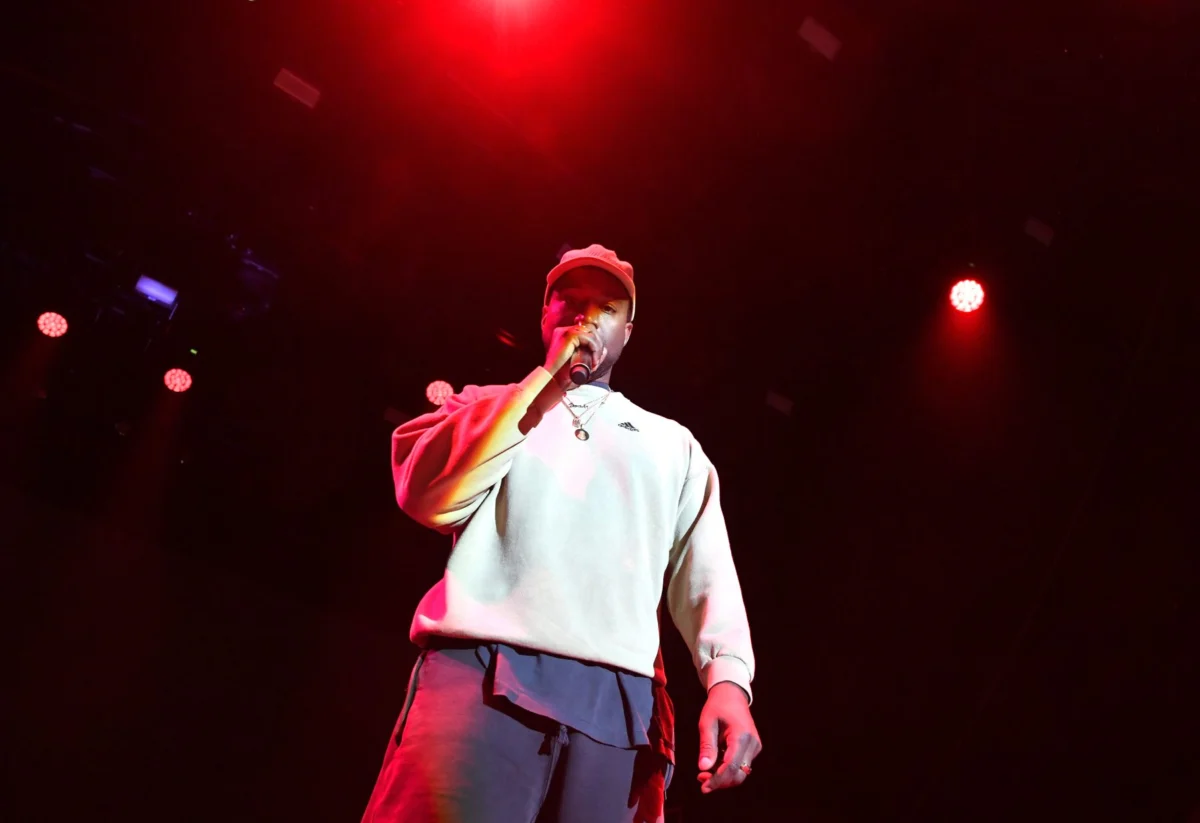
Kanye West, known professionally as Ye, is slated to perform a pair of highly anticipated and equally controversial shows at the Gelredome Stadium in Arnhem, Netherlands, on June 6 and June 8. These concerts mark a significant moment in the artist’s career, as they stand in stark contrast to a series of cancellations and postponements across Europe, all stemming from widespread condemnation of his past antisemitic remarks. The decision by Dutch authorities to permit these performances has ignited a fierce debate, pitting the principles of freedom of expression against calls for accountability for hate speech.
A Tumultuous European Tour Leg
The Arnhem dates emerge as a rare green light amidst a landscape of international resistance. Ye’s planned appearances in other European nations have faced insurmountable hurdles, effectively derailing a substantial portion of his intended tour. In London, authorities denied Ye a travel visa, citing concerns over his previous statements and actions. This denial directly led to the cancellation of his scheduled performance at Wireless Fest, a major blow to his touring ambitions. Similarly, a concert planned for June 19 at Silesian Stadium in Chorzów, Poland, was officially called off, with a representative for the venue confirming to Wyborcza that "the concert will not take place." This decision followed public pressure and statements from Polish officials expressing discomfort with Ye’s controversial history.
France also witnessed a postponement, though in this instance, it was Ye himself who opted to defer a June concert at Marseille’s Stade Vélodrome. This move came after mounting backlash from French authorities and a palpable sense of public unease regarding his potential presence. The pattern of cancellations and postponements highlights a broader international reluctance to host the artist, underscoring the severe reputational and professional consequences of his past rhetoric.
The Genesis of Controversy: Ye’s Antisemitic Rhetoric
The current scrutiny surrounding Ye’s concerts is inextricably linked to a series of antisemitic and hate-filled statements he made public in recent years. These began to escalate in late 2022, when Ye posted inflammatory remarks on social media, including a tweet declaring he would go "death con 3 on Jewish people." This was followed by a contentious interview where he expressed admiration for Adolf Hitler and made Holocaust-denying comments. Further incidents included the public sale of T-shirts featuring a swastika and the release of a song reportedly titled "Heil Hitler."
These actions led to immediate and severe repercussions. Major corporate partners, including Adidas, Gap, and Balenciaga, severed ties with the artist, resulting in a significant loss of income and his reported removal from the Forbes billionaires list. The controversies also reignited public discussions about mental health, as Ye has openly spoken about his diagnosis of bipolar disorder, though many argue that mental health issues do not excuse hate speech.
In an apparent effort to address the fallout, Ye issued an apology in The Wall Street Journal in January, specifically addressing the Jewish and Black communities. This apology was preceded by a meeting with a rabbi in late 2023, signaling an attempt at rehabilitation and engagement with the communities he had offended. Despite these gestures, the memory of his past statements remains vivid, particularly for those affected by antisemitism.
The Dutch Legal Framework: A Stance on Freedom of Expression
The situation in the Netherlands presents a stark contrast to the responses seen in the UK, Poland, and France. Arnhem Mayor Ahmed Marcouch has emerged as a key figure in this debate, staunchly defending the legal basis for allowing Ye’s performances despite his personal revulsion at the artist’s past remarks. Marcouch explicitly stated that he found West’s previous antisemitic comments "disgusting." However, he emphasized that under Dutch law, there is no legal basis to ban Ye from entering the Netherlands or performing based solely on past statements.
As of Friday, April 17, the process of approving Ye’s permits to perform in the Netherlands was still underway. Mayor Marcouch clarified that the evaluation focuses strictly on operational aspects: "What I can look at are the permit applications for the two concerts. They are currently being processed as we speak. This concerns, among other things, safety and public order. If the organization meets the requirements of the permit, then we simply have to grant that permit." He firmly stated, "Within the framework of the law, the mayor should not pass judgment on the content of a cultural activity. That concerns freedom of expression."
This position is consistent with earlier statements from Minister Van den Brink, who, earlier in April, also explained that "no legal basis" exists to ban West from entering the country based on his prior controversial statements. "Based on what is currently known to me, I have no indication that an entry ban may apply to this," the minister was quoted by RTL News.
The core of the Dutch argument rests on the constitutional principle of freedom of expression and the rule of law. Mayor Marcouch underscored that making racist and antisemitic statements is a punishable offense under Dutch law, but such laws apply when the offense occurs, not as a pre-emptive ban for past actions. "Making racist and antisemitic statements is already a punishable offense. But he has to make them first. Now it concerns someone who did something in the past and, for that reason, would not be allowed to come to the Netherlands," he elaborated. "Regarding that, the Minister rightly said, ‘There is no legal basis for that.’"

Political and Public Reactions in the Netherlands
Despite the clear legal stance from municipal and national authorities, pressure is indeed mounting from various quarters. Members of the Dutch Parliament have vocally called for a ban on Ye’s performances, expressing deep concern over the potential platform his concerts could provide for an individual with a history of hate speech. These parliamentary members have frequently utilized platforms like X (formerly Twitter) to voice their indignation and urge the Minister to intervene.
Mayor Marcouch directly addressed these calls, challenging politicians to pursue legislative change if they wish to alter the current legal framework. "Members of Parliament have the power to make laws, so instead of constantly posting all kinds of messages on X, they can also limit behavior they deem undesirable by law," he told Dutch outlet NRC. He further stressed the importance of legal consistency: "If the Minister comes to that conclusion after all the indignation and calls from the House, then you shouldn’t start shouting again that someone is not allowed to come. Then you have to create a legal basis so that the Minister can do those kinds of things."
Jewish community organizations in the Netherlands, while not explicitly quoted in the original report, have logically expressed profound disappointment and concern. Representatives of such groups have historically voiced anxieties about the normalization of antisemitic rhetoric and the platforming of individuals who promote it. For many, the legal adherence to freedom of expression, while fundamental, feels insufficient in addressing the moral and ethical implications of hosting an artist with such a controversial past. Human rights advocates, while often supporting free speech, also frequently highlight the fine line between protected expression and speech that incites hatred or discrimination. The Dutch decision has therefore become a flashpoint in the ongoing global debate about "cancel culture" versus accountability and the boundaries of artistic freedom.
Economic and Logistical Impact
The decision to proceed with the concerts carries significant economic and logistical considerations for Arnhem and the Gelredome Stadium. While specific financial data is not publicly available, major stadium concerts typically generate substantial revenue for local economies through ticket sales, hospitality, transport, and ancillary services. Estimates suggest that tens of thousands of attendees could flock to Arnhem for the two dates, providing a considerable, albeit controversial, economic boost to hotels, restaurants, and local businesses.
However, the controversial nature of the artist also necessitates heightened security measures. Public order and safety are paramount concerns for the municipality, and the permit processing explicitly addresses these. Security costs are expected to be substantial, encompassing increased police presence, private security personnel, and crowd management strategies to mitigate any potential protests or disruptions. The concert promoter, SuperAuto.pl (which was involved in the Polish cancellation), and the Gelredome Stadium management are likely navigating complex contractual obligations and public relations challenges, balancing the commercial viability of the events with the reputational risks.
Ye’s Latest Career Endeavors and Broader Tour Plans
Amidst the European controversy, Ye has been actively working on his musical career and attempting a return to the stage in the United States. His latest album, Bully, released on March 28, debuted at No. 2 on the Billboard 200, indicating that his musical output still commands significant attention and commercial success despite his controversies. He also returned to performing in the U.S. with two shows at SoFi Stadium on April 1 and April 3, marking his reentry into large-scale live performances.
According to the Yeezy website, Ye still has a number of international concerts scheduled later this year, including dates in New Delhi, Istanbul, Italy, Madrid, and Portugal. The success or failure of the Arnhem concerts, both legally and logistically, could set a precedent for these upcoming dates. If the Dutch performances proceed without major incident, it could bolster his argument for being allowed to perform elsewhere, emphasizing the adherence to legal principles over moral objections. Conversely, any significant issues could further complicate his global touring ambitions.
Broader Implications and Precedent
The situation in Arnhem serves as a critical case study in the ongoing global discussion about the responsibilities of public figures, the limits of free speech, and the role of legal frameworks in addressing hate speech. The Dutch authorities’ firm adherence to existing law, even when faced with significant public and political pressure, highlights a constitutional approach that prioritizes legal precedent and freedom of expression over discretionary moral judgment. This contrasts sharply with countries like the UK, where visa denials can be made on broader "public good" grounds.
This episode forces a re-examination of how societies balance fundamental rights with the need to combat harmful rhetoric. It raises questions about whether existing laws are adequate to address the evolving nature of celebrity influence and the rapid dissemination of controversial statements through digital platforms. For many, the current legal framework appears to offer insufficient recourse when an artist’s past actions are widely deemed reprehensible but do not directly violate current law within the jurisdiction of a planned event.
Ultimately, the Gelredome concerts will not only be a test of Ye’s continued appeal but also a significant moment for Dutch jurisprudence and public discourse. The legal battle has been won by the artist, but the moral debate continues, ensuring that the performances in Arnhem will be observed closely, not just by fans, but by legal scholars, human rights organizations, and governments worldwide grappling with similar challenges. The outcome will undoubtedly contribute to the evolving dialogue on artistic freedom, accountability, and the boundaries of expression in a globalized world.
