

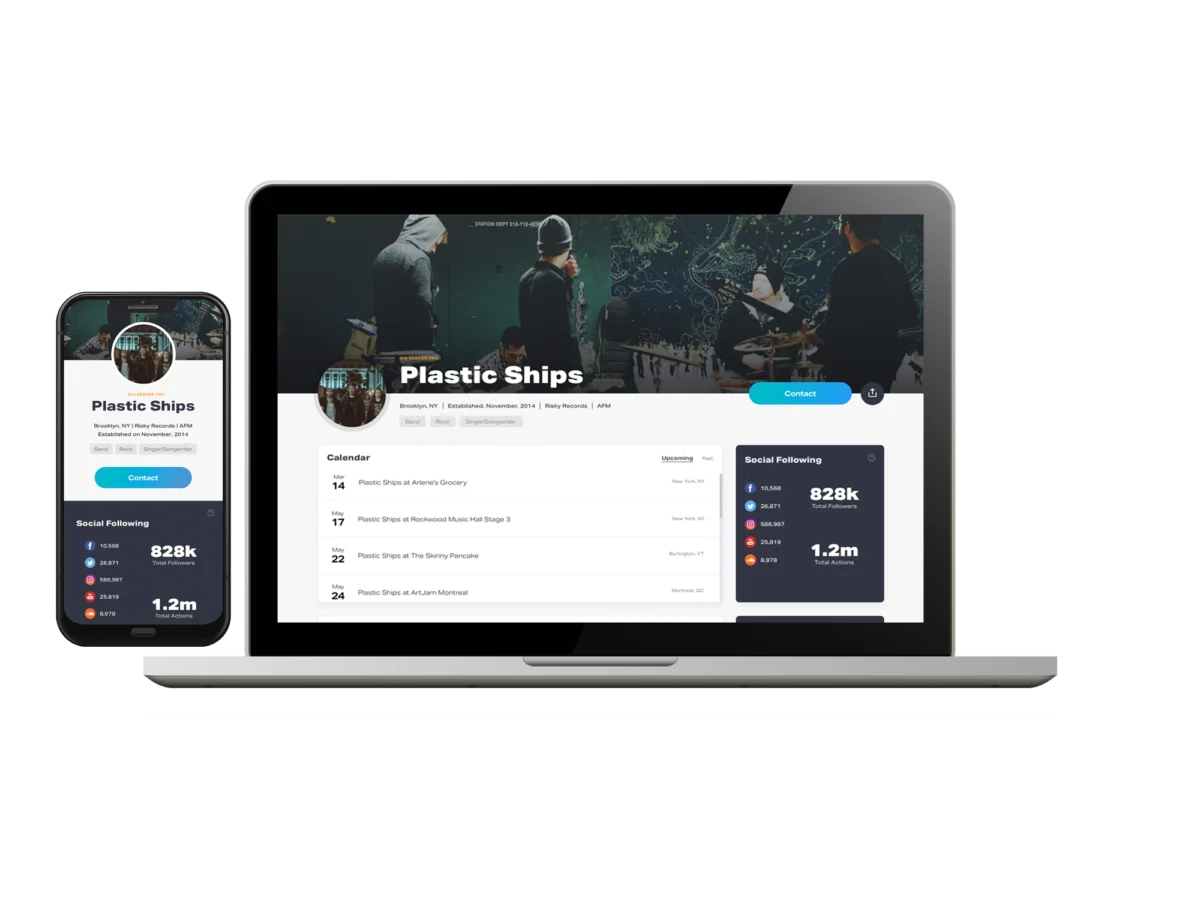
The global music industry has undergone a radical transformation over the last two decades, shifting from a centralized, label-dominated hierarchy to a decentralized ecosystem where independent artists now represent the fastest-growing sector of the market. In this highly competitive environment, where over 100,000 new tracks are uploaded to streaming services daily, the Electronic Press Kit (EPK) has emerged as the definitive professional standard for artists seeking to navigate the complexities of talent booking, media coverage, and label representation. Often described as a digital resume or a professional calling card, the EPK serves as a centralized hub that distills an artist’s brand, music, and achievements into a streamlined, accessible format for industry gatekeepers.
The Chronological Transition from Physical to Digital Media
The concept of the press kit is not a new phenomenon, but its delivery method has evolved significantly alongside technological advancements. In the late 20th century, independent musicians relied on physical "press packs," which typically consisted of a manila envelope containing a cassette tape or CD, a printed biography, a glossy 8×10 promotional photograph, and photocopies of local newspaper clippings. These kits were expensive to produce and cumbersome to mail, often ending up in literal "slush piles" at record labels and radio stations.
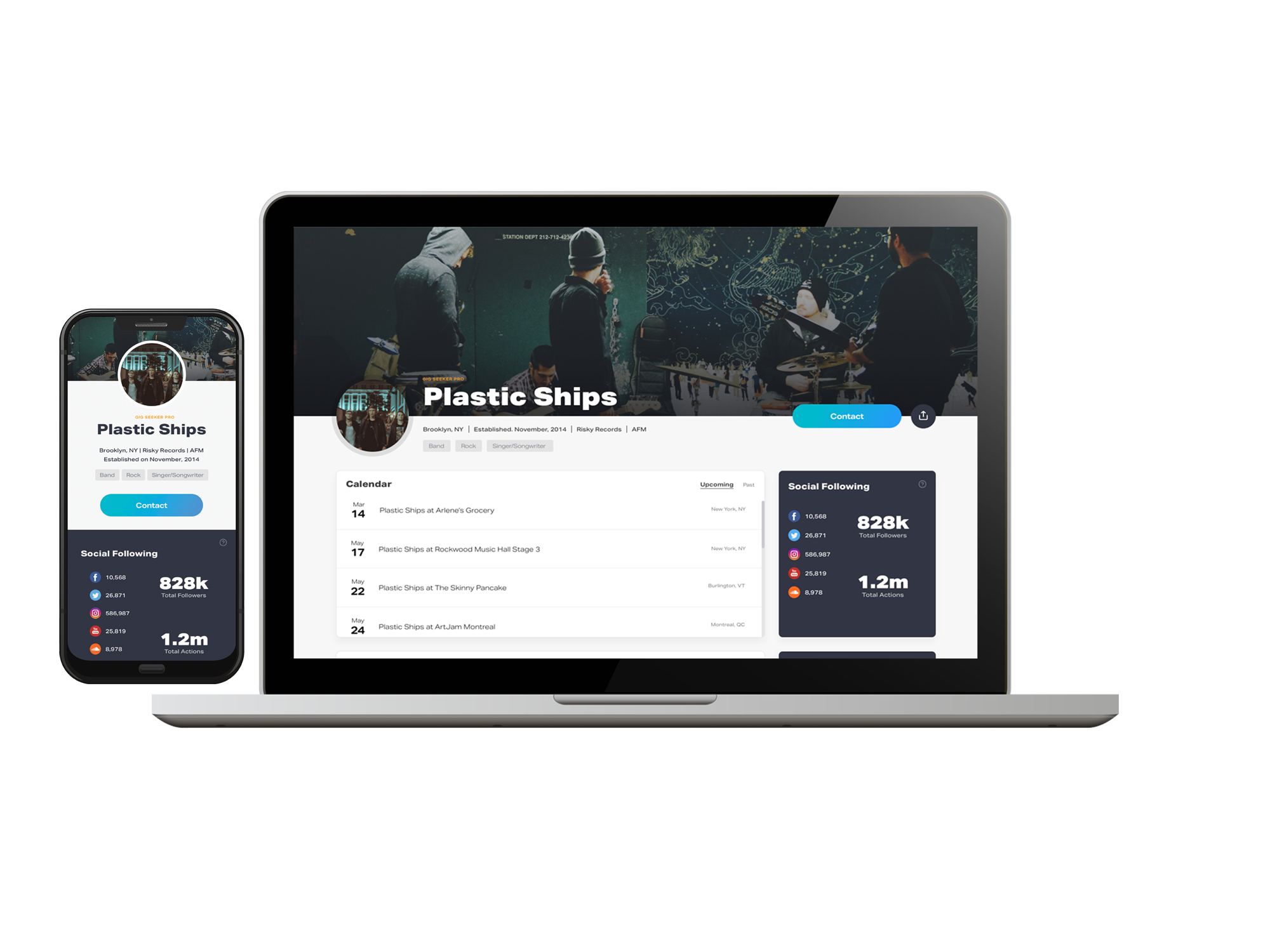
The pivotal shift occurred in the early 2000s as internet bandwidth increased and digital storage became more accessible. In 2001, the launch of Sonicbids revolutionized the process by introducing a standardized digital platform for EPKs. This allowed artists to host their materials online and submit them to promoters with a single click. By 2010, the "demo tape" was effectively obsolete, replaced by cloud-based portfolios. Today, the modern EPK is a sophisticated multimedia asset that integrates streaming audio, high-definition video, social media analytics, and interactive touring schedules, reflecting the multi-faceted nature of 21st-century stardom.
Supporting Data: The Rising Necessity of Professionalism
Market data underscores the necessity of professional presentation for independent artists. According to a 2023 report by MIDiA Research, the "independent artist-direct" segment generated approximately $1.2 billion in annual revenue, a significant increase from previous years. However, this growth has led to a saturated market. Talent buyers at major festivals, such as SXSW or Glastonbury, report receiving tens of thousands of applications for a limited number of performance slots.
Internal data from booking platforms suggests that artists with a complete and professional EPK are up to 70% more likely to be considered for a gig than those who submit fragmented links to social media profiles. The reason is rooted in efficiency; a talent buyer typically spends less than 60 seconds reviewing an initial submission. An EPK provides the required information—music, bio, and visual aesthetic—within that narrow window, whereas searching for disparate links often leads to immediate rejection.
Core Components of a High-Performance EPK
To function effectively as a tool for career advancement, an EPK must contain several non-negotiable elements. These components are designed to answer the specific questions of journalists, booking agents, and A&R executives:
- The Professional Biography: This is not merely a chronological history but a narrative that establishes the artist’s unique selling proposition. It often includes a "short bio" for quick reading and a "long bio" for press features.
- High-Resolution Visual Assets: Professional photography is critical for media outlets. A modern EPK should include both landscape and portrait orientations, as well as "clean" images that allow for text overlays in magazine layouts.
- Curated Audio and Video: Rather than a link to an entire discography, a successful EPK highlights the artist’s strongest work. Embedded YouTube or Vimeo links of live performances are particularly vital for booking agents who need to verify an artist’s ability to command a stage.
- Social Proof and Analytics: In an era driven by data, including streaming milestones (e.g., "1 million Spotify streams") and social media engagement rates provides tangible evidence of an existing fan base.
- Technical Rider and Stage Plot: For touring artists, the inclusion of technical requirements ensures that venue sound engineers are prepared, further establishing the artist’s professional reputation.
Professional Perspectives: The Gatekeeper’s Analysis
Industry professionals emphasize that the EPK is a reflection of an artist’s business acumen. "When I receive a professional EPK, it tells me that the artist is ready for the next level," says Marcus Thorne, a veteran talent buyer for mid-sized venues in North America. "It shows they respect my time. If I have to go hunting for a high-res photo or a contact email, I’m likely to move on to the next artist who has their materials organized."
Similarly, music journalists note that the "copy-paste" readiness of an EPK can determine whether an indie artist receives coverage. A well-written press release within the EPK provides the framework for a story, making it easier for time-constrained writers to produce a feature. This level of accessibility is often the deciding factor in whether a small-town band receives national digital coverage.
Broader Implications for Industry Credibility and Growth
The adoption of a professional EPK has implications that extend beyond simple booking. It acts as a foundational element of brand identity. In a landscape where "viral" success on platforms like TikTok can be fleeting, a professional portfolio provides the substance needed to convert a momentary trend into a sustainable career. It signals to potential collaborators, managers, and lawyers that the artist is an established entity with a clear vision.
Furthermore, the EPK serves as a living document of growth. By regularly updating the kit with new press quotes, updated streaming data, and fresh visual content, artists can track their own trajectory. This iterative process is essential for maintaining relevance in a fast-moving market. When an artist can demonstrate a year-over-year increase in venue size or media mentions through their EPK history, they build a compelling case for higher-tier festival slots and larger distribution deals.
The Impact of Integrated Platforms
The rise of integrated platforms like Sonicbids has streamlined the relationship between artists and the "business side" of music. By providing a standardized template, these platforms have lowered the barrier to entry for artists who may not have the technical skills to build a bespoke website but require a professional online presence. These platforms also act as a marketplace, connecting artists directly with "Gig Leads"—opportunities ranging from licensing deals to opening slots for national tours.
This connectivity has democratized the industry to an extent, allowing a producer in a home studio or a folk singer in a rural area to compete for the same opportunities as artists in major music hubs like Nashville, London, or Los Angeles. The EPK levels the playing field by ensuring that the quality of the presentation matches the quality of the music.
Future Outlook and Conclusion
As the music industry continues to integrate artificial intelligence and advanced data analytics, the EPK is expected to become even more data-centric. Future iterations may include real-time audience heatmaps or AI-generated "readiness scores" for certain markets. However, the core purpose of the EPK will remain unchanged: it is a tool for human connection in a digital world.
In summary, the Electronic Press Kit is no longer an optional luxury for the independent artist; it is a fundamental requirement for entry into the professional sphere. By consolidating music, visuals, and achievements into a single, high-impact package, artists can overcome the noise of the digital age. It facilitates efficient communication, establishes vital credibility, and provides a scalable platform for long-term career development. For the independent musician, the EPK is the bridge between creative output and commercial viability, serving as the essential catalyst for success in a complex and ever-evolving global marketplace.
As the industry standard since 2001, platforms like Sonicbids continue to facilitate this connection, offering the tools necessary for artists to curate their professional identity and secure their place on the stage. In the final analysis, while the music remains the heart of the artist’s journey, the EPK is the vehicle that carries that music to the world.
