

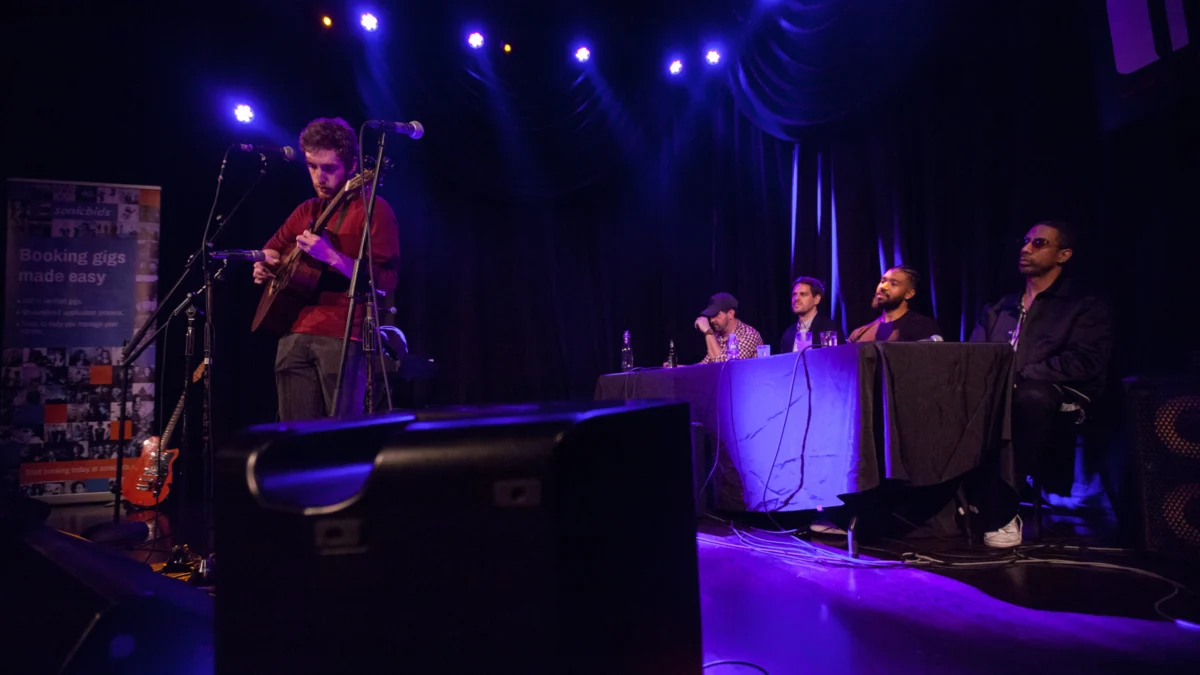
The independent music sector has undergone a seismic shift over the last decade, transitioning from a fringe movement to a dominant force in the global entertainment economy. According to recent industry reports, independent artists are the fastest-growing segment of the music business, collectively generating billions in annual revenue and capturing an increasing share of streaming volume. However, this rapid democratization of music production and distribution has created a saturated marketplace where visibility is difficult to maintain. Industry analysts suggest that the primary differentiator for successful independent creators is no longer just the quality of the recording, but the strength and breadth of their professional networks. Networking and collaboration, once viewed as secondary activities, have become essential strategic imperatives for career longevity and market penetration.
The Evolution of the Independent Music Ecosystem
Historically, the path to a sustainable music career was mediated by centralized gatekeepers, including major record labels, talent agencies, and terrestrial radio programmers. In the current era, the "gatekeeper" model has been largely replaced by a "network" model. In this decentralized environment, an artist’s growth is frequently tied to their ability to foster community and leverage interdisciplinary partnerships. Data from MIDiA Research indicates that independent artists who engage in frequent collaborations see a higher rate of "discovery" on streaming platforms like Spotify and Apple Music, as algorithmic playlists often favor tracks that bridge multiple fanbases.
Despite the clear advantages of professional connectivity, many independent musicians report significant barriers to networking, ranging from social anxiety to a lack of geographic access to traditional music hubs like Nashville, Los Angeles, or London. To counter these challenges, a new framework of networking strategies has emerged, focusing on local engagement, digital synergy, and community-centric growth.
Leveraging Interdisciplinary Synergy through Local Arts Events
One of the most effective, yet frequently overlooked, strategies for expanding a musical network is the integration into the broader local arts scene. While musicians often gravitate toward other musicians, the most innovative collaborations frequently occur at the intersection of different artistic disciplines. Local galleries, experimental theater companies, and spoken-word collectives represent untapped reservoirs of creative and professional opportunity.
The economic implications of these cross-disciplinary partnerships are significant. For example, a visual artist hosting a gallery opening requires a curated atmosphere, providing a platform for a musician to showcase their work to a demographic that appreciates high-value art. Furthermore, the rise of "immersive experiences" in the global tourism and entertainment sectors has increased the demand for original soundtracks for art installations and live performances. By positioning themselves within these circles, musicians can secure non-traditional revenue streams and reach audiences that are insulated from mainstream music marketing.
The Role of Educational and Peer-Led Environments
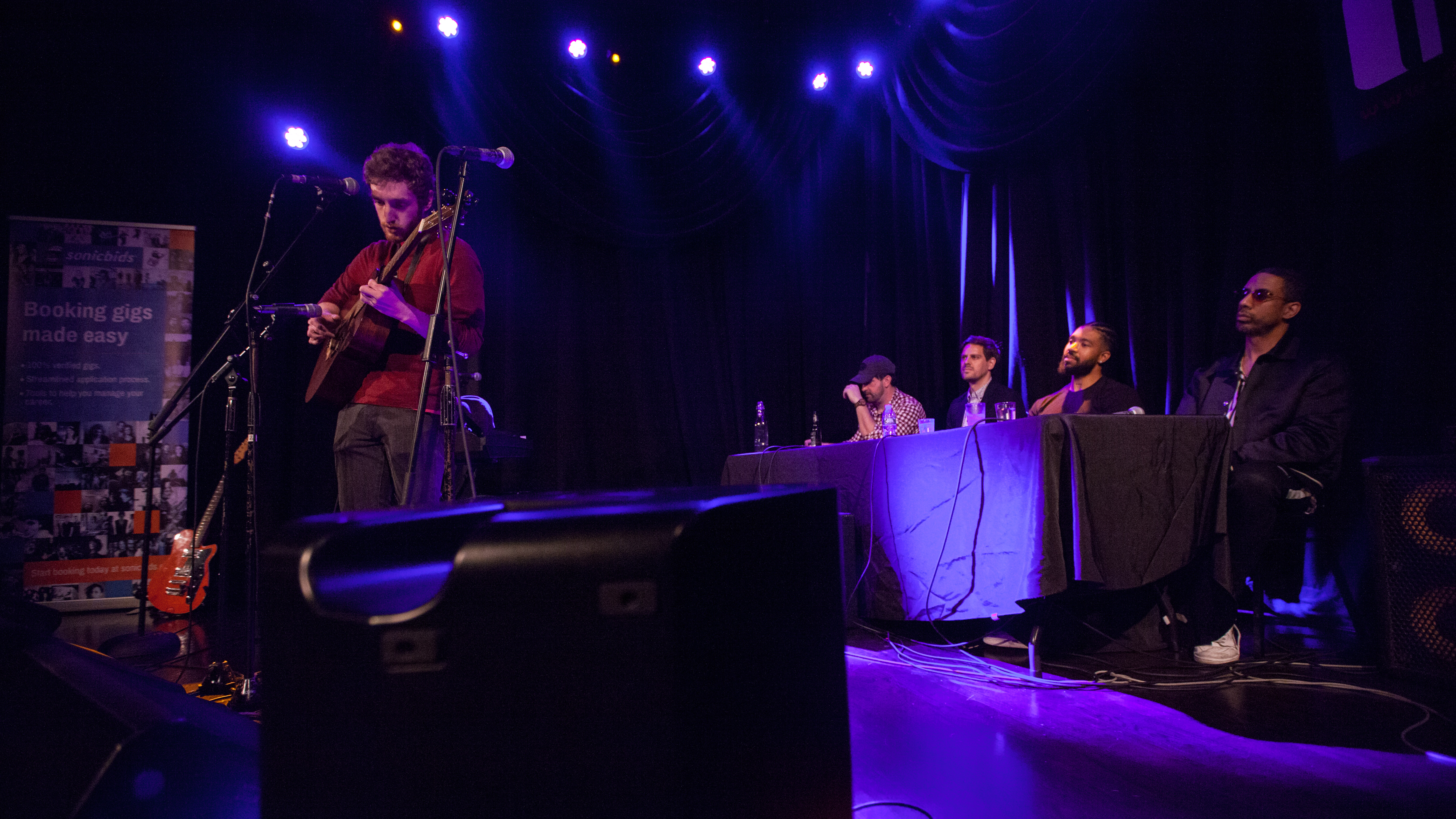
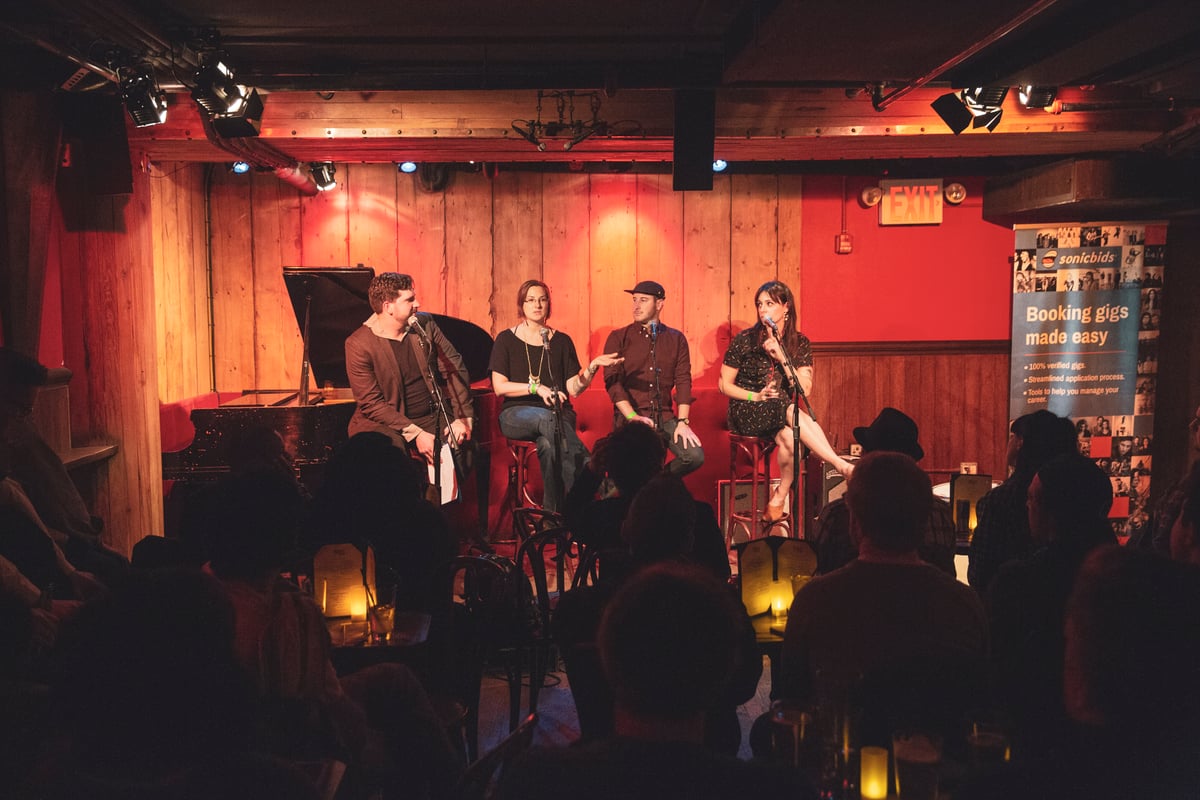
The professionalization of networking is perhaps most visible in the rise of workshops and jam sessions, such as those hosted by industry platforms like Sonicbids. The Sonicbids "Feedback Collective," which features panel discussions and songwriting workshops, serves as a case study for how structured interaction can catalyze career growth. These events move beyond the casual "meet-and-greet" and focus on skill-sharing and constructive critique.
When musicians host their own workshops or jam sessions, they transition from a participant to a facilitator, a role that carries significant social and professional capital. Industry observers note that these environments foster a "third space"—a setting that is neither the high-pressure stage nor the isolation of the home studio. In these spaces, genre boundaries are often blurred. The technical exchange between a jazz instrumentalist and a digital producer, for instance, can lead to the development of "hybrid genres" that are currently trending in the global market. The "Feedback Collective" model demonstrates that when artists are provided with a framework for honest dialogue, the resulting professional bonds are more durable than those formed through transactional networking.
Digital Platforms and the Rise of the Collaborative Economy
While social media remains a staple of artist promotion, the focus is shifting toward platforms specifically engineered for creative collaboration. Tools such as BandLab, SoundCloud, and Splice have redefined the geography of the music industry, allowing a producer in Seoul to collaborate with a vocalist in Berlin in real-time. This "collaborative economy" has turned the act of networking into a digital-first experience.
Statistical analysis of streaming data suggests that "feature" culture—where artists are credited as guests on each other’s tracks—is a primary driver of listener retention. For independent musicians, using these platforms creatively involves more than just uploading content; it requires active participation in the digital community. By engaging with the technical aspects of other artists’ work through comments and direct outreach, musicians can build a "digital reputation" that precedes their physical presence. This strategy is particularly effective for those in remote areas, as it allows for the construction of a global professional network without the necessity of immediate relocation to an industry hub.
The Strategic Value of Event Voluntarism
The music festival circuit remains one of the most concentrated environments for professional networking. However, for many independent artists, the barrier to entry as a performer is high. Consequently, volunteering at these events has emerged as a high-value entry point for industry immersion. Volunteers are often placed in proximity to event organizers, production managers, and established artists, providing a behind-the-scenes look at the logistical and commercial realities of the industry.
This "labor-for-access" model allows aspiring professionals to demonstrate their reliability and work ethic—traits that are highly valued in an industry often perceived as chaotic. Chronologically, many industry professionals trace their career breakthroughs to connections made while working in hospitality, artist relations, or technical crews at major festivals. By contributing to the success of an event, an artist builds a level of trust with industry stakeholders that cannot be replicated through an email or a social media message.

Utilizing Fanbases as Network Catalysts
In the modern music business, the relationship between the artist and the fan has evolved from a one-way broadcast to a two-way dialogue. The "1,000 True Fans" theory, popularized by Kevin Kelly, posits that an artist does not need mainstream stardom to be successful, but rather a dedicated core of supporters. Modern networking strategies suggest that this fanbase can also serve as a professional resource.
Crowdsourcing networking opportunities through surveys, polls, and direct engagement allows fans to participate in the artist’s career trajectory. This "community-led discovery" often unearths connections that the artist could not have found independently. A fan may have a professional connection to a venue owner, a graphic designer, or a fellow musician. By involving the audience in the collaborative process, artists not only strengthen fan loyalty but also tap into a vast, decentralized network of potential partners. This approach aligns with the broader trend of "participatory culture," where the lines between creator and consumer are increasingly fluid.
Analysis of Implications and Industry Outlook
The shift toward these diversified networking strategies reflects a broader maturation of the independent music industry. As the "DIY" (Do-It-Yourself) ethos evolves into "DIT" (Do-It-Together), the economic and cultural impact is profound. Collaborative networks act as a safety net for independent creators, providing shared resources, emotional support, and collective bargaining power in a market dominated by large-scale tech platforms.
From a commercial perspective, the "network effect" ensures that the success of one artist in a community often elevates the others. This is visible in the "scene" dynamics of cities like Bristol, Atlanta, or Reykjavik, where tight-knit professional networks have created global brand recognition for local sounds. For the individual musician, the implication is clear: the ability to navigate social and professional landscapes is just as critical as technical proficiency.

As we look toward the future of the industry, the integration of AI-driven networking tools and blockchain-based royalty sharing for collaborations will likely further complicate—and enhance—how musicians connect. However, the fundamental principle remains unchanged: music is a social art form. The most successful independent artists of the next decade will be those who view networking not as a chore, but as a core component of their creative practice. By embracing local art scenes, hosting collaborative spaces, leveraging digital tools, volunteering at the ground level, and empowering their fanbases, musicians can build a robust professional infrastructure capable of weathering the volatilities of the modern music market. The transition from isolation to community is not merely a career choice; it is the blueprint for the future of independent music.
