

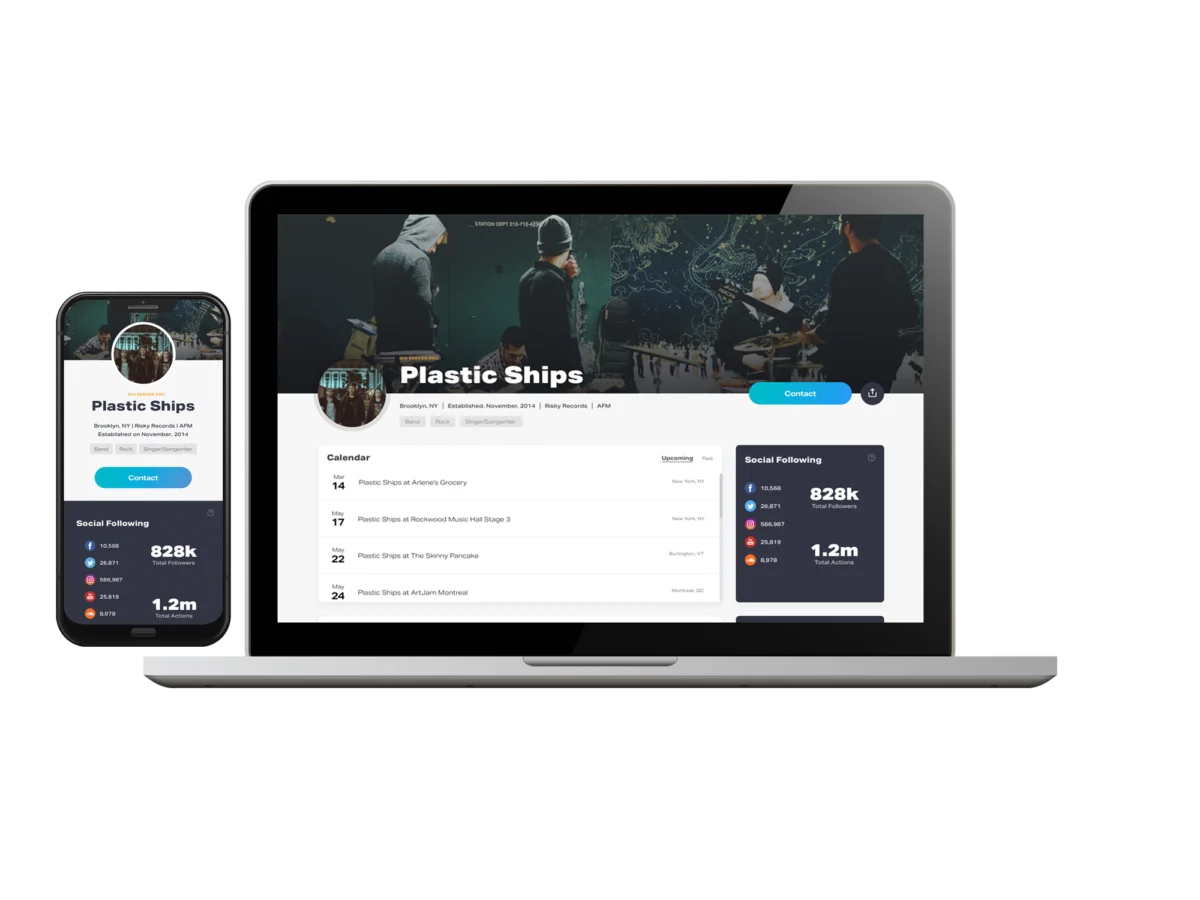
The modern music industry is characterized by a saturated digital marketplace where over 100,000 new tracks are uploaded to streaming platforms daily, creating an environment where professional presentation is no longer optional for independent artists. Central to this professional infrastructure is the Electronic Press Kit (EPK), a digital resume that serves as the primary interface between an artist and the gatekeepers of the music business, including talent buyers, festival organizers, journalists, and record label executives. While the tools for music production have become democratized, the mechanisms for professional discovery remain rooted in the ability to provide concise, high-quality, and easily accessible information. The EPK has transitioned from a supplementary promotional tool to a foundational requirement for any artist seeking to transition from hobbyist status to a professional career.
The Evolution of Artist Promotion: A Chronological Perspective
The methodology for artist promotion has undergone a radical transformation over the last three decades, moving from physical logistics to digital-first strategies. Understanding this timeline is essential for recognizing the current necessity of the EPK.
In the late 20th century, independent artists relied on physical press kits. These typically consisted of a folder containing a physical demo tape or CD, a printed biography, a 1×10 glossy black-and-white promotional photograph, and a collection of photocopied press clippings. The cost of assembly and postage represented a significant barrier to entry, and the time delay between mailing a kit and its review by a professional often spanned weeks.
The year 2001 marked a pivotal shift in the industry with the launch of platforms like Sonicbids, which established the industry standard for the digital press kit. This innovation allowed artists to store their promotional materials on a centralized server, providing a link that could be instantly accessed by talent buyers. This transition coincided with the rise of the digital music revolution, as the industry moved away from physical media toward MP3s and streaming.
By the 2010s, the integration of social media metrics became a standard component of the EPK. Promoters began looking beyond the music to evaluate an artist’s "social proof"—their ability to engage an audience across platforms like Facebook, Twitter, and eventually Instagram and TikTok. Today, the EPK has evolved into a dynamic, multi-media hub that integrates high-definition video, real-time streaming data, and interactive technical riders, serving as a comprehensive 360-degree view of an artist’s brand.
Structural Components of a High-Impact EPK
A professional EPK must be more than a simple collection of links; it is a curated narrative designed to answer the specific questions of industry professionals in a matter of seconds. Data from talent buyers suggests that the initial screening of an artist’s materials often takes less than 30 seconds. Therefore, the structure of the EPK must facilitate rapid information retrieval.
The foundational elements of a modern EPK include:
- The Professional Biography: This is typically divided into three versions: a "tweet-length" elevator pitch, a single-paragraph short bio, and a comprehensive long-form bio. The narrative must focus on the artist’s unique value proposition and career milestones rather than subjective descriptions of their sound.
- High-Resolution Visual Assets: Professional photography is a critical metric for credibility. An EPK must include both "hero" images for editorial use and "live" shots that demonstrate performance capability. Technical specifications require these to be available in both high-resolution (for print) and web-optimized formats.
- Curated Audio and Video: Rather than providing a link to a full discography, a successful EPK highlights two or three "focus tracks." Furthermore, high-quality live performance video has become the most requested asset by festival bookers, as it serves as proof of an artist’s ability to deliver a professional show.
- Social Proof and Press Coverage: This section includes "pull quotes" from reputable media outlets and a summary of significant streaming milestones. In the current data-driven climate, including specific metrics—such as "over 50,000 monthly listeners" or "featured on Spotify’s New Music Friday"—provides the objective validation that industry professionals require.
- Technical Requirements: For booking agents and venue managers, the "Tech Rider" and "Stage Plot" are essential. These documents outline the artist’s equipment needs and stage layout, reducing the friction involved in the booking process.
Strategic Advantages and Industry Data
The adoption of a standardized EPK offers measurable advantages in the professional sphere. According to industry surveys of talent buyers at major festivals, approximately 85% of bookers prefer receiving a single EPK link over multiple attachments or social media links. This preference is rooted in efficiency; a centralized kit allows a professional to evaluate the music, the look, the audience reach, and the technical needs of an artist simultaneously.
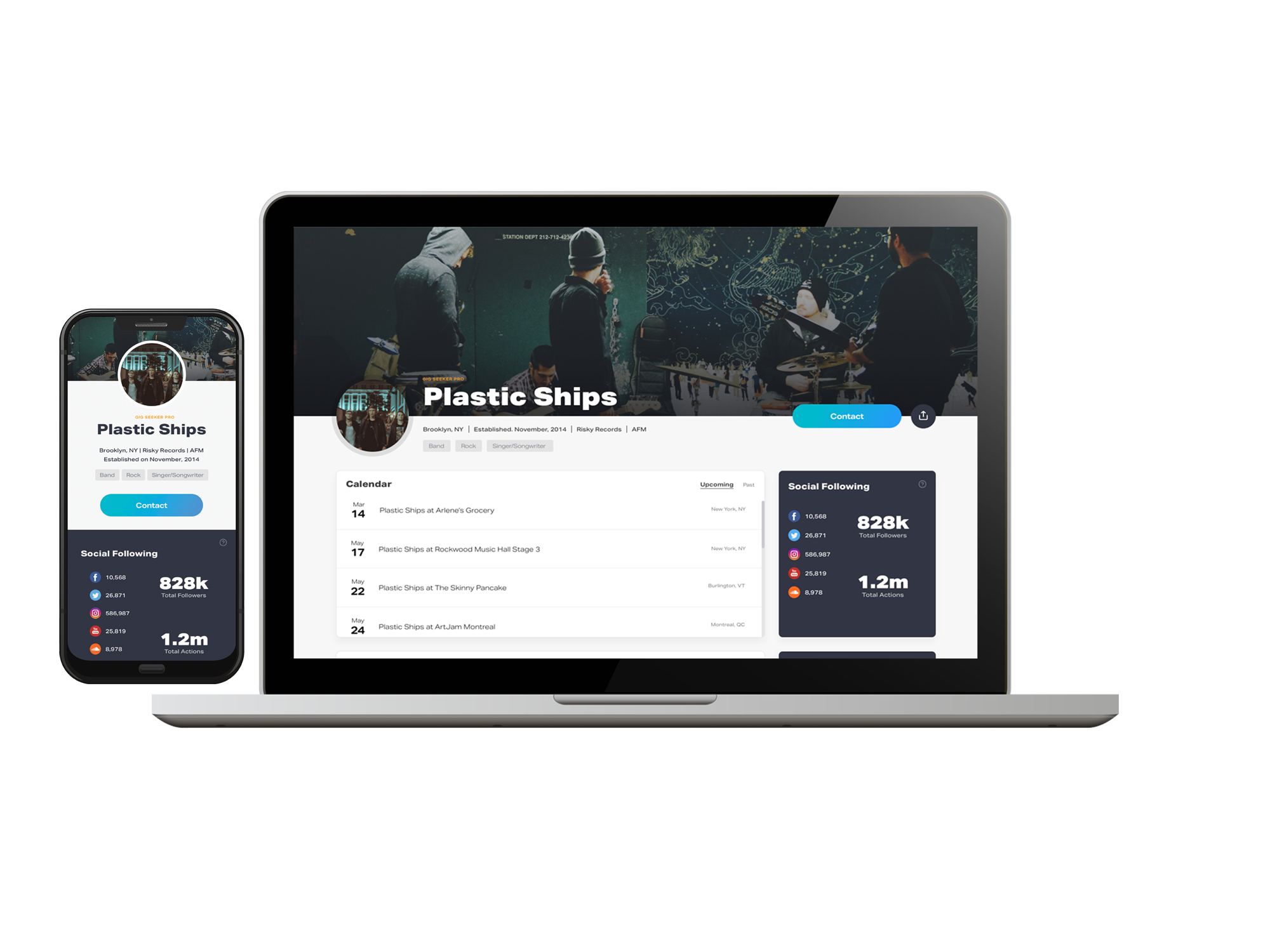
From a communication standpoint, the EPK functions as a tool for "passive recruitment." While an artist may sleep, their digital presence is accessible to a global audience. A talent scout in London can review the EPK of an artist in Los Angeles at any time, without the need for direct interaction. This 24/7 accessibility is a force multiplier for independent artists who do not have the luxury of a 24-hour management team.
Furthermore, the EPK serves as a primary driver of credibility. In a field where the "barrier to entry" is low, the "barrier to success" remains high. A polished EPK signals to the industry that an artist is a business entity. It demonstrates a level of professional investment that distinguishes serious contenders from casual creators. This psychological impact is significant when labels or investors are looking for "radio-ready" or "tour-ready" talent.
The Role of Continuous Updates and Data Integration
A common mistake among independent artists is treating the EPK as a static document. In the fast-paced digital economy, an EPK that has not been updated in six months is often perceived as a sign of an inactive or stalled career. The modern EPK must be a living document that reflects the artist’s current trajectory.
Chronologically, an artist should update their EPK following every major milestone:
- Post-Release: Following a new single or album, the kit must be updated with new artwork, updated streaming statistics, and fresh press quotes.
- Post-Tour: New live photos and videos should be added to show the artist’s growth as a performer.
- Quarterly Reviews: Social media follower counts and newsletter subscriber growth should be updated to show consistent momentum.
The integration of real-time data is the next frontier for the EPK. Modern platforms are beginning to allow for the embedding of live streaming widgets and social media feeds, ensuring that the "stats" section of a press kit is always accurate without manual entry. This transparency builds trust with promoters, who can see real-time evidence of an artist’s growing fan base.
Broader Implications for the Music Ecosystem
The shift toward standardized EPKs has broader implications for the music industry as a whole. It has led to a more meritocratic booking process where artists from remote locations can compete for slots at major international festivals based on the strength of their digital presentation. It has also allowed for the rise of "digital-first" A&R (Artists and Repertoire), where label scouts use the data and assets within EPKs to identify trending talent before they even hit the traditional touring circuit.
However, this digital shift also places a higher burden of "business literacy" on the artist. To succeed in the modern era, a singer-songwriter must also be a content curator and a digital strategist. The EPK is the manifestation of this dual role. It bridges the gap between the raw creativity of the studio and the analytical requirements of the boardroom.
Conclusion: The EPK as a Catalyst for Career Longevity
In conclusion, the Electronic Press Kit is far more than a digital folder; it is a strategic asset that facilitates the professionalization of the independent music sector. By providing a concise, credible, and easily shareable representation of an artist’s work, the EPK streamlines the workflow of the entire music ecosystem. As the industry continues to evolve toward data-centric models of talent discovery, the importance of a well-maintained EPK will only increase.
For the independent artist, the message is clear: the quality of the music is the foundation, but the quality of the presentation is the gateway. Those who invest the time to curate a professional EPK—utilizing industry-standard platforms like Sonicbids—position themselves to capitalize on opportunities that would otherwise remain out of reach. In the competitive landscape of the 21st-century music business, the EPK is not just a tool for growth; it is an essential requirement for survival and success.
