

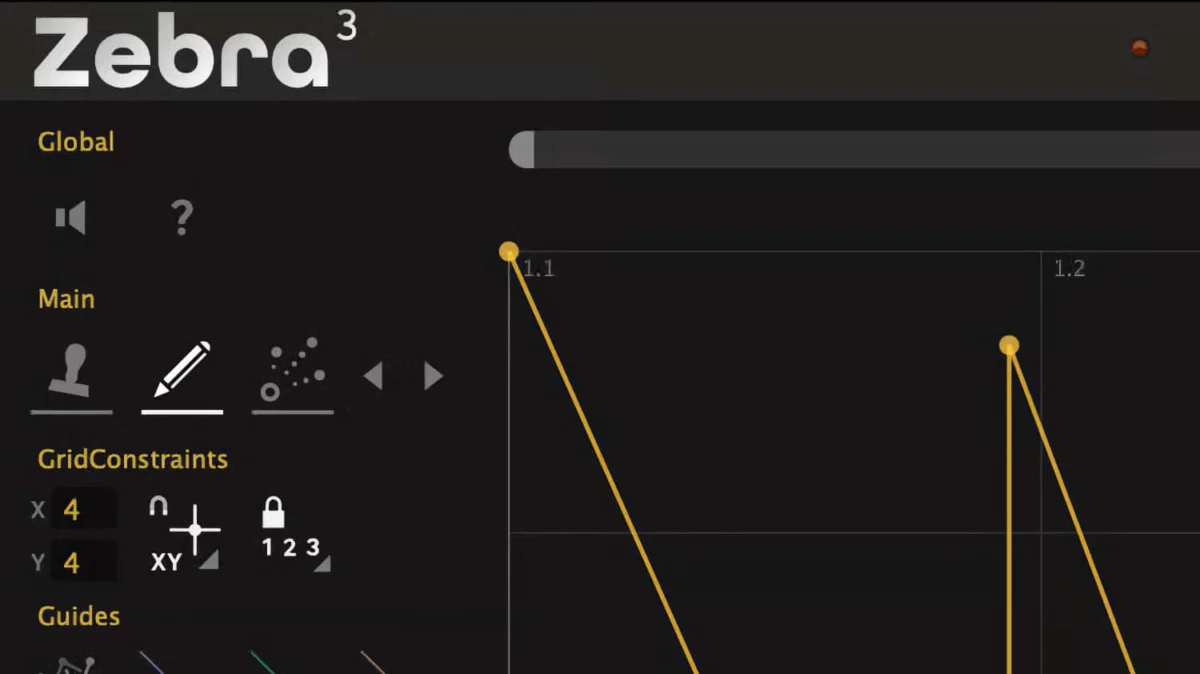
The landscape of digital sound design has undergone a significant transformation with the release of Zebra3, the long-awaited successor to one of the most influential software synthesizers in music production history. To meet the demands of a professional user base navigating this complex new architecture, renowned author and producer Rishabh Rajan has announced the release of Zebra3 Complete. This comprehensive video course is designed to serve as the definitive educational resource for the synthesizer, offering over eight hours of structured instruction across 43 specialized lessons. The launch of this course marks a pivotal moment for the electronic music community, as it provides the technical roadmap necessary to master an instrument that has been over a decade in the making.
The Evolution of the Zebra Legacy
To understand the significance of Rajan’s new course, one must look at the historical context of the software it covers. Developed by Urs Heckmann and his team at u-he, the original Zebra series earned a reputation as a "workhorse" synthesizer, favored by elite film composers and sound designers. Most notably, Hans Zimmer famously utilized a bespoke version of Zebra2, known as "The Dark Zebra," to craft the atmospheric textures of the Dark Knight trilogy and Inception. Because Zebra is a semi-modular "wireless" synthesizer, it offers a level of flexibility that few other instruments can match, but it also presents a steep learning curve for those unacquainted with its unique grid-based routing and modulation logic.
Zebra3 represents a complete overhaul of this legacy. It is not merely an incremental update but a fundamental reimagining of how digital synthesis can be approached. It introduces a redesigned oscillator system, advanced physical modeling through a Modal Resonator, and a significantly expanded modulation matrix. Given the depth of these features, the "Zebra3 Complete" course arrives as an essential bridge between the software’s raw potential and the practical needs of the modern producer.
A Chronology of Development and Educational Response
The development cycle of Zebra3 has been a subject of intense speculation and anticipation within the synthesizer community for years. Following the maturity of Zebra2, u-he began hinting at a third iteration as early as 2012, though the project was frequently sidelined to allow for the development of other landmark plugins such as Diva, Hive, and Repro. As the software finally reached its release phase in the mid-2020s, the need for high-level instructional content became immediate.
Rishabh Rajan, a veteran educator with a background at institutions such as Berklee Online and a prolific contributor to platforms like MacProVideo and Ask.Video, began synthesizing the technical documentation and beta-testing results to create a curriculum that mirrors the workflow of a professional studio environment. The resulting course, Zebra3 Complete, was structured to guide users from the basic principles of signal flow to the most esoteric corners of the synth’s engine. This chronological approach to learning ensures that both newcomers to the u-he ecosystem and legacy users of Zebra2 can find a relevant entry point.
Technical Deep Dive: The Architecture of Instruction
The 43 lessons contained within the course are divided into logical modules that reflect the synthesizer’s internal signal path. One of the most significant portions of the curriculum is dedicated to the redesigned oscillator system. Unlike traditional subtractive synthesizers, Zebra3 employs a sophisticated wavetable drawing and morphing system. Rajan’s instruction covers the nuances of additive synthesis within these oscillators, allowing users to build timbres from the harmonic level upward.
The course also provides an exhaustive analysis of the various sound generators available in the Zebra3 grid. These include:
- The FM Oscillator: A module that provides frequency modulation capabilities, essential for creating metallic and percussive textures.
- The Exciter and Modal Resonator: A physical modeling engine that simulates the vibrations of real-world materials like wood, glass, and metal.
- The Noise Module: A versatile generator for percussive transients and atmospheric washes.
In addition to sound generation, a substantial portion of the eight-hour runtime is dedicated to processing and modulation. The "grid" in Zebra3 allows for non-linear routing, and the course explains how to utilize filters, EQs, distortion units, wavefolders, and ring modulators within this flexible environment. Rajan pays particular attention to the "Full Modulation System," which is often the most intimidating aspect for users. This includes direct versus matrix modulation, the use of Multi-Stage Envelope Generators (MSEGs), and the application of "Math" modules to create complex, evolving sounds that react to performance data.

Bridging Performance and Expression
A key feature of Zebra3 that distinguishes it from its predecessor is its native support for MIDI Polyphonic Expression (MPE). As hardware controllers like the Roli Seaboard and the LinnStrument have become more prevalent in professional setups, the demand for software that can handle per-note modulation has surged. Zebra3 Complete includes dedicated segments on performance controls and MPE mapping, teaching producers how to translate physical gestures into dynamic sonic changes.
Furthermore, the course covers the sixteen integrated effects modules, ranging from traditional reverbs and delays to the more experimental "TextureVerb" granular processor. By demonstrating how these effects can be modulated by the synth’s internal engines, Rajan illustrates that in Zebra3, the line between "sound source" and "effect" is often blurred, leading to more cohesive and integrated sound design.
Industry Implications and Market Analysis
The release of a comprehensive masterclass for a flagship synthesizer like Zebra3 has broader implications for the music technology industry. We are currently in an era where the "knowledge gap" is a significant barrier to entry for high-end software. While many developers provide manuals, the professional community increasingly relies on video-based, practical demonstrations to integrate new tools into their workflow efficiently.
Data from the digital education sector suggests that specialized courses for high-complexity instruments see a high rate of adoption among "prosumer" and professional users who view the cost of education as an investment in their productivity. At a retail price of $97 USD, "Zebra3 Complete" positions itself as a premium educational product, reflecting the professional-grade nature of the software it covers. The inclusion of a limited-time discount for the synthesizer community—specifically the 30% reduction available via the "SYNTHTOPIA" coupon code through July 20, 2026—highlights a strategic move to capture the early adopter market.
Professional Reactions and Educator Profile
Rishabh Rajan’s reputation as an educator adds a layer of authority to the course. Having spent years deconstructing the most complex synthesizers on the market, Rajan is known for a teaching style that is factual and devoid of unnecessary filler. This objective approach is particularly well-suited for Zebra3, where the technical possibilities are so vast that a structured, logical explanation is required to prevent user fatigue.
While u-he has not officially endorsed a single third-party course as the "exclusive" guide, the community response to Rajan’s previous work on Zebra2 and other u-he products suggests that this new series will likely become a standard reference. Professional sound designers often look for "best practices" in routing and optimization, and Rajan’s curriculum addresses these practical concerns, such as CPU management and preset organization, which are often overlooked in shorter, free tutorials.
Future Outlook: The Role of Zebra3 in Modern Production
As Zebra3 begins to appear in the plugin folders of composers and producers worldwide, its impact on the sound of contemporary music and film scoring will likely be profound. The synthesizer’s ability to blend organic physical modeling with clinical digital precision makes it a versatile tool for various genres, from cinematic underscores to cutting-edge electronic dance music.
The availability of a detailed instructional series like Zebra3 Complete ensures that the barrier to mastering these new features is significantly lowered. By providing a deep dive into the "Modal Resonator" and the "Additive Synthesis" engines, Rajan is essentially equipping a new generation of sound designers with the tools to push the boundaries of what is possible in a digital environment.
In conclusion, the launch of Zebra3 Complete is more than just the release of a tutorial series; it is a vital component of the Zebra3 ecosystem. It provides the necessary context, technical data, and workflow strategies required to harness one of the most powerful synthesis engines ever developed. As the industry moves toward more expressive and complex sound design tools, the role of expert educators like Rishabh Rajan becomes increasingly central to the evolution of music production. For those looking to master Zebra3 before the mid-2026 window, this course offers a structured and exhaustive path to proficiency.
