

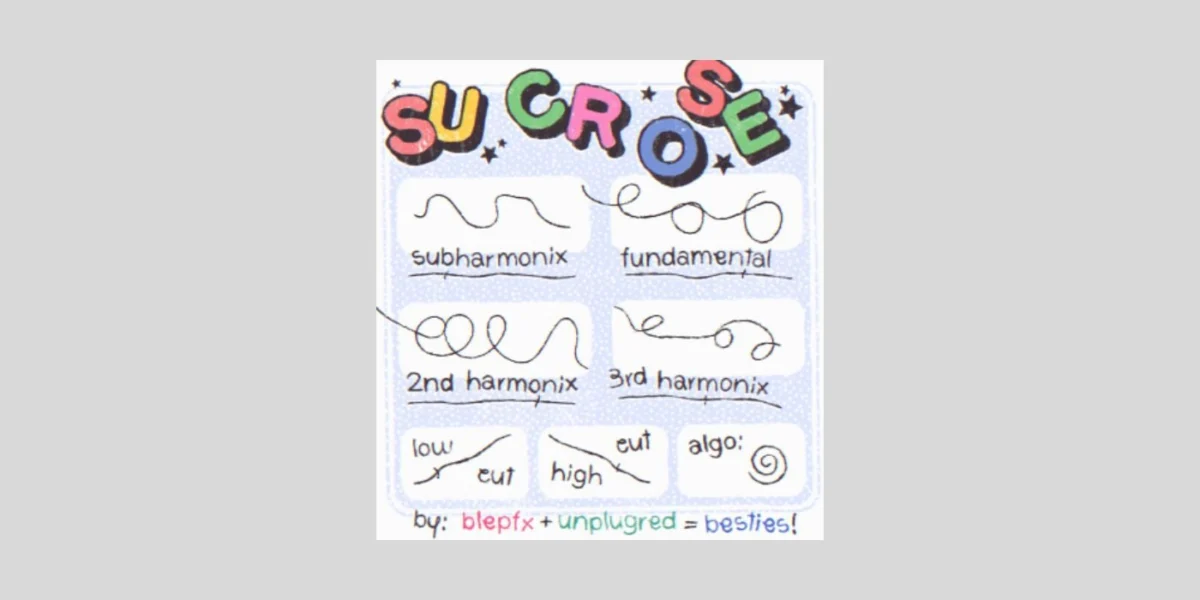
The release of Sucrose marks a significant moment for the freeware audio plugin community, showcasing the power of independent development and collaborative innovation. Conceived as a submission for the annual KVR Developer Challenge, which serves as a crucible for new audio software, Sucrose quickly garnered attention for its unique feature set and high-quality output. The plugin is available in AU, CLAP, and VST3 formats, ensuring broad compatibility across major digital audio workstations (DAWs) on 64-bit systems.
Technical Innovation: The Hilbert Transform and Phase Multiplication
At the core of Sucrose’s distinctive sound is a sophisticated Hilbert transform-based phase multiplication technique. This method allows the plugin to generate 2nd and 3rd harmonics while meticulously preserving the original signal’s dynamics. Unlike traditional distortion, which often introduces intermodulation distortion and can compress the dynamic range, Sucrose’s approach aims for a cleaner, more articulate output. This technical distinction is crucial for producers seeking to add richness and presence to their sounds without sacrificing clarity or transient detail.
The Hilbert transform is a mathematical operation that shifts the phase of a signal by 90 degrees, creating an analytic signal. By applying phase multiplication to this transformed signal, Sucrose can generate specific harmonic content in a controlled manner. This precision allows users to dial in harmonic richness that enhances the perceived loudness and character of an instrument without the harshness or muddying often associated with simpler overdrive or fuzz effects. The developers highlight that this method avoids the destructive artifacts common in less refined harmonic processors, making it particularly useful in professional mixing and mastering contexts where signal integrity is paramount.
Versatile Operating Modes and Zero-Latency Performance
Sucrose offers three distinct operating modes, providing users with flexibility depending on their sound design goals. These modes feature 1, 4, and 16 bands, allowing for a spectrum of processing from a direct, broad application to highly detailed multiband harmonic generation. The 1-band mode offers a straightforward, global harmonic enhancement, ideal for quickly adding warmth or edge to a track. The 4-band and 16-band modes, conversely, enable producers to apply harmonic processing selectively across different frequency ranges, offering unparalleled control over the tonal balance and character of the generated harmonics. This multiband capability is particularly valuable for complex sounds or full mixes, where specific frequency areas might require different levels of harmonic saturation.
A critical aspect of Sucrose’s design is its zero-latency performance. In professional audio production, latency can severely hinder workflow, especially when dealing with intricate effects chains or real-time performance. The fact that Sucrose operates with no inherent latency means it can be seamlessly integrated into any project, from live monitoring to complex sound design sessions, without introducing timing issues or requiring compensation. This feature underscores the plugin’s utility as a workhorse tool that can be used extensively throughout the production process.
Subharmonic Generation: Enhancing Low-End Impact
Beyond its harmonic capabilities, Sucrose introduces an equally compelling subharmonic side. The plugin features a suboctave generator directly inspired by classic flip-flop-based suboctaving guitar pedals. This unique module is designed to create deep, foundational sub-bass frequencies, adding significant weight and impact to elements like basslines and kick drums. The "Subharmonix" option, as it is termed, is lauded by early testers for its ability to make these low-end elements "feel bigger" and more commanding within a mix.
The generation of stable and musical subharmonics is a complex task. Many sub-generators can introduce unwanted artifacts or tracking issues. Sucrose’s emulation of the revered flip-flop circuit suggests a focus on musicality and robustness in its low-frequency output. This functionality is invaluable for genres that rely heavily on powerful bass, such as electronic dance music, hip-hop, and film scoring, where the sub-bass foundation is crucial for emotional and physical impact.
Shaping Guitars, Synths, and Beyond
The combined power of harmonic and subharmonic generation positions Sucrose as a versatile tool for a wide array of instruments and production tasks. The 2nd and 3rd harmonic controls are particularly effective for shaping guitars and synthesizers, allowing them to cut through a dense mix without resorting to the more overt and sometimes abrasive sound of traditional distortion. By subtly enhancing the harmonic content, instruments gain presence and clarity, occupying their own space in the frequency spectrum without competing excessively with other elements. This nuanced approach to tone-shaping enables producers to craft mixes that are both powerful and transparent.
For guitars, Sucrose can add a desirable "sheen" or "bite" that makes riffs more articulate. For synthesizers, it can transform thin patches into rich, harmonically complex textures, breathing new life into otherwise static sounds. The ability to precisely control the addition of these harmonics provides a creative palette for sculpting unique sonic identities, moving beyond simple EQ or compression for character enhancement.
The KVR Developer Challenge 2026: A Hub for Innovation
Sucrose’s journey began as an entry in the 2026 KVR Developer Challenge (KVRDC), an annual competition organized by KVR Audio, a prominent online community for music producers and audio developers. The KVRDC has a long-standing history, dating back to 2006, and has become a vital platform for showcasing emerging talent and fostering innovation in the audio plugin ecosystem. Each year, developers from around the world are invited to submit free, original plugins, which are then voted upon by the KVR Audio community. The challenge not only provides a fertile ground for new ideas but also significantly contributes to the wealth of high-quality freeware available to musicians globally.
The KVRDC typically runs over several months, with a submission period, a voting phase, and a subsequent announcement of winners and notable entries. The intense competition often pushes developers to create highly optimized, creatively unique, and technically sound plugins, many of which go on to become staples in producers’ arsenals. Sucrose’s recognition within this challenge underscores its technical merit and immediate appeal to a discerning community of audio professionals and enthusiasts. The July 22, 2026, mention of the plugin’s coverage by Bedroom Producers Blog indicates its post-challenge recognition, solidifying its status as a significant release.
A Synergistic Collaboration: UnplugRed and BlepFX
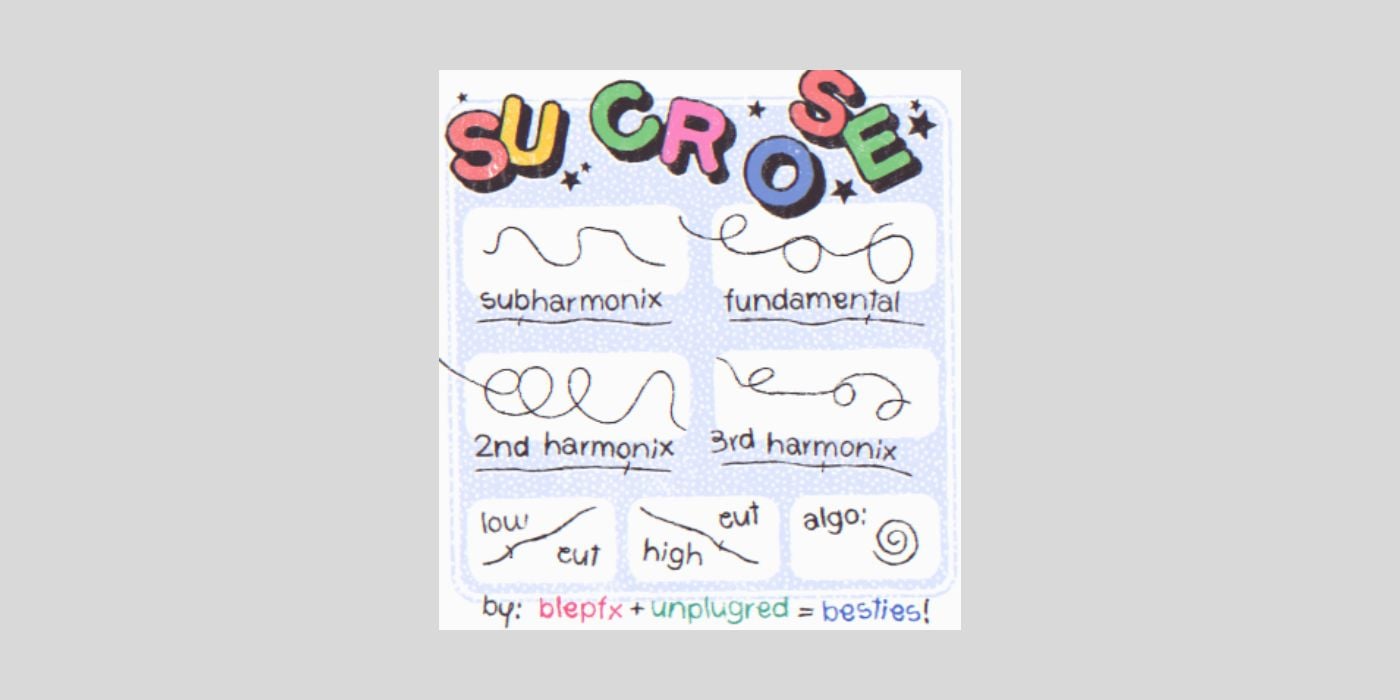
The development of Sucrose is a testament to the power of collaboration between talented independent developers. UnplugRed and BlepFX, both respected figures in the freeware plugin scene, joined forces for this project. According to the original report, the digital signal processing (DSP) engine was expertly handled by BlepFX, while the intuitive and aesthetically pleasing user interface (GUI) was crafted by UnplugRed. This division of labor, leveraging each developer’s strengths, resulted in a plugin that is not only technically robust but also a pleasure to use.
BlepFX has a reputation for developing innovative and sonically interesting effects. Their previous work includes "Filtrr," a free nonlinear ladder filter and saturation plugin released in 2025, which has been widely praised for its unique character and remains a highly recommended freeware filter. UnplugRed is also known for a portfolio of well-regarded plugins, contributing to their collective standing as developers committed to quality and innovation. The collaboration on Sucrose is described as a "perfect match," indicating a shared vision and complementary skill sets that undoubtedly contributed to the plugin’s success. This kind of partnership exemplifies the collaborative spirit often found within the open-source and independent developer communities.
Design Philosophy and User Experience
Beyond its technical prowess, Sucrose stands out for its thoughtful design and user experience. The plugin’s graphical user interface (GUI) is intentionally crafted to fit a "sugary theme," which, according to the review, makes it more memorable than many "generic audio tools." This playful yet functional aesthetic helps to create an inviting user experience, reducing the intimidation often associated with complex audio processors. The visual design, handled by UnplugRed, contributes significantly to the plugin’s overall appeal and ease of use, making intricate sound design feel more accessible.
In an era increasingly dominated by discussions around artificial intelligence, the developers made a deliberate choice to highlight that "no AI was used in development." This statement serves multiple purposes: it emphasizes the human ingenuity and craftsmanship behind the plugin, appeals to users who prioritize traditional development methods, and distinguishes Sucrose in a landscape where AI-assisted tools are becoming more prevalent. It underscores a commitment to hands-on, meticulous coding and design by the human developers.
Broader Implications for Music Production
Sucrose’s release has several broader implications for the music production landscape. Firstly, it democratizes access to high-quality harmonic and subharmonic processing. Historically, advanced tools for such intricate sound design often came with a significant price tag. By offering Sucrose for free, UnplugRed and BlepFX are making sophisticated sonic capabilities available to a wider audience, including aspiring producers, students, and those with limited budgets. This accessibility can foster greater creativity and experimentation across the production community.
Secondly, the plugin challenges the notion that free software is inherently inferior. Sucrose’s technical sophistication, zero-latency performance, and compelling feature set demonstrate that freeware can compete with, and even surpass, commercial offerings in specific niches. This raises the bar for all developers, encouraging a focus on innovation and user value regardless of pricing models.
Furthermore, Sucrose’s unique approach to harmonic generation provides new creative avenues for sound designers. By offering a cleaner alternative to distortion, it encourages producers to explore more nuanced ways of adding presence, warmth, and aggression to their tracks. The subharmonic generator, in particular, offers a powerful tool for shaping the low-end, an area often critical but challenging to master in a mix.
Open-Source Commitment and Accessibility
Sucrose is released under the GPL3 open-source license, a decision that carries significant implications. The GNU General Public License v3 allows users to run, study, share, and modify the software. This commitment to open-source principles fosters transparency, encourages community contributions, and ensures the longevity and adaptability of the plugin. Developers and technically inclined users can examine the code, understand its inner workings, and even contribute to its future development, leading to a more robust and community-driven evolution.
The open-source nature also aligns with the spirit of the KVR Developer Challenge, which often promotes the sharing of knowledge and tools within the audio community. This licensing choice reinforces the developers’ dedication not just to creating excellent tools but also to fostering an environment of shared innovation.
Availability and Future Outlook
Sucrose is readily available for download from the UnplugRed website, specifically at vst.unplug.red/sucrose. Its cross-platform compatibility (macOS, Windows, and Linux) and support for popular plugin formats (AU, CLAP, VST3) ensure that a vast majority of digital audio workstation users can integrate it into their workflow immediately. The plugin is strictly 64-bit, aligning with modern operating system and DAW requirements.
Given its strong reception in the KVR Developer Challenge and its robust feature set, Sucrose is poised to become a staple in the toolkit of many producers and sound designers. The open-source license opens up possibilities for future community-driven enhancements and adaptations. As the audio production landscape continues to evolve, tools like Sucrose, born from collaborative innovation and a commitment to quality and accessibility, will undoubtedly play a crucial role in shaping the sounds of tomorrow.
