

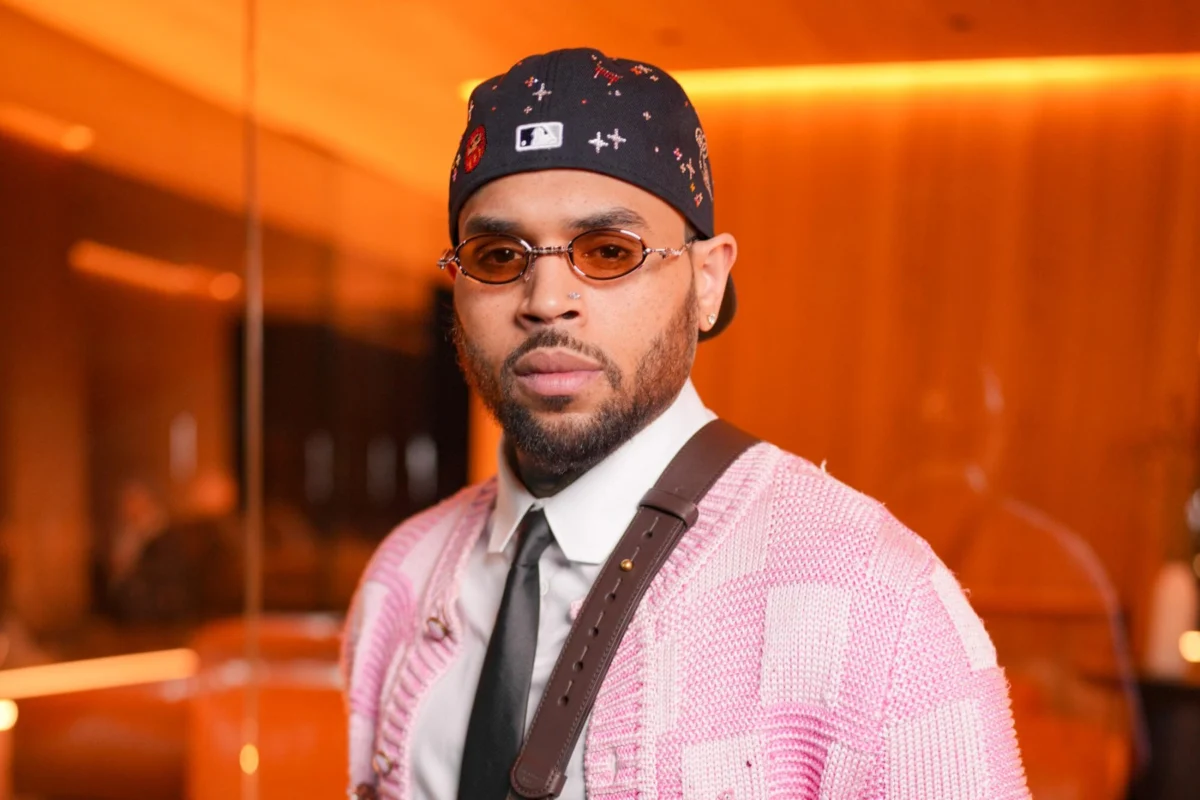
In a significant legal development for the controversial R&B artist, Chris Brown, 37, entered a guilty plea to a charge of "affray" at London’s Southwark Crown Court on Friday, July 24, 2026. This plea effectively resolved a protracted legal battle stemming from a February 2023 incident at a high-end London nightclub, allowing Brown to avoid facing more serious charges of assault and suspicion of grievous bodily harm (GBH). The outcome of this hearing, which lasted less than five minutes, marks a critical juncture in the singer’s ongoing encounters with the legal system.
The Mayfair Nightclub Incident: A Detailed Account
The charge of affray, legally defined as a disturbance of public order caused by public fighting that causes alarm to at least one person, relates to what prosecutors described as a "vicious and unprovoked attack" at Tape, an exclusive private members’ club located in London’s affluent Mayfair district, on February 19, 2023. According to court documents and reports from BBC News, the altercation involved music producer Amadou "Abe" Diaw as the victim. Prosecutors alleged that Brown initiated the assault by striking Diaw over the head with a bottle. Subsequently, Brown’s 40-year-old vocal coach, Omololu Akinlolu, also known by his stage name Hoody Baby, reportedly joined the attack, punching Diaw in the head. The Crown Prosecution Service (CPS) further detailed the incident, stating that the two men "continued to assault whilst the victim attempted to flee through the club," adding that "The victim was kicked while he was seated defenseless on the floor." Diaw was later hospitalized, receiving treatment for head and knee injuries, underscoring the severity of the alleged assault.
Omololu Akinlolu also pleaded guilty to affray during the same hearing. Like Brown, Akinlolu had the more severe charges of assault and causing grievous bodily harm dropped as a result of his plea agreement, reflecting a coordinated legal strategy between the co-defendants and the prosecution.
Chronology of Legal Proceedings
The path to Friday’s guilty plea has been a lengthy and complex one, spanning over three years since the initial incident.
- February 19, 2023: The alleged assault occurs at Tape nightclub in Mayfair, London.
- May 2025: Chris Brown is arrested upon his arrival in Europe to commence his "Breezy Bowl XX" tour. He is formally charged with assault, suspicion of grievous bodily harm, and possession of an offensive weapon—specifically, the tequila bottle allegedly used in the attack. The arrest garnered significant media attention, bringing the two-year-old incident back into the public spotlight just as Brown was embarking on a major European tour.
- June 2025: Both Chris Brown and Omololu Akinlolu enter pleas of not guilty to the more serious charges of assault and grievous bodily harm. Following his arrest, Brown is released on a substantial bail of $6.75 million, a condition that allowed him to proceed with his scheduled "Breezy Bowl XX" European dates, commencing in Amsterdam that same month. This decision by the court allowed him to fulfill his professional commitments while awaiting trial, a common but often scrutinized practice for high-profile defendants.
- July 24, 2026: Chris Brown and Omololu Akinlolu change their pleas to guilty for the lesser charge of affray at Southwark Crown Court. This pivotal moment results in the dropping of the more severe initial charges.
- October 25, 2026: Deadline for Chris Brown to return to the U.K. as stipulated by his bail conditions.
- October 26, 2026: Sentencing hearing scheduled for both Brown and Akinlolu on the affray charges.
Understanding the Charge of Affray and its Implications

The charge of affray, under English law, is less severe than assault occasioning actual bodily harm (ABH) or grievous bodily harm (GBH), but it remains a serious offense. It targets public disorder and violence, focusing on the fear it instills in bystanders and the breach of peace, rather than solely the extent of the victim’s injuries. While assault charges typically require proof of intent to cause injury, and GBH requires proof of "really serious harm," affray can be proven by demonstrating that an individual used or threatened unlawful violence towards another, causing a person of reasonable firmness present at the scene to fear for their personal safety.
For Brown, pleading guilty to affray is a strategic legal move that significantly reduces his potential penal exposure. The maximum sentence for affray in the UK is three years imprisonment. In contrast, grievous bodily harm can carry sentences of up to five years, or even life imprisonment if it involves intent to cause serious harm, depending on the specific charge. By accepting the affray plea, Brown and Akinlolu have avoided the higher risks associated with a full trial on the more serious charges, which could have resulted in longer prison sentences and further damage to their careers and public image. This type of plea bargain is common in legal systems, offering a certainty of conviction on a lesser charge in exchange for avoiding the uncertainties and resource demands of a trial for a more severe offense.
Victim’s Perspective and the Dropped Civil Suit
Amadou "Abe" Diaw’s experience in the aftermath of the incident extends beyond the criminal proceedings. Reports indicate that Diaw had previously filed a $16 million civil lawsuit against Chris Brown over the alleged assault. However, this lawsuit was subsequently dropped. The reasons for the dismissal of the civil action remain unclear to the public, and neither Brown’s representatives nor Diaw’s legal team have commented on the matter. It is common in such situations for civil suits to be dropped following an out-of-court settlement between the parties, or if the victim decides not to pursue further legal action, possibly influenced by the outcome of the criminal case or other private agreements. The absence of public disclosure surrounding the civil suit leaves questions about whether financial restitution played a role in Diaw’s decision.
Official Reactions and Law Enforcement Stance
Following the guilty pleas, law enforcement officials reiterated their commitment to public safety and condemning acts of violence. Metropolitan Police Detective Zara Ripamonti issued a statement to BBC News, emphasizing the gravity of the incident despite the reduced charge: "This was a disgraceful, unprovoked assault that put a man in hospital. There is no place for serious violence like this in the London and I’m pleased these men accepted what they did wasn’t just completely unacceptable – but criminal." Detective Ripamonti further highlighted the collaborative efforts required to bring the case to this point: "This has been a long investigation and we’ve worked with police colleagues in the UK to bring these two men to justice."
The statement reflects the police’s determination to prosecute violent offenses, irrespective of the individuals involved. The Crown Prosecution Service’s detailed account of Diaw being "kicked while he was seated defenseless on the floor" underscores the police and prosecution’s view of the incident’s egregious nature, even as a plea to a lesser charge was accepted. This outcome demonstrates the legal system’s balance between ensuring justice for victims and achieving a resolution that is acceptable to all parties, particularly when faced with the complexities of high-profile cases.
Chris Brown’s Extensive Legal History and Public Image
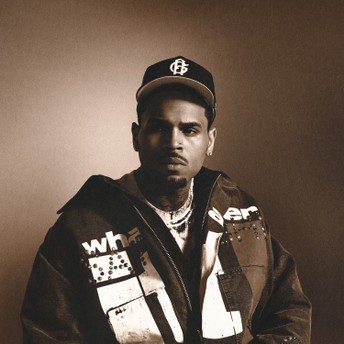
Chris Brown’s career has been perpetually shadowed by a series of legal troubles and controversies, significantly shaping his public image. The most prominent and widely publicized incident occurred in 2009 when he assaulted his then-girlfriend, pop superstar Rihanna, leaving her visibly injured. He pleaded guilty to felony assault and was sentenced to five years of probation, community service, and domestic violence counseling. This event dramatically altered public perception of Brown, establishing a pattern of aggressive behavior that has consistently resurfaced throughout his career.
Since the Rihanna incident, Brown has faced numerous other legal skirmishes and allegations, including probation violations, further assault accusations, and altercations at various public and private events. These incidents have often involved claims of physical violence or aggressive behavior, leading to a complex and often contradictory public image. While he continues to achieve considerable musical success and maintain a dedicated fanbase, these legal issues have consistently fueled public debate about accountability, celebrity privilege, and the consequences of one’s actions. The London affray plea is another chapter in this long-running narrative, further cementing his reputation as an artist whose personal conduct frequently overshadows his professional achievements. Each new legal challenge adds to the public’s perception of him, impacting his brand and potentially future opportunities.
Implications for Brown’s Career and Future
The guilty plea to affray, while preventing a more severe conviction, is unlikely to fully alleviate the scrutiny on Chris Brown. For an artist whose career relies heavily on public acceptance and international touring, any criminal conviction, even a reduced one, carries significant implications.
- Travel and Touring: A criminal record, particularly involving violence, can complicate international travel. While the current bail conditions allow him to leave the UK, future visa applications for countries like the UK, Canada, and Australia may face increased scrutiny or even denial. This could significantly impact his ability to plan and execute global tours, a crucial revenue stream for a major recording artist.
- Public Perception and Endorsements: Each legal issue erodes public trust and makes him a less appealing candidate for major brand endorsements. Companies are increasingly cautious about associating with celebrities who have a history of controversial behavior. While his loyal fanbase often stands by him, a segment of the public and many critics view his repeated legal troubles as a consistent pattern of misconduct.
- Artistic Legacy: The ongoing legal battles inevitably intertwine with his artistic legacy. Discussions about his music are often accompanied by references to his personal life, creating a complex narrative that defines his career. The question of whether he can ever fully escape the shadow of his past actions remains a constant theme.
- Legal Scrutiny: With a history of legal issues, Brown will likely continue to face heightened scrutiny from law enforcement and the public in any future incidents, no matter how minor.
Upcoming Sentencing Hearing
Chris Brown and Omololu Akinlolu are scheduled to appear back in Southwark Crown Court on October 26, 2026, for their sentencing hearing. The judge will consider various factors when determining the appropriate sentence for the affray charge. These factors typically include:
- The severity of the incident and the level of violence used.
- The extent of the victim’s injuries.
- The defendants’ previous criminal records, particularly any relevant offenses.
- Expressions of remorse or lack thereof.
- The fact that a guilty plea was entered, which often leads to a reduction in sentence compared to a conviction after trial.
- Any mitigating circumstances presented by the defense.
While the maximum sentence for affray is three years in prison, the actual sentence could range from a community order to a custodial sentence, depending on the judge’s assessment of these factors. Brown’s bail conditions explicitly stipulate that he must return to the U.K. by October 25, 2026, ensuring his presence for this critical phase of the legal process. The outcome of this sentencing will be closely watched by the music industry, legal observers, and his global fanbase, as it will determine the immediate consequences of this latest legal entanglement for Chris Brown.
