

The Controversial TikTok Post
The incident unfolded earlier in the week when the official White House TikTok account shared a video featuring black-and-white footage of military operations, specifically appearing to show bombing or missile strikes. The video was synchronized with the impactful "boom, boom, boom" lyrics from Perry’s chart-topping hit, creating a jarring juxtaposition of a celebratory song with images of conflict. The accompanying caption, "Iran has been warned," further amplified the video’s aggressive tone, linking the musical accompaniment directly to a geopolitical warning. This use quickly drew criticism from online observers and subsequently from the artist herself, igniting a broader discussion about copyright, artistic integrity, and the weaponization of cultural products for political ends.
Katy Perry’s Resolute Response
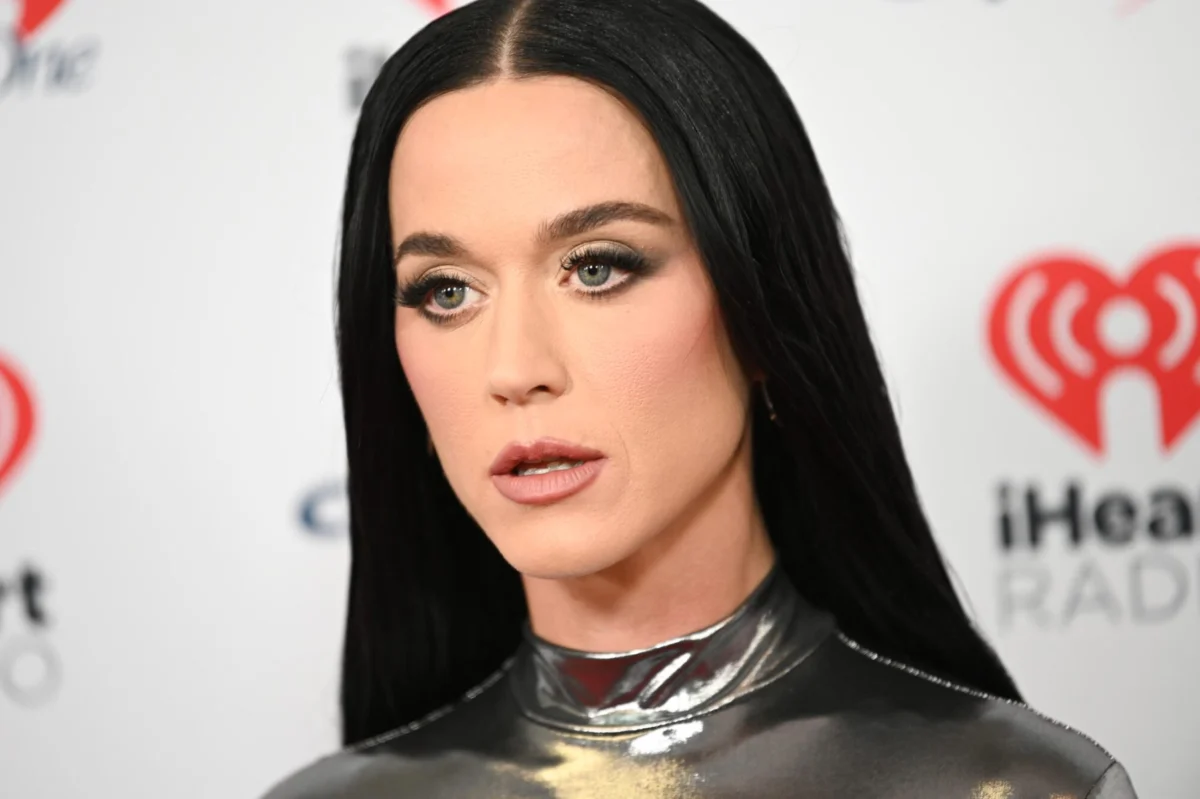
Perry’s statement on X was unequivocal. "I am deeply appalled and angry to see ‘Firework’ used on the @WhiteHouse TikTok account as a backing track for video footage of military strikes," she wrote. Her message continued, emphasizing the lack of consent and her outright rejection of the video’s implications: "I did not approve this, I was not asked, and I absolutely do not condone it."
The artist then elaborated on the profound misalignment between her song’s core message and its controversial application. "’I wrote this song to be an anthem of hope, healing, and inner strength for people going through their darkest personal moments," Perry explained. "To see a message of self-worth and upliftment weaponized to soundtrack destruction and violence is a complete violation of everything my song stands for." She concluded her public statement with a clear declaration of her artistic philosophy: "My music is for bringing people together, not celebrating warfare." Her post, which quickly garnered widespread attention, included the direct link to her X account, underscoring the authenticity and directness of her message to her vast fanbase and the public.
"Firework": An Anthem of Hope and Empowerment
Released as the third single from her critically and commercially successful 2010 album Teenage Dream, "Firework" rapidly ascended to become one of Katy Perry’s most recognizable and beloved tracks. The song spent four nonconsecutive weeks at No. 1 on the Billboard Hot 100, cementing its status as a global hit. Beyond its commercial success, "Firework" resonated deeply with audiences due to its empowering lyrics and uplifting message. Co-written by Perry, Mikkel S. Eriksen, Tor Erik Hermansen, Sandy Wilhelm, and Ester Dean, the song was conceived as an anthem for self-empowerment, encouraging listeners to embrace their inner light and overcome adversity. Its chorus, "You just gotta ignite the light / And let it shine / Just own the night / Like the Fourth of July," became a rallying cry for individuals seeking motivation and affirmation.
Throughout its lifecycle, "Firework" has been widely adopted in various positive contexts, from motivational speeches and charity campaigns to graduation ceremonies and sporting events, consistently reinforcing its association with inspiration and resilience. Its selection by the White House for a video depicting military aggression therefore represents a stark departure from its established cultural understanding and the artist’s deeply personal intent.
A Recurring Challenge: Music and Political Campaigns
Katy Perry’s objection is not an isolated incident but rather the latest in a series of complaints leveled against the Trump administration by musical artists regarding the unauthorized use of their work in political advertisements, rallies, and social media posts. The practice highlights an ongoing tension between political campaigns’ desire to leverage popular culture for broader appeal and artists’ rights to control the message associated with their creations.
Previous Incidents: Grande and Kesha
Earlier this year, the White House faced similar criticism from other prominent pop stars. In June, Ariana Grande publicly blasted the administration for utilizing her 2024 song “Bye” in a TikTok video that promoted the activities of U.S. Immigration and Customs Enforcement (ICE) agents making arrests. Grande, known for her progressive stances, found the association with such content deeply troubling and antithetical to her values. Similarly, Kesha voiced her strong disapproval when her song “Blow” was featured without authorization in another White House TikTok video earlier this year. That particular video, captioned “Lethality,” showcased fighter jets and footage of military strikes, drawing parallels to the recent "Firework" controversy in its use of a pop song to underscore military might.
Beyond these recent examples, numerous artists and their estates, including The Rolling Stones, Neil Young, Tom Petty’s estate, R.E.M., and Pharrell Williams, have previously issued cease and desist letters or publicly denounced the Trump administration for using their music without permission at campaign events or in promotional materials. These recurring disputes underscore a persistent pattern of alleged copyright infringement and a disregard for artists’ moral rights by political entities. The sheer volume of such complaints suggests either a systemic failure to secure proper licensing or a deliberate strategy to appropriate popular music, potentially banking on the artists’ reluctance to engage in protracted legal battles that can be costly and protracted.
Legal and Ethical Considerations of Music Licensing
The unauthorized use of music in political contexts often delves into complex areas of copyright law and raises significant ethical questions. In the United States, music licensing is typically governed by two main categories: public performance licenses and synchronization (sync) licenses.
- Public Performance Licenses: These are usually secured through Performing Rights Organizations (PROs) like ASCAP, BMI, and SESAC, and they grant permission for a song to be played in public venues, such as at political rallies. While some venues hold blanket licenses, the use of music at specific campaign events can still be contentious if the artist explicitly objects to their work being associated with a particular political candidate or message. Many artists argue that even with a valid public performance license, their moral rights are violated when their music is used in a way that implies endorsement they do not support.
- Synchronization (Sync) Licenses: These are required when music is "synchronized" with visual media, such as in films, television commercials, or, crucially, social media videos. Sync licenses are typically negotiated directly with the copyright holders – the music publisher (for the composition) and the record label (for the sound recording). The White House’s use of "Firework" in a TikTok video would almost certainly require a sync license, which Perry explicitly stated was neither sought nor granted.
The Nuances of Copyright in the Digital Age
The proliferation of social media platforms like TikTok adds another layer of complexity. TikTok generally has licensing agreements with major record labels and music publishers, allowing users to incorporate vast libraries of music into their user-generated content. However, these agreements are primarily for personal, non-commercial use by individual users. When an official government account, like that of the White House, uses music to promote a specific political message or action, it typically falls outside the scope of standard user agreements and requires direct commercial licensing. The argument for "fair use" – which allows limited use of copyrighted material without permission for purposes such as criticism, commentary, news reporting, teaching, scholarship, or research – is rarely applicable to promotional political content, especially when the use is clearly designed to enhance a political message rather than critique the music itself.
The White House’s consistent pattern of using music without explicit artist approval, despite repeated objections, suggests either a misunderstanding of copyright law in the digital sphere or a deliberate strategy to push legal boundaries. The legal ramifications could include cease and desist orders, demands for removal of the content, and potentially lawsuits for copyright infringement, though such legal battles are often lengthy and costly.
Broader Implications: Artistic Control and Political Messaging
The ongoing saga of political entities appropriating popular music has several broader implications:
- Artist Control and Integrity: It underscores the constant struggle artists face in maintaining control over their creative output and preventing its use in ways that contradict their personal beliefs or the song’s original intent. For many artists, their music is an extension of their identity and values, and its association with divisive political messages can be deeply distressing and damaging to their brand.
- The Power of Music in Political Discourse: The repeated attempts by political campaigns to use popular music highlight the perceived power of music to evoke emotion, rally support, and resonate with different demographics. By associating a popular song with a political message, campaigns aim to tap into the existing positive emotional connections listeners have with the music, transferring those feelings to their agenda.
- Ethical Dilemmas for Platforms: Social media platforms like TikTok face increasing scrutiny regarding how they manage copyrighted content, especially when official government accounts are involved. While they strive to provide a platform for free expression, they also have a responsibility to uphold copyright laws and protect creators’ rights.
- Public Perception and Misinformation: Unauthorized use can mislead the public into believing that an artist endorses a particular political candidate or policy, even when the opposite is true. This can create confusion and erode trust between artists and their audiences.
The Road Ahead: Advocacy for Artist Rights
In response to these recurring issues, artist advocacy groups and industry organizations have increasingly called for stricter enforcement of copyright laws and greater respect for artists’ rights. Organizations such as the Artist Rights Alliance (ARA) and the Recording Academy regularly issue statements and guidelines to political campaigns, reminding them of their legal obligations and urging them to seek proper authorization for all music used. These groups emphasize that artists, like all creators, deserve to have their intellectual property protected and their intentions respected.
The incident with Katy Perry and "Firework" will likely further fuel these advocacy efforts, potentially leading to more robust legal challenges or a renewed push for clearer policy guidelines regarding political use of copyrighted material on digital platforms. While the White House has yet to issue an official response to Perry’s condemnation, the pressure from the artist and public outcry could lead to the removal of the contentious TikTok video, as has happened in previous instances.
Conclusion: Upholding Artistic Integrity
Katy Perry’s impassioned condemnation of the White House’s unauthorized use of "Firework" serves as a powerful reminder of the fundamental right of artists to control their creative work and its message. Her firm stance against the "weaponization" of her song, originally conceived as an anthem of hope and resilience, underscores the deep ethical and legal chasm between artistic intent and political appropriation. As the digital landscape continues to evolve and political campaigns increasingly leverage social media to disseminate their messages, the ongoing dialogue surrounding copyright, artistic integrity, and the appropriate use of cultural touchstones will undoubtedly persist. For artists like Perry, the fight to ensure their music continues to bring people together, rather than being used to celebrate conflict, remains a critical one.
