

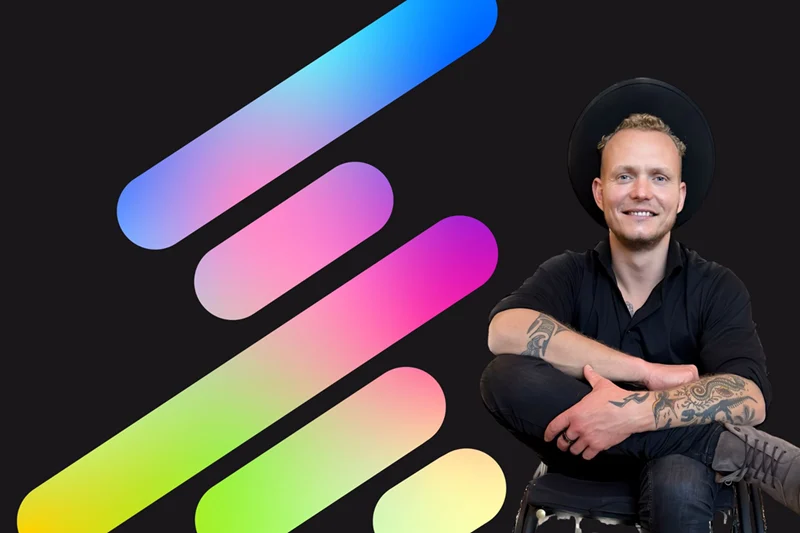
The upcoming leat con 26 convention is set to address one of the most critical yet often overlooked aspects of modern event management: the seamless integration of accessibility for individuals with both visible and invisible disabilities. On October 7, 2026, from 11:00 AM to 12:30 PM, Drees Ringert, the founder of the specialized consultancy "Wir Kümmern Uns" (We Take Care), will lead a comprehensive workshop at the VPLT Lounge in Hall A2. Ringert, who is a wheelchair user himself, brings a unique "expert by experience" perspective to the technical and logistical challenges of event planning. The session aims to move beyond mere compliance, positioning accessibility as a hallmark of professional quality and a fundamental requirement for the future of the live entertainment and technology industry.
The Strategic Importance of Accessibility at leat con 26
The leat con convention has established itself as a premier gathering for the live, entertainment, and technology sectors, focusing on the intersection of technical innovation and practical execution. For the 2026 edition, the organizers have prioritized social sustainability and inclusivity, recognizing that the event industry must evolve to meet the needs of a diverse global audience. The workshop led by Drees Ringert is a cornerstone of this educational track, providing attendees with a roadmap for identifying and dismantling barriers throughout the entire "audience journey."
As the event landscape becomes increasingly competitive, the ability to host truly inclusive gatherings is no longer a niche requirement but a competitive advantage. Accessibility affects a significant portion of the population; according to data from the Federal Statistical Office of Germany, approximately 7.8 million people with severe disabilities live in Germany, representing nearly 10% of the total population. When accounting for temporary disabilities, age-related mobility issues, and neurodivergent conditions, the percentage of attendees requiring some form of accessibility consideration rises significantly.
Comprehensive Workshop Scope: From Ticketing to Technical Infrastructure
The workshop is designed to be highly practical, utilizing real-world examples from Ringert’s extensive consulting practice. Participants will explore the various stages of event planning where barriers often occur. The curriculum covers a wide spectrum of topics, ensuring that planners, technicians, and venue operators leave with actionable insights.
Digital Accessibility and Communication
The journey toward an inclusive event begins long before the doors open. Ringert will highlight the importance of accessible ticketing systems and communication channels. This includes ensuring that websites are compatible with screen readers, providing information in "Plain Language" (Leichte Sprache), and clearly detailing the accessibility features of a venue on the event’s landing page. Without transparent communication, potential visitors with disabilities may opt out of attending due to the uncertainty of the environment.
Physical Infrastructure and Technical Execution
A significant portion of the session will focus on the "hard" infrastructure of events. This includes the design and placement of wheelchair platforms, which must offer unobstructed sightlines comparable to those of non-disabled attendees. The workshop will also address the technical requirements for assistive listening systems, such as induction loops or infrared transmission, which are essential for individuals with hearing impairments. Furthermore, the layout of the venue—ranging from ramp gradients (adhering to DIN 18040-1 standards) to the width of aisles and the height of service counters—will be analyzed through the lens of universal design.
On-Site Services and Staff Training
Even the most technologically advanced venue can fail if the staff is not trained to support diverse needs. Ringert will discuss the role of "Barrierefrei-Services" (accessibility services) on-site, which includes trained assistants, quiet rooms for neurodivergent guests, and clear tactile signage. The human element of inclusion is often the deciding factor in whether a guest feels welcomed or merely "tolerated."
The Legal Landscape: Navigating the European Accessibility Act
A critical component of the workshop will be the discussion of the legal framework governing events in Europe and Germany. The European Accessibility Act (EAA), transposed into German law through the Barrierefreiheitsstärkungsgesetz (BFSG), has introduced more stringent requirements for products and services, including those in the digital and service sectors.
By 2026, many of these regulations will have reached full implementation, making the workshop particularly timely. Ringert will explain how these legal mandates translate to the event industry, helping planners avoid liability while fostering a culture of proactive inclusion. The session will clarify the "Minimum Requirements" versus "Best Practices," encouraging industry professionals to aim for the latter to future-proof their operations.
Profile of the Expert: Drees Ringert and "Wir Kümmern Uns"
Drees Ringert’s involvement brings a level of authenticity and technical depth that is often missing from theoretical discussions on inclusion. As the head of "Wir Kümmern Uns," Ringert has spent years auditing venues and advising major festivals, corporate events, and trade fairs on how to optimize their accessibility.
His approach is rooted in the "Social Model of Disability," which posits that people are disabled by barriers in society and the environment rather than by their physical or mental impairments. By focusing on the removal of these barriers, Ringert empowers event organizers to create environments where every attendee can participate autonomously. His dual role as a professional consultant and a person with mobility challenges allows him to bridge the gap between technical feasibility and the lived reality of the user.
Economic Implications: The "Purple Pound" and Market Growth
Beyond the ethical and legal arguments for inclusion, there is a compelling economic case that the workshop will likely touch upon. In the United Kingdom, the spending power of disabled people and their families is often referred to as the "Purple Pound," estimated at over £274 billion per year. Similar trends are observed across the Eurozone.
When an event is inaccessible, it does not just lose the individual with the disability; it often loses their entire social circle or professional cohort. Conversely, events that prioritize accessibility often see increased loyalty, positive brand association, and higher overall attendance. Inclusion is increasingly viewed by corporate sponsors as a key metric of Social Governance (part of ESG criteria), meaning that accessible events are more likely to attract high-value partnerships.

Industry Reaction and the Role of VPLT
The hosting of this workshop in the VPLT Lounge underscores the commitment of the Association of Media and Event Technology (VPLT) to industry-wide standards. The VPLT has been a vocal advocate for professionalizing the event sector, and its support of Ringert’s workshop signals that accessibility is now considered a core competency for event technicians and managers.
Industry insiders suggest that the demand for such training has surged in the post-pandemic era, as the "live" experience is being redefined. There is a growing consensus that the "standard" attendee no longer exists; instead, planners must account for a spectrum of needs. The leat con workshop serves as a vital touchpoint for professionals to exchange ideas and stay ahead of these shifting demographic and social expectations.
Chronology and Attendance Logistics
The workshop is scheduled for the second day of leat con 26, strategically placed to allow attendees to integrate the lessons into their observations of the trade fair floor.
- Date: October 7, 2026
- Time: 11:00 AM – 12:30 PM
- Location: VPLT Lounge, Hall A2
- Prerequisites: A valid leat con 26 trade fair ticket is required.
- Registration: Due to the interactive nature of the workshop and limited capacity, attendance is only possible through prior registration via the official leat con Event App. The app is scheduled to be activated shortly before the start of the fair.
Analysis of Broader Implications for the Event Industry
The presentation by Drees Ringert at leat con 26 is symptomatic of a larger shift toward "Universal Design" in the global events industry. As technology advances—through AI-driven real-time captioning, haptic feedback vests for concerts, and VR-based site visits—the tools for inclusion are becoming more sophisticated. However, as Ringert frequently emphasizes, technology is only a tool; the foundation of an inclusive event is a mindset that considers diversity from the very first draft of a floor plan.
This workshop is expected to influence how attendees approach their projects in 2027 and beyond. By framing accessibility as a "quality feature," leat con is challenging the industry to stop viewing inclusion as an "add-on" or a "special requirement" and instead treat it as an integral part of professional excellence. The ripple effects of this training could lead to safer, more comfortable, and more engaging experiences for all event-goers, regardless of their physical or cognitive abilities.
In conclusion, the session "leat con 26 Programm: Wie können Veranstaltungen barrierefrei gestaltet werden?" represents a vital educational opportunity. It provides the technical knowledge, legal context, and empathetic understanding necessary to transform the event landscape into a truly open space for everyone. As the industry gathers in October 2026, the insights provided by Drees Ringert will likely serve as a benchmark for the next generation of inclusive event planning.
