

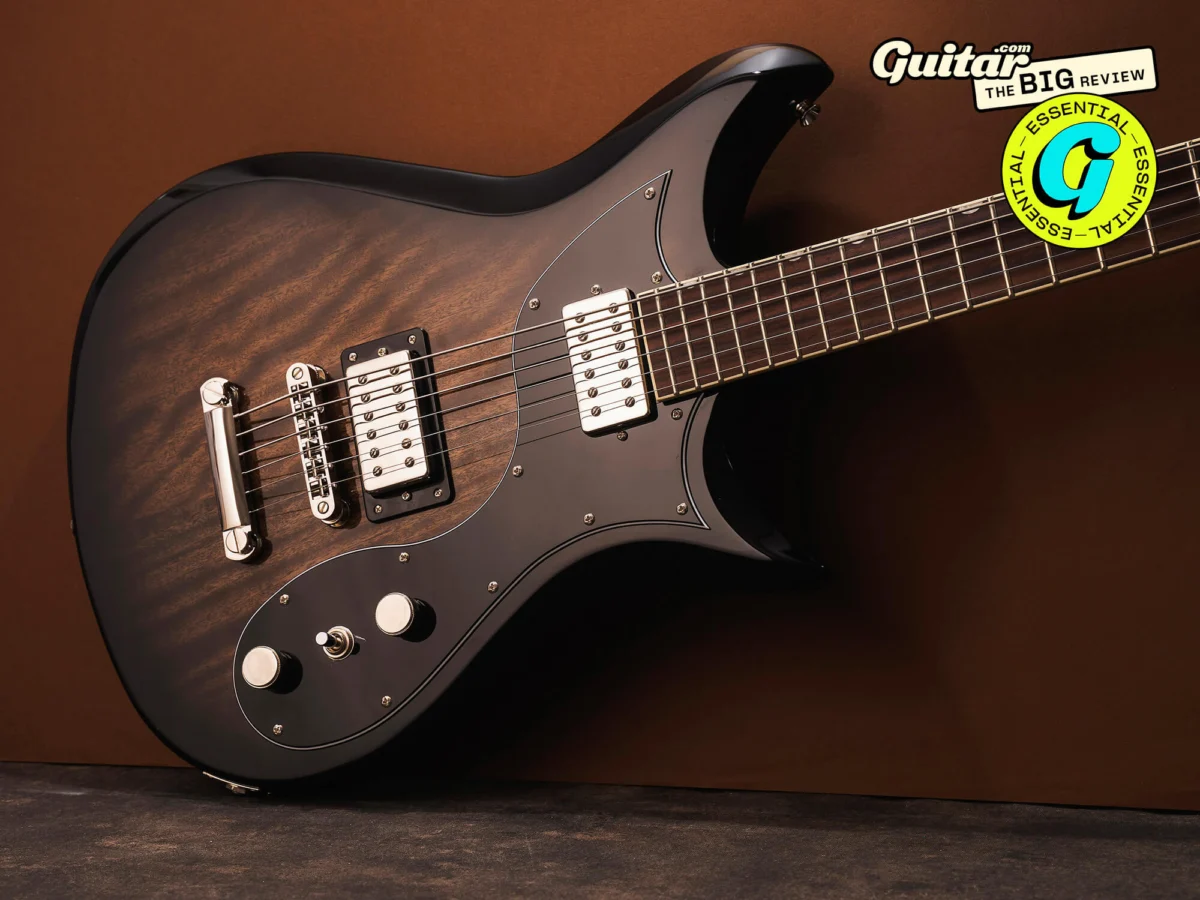
The landscape of electric guitars is undergoing a significant evolution, with manufacturers increasingly catering to the burgeoning demand for extended-range instruments capable of handling the crushing low-end frequencies prevalent in modern heavy music. In a strategic move that acknowledges this shift, Gretsch has unleashed the Electromatic CVT Baritone, a guitar meticulously engineered to deliver the thunderous tones and robust playability sought by the metal community. This instrument represents a "logical conclusion" to years of observation and engagement with artists pushing the boundaries of sonic aggression, seamlessly blending Gretsch’s distinctive aesthetic with the functional requirements of contemporary heavy genres.
The Baritone’s Ascent: A Historical Context and Modern Imperative
While the baritone guitar has a rich and varied history, spanning genres from surf rock and country to film scores and avant-garde jazz, its recent resurgence is largely attributed to its adoption by artists in the metal and progressive rock spheres. Traditionally tuned a perfect fourth or fifth lower than a standard guitar (typically B-to-B or A-to-A), baritones offer an extended low range without sacrificing the string tension and articulation necessary for complex riffing. Early adopters utilized existing models, often vintage-voiced, and pushed them to their limits, downtuning far beyond their intended design. This trend highlighted a clear market gap: purpose-built baritones that could withstand extreme tunings and heavy amplification while retaining clarity and structural integrity.
Gretsch, a brand historically synonymous with the twang of rockabilly, the sophistication of jazz, and the chime of indie-pop, might seem an unlikely candidate to spearhead an instrument for metal. However, the company has demonstrated a keen awareness of how its longer-scale offerings have been embraced by musicians in heavier genres. Observations of artists like Loathe’s Erik Bickerstaffe and Sleep Token’s IV utilizing Gretsch’s dual (mini) humbucker Jet Baritone (the G5260 model) for innovative and ultra-low-tuned modern metal became a catalyst for introspection within the company. These artists, despite their varied musical aesthetics, collectively underscored a growing trend. Gretsch EVP Jason Barnes, as noted in previous discussions regarding the revival of the Corvette series, was reportedly "more than receptive" to the idea of a Gretsch guitar tailored for audiences more aligned with the intensity of Loathe or Electric Wizard than the melodic pop of Bleachers or Taylor Swift. This receptiveness signaled a pivotal strategic shift, acknowledging that while Gretsch’s heritage leaned one way, modern usage pointed to an exciting new frontier.

A Timeline of Gretsch’s Heavy Metal Embrace
The journey towards the Electromatic CVT Baritone can be traced through several key developments:
- Early 2010s: The broader metal community begins experimenting more widely with extended-range guitars (7-strings, 8-strings, baritones) as a means to achieve lower tunings and broader sonic palettes.
- Mid-2010s: Gretsch’s existing longer-scale guitars, such as the Electromatic Jet Baritone (G5260), begin to gain traction with players in the burgeoning "djent" and progressive metal scenes. Fans of bands like Meshuggah take notice of their downtuning potential, despite these models not being explicitly designed for such extreme applications.
- Late 2010s: Artists like Erik Bickerstaffe of Loathe and IV of Sleep Token are seen prominently using Gretsch baritones, often pushing them into significantly lower tunings, showcasing the brand’s unexpected versatility to a wider metal audience. This organic adoption serves as crucial market research for Gretsch.
- Early 2020s: Internal discussions at Gretsch, likely involving figures like Jason Barnes, solidify the understanding that there is a genuine, growing demand for Gretsch instruments optimized for heavy music. The revival of the Corvette series, a double-cut, darkly-finished, dual-humbucker’d instrument, provides an ideal platform for this new direction.
- 2026 Launch: Gretsch officially launches the Electromatic CVT Baritone and, concurrently, an updated Electromatic Jet Baritone. These releases are presented as the "logical conclusion" of their observations, offering purpose-built instruments from the factory ready for the demands of modern metal. This timing coincides with a noticeable surge in baritone guitar releases across the industry, indicating a broader market trend.
Engineered for Aggression: Design and Specifications
The Electromatic CVT Baritone is not merely a standard Gretsch with a longer neck; it is a meticulously re-engineered instrument designed from the ground up to excel in heavy music contexts.
Scale Length and Playability: The CVT Baritone features a 27-inch scale length, a carefully chosen compromise that offers significant advantages. Compared to standard 25.5-inch or 24.75-inch guitars, the longer scale provides the necessary tension for downtuning while remaining relatively familiar and comfortable for most players. This differentiates it from its stablemate, the Electromatic Jet Baritone, which boasts an even longer 29.75-inch scale, approaching that of a Fender Bass VI. The 27-inch scale allows for stable tuning in standard baritone B-B, and even comfortably accommodates tunings as low as drop F with the stock 14-68 gauge strings, which include a crucial wound third for improved clarity and stability. This balance makes the CVT Baritone accessible to a wider range of players interested in extended range without the potentially alien feel of an ultra-long scale.

Pickup System: The Twin Six Humbuckers: At the heart of the CVT Baritone’s sonic prowess are its full-range Twin Six humbuckers. Unlike the mini-humbuckers, Broad’Trons, or Filter’Trons often found in other Gretsch models—which are renowned for their vintage chime and articulate highs—the Twin Sixes are explicitly marketed as being "punchier and more full range." This design choice is critical for metal, where clarity and power in the low end are paramount. Through heavier amplification, these pickups deliver a robust, articulate tone that resists sounding thin or underpowered. Their high output and mid-forward character ensure that downtuned riffs cut through dense mixes, whether paired with thick, meaty fuzzes or tighter, more modern high-gain sounds. For added versatility, the Twin Sixes are equipped with push-pull pots, allowing for individual coil-splitting. While full humbucker mode might be "a little boomy" for pristine cleans, the split-coil tones offer a hefty, P90-like character with strong output and midrange presence, proving that clean textures are by no means an afterthought.
Hardware Innovations: A significant upgrade from the standard-scale CVT is the replacement of its wraparound bridge with a two-piece tune-o-matic-style bridge. This is an "unequivocally good change" for a baritone. Longer scale lengths necessitate more travel in the saddles for accurate intonation, a requirement perfectly met by the tune-o-matic design. Furthermore, wraparound bridges, especially on import models, can be prone to leaning forward under the higher tensions of thicker, downtuned strings. The tune-o-matic ensures greater stability and tuning integrity. Crucially, Gretsch has adjusted the bridge’s placement further back in the body to compensate for the increased scale, ensuring optimal intonation and contributing to the instrument’s excellent balance. This thoughtful design prevents common baritone issues like neck dive, making the CVT comfortable to play both seated and standing. The neck joint is also sculpted, removing the traditional square neck plate for enhanced upper-fret access, a boon for dissonant breakdowns or melodic flourishes.
Aesthetic Reimagination: Bristol Fog and the "Melted SG" Vibe: The CVT Baritone’s aesthetic choices further underscore its metal aspirations. It is exclusively offered in a "Bristol Fog" finish—a dark, woodgrain-forward burst that deliberately eschews the sparkle finishes or gold-trimmed vintage whites often associated with Gretsch. This dark, brooding appearance aligns perfectly with the visual language of doom, sludge, and post-metal genres, where a "vintage cool" mixed with a "meaner, heavier look" is highly valued. The Corvette’s double-cut shape, often described as a "melted SG" or bearing a resemblance to Dunable Cyclops models, inherently possesses a vintage-yet-aggressive appeal. The Dunable Cyclops, for instance, is a staple among bands at festivals like ArcTanGent, precisely because it marries classic design cues with a heavy, uncompromising attitude. Gretsch has constructively worked with this aspect of the Corvette’s shape, demonstrating that metal guitars don’t exclusively need to be "pointy and satin black and glowing inverted crosses everywhere."
Performance in Practice: Usability and Sounds
The Electromatic CVT Baritone lives up to its promise, delivering a robust and versatile playing experience for those venturing into lower tunings.

Playability and Ergonomics: The neck features a "performance C" profile, a comfortable medium C that is neither excessively thin for shredding nor overly chunky. Paired with a genuine rosewood fretboard (a welcome return on affordable guitars) and a 12-inch radius, it offers a smooth playing surface. Medium jumbo frets strike a balance, providing clean, comfortable playability without the risk of pushing strings out of tune at lower tensions, which can be an issue with taller jumbo frets. The instrument’s fantastic balance, achieved by careful bridge placement and mass distribution, eliminates the common baritone concern of neck dive, ensuring comfort during extended sessions. The bridge’s position is also ergonomic for the right hand, facilitating easy palm-muting.
Tuning Stability and String Tension: Stocked with 14-68 gauge strings, the CVT Baritone offers substantial tension at standard B-B baritone tuning. This makes fast death metal riffs tight and responsive, though extreme bends might require considerable finger strength. The guitar also proves resilient in lower tunings, such as drop F. While this tuning introduces a looser, sludgier feel, the instrument maintains relative stability and articulation, a testament to the Twin Six humbuckers and the bridge design. The decent amount of neck pitch-back creates ample downward tension on the tune-o-matic bridge, preventing string slippage even under lower tensions. However, for tunings significantly below drop F, heavier gauges than the stock 14-68s would likely be necessary.
Tonal Versatility: The Twin Six humbuckers are undoubtedly the stars for heavy tones. They deliver depth and fullness through fuzzes while maintaining clarity and tightness for modern chugging. The ability to coil-split provides a valuable dimension, transforming the tone from thick humbucker growl to a punchy, P90-esque single-coil sound that excels for cleaner, more textural, or ambient applications. While not designed for traditional "tic-tac" country baritone sounds (which typically benefit from a spankier, scooped tone often associated with Bass VI pickups), the CVT Baritone’s sonic profile is intentionally geared towards modern, heavy applications, where it excels without compromise.
Industry Context and Competitive Landscape
The launch of the Gretsch Electromatic CVT Baritone in 2026 places it within a vibrant and competitive market for extended-range instruments. This year has seen a notable influx of baritone guitars, indicating a significant industry trend. Alternatives abound, each with its own niche:

- Gretsch Electromatic Jet Baritone (29.75"): The most direct alternative, offering an even longer scale for those seeking to explore tunings below E1 with greater tension.
- Squier Paranormal Baritone Jaguar & Fender Player Fusion Baritone Jaguar: Both cater to a similar audience, offering Fender’s iconic offset aesthetics with baritone functionality.
- Squier Classic Vibe Custom Telecaster Baritone: A more traditional aesthetic, though potentially requiring aftermarket pickup modifications for optimal metal performance.
- Orangewood Baritone & Ed Sheeran Signature Baritone: Acoustic baritone options, demonstrating the growing popularity of the instrument beyond electric applications (though the Sheeran model would require significant modification for metal).
- Dunable DE Line Baritone: Represents a more boutique-inspired, but still relatively affordable, option, often favored by the doom and sludge metal communities for its blend of vintage and heavy aesthetics.
- Hils Mid-Priced Baritone Headless Guitar: For players who wish to shed all vestiges of vintage aesthetics and embrace modern, ergonomic designs.
Gretsch’s strategy of offering two distinct baritone models—the 27-inch CVT and the 29.75-inch Jet—is particularly astute. It acknowledges that "baritone" encompasses a range of preferences and tuning requirements, allowing players to choose the scale length best suited for their specific musical goals. The CVT, with its more approachable 27-inch scale, serves as a balanced entry point for many, while the Jet offers the extreme range for dedicated low-tuners. This "out of the box" readiness for metal stands in contrast to the historical trend of players modifying vintage-voiced baritones, providing a more streamlined and reliable option for the modern musician.
Market Implications and Future Outlook
The Gretsch Electromatic CVT Baritone is poised for strong market reception within the heavy music community. Its accessible price point, coupled with its purpose-built design and compelling aesthetics, addresses a clear demand. The explicit targeting of genres like metalcore, doom, and sludge, reinforced by demo videos featuring prominent artists like Loathe’s Erik Bickerstaffe, sends a clear message about its intended capabilities.
While the Bristol Fog finish is aesthetically fitting, the potential for Gretsch to introduce more finish options in the future—perhaps a version of the Jet’s Imperial Stain on the CVT—could further broaden its appeal. This release signifies Gretsch’s proactive engagement with evolving musical tastes and player needs, solidifying its position not just as a guardian of vintage tones, but also as an innovator capable of delivering instruments for the cutting edge of contemporary sound. The Electromatic CVT Baritone is more than just a new guitar; it’s a statement about Gretsch’s adaptability and commitment to a diverse and dynamic musical landscape.
