

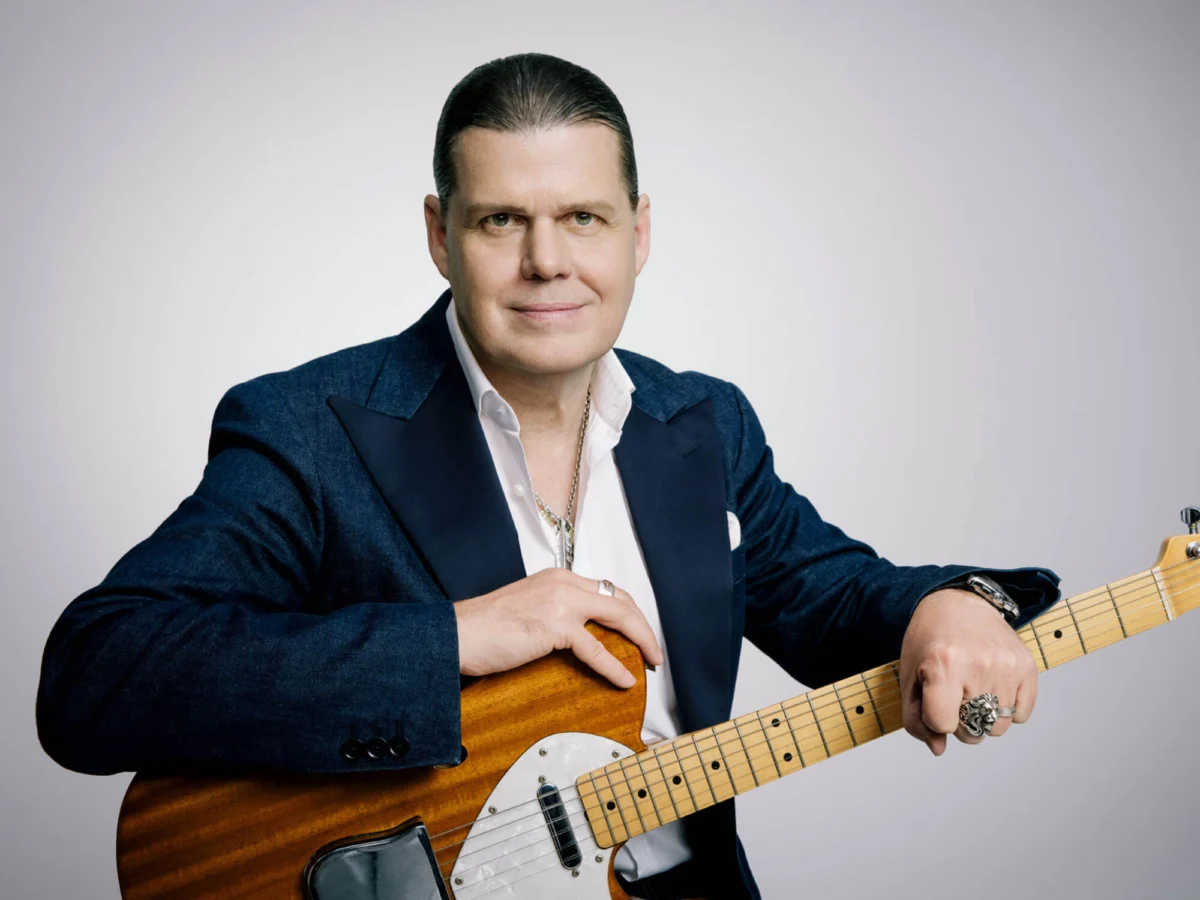
Edward "Bud" Cole, the Chief Executive Officer of Fender Musical Instruments Corporation, has issued a comprehensive clarification regarding his previously reported remarks on artificial intelligence (AI) in music. Following an interview in May with T3 magazine where he drew parallels between AI and "cover music," likening the act of learning and adapting another artist’s songs to "analogue AI," Cole has sought to articulate a more nuanced and detailed perspective. In a recent statement shared with Fast Company, Cole underscored his belief in AI as a supportive tool for artists while firmly reiterating the irreplaceable essence of human creativity in the musical domain. His clarification arrives at a pivotal moment when the music industry grapples with the accelerating integration of AI technologies and the profound questions they raise about artistry, intellectual property, and the future of human endeavor in creative fields.
The Initial Commentary and Its Context
The initial interview in T3 magazine, published earlier this year, saw Cole discussing the 75th anniversary of the iconic Fender Telecaster. During the conversation, the topic of artificial intelligence arose, a subject increasingly relevant across all creative industries. Cole’s comment, specifically describing the process of musicians learning from and interpreting existing works as a form of "analogue AI," was intended to highlight how artists internalize and re-express musical ideas. He posited that this human process of adaptation and interpretation, a cornerstone of musical development, shared conceptual similarities with how AI models learn from vast datasets. While perhaps an interesting analogy, the comparison sparked discussions within the music community, particularly given the widespread anxiety among artists concerning the potential displacement of human talent by AI-driven creation and the ethical implications surrounding data sourcing for these algorithms.
Fender, as one of the most recognizable and influential brands in the global music industry, carries significant weight in its pronouncements. With a legacy spanning over seven decades, the company is synonymous with the very instruments that have empowered countless human artists to create timeless music. Therefore, any statement from its leadership regarding emerging technologies like AI is subject to intense scrutiny and interpretation by a community deeply invested in the preservation of human artistry. The subsequent need for clarification underscored the sensitivity of the topic and the importance of precise communication when addressing the complex interplay between technology and creativity.
Fender’s Refined Position: AI as a Tool, Not a Replacement
In his updated statement, Cole explained that his initial comments did not "fully convey" his complete perspective on AI. He emphasized that his primary intent was to illustrate how technology, including AI, could serve as an enabling force for artists and players in their journey of learning and growth. This perspective positions AI not as a competitor or substitute for human creativity, but rather as an auxiliary instrument in an artist’s toolkit.
Cole elaborated on this stance, asserting that while AI can undoubtedly aid a musician’s development – perhaps by offering new learning methods, generating practice tracks, or assisting with technical aspects of music production – it will never supplant the fundamental human spirit that animates and sustains the vibrant guitar community and, indeed, the broader music world. "Music is an inherently human experience," Cole articulated, "and great songs are born out of people’s lives, their creative energy and the countless hours spent learning their instruments – something no machine can ever replicate." This declaration serves as the bedrock of Fender’s clarified position, firmly anchoring the company’s philosophy in the intrinsic value of human experience, emotion, and dedicated craftsmanship.
The CEO further acknowledged the validity of widespread concerns surrounding AI. "Many of the concerns people have about AI are real," he stated, highlighting the necessity for ongoing dialogues within the industry. He stressed that "conversations need to happen about how to advance AI while protecting artists and upholding respect for their work." This acknowledgment aligns Fender with the growing chorus of voices advocating for ethical AI development, robust intellectual property protections, and fair compensation mechanisms for creators whose work may be used to train AI models or who might be impacted by AI-generated content.
Concluding his statement, Cole reiterated his conviction that AI holds promise as a supportive tool for guitarists across all skill levels. He envisions AI as a means to "explore, refine and experiment with their own creative ideas," suggesting applications such as interactive learning platforms, algorithmic composition aids for inspiration, or advanced sound processing tools. However, he firmly concluded, "music starts and ends with people, and it always will." This final assertion encapsulates Fender’s commitment to the human element as the ultimate origin and destination of musical expression.
The Broader AI in Music Landscape: Opportunities and Challenges
Cole’s clarification comes amid a rapidly evolving landscape where artificial intelligence is making significant inroads into various facets of the music industry. AI-powered tools are now capable of generating original compositions, synthesizing vocals, mastering tracks, and even creating entire soundtracks for film and video games. Companies like Google, with projects such as Magenta and Lyra, and startups like Suno and Udio, are pushing the boundaries of what AI can achieve in music creation, allowing users to generate complex musical pieces with simple text prompts.

On the one hand, proponents argue that AI democratizes music creation, lowers barriers to entry, and provides innovative tools for experimentation. For aspiring musicians, AI could offer personalized learning experiences, intelligent feedback on performance, and even act as a virtual bandmate. For established artists, it could streamline production workflows, offer new sonic palettes, or assist in overcoming creative blocks. The potential for AI to aid in music discovery, personalized listening experiences, and even in music therapy is also being explored.
However, the rapid advancement of AI also presents formidable challenges. A primary concern for artists and industry bodies revolves around intellectual property rights. The vast datasets used to train generative AI models often include copyrighted music, raising complex legal and ethical questions about attribution, licensing, and fair use. Organizations like the Recording Industry Association of America (RIAA) and various artists’ unions have voiced strong opinions, demanding transparency in data sourcing and advocating for robust legal frameworks to protect creators.
The economic implications are equally significant. There are fears that AI-generated music could devalue human-created content, lead to job displacement for session musicians, composers, and producers, and further concentrate power within tech companies rather than artists. The debate also touches upon the very definition of artistry and authorship: if a machine generates music, who is the creator? Who holds the rights? And what does this mean for the intrinsic human value of music? These are not merely philosophical questions but have tangible impacts on livelihoods and cultural heritage.
Industry Reactions and the Call for Ethical Frameworks
The music industry’s response to AI has been multifaceted, ranging from cautious optimism to outright alarm. Major labels have begun exploring partnerships with AI companies while simultaneously engaging legal teams to protect their vast catalogs. Artists’ unions, such as SAG-AFTRA and the American Federation of Musicians (AFM), have been vocal in demanding safeguards for their members, particularly concerning voice cloning and the use of artists’ likenesses without consent or fair compensation. Their efforts during recent labor negotiations in Hollywood highlighted the urgency of these concerns, securing some protections against unchecked AI deployment.
There is a growing consensus that while AI’s progress is inevitable, its integration must be guided by ethical principles and regulatory frameworks. Calls for "responsible AI" in music include:
- Transparency: Clearly identifying when music is AI-generated or AI-assisted.
- Consent and Compensation: Ensuring artists provide explicit consent for their work to be used in AI training and are fairly compensated.
- Attribution: Establishing clear rules for attributing authorship and ownership in AI-assisted creations.
- Human Oversight: Maintaining a human-in-the-loop approach for critical creative decisions.
Fender’s updated stance aligns with this push for ethical integration, acknowledging the "real" concerns and emphasizing the need for constructive conversations to protect artists. By reaffirming the irreplaceable nature of human creativity, Fender positions itself not as an adversary of technology, but as a champion of the human element that has always been at the heart of its brand and products.
Implications for Musicians and the Future of Music
Fender’s clarification carries significant implications for its vast customer base – musicians of all levels globally – and for the broader music ecosystem. For guitarists, Cole’s message is one of empowerment: AI can augment their journey, but the soul of their music will always derive from their own life experiences, practice, and passion. This perspective encourages engagement with new tools without fear of artistic redundancy. It reinforces the idea that the "hours spent learning their instruments" and the "creative energy" of individuals remain paramount.
The company’s position, articulated by its CEO, serves as a powerful reminder of the enduring value of human skill and emotion in an increasingly automated world. As a manufacturer of instruments that are extensions of human expression, Fender has a vested interest in fostering environments where human creativity thrives. Its leadership in this conversation can help shape industry norms, encouraging other companies to adopt similar artist-centric approaches to AI development and deployment.
Looking ahead, the dialogue surrounding AI in music is far from over. It will continue to evolve as technology advances and as legal and ethical frameworks catch up. What is clear from Cole’s statement is that the future of music, at least from Fender’s perspective, is one where technology serves humanity, enhancing our capacity for expression rather than diminishing it. The ultimate goal, as Cole suggests, is to harness AI’s potential to open new avenues for exploration and refinement, while steadfastly preserving the irreplaceable human connection that makes music such a profound and universal experience. The challenge lies in ensuring that this vision is realized through collaborative efforts between technologists, artists, industry leaders, and policymakers, forging a path where innovation and artistic integrity coexist harmoniously.
