

The professional film and event lighting landscape has seen a significant shift toward modular, battery-operated, and wirelessly controlled fixtures, a trend pioneered and largely dominated by Astera. The introduction of the HydraPanel marks a strategic expansion of the manufacturer’s portfolio, bridging the gap between the compact PixelBrick and the larger Titan Tube series. This fixture, roughly the size of three standard cigarette packs, is designed as a versatile floodlight and softlight solution that prioritizes workflow efficiency without compromising on the high-end color metrics required for digital cinematography. Engineered with an IP65 rating for all-weather operation, the HydraPanel is built to function as a standalone unit or as part of a larger clustered array, providing gaffers and lighting designers with a tool that minimizes setup time while maximizing creative flexibility.
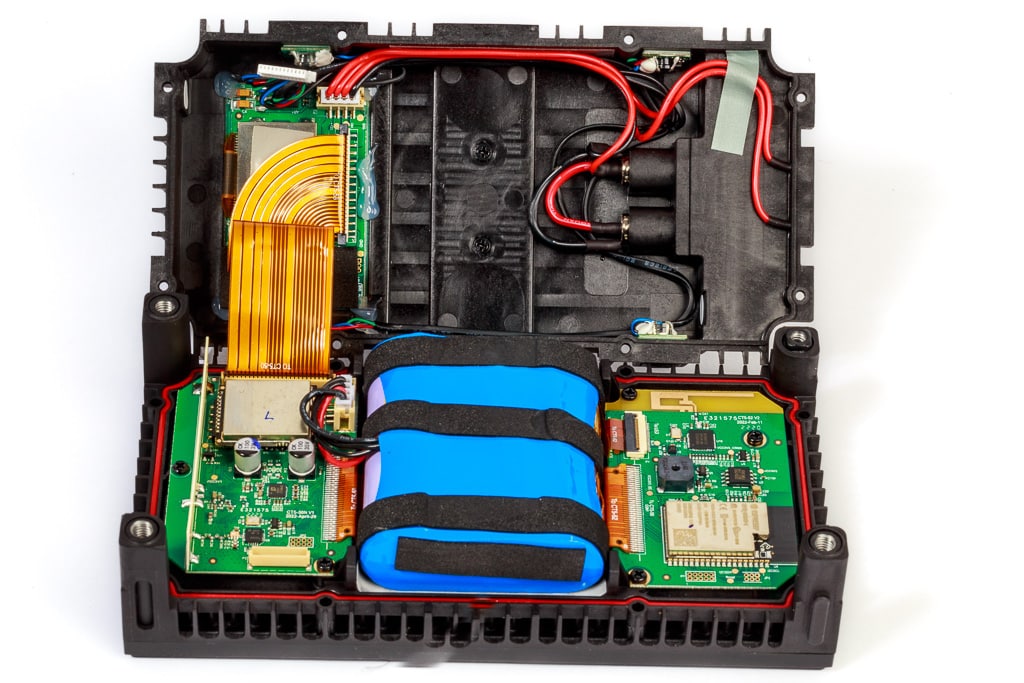
Development Context and the Titan LED Engine
The HydraPanel’s core technological foundation is the proprietary Titan LED Engine, a system that has become the benchmark for color consistency across the Astera ecosystem. To understand the significance of the HydraPanel, one must look at the evolution of the Titan chip. Unlike standard RGB systems or even common RGBW fixtures, the Titan Engine utilizes a five-color mix: Red, Green, Blue, Mint, and Amber. This specific combination is designed to fill the spectral gaps that often plague LED sources, particularly in the "cyan gap" and the deep red regions of the visible spectrum.
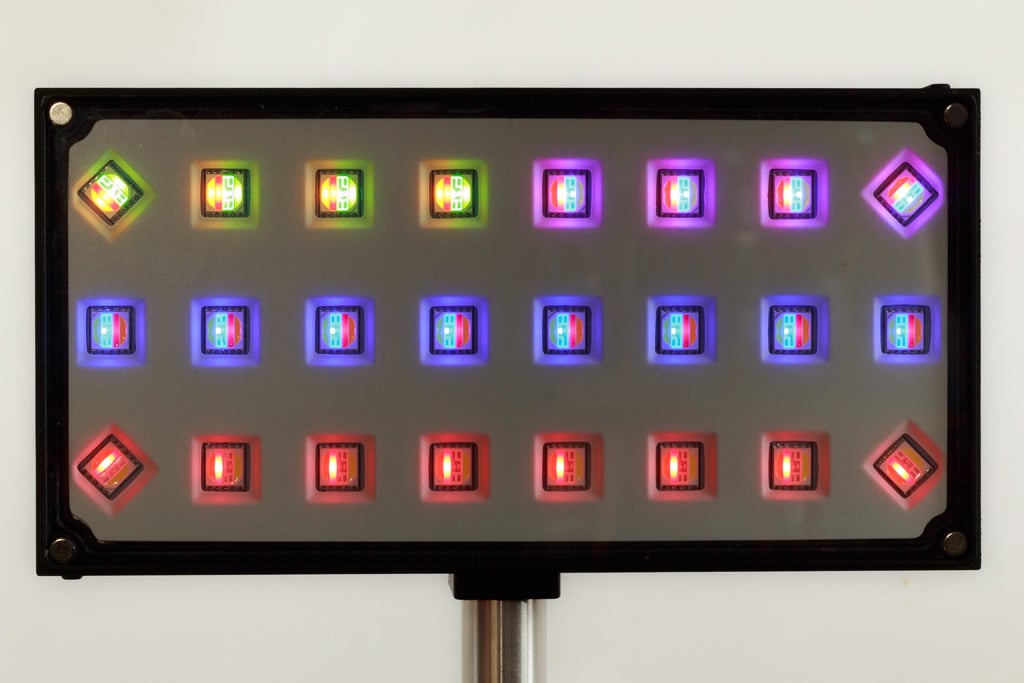
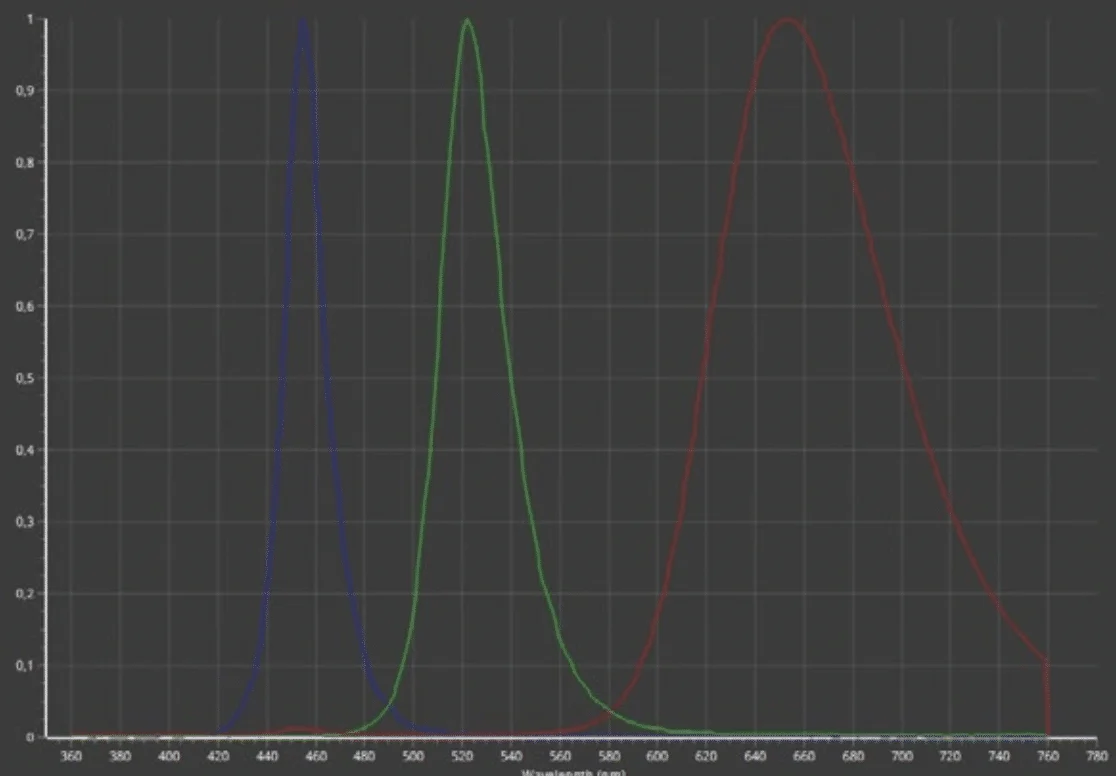
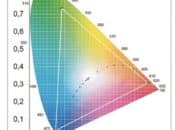
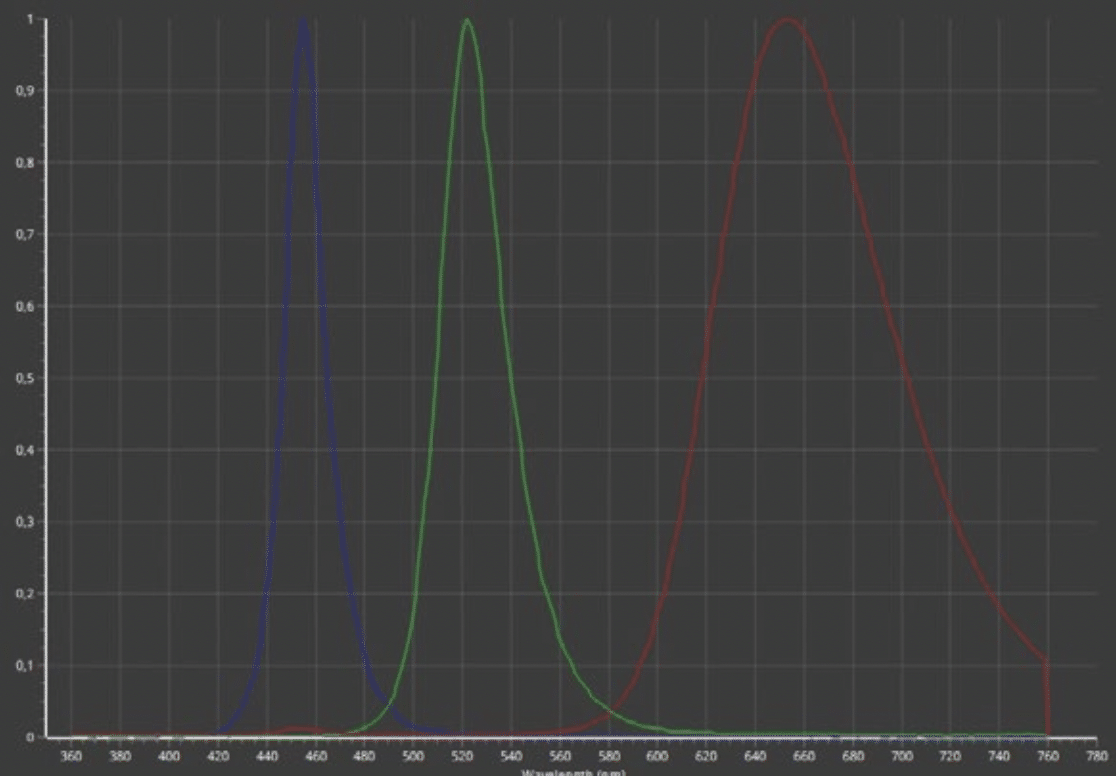
A notable technical distinction in the HydraPanel is the implementation of the red LED. While the blue and green LEDs are direct-emitting chips, the red source is a phosphor-converted LED. This process involves using a blue LED chip coated with a specific phosphor layer to produce red light. The resulting spectrum is significantly broader than that of a monochromatic red LED. In practical application, this breadth allows for superior reproduction of subtle color gradations and skin tones, which are highly sensitive to spectral spikes. While this approach slightly limits the absolute saturation of the deepest reds—shifting the gamut slightly inward on the CIE 1931 color space—it results in a Color Rendering Index (CRI) that rivals traditional tungsten sources.
Technical Data and Spectral Analysis
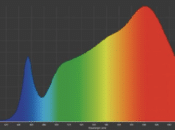
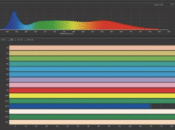
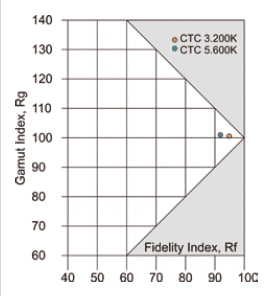
Laboratory measurements of the HydraPanel reveal performance metrics that place it in the top tier of professional lighting equipment. At a correlated color temperature (CCT) of 3200K, which mimics traditional halogen studio lighting, the HydraPanel achieves a CRI of 98.8. Particularly impressive is the R9 value—the metric for deep red reproduction—which remains consistently high, avoiding the common "drop-off" seen in lower-quality LED panels.
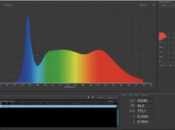
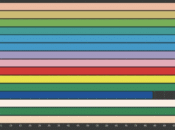
When adjusted to 5600K daylight balance, the fixture maintains a CRI of 96.7. Although the manufacturer specifies a target of 5500K in its documentation, the 100K variance is negligible in professional field use. The TM-30-18 metrics, which provide a more comprehensive view of color fidelity and gamut than CRI alone, confirm that the HydraPanel provides an exceptionally faithful reproduction of the 99 color evaluation samples used in the standard. This level of accuracy is critical for productions using high-dynamic-range (HDR) cameras, where color shifts in the shadows or highlights can be difficult to correct in post-production.
The Wireless Ecosystem and Control Infrastructure
The HydraPanel is designed for a "cable-free" environment, utilizing a sophisticated multi-protocol wireless architecture. It supports Infrared (IR) remote control, CRMX (LumenRadio) for professional DMX workflows, and a unique Bluetooth Bridge (BTB) functionality. The BTB feature is a significant advancement in on-set logistics; it allows a single HydraPanel to act as a gateway. A user can connect their smartphone or tablet to the "Bridge" unit via Bluetooth, and that unit then relays commands to all other Astera fixtures on the set via the more robust Ultra High Frequency (UHF) Astera protocol.
For integration into larger lighting consoles, the HydraPanel offers 142 different DMX modes. These modes range from simple 8-bit RGB control to complex 16-bit pixel-mapped configurations. The fixture features 24 SMD LEDs arranged in a grid, which can be addressed as a single light source or divided into pixel segments (6, 3, or 2 pixels) for dynamic effects. While the 8-bit resolution is standard, the fixture employs an internal gamma correction curve that ensures smooth dimming even at the lowest intensities. Technical testing indicates that the LEDs begin to emit a visible glow at a decimal DMX value of 5, providing a sufficiently granular "bottom end" for theatrical fades.
Furthermore, the fixture’s Pulse Width Modulation (PWM) frequency is set to a high 65 kHz. This is a critical specification for modern film production, as it eliminates "flicker" or banding issues when shooting at high frame rates or with cameras utilizing narrow shutter angles.
Physical Engineering and Mounting Versatility
The mechanical design of the HydraPanel emphasizes rapid deployment. A primary feature is the integrated neodymium magnet on the rear of the housing, which allows the unit to be snapped onto any ferrous metal surface instantly. For more traditional rigging, the unit includes three M5 threads and a specialized "Cold Shoe" style mounting point on each of the wide sides.
The "FlexBase" accessory is the central component of the HydraPanel’s mounting ecosystem. This universal adapter features a hinge and folding feet, allowing the panel to be placed on flat surfaces at any angle. It also incorporates a 1/4"-20 thread, making it compatible with standard baby pins, friction arms, and camera grip equipment.
For larger light output requirements, Astera has developed the "ConnectorPlate." This mechanical link allows up to four HydraPanels to be joined into a single, larger array. An ingenious feature of this clustered configuration is the infrared communication between units. When panels are physically joined, they can communicate via IR diodes located on the side of the chassis. This allows one panel to act as the "Master" controller; any settings changed on the Master unit are instantly mirrored across the entire cluster without the need for DMX cabling or app synchronization.
Accessory Integration and Light Shaping
The HydraPanel is rarely used as a "naked" light source. The kit includes a variety of magnetic light-shaping tools that can be swapped in seconds. These include:
- Intensifiers: Designed to narrow the beam angle and increase center-weighted brightness.
- Diffusers: Available in "Soft Frame" versions that provide a homogenous surface by increasing the distance between the LEDs and the frost layer, effectively hiding individual pixel points.
- Eggcrates: 40-degree and 60-degree honeycombs for spill control and directional lighting.
- Gel Filters: Framed and unframed options for quick color correction or stylistic shifts.
The use of magnets for accessory attachment represents a significant improvement over the plastic clips or Velcro systems found on competing products. However, users should note that while the magnetic bond is strong, it does not provide a secondary safety tether, which may be a consideration for overhead rigging in public spaces.
Logistics: The Charging Case and Maintenance
Professional equipment is often judged by its transport and charging solutions. The "HydraPanel Kit of 4" is delivered in a heavy-duty, Peli-style hardshell case that doubles as a centralized charging station. The panels slide into molded slots where spring-loaded pressure contacts engage with the charging terminals on the back of the units. This eliminates the need for individual charging cables and ensures that the entire kit is ready for deployment as soon as the case is opened.
The internal power supply is integrated into the case’s foam structure, with a standard Schuko or Edison power input on the exterior. The case also provides dedicated storage for all filters, mounting plates, and connectors, ensuring that no small components are lost during rapid set strikes. The IP65 rating of the panels themselves means they can be cleaned with a damp cloth after use in dusty or rainy outdoor environments, though the charging contacts should be dried before being placed back in the case.
Market Implications and Professional Verdict
The Astera HydraPanel represents a shift toward "intelligent" lighting where the fixture handles much of the technical heavy lifting—such as color calibration and battery management—automatically. By integrating the Bluetooth Bridge directly into the fixture, Astera has simplified the wireless DMX barrier to entry, making professional-grade control accessible even on smaller productions that lack a dedicated DMX console and operator.
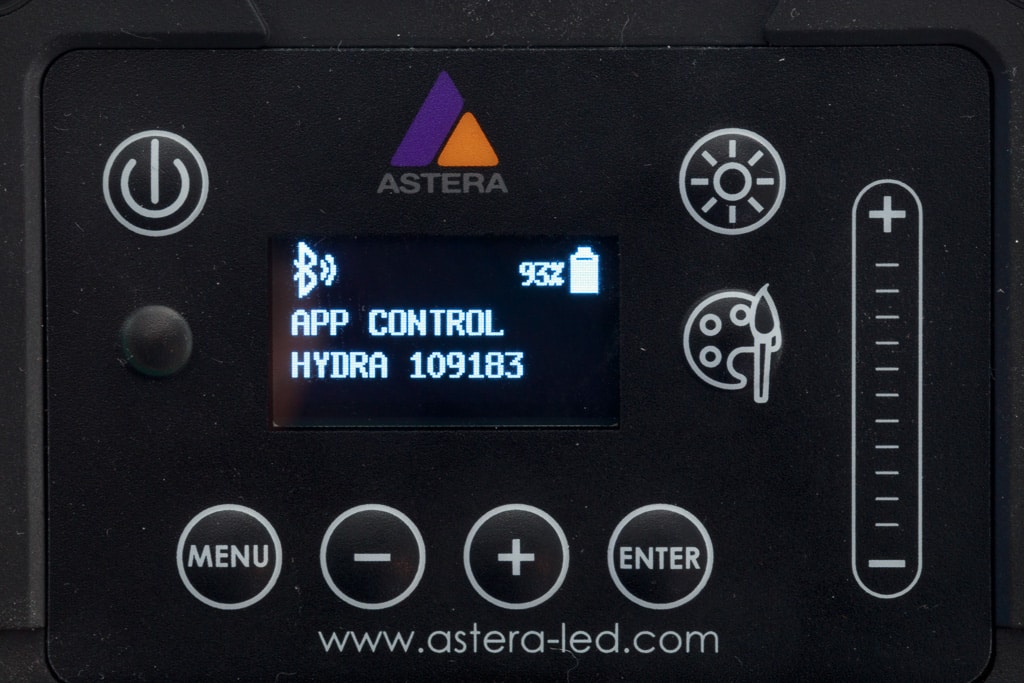
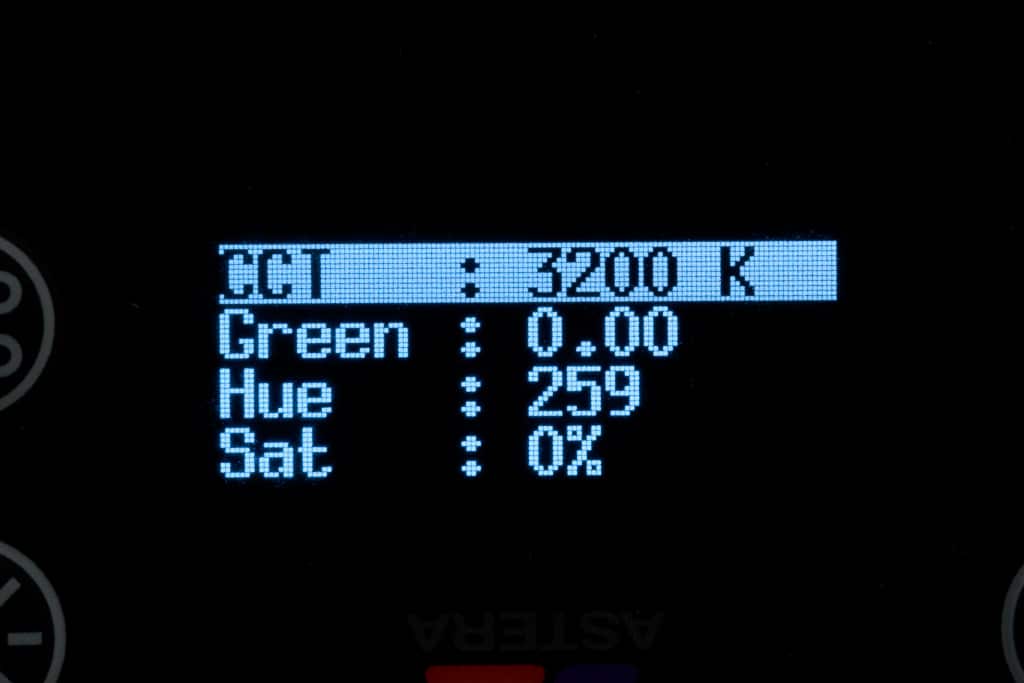
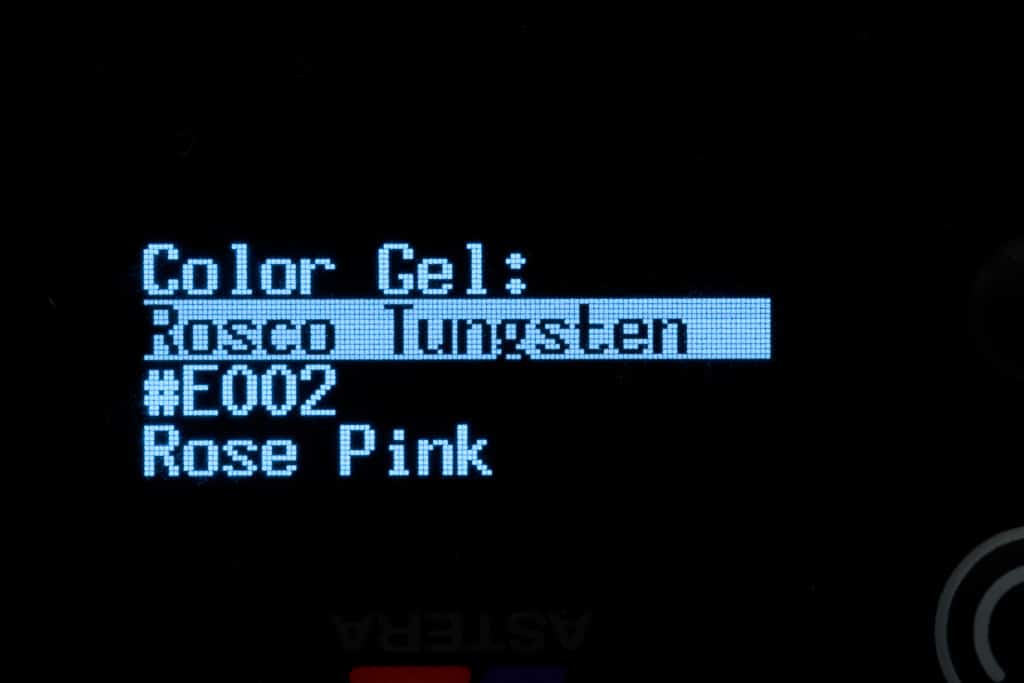
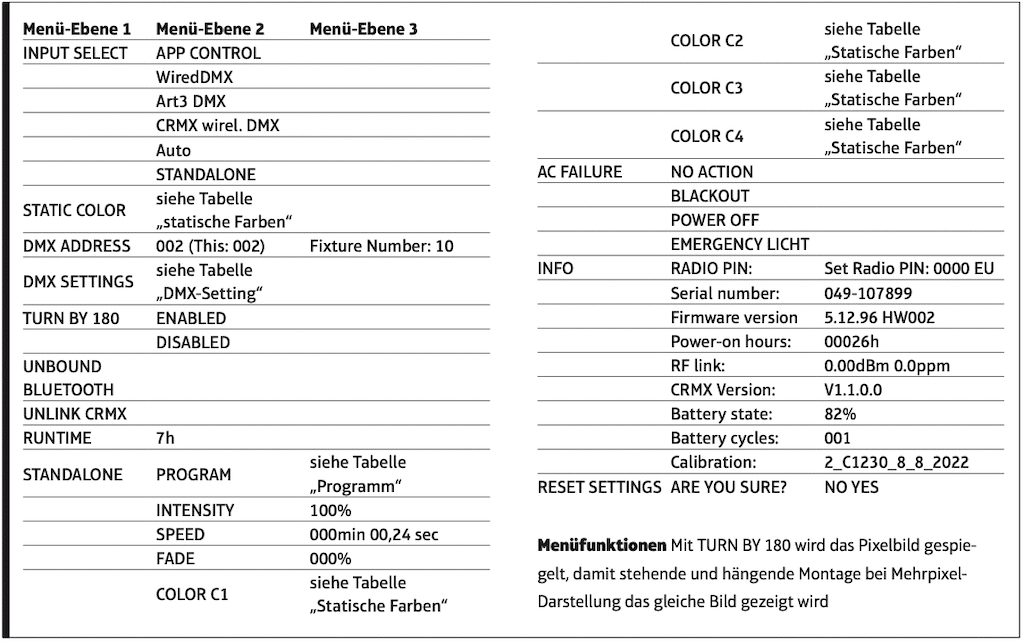
While the menu system on the device itself is somewhat minimalist and requires a learning curve, the reliance on the Astera App is a deliberate design choice to keep the physical hardware compact and durable. The HydraPanel is not merely a small light; it is a highly specialized component of a broader ecosystem. Its primary value lies in its reliability and the quality of its light, which matches the industry’s most expensive full-sized softlights. For gaffers, wedding videographers, and event technicians, the HydraPanel offers a high-return investment, providing a level of spectral accuracy and operational flexibility that justifies its position as a premium tool in the professional lighting market.
