

The German Commission for Electrical, Electronic & Information Technologies (DKE), a joint organization of the VDE (Association for Electrical, Electronic & Information Technologies) and DIN (German Institute for Standardization), has issued a landmark clarification that officially separates mobile electrical systems used in event technology from fixed electrical installations. This regulatory shift marks a significant turning point for the event industry, providing a long-sought-after legal and procedural distinction that clarifies the competencies required for the assembly, commissioning, and operation of temporary power infrastructures. For years, the industry operated in a gray area where the stringent requirements of permanent building installations often clashed with the rapid, temporary, and highly specialized nature of live event production. By formally acknowledging the unique status of mobile systems, the DKE VDE has paved the way for more streamlined operations while maintaining rigorous safety standards tailored to the specific needs of concerts, trade fairs, and theatrical productions.
The Regulatory Conflict: DIN VDE 0100 and the Realities of Event Production
At the heart of this development is the application of the DIN VDE 0100 series, the foundational set of standards governing the installation of low-voltage electrical systems in Germany. Historically, any construction or operation of an electrical system fell under the broad umbrella of VDE 0100. According to these regulations, the execution of such work strictly requires an installation company registered in the installer directory of a network operator (Netzbetreiber). In the context of the event industry, this meant that, theoretically, every temporary stage setup or festival power grid would need to be overseen by a utility-registered electrical contractor.
However, this requirement was rarely feasible in practice. The event industry relies on high-speed deployments, often involving complex, proprietary power distribution units and specialized cabling that differ significantly from house wiring. The experts within the DIN Standards Committee for Event Technology, Image and Film (NVBF) NA 149-00-04 AA recognized this disconnect and submitted a formal inquiry to the DKE. They questioned whether the requirements of the DIN VDE 0100 series were truly applicable to the temporary, mobile electrical systems used in event technology.
The DKE’s response has now provided the necessary clarity. The commission stated that the assembly and commissioning of "temporary mobile electrical systems" in event technology are safety-critical activities but do not fall under the scope of DIN VDE 0100 as fixed installations. Instead, these systems are to be handled by a specialized "Event Technology Electrician" (Elektrofachkraft für Veranstaltungstechnik). This distinction preserves the high safety standards of VDE 0100 for permanent structures while empowering event professionals to manage their own specialized mobile equipment.
Chronology of the Decision and Standard Development
The path to this clarification has been a multi-year process involving various stakeholders from the engineering, safety, and entertainment sectors.
- Initial Advocacy: For several years, industry bodies like the IGVW (Interessengemeinschaft Veranstaltungswirtschaft) and the VBG (Administrative Professional Association) argued that the "one-size-fits-all" approach to electrical safety was hindering the industry.
- The "Heute schon genormt" Initiative: Early reports and discussions within the DIN committee highlighted the need for a specific normative framework. This led to the initial proposal to separate mobile and fixed systems.
- Formal Inquiry to DKE: Thomas Bardeck, Chairman of the DIN NA 149-00-04 AA, led the formal inquiry to the DKE to seek a definitive ruling on the applicability of VDE 0100.
- The DKE Declaration (2024): The DKE issued its official statement, confirming the special status of mobile systems.
- Implementation Phase (Ongoing): Following the declaration, the NA 149-00-04 AA, in cooperation with the DKE, VBG, and various industry associations, began the task of updating normative projects and safety documents to reflect the new reality.
This timeline demonstrates a shift from a rigid, building-centric view of electrical safety toward a more nuanced, application-specific approach.
Defining the Competencies: Who is an Event Technology Electrician?
With the separation of mobile systems from fixed installations, the role of the "Event Technology Electrician" (Elektrofachkraft für Veranstaltungstechnik) becomes the central pillar of electrical safety in the industry. The DKE’s ruling places a heavy emphasis on this specific qualification, but it also raises questions about who qualifies for the title.
The German Social Accident Insurance (DGUV) and the IGVW Standard SQQ1 provide the framework for this role. An Event Technology Electrician is defined as someone who, through professional training, knowledge, and experience, can assess the work assigned to them and recognize potential hazards. The SQQ1 standard defines the minimum scope of technical qualification required.
Specifically, the qualification can be evidenced by:
- A proven vocational training in an electrotechnical field.
- A completed vocational training as an "Event Technology Specialist" (Fachkraft für Veranstaltungstechnik) under the 2016 training regulations (VfAusbV 2016).
- An electrotechnical qualification measure that meets the specific requirements of the SQQ1 standard.
The 2016 update to the training regulations was a pivotal moment. Prior to this, the electrotechnical components of event technology training were less comprehensive. As a result, those who completed their training under the old regulations are not automatically considered Event Technology Electricians in the modern sense. This has created a "qualification gap" that the industry is currently working to bridge through targeted further education and certification programs.
Technical Implications for Mobile Systems and Special Power Grids
The distinction between "fixed" and "mobile" is not merely semantic; it has profound technical and legal implications. Fixed installations, such as the main power supply of a theater or a stadium, remain under the strict purview of DIN VDE 0100 and must be serviced by registered contractors. These systems are designed for decades of use and are integrated into the building’s structural safety and grounding systems.
Mobile systems, by contrast, are characterized by their temporary nature. They often involve:
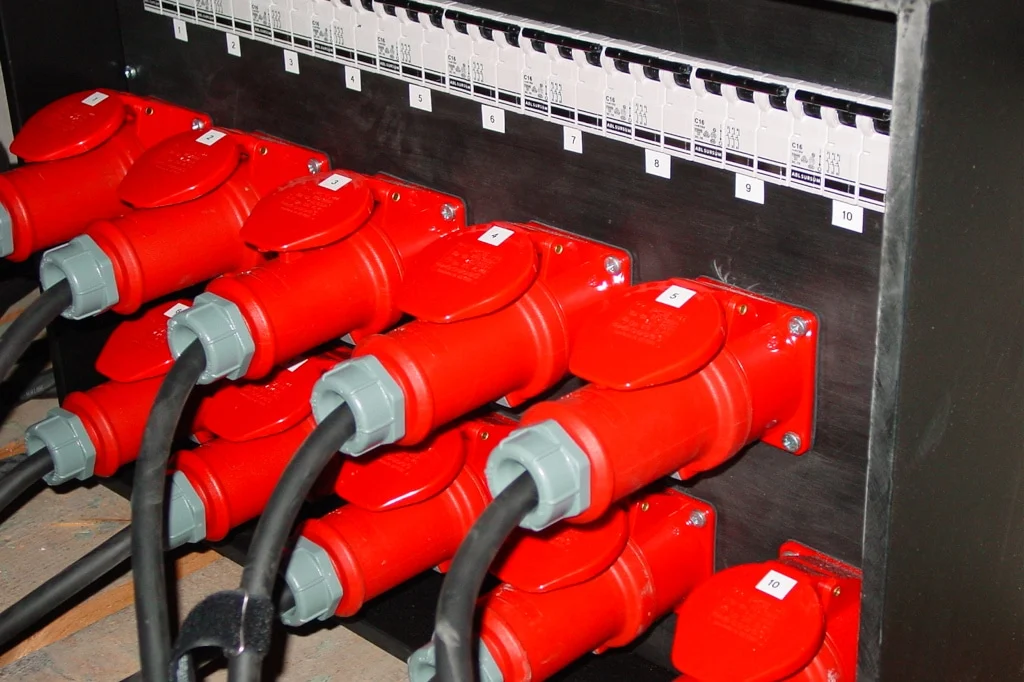
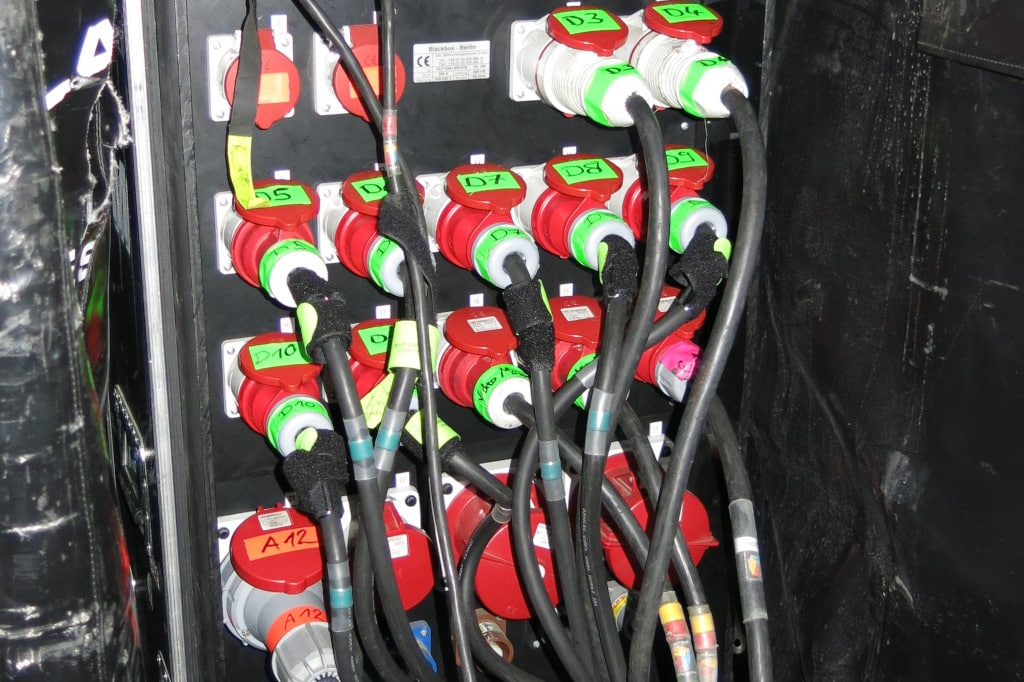
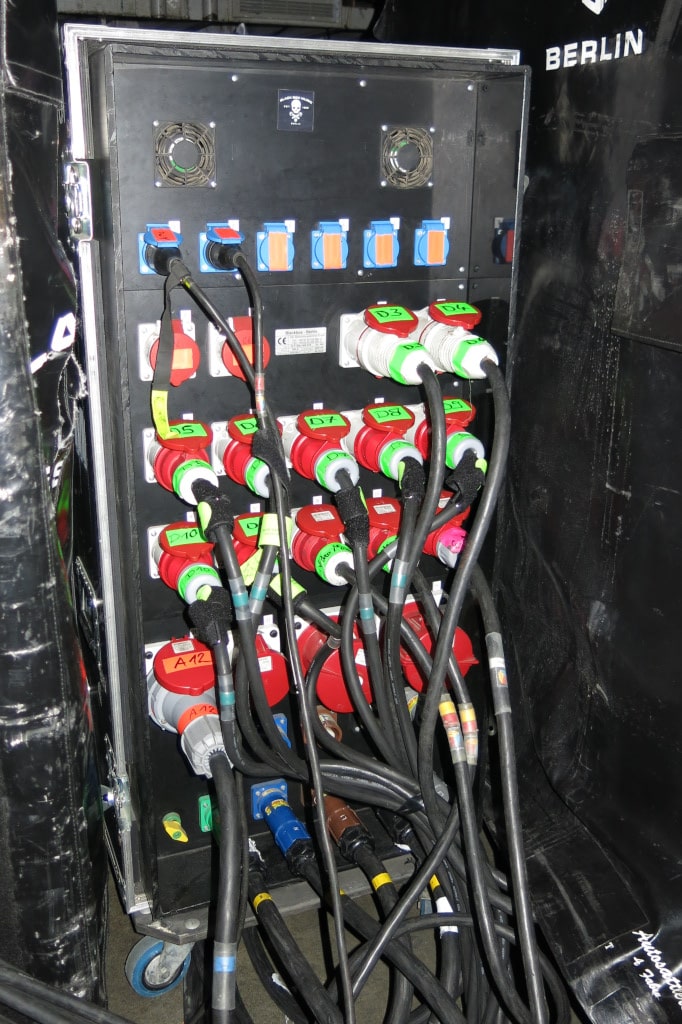
- Plug-and-play distribution: Using CEE or specialized high-current connectors (like Powerlock).
- Flexible cabling: Rubber-sheathed cables (e.g., H07RN-F) designed to withstand mechanical stress and environmental factors.
- Specific protection measures: Frequent use of Residual Current Devices (RCDs) with specific tripping characteristics (Type B or B+) to handle non-linear loads from LED walls and modern lighting dimmers.
The DKE’s recognition allows for the development of standards that specifically address the "special power grids" (Sondernetze) often found in event technology, such as IT systems (Ungrounded systems) used for high-reliability applications or complex grounding scenarios in outdoor festival environments.
Industry Reactions and the Impact on Liability
The response from the event technology sector has been overwhelmingly positive. Thomas Bardeck, representing the DIN committee, noted that the official differentiation resolves long-standing disputes over areas of responsibility. For event organizers and production companies, this provides a clearer framework for liability.
In the event of an electrical accident, the first question asked by insurers and authorities is whether the personnel involved were "qualified." By having a clear definition of an Event Technology Electrician and a clear scope of work (mobile systems), companies can more easily document their compliance with safety regulations. This reduces the risk of insurance claims being denied due to "improper execution" by non-registered contractors.
However, the ruling also puts more pressure on companies to ensure their staff are genuinely qualified. The VBG is already in the process of updating its documentation and inspection guidelines to align with the DKE’s announcement. This means that during site inspections, the focus will shift from "Is this company a registered building contractor?" to "Does the person in charge hold a valid SQQ1-compliant qualification?"
Addressing the Legacy Qualification Gap
One of the most pressing challenges following this ruling is the status of experienced professionals who trained before the 2016 regulations. Many of these individuals have decades of practical experience in setting up complex mobile power systems but lack the formal "Event Technology Electrician" designation.
The industry is currently facing a dual challenge:
- Standardization of Continuing Education: Ensuring that bridging courses are available and recognized by the various Chambers of Industry and Commerce (IHK) across Germany. Currently, there is some inconsistency in how different regional IHKs view the transition from the "old" specialist training to the "new" master-level requirements.
- Recognition of Experience: There is a strong push to ensure that years of safe practice are not ignored. The DGUV definition of an electrician explicitly includes "experience" as a component of qualification. The industry is looking for further clarification to ensure that veteran technicians are not unfairly sidelined while still maintaining the integrity of the new safety standards.
Future Outlook: A New Era of Normative Clarity
The DKE VDE’s decision is more than just a change in rules; it is an acknowledgement of the professionalization of the event technology industry. It recognizes that the electrical requirements of a modern concert or a high-tech trade show are a specialized field of engineering, distinct from traditional house-building.
Looking ahead, the NA 149-00-04 AA will continue to lead normative projects for mobile electrical systems in close cooperation with the DKE and the VBG. This will likely lead to a new series of standards specifically for the event industry, which will eventually be harmonized at the European level through organizations like CEN and CENELEC.
This move toward industry-specific standardization is expected to improve safety, clarify legal responsibilities, and foster innovation in power distribution technology. As the industry moves forward, the focus will remain on ensuring that the "Event Technology Electrician" remains a hallmark of quality and safety, backed by a regulatory framework that understands the unique demands of the stage.
