

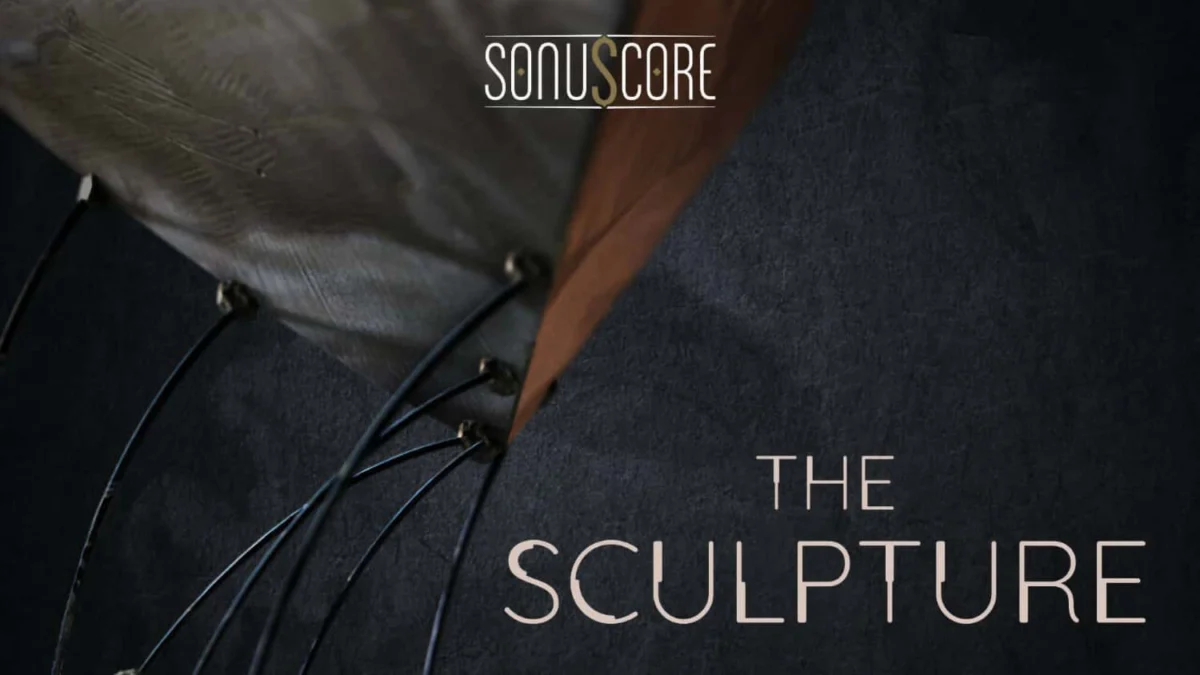
Sonuscore, a prominent developer in the field of cinematic virtual instruments, has officially launched its latest sound design tool, titled The Sculpture. Designed for both macOS and Windows platforms, this sample-based instrument is the result of a unique collaboration between the software developers and the renowned German sculptor Klaus Gündchen. The instrument is built upon the high-fidelity recordings of a bespoke, large-scale metal sculpture, providing composers and sound designers with a palette of industrial, resonant, and ethereal textures that are grounded in physical reality.
The Sculpture is compatible with the free Kontakt Player and the full version of Kontakt, ensuring accessibility for a wide range of digital audio workstation (DAW) users. By utilizing a multi-mic recording approach and a sophisticated playback engine, the software aims to bridge the gap between abstract fine art and functional audio production. The release marks a significant addition to Sonuscore’s portfolio, which is often recognized for its "The Orchestra" series and other specialized cinematic libraries.
Technical Specifications and Architecture
The Sculpture is organized into two primary components: a Single instrument and an Engine instrument. This dual-structure approach is designed to cater to different workflows, ranging from simple sample playback to complex, generative soundscape creation.
The Single Instrument
The Single instrument is focused on the raw, direct playback of the recorded material. It allows users to access the pure organic sounds of the sculpture without extensive processing. This mode is particularly useful for composers who require authentic metallic foley or percussive elements that retain the natural decay and harmonic complexity of the original metal structure.
The Engine Instrument
The Engine instrument represents the more advanced side of the software, featuring a five-voice architecture. This system is comprised of:
- Two Playable Voices: These allow for traditional melodic and harmonic performances using the sampled material.
- Two Arpeggiators: These rhythmic modules can be synchronized to the host DAW tempo, creating intricate patterns and pulsating textures.
- One Granular Voice: This module utilizes granular synthesis to break the samples into tiny "grains," which can then be manipulated in time and space to create evolving pads and atmospheric drones.
The Engine instrument also includes a comprehensive effects suite, featuring both slot-based effects for individual voices and master effects for the final output. This allows for significant transformation of the source material, turning metallic strikes into lush, unrecognizable soundscapes.
The Artistic Source: Klaus Gündchen’s Metal Sculpture
The heart of the instrument lies in the physical work of Klaus Gündchen, a German sculptor known for his work with industrial materials. The sculpture used for this project was not originally designed as a musical instrument, but rather as a piece of visual art. However, its physical properties—comprising various metal plates, rods, and resonant chambers—offered a vast frequency spectrum suitable for sampling.
Gündchen’s work often explores the relationship between form, weight, and the industrial history of metal. By repurposing this artwork as a sound source, Sonuscore has captured a "found sound" aesthetic that is difficult to replicate with traditional synthesis. The resonance of the metal provides a natural complexity, featuring non-harmonic overtones and unique decay patterns that vary based on the force and method of excitation.
Recording Methodology and Microphone Perspectives
To capture the full acoustic profile of the sculpture, the recording team employed a four-mic perspective strategy. This ensures that users can blend different sonic characteristics to suit their specific production needs:
- Close: Captures the immediate impact and high-frequency detail of the sculpture being played.
- Far: Provides the natural room ambience and the way the sound interacts with the surrounding space.
- Contact: Utilizes contact microphones (transducers) attached directly to the metal surface. This perspective ignores air-borne sound and focuses on the internal vibrations of the material, resulting in a very "dry" and tactile sound.
- Internal: Microphones were placed inside the resonant cavities of the sculpture, capturing the dark, booming, and claustrophobic resonances that occur within the structure.
The recording sessions involved a variety of performance techniques. The sculpture was struck with mallets of different hardness, bowed with orchestral bows to create sustained shrieks and drones, scraped with metal objects, and played with rubber balls to elicit low-frequency friction sounds. These "rolls" and "scrapes" provide a sense of movement and tension that is highly valued in modern film scoring, particularly in the thriller and horror genres.
Chronology of Development
The development of The Sculpture followed a rigorous timeline, beginning with the identification of Gündchen’s work as a potential sonic resource.
- Conceptualization Phase: Sonuscore sought to create an instrument that moved away from traditional orchestral sounds and toward "organic industrialism."
- Recording Phase: The team spent several days in a controlled environment with Gündchen’s sculpture, experimenting with various implements to find the most evocative sounds.
- Post-Production and Mapping: Thousands of individual samples were edited, denoised, and mapped across the keyboard. This phase included the development of the custom Kontakt script that powers the Engine instrument.
- Sound Design and Preset Creation: Professional sound designers were tasked with creating a library of presets that showcase the instrument’s versatility, from simple percussive hits to complex, multi-layered cinematic environments.
- Final Release: The Sculpture was officially released to the public in mid-2024, accompanied by a promotional period and instructional video content.
Market Context and Industry Implications
The release of The Sculpture occurs at a time when the demand for unique, "signature" sounds in media composition is at an all-time high. As digital tools have become more accessible, many composers are seeking sound sources that distinguish their work from the standard libraries used by the masses.
The Rise of Boutique Sound Design
There is a growing trend in the virtual instrument industry toward "boutique" libraries—products that focus on a single, highly specific sound source rather than a general-purpose collection. The Sculpture fits into this niche, offering a specialized tool for composers working on projects that require an industrial, metallic, or avant-garde edge.
Integration with Modern Workflows
By making the instrument compatible with the free Kontakt Player, Sonuscore is lowering the barrier to entry. This move reflects a broader industry shift where developers aim to reach a wider audience of hobbyists and semi-professional creators who may not own the full version of Native Instruments’ flagship sampler.
Pricing and Availability
The Sculpture is currently available for purchase through the Sonuscore website and authorized retailers. To coincide with the launch, the company has introduced an introductory pricing tier:
- Introductory Price: US $79.00
- Standard MSRP: US $99.00
This pricing strategy is consistent with other specialized tools in the Sonuscore catalog, positioning it as a mid-tier professional utility. The software is delivered via digital download and managed through the Native Access portal, which handles installation and licensing.
Potential Applications in Media Scoring
The sonic profile of The Sculpture makes it particularly suited for several specific areas of audio production:
- Cinematic Tension: The bowing and scraping textures are ideal for creating "edge-of-your-seat" moments in psychological thrillers and horror films.
- Industrial and Electronic Music: The rhythmic capabilities of the Engine instrument allow for the creation of unique percussive loops that can serve as the backbone for industrial or experimental electronic tracks.
- Ambient Soundscapes: The granular engine and the "Far" microphone perspective allow for the creation of vast, metallic atmospheres that can provide a sense of scale in science fiction settings.
- Game Audio: The raw hits and "Single" instrument patches provide high-quality source material for sound designers looking to create interactive audio elements for games with mechanical or industrial environments.
Conclusion and Future Outlook
The Sculpture represents a successful intersection of physical art and digital engineering. By documenting the acoustic properties of Klaus Gündchen’s work, Sonuscore has preserved a temporary physical state in a permanent digital format. This project highlights the ongoing evolution of sample-based synthesis, where the focus has shifted from merely replicating traditional instruments to exploring the musical potential of the world around us.
As the industry continues to move toward more immersive and unique sonic identities, instruments like The Sculpture provide the necessary tools for creators to push the boundaries of conventional composition. The collaboration between a sculptor and a software developer serves as a model for future projects, suggesting that the next generation of musical inspiration may be found in the galleries and workshops of visual artists. For now, The Sculpture stands as a testament to the resonant power of metal and the creative possibilities of granular sound design.
