

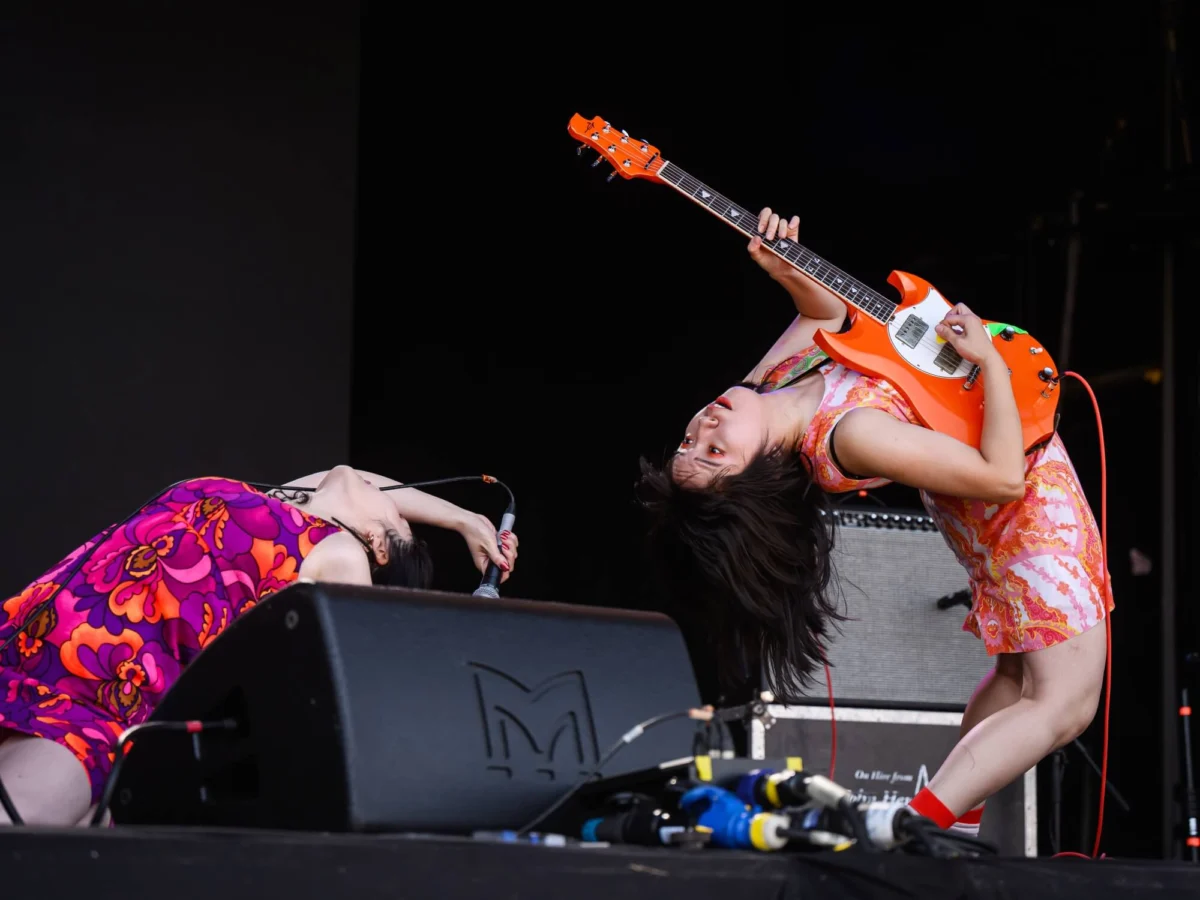
The fiercely energetic Japanese punk quartet, Otoboke Beaver, has issued a public apology following an incident earlier this year where a guitar, thrown into the audience by guitarist Yoyoyoshie, struck and severely injured a fan during their performance at Umeda Club Quattro in Osaka. The regrettable event, which occurred during an April concert, resulted in the audience member sustaining a forehead laceration requiring seven stitches and a cervical sprain, necessitating immediate medical attention and transportation to a hospital via ambulance. Beyond the physical trauma, the band acknowledged the fan also experienced "significant emotional distress" due to the incident. This development has cast a spotlight on the delicate balance between the raw, unbridled energy often celebrated in punk rock performances and the paramount importance of audience safety and performer responsibility.
A Pivotal Night Turned Perilous: The Osaka Concert Context
The concert at Umeda Club Quattro in Osaka in April was already slated to be a momentous occasion for Otoboke Beaver. It marked a pivotal point in the band’s trajectory, serving as a farewell performance for their long-standing drummer, Kahokiss, who was departing for maternity leave. Simultaneously, the show introduced Leo as her successor, ushering in a new chapter for the Kyoto-formed group. Otoboke Beaver, comprised of vocalist Accorinrin, guitarist Yoyoyoshie, bassist Hirochan, and drummer Leo, has carved out a unique niche in the global music scene with their distinctive blend of furious punk rock, angular riffs, and sardonic lyrics delivered with relentless intensity. Their live shows are renowned for their high-octane, chaotic energy, often featuring instruments wielded with a ferocity that matches their sound. The band has garnered significant international acclaim, appearing on major festival stages and earning praise for their uncompromising sound and captivating stage presence. This rising profile meant the Osaka show was attended by an enthusiastic crowd, eager to witness the band’s signature performance style and mark a significant moment in their evolution.
It was amidst this fervent atmosphere, characteristic of an Otoboke Beaver performance, that the incident unfolded. At some point during the set, guitarist Yoyoyoshie engaged in an act of stage showmanship that, while sometimes observed in the history of rock music, tragically went awry. The guitar was thrown from the stage, an action that, in different contexts, might be interpreted as a cathartic expression of punk rebellion or a symbolic act of musical destruction. However, in this instance, the trajectory of the instrument proved perilous, striking an unsuspecting audience member. The immediate aftermath was one of concern and disruption as the severity of the injury became apparent. Medical personnel were promptly summoned, and the injured fan was transported to a local hospital for urgent care, where the laceration to the forehead was treated with seven stitches, and a cervical sprain was diagnosed. The physical injuries, though significant, represented only one facet of the trauma experienced by the fan, as the band later conceded the incident also inflicted considerable emotional distress.
Timeline of the Incident and Delayed Apology
The incident took place during the band’s April performance at Umeda Club Quattro. While the exact moment within the set has not been specified, the immediate aftermath involved the injured fan receiving first aid on site before being transported by ambulance to a nearby hospital for professional medical attention.
The band’s public response, however, did not come until several months later, on August 11. This delay became a central point of their public statement, posted on their official Instagram account. The band explicitly addressed the lag in their response, stating, "Coordination between us and the staff member entrusted to act as the point of contact that day, as well as our follow-up response, was not prompt, resulting in a delay to both our direct apology and public statement." This candid admission highlighted potential issues in their crisis management protocol, particularly concerning internal communication and the efficiency of their response team in the immediate wake of such an unforeseen and serious occurrence. While the public statement was delayed, it is reasonable to infer that some form of direct communication or support, however disjointed, would have been initiated with the injured individual prior to the public announcement, given the band’s eventual acknowledgment of the fan’s distress and their desire for recovery.
In their heartfelt Instagram post, Otoboke Beaver expressed deep regret and conveyed their sincerest wishes for the injured fan’s complete recovery. "We wish the injured person a full recovery," the statement read, unequivocally accepting responsibility by adding, "we caused this accident." The band underscored the sincerity of their apology, noting it was being made "in good faith" and concluding with a concise yet impactful declaration: "We are truly sorry." This public expression of remorse, while delayed, aimed to convey the band’s profound regret for the harm caused and to reassure their fanbase of their commitment to accountability.
The Historical Context of Stage Antics and Instrument Destruction
The act of performers throwing or destroying instruments on stage is not without precedent in the annals of rock and roll history. From the pioneering antics of figures like Pete Townshend of The Who, who famously smashed guitars and amplifiers as a regular part of his stage performance in the 1960s, to Jimi Hendrix’s iconic guitar burning at the Monterey Pop Festival, and Kurt Cobain’s frequent instrument demolitions with Nirvana, such acts have often been imbued with symbolic meaning. They can represent a visceral rejection of convention, a raw expression of artistic frustration, or simply a theatrical flourish designed to heighten the spectacle of a live show. For many, these acts are synonymous with the rebellious spirit of rock and punk, intended to shock and captivate.

However, a critical distinction must be drawn between the destruction of instruments on stage, typically away from the immediate audience, and the act of propelling an instrument into the crowd. While stage destruction carries inherent risks for the performers and potentially for stage crew, throwing an object into a densely packed audience introduces a far greater and less controllable risk to individuals who are there to enjoy a performance, not to be exposed to physical danger. Historically, when instruments have been thrown off stage, it has usually been into wings or designated areas, or on rare occasions, handed to a fan. The unintended consequence of Yoyoyoshie’s action, resulting in a severe injury, underscores this crucial difference and brings into sharp focus the imperative for performers to maintain strict control over their actions, particularly those involving heavy or potentially dangerous objects, in the vicinity of their audience. The energy of a punk show, while exhilarating, must never supersede the fundamental principle of audience safety. This incident is a stark reminder that while the boundary-pushing nature of punk rock is celebrated, it cannot come at the expense of attendee well-being.
Implications for Fan Safety and Performer Accountability
This incident involving Otoboke Beaver raises significant questions about fan safety protocols at live music events and the broader accountability of performers. While most venues employ security personnel, erect barricades, and issue warnings about potential crowd hazards like moshing or stage diving, the spontaneous actions of performers can sometimes bypass these safeguards. The "punk ethos" often glorifies chaos and a breaking of boundaries, but this incident serves as a stark reminder that physical boundaries and safety precautions must remain sacrosanct. The weight and rigidity of an electric guitar, even when thrown with less than full force, can cause substantial injury, particularly to sensitive areas like the head.
For artists, the incident highlights the need for a heightened awareness of their surroundings and the potential ramifications of their stage actions. Even an act intended as a theatrical gesture can have severe, unintended consequences. It prompts a re-evaluation of what constitutes acceptable stage behavior, especially when it involves items that could cause harm. Bands like Otoboke Beaver, known for their high-energy, often frenetic performances, might now face increased scrutiny regarding their live show elements. This could lead to internal policy changes within the band regarding instrument handling during performances, or potentially even more stringent guidelines imposed by venues and promoters, such as clearer stage safety zones or explicit warnings about performer actions.
Beyond the immediate physical injury, the band’s acknowledgment of the fan’s "significant emotional distress" underscores the psychological impact such an event can have. Attending a concert is meant to be an experience of joy and collective celebration, not one of fear or trauma. Incidents like these can erode the trust between artists and their fanbase, leading to a diminished sense of security for concert-goers. The speed and transparency of an artist’s response are also crucial in managing the fallout of such events. Otoboke Beaver’s self-admitted delay in communication, while regrettable, demonstrates an important lesson in crisis management: swift, sincere, and clear communication is paramount in mitigating negative perceptions and demonstrating genuine care for those affected. Prompt apologies and visible efforts to support the injured party can significantly influence public perception and the healing process for the victim.
Broader Industry Impact and Future Considerations
The Otoboke Beaver incident is likely to resonate beyond the immediate parties involved, potentially prompting broader discussions within the live music industry, particularly in Japan and among international touring acts. Promoters, venue operators, and artist management teams may use this as a case study to review and reinforce existing safety protocols. This could include more explicit guidelines for performers regarding stage props, instrument handling, and interactions with the audience, particularly during high-energy segments of a show. Such guidelines might be incorporated into performance contracts, with penalties for non-compliance. The legal implications for artists and venues are also a consideration; depending on local laws and the specifics of the incident, such actions could lead to civil litigation for negligence or even criminal charges in extreme cases, especially if a pattern of reckless behavior were to be established.
In an era dominated by social media, where news and reactions spread rapidly, the manner in which artists address unfortunate incidents is more critical than ever. Otoboke Beaver’s use of Instagram for their public apology, while delayed, allowed for direct communication with their global fanbase, reaching thousands of followers instantaneously. This digital transparency, even in admitting fault and delayed response, is a common contemporary approach to crisis communication for public figures, offering a direct channel to convey remorse and accountability without media intermediaries.
Ultimately, the incident at Umeda Club Quattro serves as a sobering reminder of the inherent risks in live performances and the constant need for vigilance and responsibility from all parties involved: artists, venue staff, and attendees. While the raw, untamed spirit of punk rock is cherished by its fans, it must always be balanced with an unwavering commitment to safety. The hope is that the injured fan makes a full recovery, and that this unfortunate event leads to enhanced safety measures and a renewed focus on audience well-being across the live music landscape, ensuring that the thrill of a concert remains a safe and positive experience for everyone. Otoboke Beaver’s apology, while acknowledging a lapse in their initial response, demonstrates a commitment to accountability that is crucial for rebuilding trust and moving forward. The band’s future performances will undoubtedly be watched with a heightened awareness of these safety considerations, potentially ushering in a more cautious approach to their famously wild stage antics while still preserving the essence of their energetic performances.
