

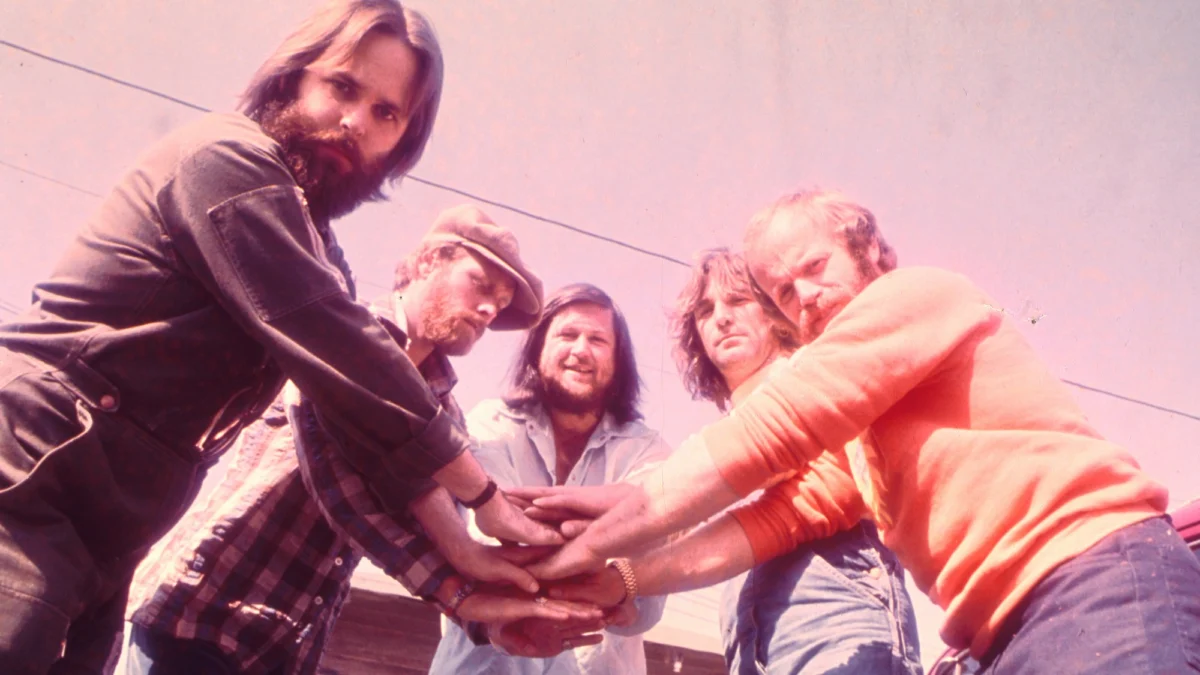
The Architectural Sophistication of "God Only Knows"
Released in May 1966 as the eighth track on the seminal album Pet Sounds, "God Only Knows" challenged the prevailing conventions of pop songwriting. Composed by Brian Wilson with lyrics by Tony Asher, the song is frequently cited by industry peers, including Sir Paul McCartney, as one of the greatest compositions in the history of Western music. At the time of its recording, the song was revolutionary for its use of non-traditional instruments in a rock context, including French horns, accordions, and sleigh bells.
From a lyrical perspective, the song’s opening line—"I may not always love you"—was a daring departure from the idealized romanticism of the mid-1960s. This subversion of the standard "I will love you forever" trope introduces a level of honesty that resonates more deeply with older listeners who understand the volatility of human emotion. The central refrain, "God only knows what I’d be without you," moves beyond adolescent infatuation into the realm of existential dependency.
Data from various music streaming platforms indicates that "God Only Knows" remains a perennial favorite, consistently appearing in the top tier of "all-time" lists by publications such as Rolling Stone and Pitchfork. Its longevity is supported by its technical complexity; the song utilizes a series of inverted chords and a lack of a definitive tonic root until the very end, creating a sense of harmonic suspension that mirrors the uncertainty of the lyrical themes.
The Band and the Weight of Communal Responsibility
If The Beach Boys represented the pinnacle of studio sophistication, The Band represented a return to the "roots" of American music. Released in 1968 on their debut album, Music from Big Pink, "The Weight" became an immediate touchstone for the counterculture, despite its lack of overt political messaging. Written by Robbie Robertson, the song is structured as a series of vignettes involving a traveler arriving in Nazareth, Pennsylvania, and being asked to fulfill various burdens for friends and strangers alike.
The song’s enduring appeal lies in its exploration of the "load"—a metaphor for the responsibilities, debts, and moral obligations that accumulate over a lifetime. While younger listeners may focus on the track’s iconic three-part harmonies and its soulful, gospel-infused rhythm, the narrative depth reveals itself more fully in adulthood. The characters—Fanny, Luke, and Crazy Chester—represent the complex web of social ties that define mature life.
Robertson has noted in various interviews that the song was influenced by the films of Luis Buñuel, specifically the idea of the "impossible" nature of sainthood and the heaviness of being a "good" person in a compromised world. This thematic depth ensured that "The Weight" would not remain a relic of the hippie era but would instead become a foundational text of the Americana genre. The song’s inclusion in the Rock and Roll Hall of Fame’s "500 Songs that Shaped Rock and Roll" underscores its historical significance.
Pragmatism and the End of the 1960s: The Rolling Stones
By 1969, the idealism of the "Summer of Love" had begun to fracture, giving way to the darker realities of the late 20th century. The Rolling Stones captured this cultural shift perfectly with "You Can’t Always Get What You Want," the closing track of the album Let It Bleed. Produced by Jimmy Miller, the song is a sprawling seven-minute epic that features the London Bach Choir, providing a stark contrast to the gritty, blues-based rock for which the band was known.
The song’s central thesis—that one cannot always achieve their desires but may find what they "need"—is a hard-won truth of adulthood. Mick Jagger’s lyrics touch on drug culture, political demonstrations, and the mundane frustrations of daily life (represented by the "reception" and the "chemist"). While it functions as a sing-along anthem, its underlying message is one of stoic pragmatism.
In terms of cultural impact, the song has been used extensively in cinema and television to signal a moment of reckoning or realization. Its use in the 1983 film The Big Chill cemented its status as the definitive anthem for a generation transitioning from youthful rebellion to middle-aged responsibility. Despite the band’s occasional objections to its use in political contexts, the song’s universal message of managing expectations ensures its continued relevance in the modern era.
Chronology of Influence: 1966–1969
The period between 1966 and 1969 saw a rapid evolution in rock music, as evidenced by the release timeline of these three tracks:
- May 1966: The Beach Boys release Pet Sounds. "God Only Knows" breaks new ground by being the first commercial pop song to use the word "God" in its title, a move that was initially considered a risk for radio airplay.
- July 1968: The Band releases Music from Big Pink. "The Weight" signals a shift away from the psychedelic experimentation of the time toward a more grounded, earthy sound that would eventually influence artists like Eric Clapton and George Harrison.
- December 1969: The Rolling Stones release Let It Bleed. "You Can’t Always Get What You Want" serves as a thematic bookend to the 1960s, offering a sober assessment of the decade’s unfulfilled promises.
Statistical and Industry Impact
The enduring nature of these songs is not merely a matter of critical opinion but is reflected in measurable industry data. According to RIAA certifications and digital tracking services:
- Catalog Sales: All three songs contribute significantly to the "catalog" revenue of their respective labels (Capitol, Capitol/EMI, and ABKCO). Catalog music—defined as tracks older than 18 months—now accounts for over 70% of the total music market share in the United States, with 1960s rock being a primary driver.
- Streaming Longevity: On platforms like Spotify, these tracks maintain monthly listener counts in the millions, with a demographic split that includes a surprising number of Gen Z and Millennial listeners, suggesting a "cross-generational" appeal.
- Critical Consensus: In the 2021 revision of Rolling Stone’s "500 Greatest Songs of All Time," "God Only Knows" was ranked at number 11, "The Weight" at number 41, and "You Can’t Always Get What You Want" at number 81.
Analysis of Lyrical Maturation
The transition from youthful enjoyment to adult appreciation of these songs is often a result of what psychologists call "narrative transport" and "autobiographical memory." As listeners age, they map their own life experiences onto the vague yet evocative lyrics of the 1960s.
For instance, the "load" in "The Weight" is no longer a fictional suitcase but becomes a metaphor for career stress or family caretaking. The "need" in the Rolling Stones’ anthem becomes a recognition of the value of stability over the volatility of "want." This ability of the lyrics to expand and contract to fit the listener’s life stage is a hallmark of high-level songwriting.
Furthermore, the instrumentation of these tracks contributes to their timelessness. Brian Wilson’s use of the "Wall of Sound" technique, The Band’s organic, unpolished production, and the Stones’ blending of choral arrangements with rock riffs created a sonic palette that does not sound "dated" in the way that early 1980s synthesizer-heavy tracks often do.
Broader Implications for Modern Music
The continued dominance of these 1960s hits poses a challenge to the modern music industry. It raises questions about whether contemporary pop music—often criticized for its "lyrical simplicity" and "algorithmic production"—will be able to sustain the same level of relevance 60 years from now. The three songs discussed here were products of a studio system that prioritized artistic risk and thematic depth over immediate viral potential.
Official responses from contemporary artists often highlight these 1960s tracks as the "gold standard." In various "Songwriters on Songwriting" forums, artists ranging from Taylor Swift to Jason Isbell have cited these specific tracks as influences on their own attempts to write songs that possess "staying power."
In conclusion, the perfection of "God Only Knows," "The Weight," and "You Can’t Always Get What You Want" is a result of a rare alignment of cultural timing, technical mastery, and profound lyrical insight. They serve not only as artifacts of a specific historical moment but as living documents that continue to provide guidance and emotional resonance to listeners as they navigate the complexities of adulthood. Their place in the pantheon of rock music is secure, not because they are "oldies," but because they remain fundamentally true.
