

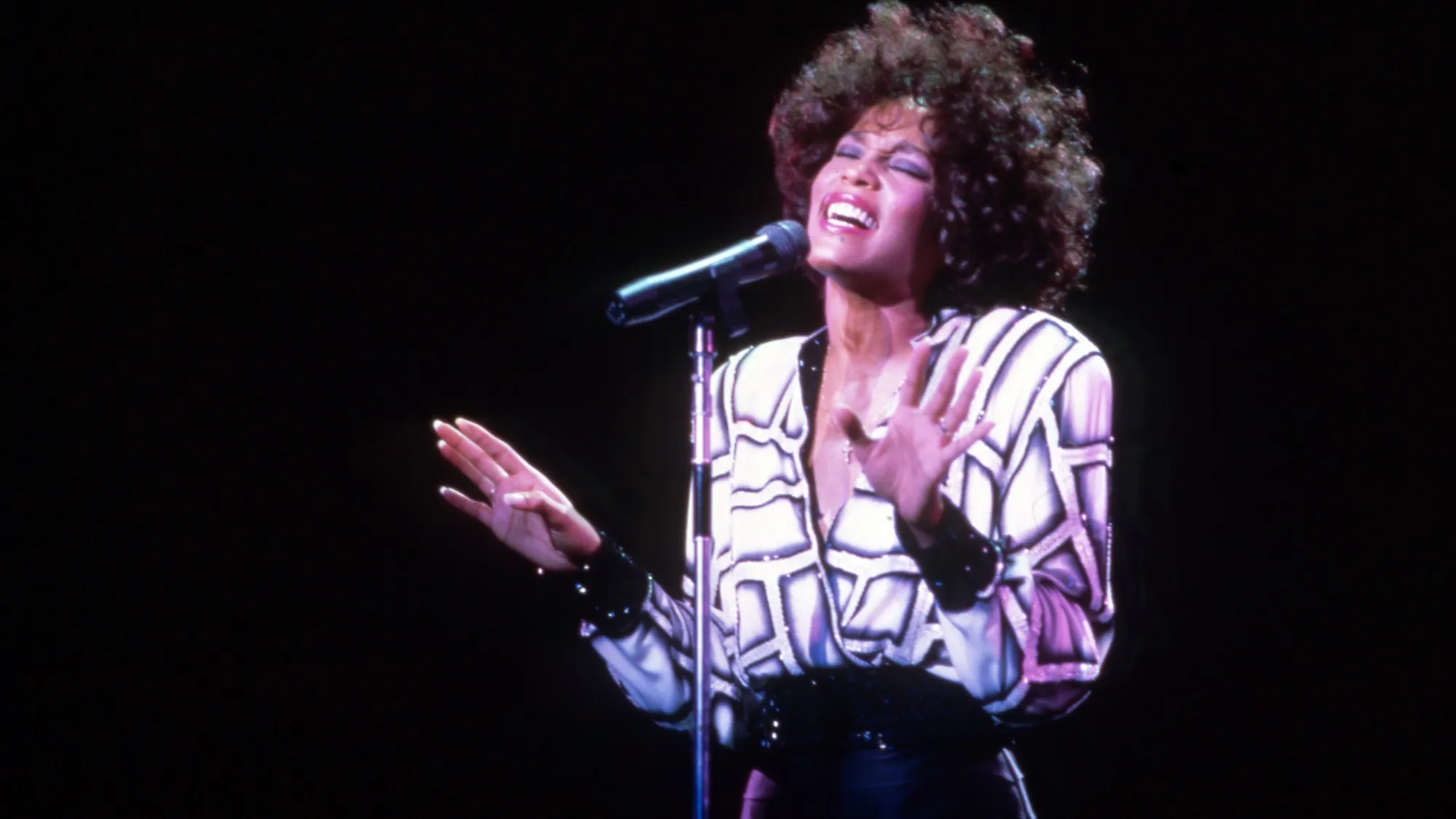
The year 1987 stands as a pivotal moment in the evolution of popular music, representing a sophisticated convergence of high-fidelity production, the peak of the MTV era, and the maturation of the soft rock and Adult Contemporary genres. While the late 1980s are often associated with the rise of hair metal and the early mainstream infiltration of hip-hop, the year was arguably dominated by polished, emotionally resonant ballads that captured the zeitgeist of a generation transitioning from the neon-soaked energy of the early decade into a more reflective period. Among the catalog of hits that defined this 12-month span, three particular songs—Whitney Houston’s "Didn’t We Almost Have It All," Chicago’s "If She Would Have Been Faithful…," and Tiffany’s "Could’ve Been"—emerged as definitive cultural touchstones. All released in 1987, these tracks not only dominated the Billboard charts but also established a standard for songwriting and vocal performance that remains a benchmark for the genre today.
The Cultural and Industry Context of 1987
To understand the impact of these three singles, one must consider the landscape of the music industry in 1987. This was the year that the Compact Disc (CD) began to significantly challenge the dominance of vinyl and cassette tapes, leading to a demand for "cleaner" and more layered studio productions. Producers were utilizing advanced synthesizers and digital recording techniques to create a lush, expansive sound that complemented the soaring vocals of the era’s superstars.
The Adult Contemporary (AC) radio format was also at its zenith. Labels recognized that adult audiences possessed significant purchasing power, leading to a strategic focus on "soft rock" tracks that could bridge the gap between teenage pop fans and older listeners. The three songs in question perfectly exemplified this crossover appeal, blending sentimental lyricism with sophisticated arrangements that allowed them to permeate multiple radio formats simultaneously.
Whitney Houston and the Perfection of the Power Ballad
In 1987, Whitney Houston was not merely a pop star; she was a global phenomenon whose commercial trajectory was unprecedented. Her second studio album, titled simply Whitney, was released in June 1987 and became the first album by a female artist to debut at number one on the Billboard 200. The album’s second single, "Didn’t We Almost Have It All," remains one of the most technically demanding and emotionally charged entries in her discography.
Songwriting and Production Excellence
Written by Michael Masser and Will Jennings, "Didn’t We Almost Have It All" was a masterclass in the "big ballad" structure. Masser, who had previously collaborated with Houston on "The Greatest Love of All," was known for his ability to craft melodies that allowed vocalists to demonstrate both vulnerability and immense power. Jennings, a lyricist who would later win an Academy Award for "My Heart Will Go On," provided a narrative of nostalgic regret that resonated deeply with the public.
The song’s lyrical core—“Didn’t we almost have it all / The night we hold on ’til the morning / You know you’ll never love that way again”—spoke to a universal experience of lost potential in relationships. Unlike many pop songs of the era that focused on new love or upbeat themes, this track delved into the "what ifs" of a failed romance, a theme that contributed to its longevity in the Adult Contemporary canon.
Chart Performance and Historical Significance
"Didn’t We Almost Have It All" spent two weeks at the number one spot on the Billboard Hot 100 in September 1987. Its success was part of a historic run; Houston achieved seven consecutive number-one singles, breaking a record previously held by The Beatles and the Bee Gees. The song also received a Grammy nomination for Song of the Year, further solidifying its status as a critical and commercial triumph.
Industry analysts often point to this song as the moment Houston transitioned from a "promising debutante" to the definitive voice of her generation. The production, characterized by its slow-build arrangement and climatic key change, set the template for the "diva ballads" that would dominate the 1990s.
Chicago’s Reinvention and the Silver Lining of Infidelity
While Houston was reaching new heights, the veteran band Chicago was navigating a successful second act. By 1987, the group had moved away from their jazz-rock roots of the 1970s toward a highly polished, synth-driven soft rock sound under the guidance of producer David Foster and later, for the album Chicago 18, producer Chas Sandford. The single "If She Would Have Been Faithful…" serves as a prime example of the band’s late-80s sophistication.
A Narrative Departure in Lyricism
Written by Steve Kipner and Randy Goodrum, the song is notable for its unconventional lyrical perspective on infidelity. Rather than focusing on the pain of betrayal, the protagonist expresses a sense of gratitude that a previous partner’s unfaithfulness led him to his current, superior relationship. The chorus delivers this realization with clinical clarity: “If she would have been faithful / If she could have been true / Then I would’ve been cheated / I would never know real love / I would’ve missed out on you.”
This "silver lining" approach was a departure from the standard heartbreak tropes of the era. It provided a mature, reflective take on romance that appealed specifically to the Adult Contemporary demographic. The vocal performance by Jason Scheff, who had recently replaced long-time bassist and vocalist Peter Cetera, proved that the band could maintain its hit-making momentum despite the loss of its most recognizable voice.
Technical Composition and Reception
Musically, the track features the signature 1980s "Chicago sound": layered keyboards, a steady, mid-tempo percussion track, and clean, compressed guitar work. While it reached number 17 on the Billboard Hot 100, its impact was most felt on the Adult Contemporary charts, where it peaked at number 9. It remains a staple of classic soft rock radio, representing the era’s ability to turn complex interpersonal themes into accessible pop music.
Tiffany and the Rise of the Teen Balladeer
The third pillar of this 1987 triumvirate is "Could’ve Been" by Tiffany. Released as the second single from her self-titled debut album, the song was a stark contrast to her breakout hit, a cover of "I Think We’re Alone Now." At just 16 years old, Tiffany Renee Darwish became the face of a new marketing phenomenon: the "mall tour," which brought pop music directly to the suburban teenage demographic.
The Contrast of Youth and Experience
The most striking aspect of "Could’ve Been" was the maturity of its delivery. Written by Lois Blaisch, the song was inspired by the songwriter’s real-life experience with a deceptive partner. Blaisch has noted in interviews that the lyrics—“Could’ve been so beautiful / Could’ve been so right / Could’ve been my lover / Every day of my life”—were written about an older professional who promised her career advancement and emotional stability, only for the promises to be revealed as falsehoods.
The fact that a 16-year-old could convey the weight of such "adult" regret was a testament to Tiffany’s vocal range and the song’s universal appeal. It allowed her to transcend the "bubblegum pop" label and gain respect as a serious vocalist.
Statistical Dominance and Legacy
"Could’ve Been" reached number one on the Billboard Hot 100 in February 1988 (having been released in late 1987), making Tiffany the youngest female artist to have two consecutive number-one singles at that time. The song also topped the charts in several other countries, including Canada and Ireland.
The success of "Could’ve Been" demonstrated the power of the ballad in the late 80s; even for a teen idol, a slow, emotional track was the surest way to achieve chart-topping longevity. It also highlighted a trend where songwriters would place mature, sophisticated material with younger artists to capture a broader audience spectrum.
Chronological Impact and Comparative Analysis
The release schedule of these three songs in 1987 illustrates how the "soft rock" sound dominated the entire calendar year. Houston’s "Didn’t We Almost Have It All" captured the late summer and early autumn, Chicago’s "If She Would Have Been Faithful…" maintained a presence throughout the mid-year, and Tiffany’s "Could’ve Been" closed out the year and led the charts into early 1988.
| Artist | Song Title | Chart Peak (Hot 100) | Primary Genre |
|---|---|---|---|
| Whitney Houston | Didn’t We Almost Have It All | #1 (2 weeks) | Pop/Adult Contemporary |
| Chicago | If She Would Have Been Faithful… | #17 | Soft Rock/AC |
| Tiffany | Could’ve Been | #1 (2 weeks) | Pop Ballad |
While the songs differ in their specific themes—ranging from the grand tragedy of Houston to the ironic gratitude of Chicago and the youthful longing of Tiffany—they share a common musical DNA. Each utilizes a verse-chorus-bridge structure that prioritizes a melodic "hook," and each relies on a production style that emphasizes the clarity of the lead vocal above all else.
Implications for the Music Industry
The success of these tracks had lasting implications for the music industry. First, they proved that the "power ballad" was a commercially viable format that could generate significant revenue through both airplay and physical sales. This led to a period where nearly every major pop and rock album was required to include at least one "radio-friendly" ballad.
Second, these songs helped bridge the generational gap. By appealing to both the youth (via MTV and teen idols like Tiffany) and adults (via AC radio and established acts like Chicago), the industry created a unified pop culture experience. In 1987, it was possible for a parent and a child to share an affinity for the same top-40 hits, a phenomenon that has become increasingly rare in the fragmented digital age.
Broader Cultural Resonance
Decades after their release, these three songs continue to hold a place in the public consciousness. They are frequently featured in film soundtracks, television shows, and "80s nostalgia" playlists, serving as sonic shorthand for the emotional landscape of the late twentieth century.
The enduring popularity of these tracks suggests that while musical trends—such as the specific synthesizers or drum machines used in 1987—may date a recording, the core elements of high-quality songwriting and exceptional vocal performance are timeless. "Didn’t We Almost Have It All," "If She Would Have Been Faithful…," and "Could’ve Been" remain more than just "80s hits"; they are definitive examples of the soft rock genre’s ability to articulate the complexities of the human heart through the medium of the four-minute pop song. As the music industry continues to evolve, the structural and emotional blueprints laid down in 1987 by these artists and songwriters continue to influence new generations of performers seeking to capture that same elusive blend of commercial success and lasting resonance.
