

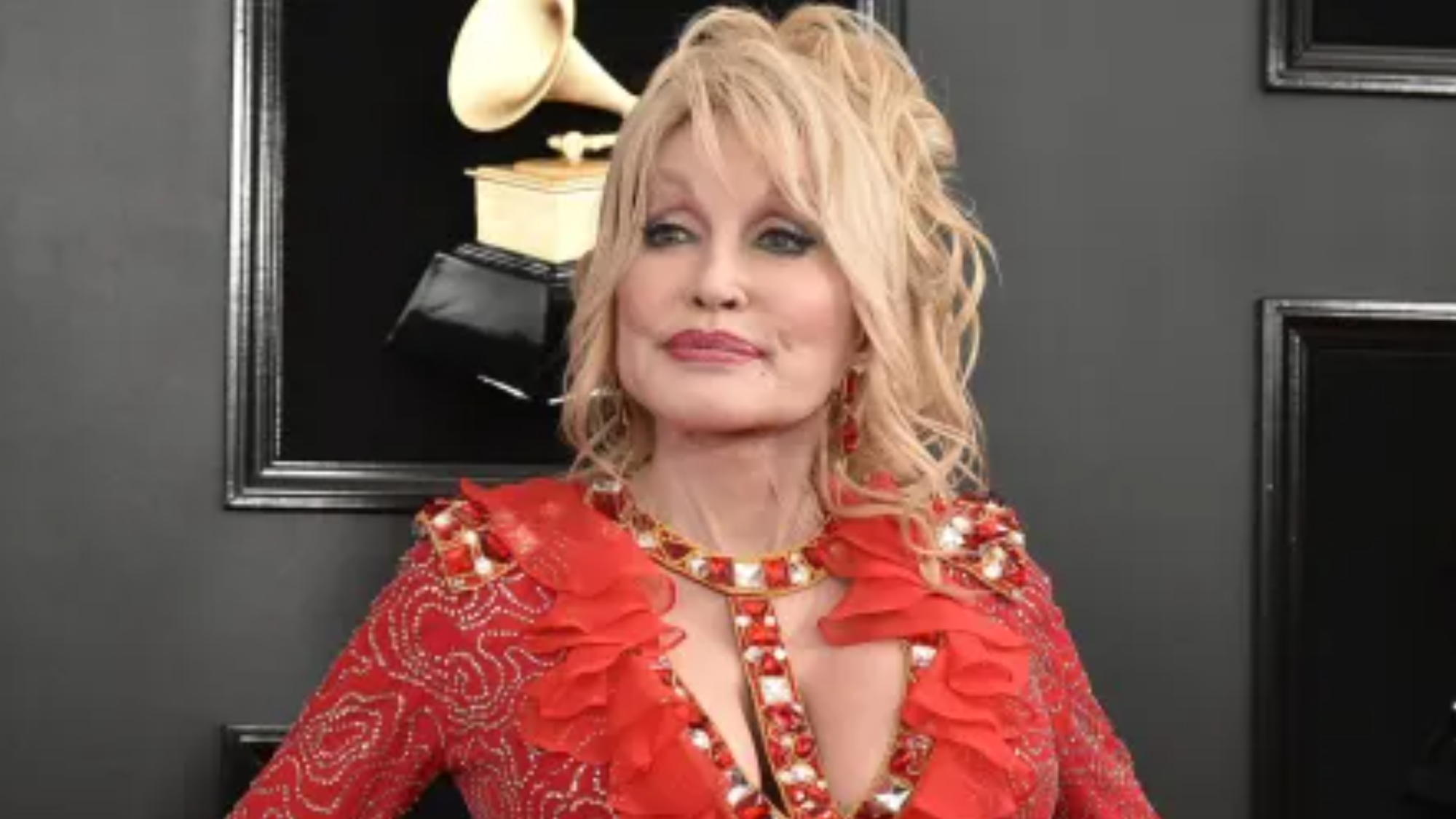
The world of music and entertainment is in mourning following the announcement that Dolly Parton, the legendary singer, songwriter, and philanthropist, passed away on Tuesday, August 25. According to an official statement released by her representatives and confirmed by People magazine, the 80-year-old icon died at the Vanderbilt-Ingram Cancer Center in Nashville, Tennessee. The news comes after what her team described as a courageous but brief struggle with cancer, an illness that the artist had kept largely private until her final days. Surrounded by her closest family and friends, Parton’s departure marks the end of an era for country music and the global cultural landscape, where she remained a towering figure for over six decades.
The announcement was initially shared with the public via social media by her nephew, Bryan Seaver, before being formalized by her management team. The statement highlighted her transition from "earthly life" to her final rest, emphasizing the grace with which she faced her diagnosis. While the specific type of cancer has not been disclosed to the public, reports indicate that Parton had been receiving specialized care at the Vanderbilt-Ingram Cancer Center since late the previous week. Medical sources suggested that the singer was also managing secondary health complications, including kidney issues and undisclosed autoimmune challenges, which may have complicated her treatment.
A Legacy of Joy, Hope, and Integrity
Dolly Parton’s career was defined not only by her vocal prowess and songwriting genius but by a personal philosophy of "unconditional love." Her representatives emphasized this in their eulogy, noting that she spent her life bringing "laughter, hope, and integrity" to everything she touched. Parton’s influence extended far beyond the stage; she was a businesswoman, a humanitarian, and a unifying figure in an often-divided world. Her ability to transcend genre and demographic boundaries made her a rare "eternal artist," a title recently bestowed upon her by industry publications.
The breadth of her generosity was a central theme in the tributes following her passing. From her early days in the Great Smoky Mountains to her status as a global superstar, Parton remained committed to "offering a helping hand" to those in need. Her team’s statement noted that her impact would be felt for generations, particularly through her extensive charitable works and her role in funding critical medical research.
Chronology of Final Months and Health Disclosures
The timeline leading up to Parton’s passing suggests a period of significant personal and physical strain. In March 2025, Parton suffered a profound personal loss when her husband of nearly 60 years, Carl Dean, passed away. The couple, who married in 1966, had one of the most enduring and private marriages in show business. Following his death, Parton released a poignant message to her fans, expressing that while her heart was heavy, she found peace knowing he was "in God’s arms." Friends of the singer noted that she poured herself into her work following Dean’s passing, perhaps as a way to navigate her grief.
By the summer of 2025, rumors regarding Parton’s health began to circulate as her public appearances became less frequent. On the Friday prior to her death, Parton addressed these concerns directly in a final social media message. In her characteristic candid style, she admitted to dealing with "some health issues" that she had neglected while caring for her late husband. She drew parallels to a health scare in the early 1980s, when she was sidelined by "female issues" and weight struggles, attempting to reassure her audience that she was a "fighter" who had overcome adversity before.
Despite her optimistic tone—joking that she had evolved from the "Queen of the Tabloids" to the "Queen of Social Media AI"—her condition deteriorated rapidly over the weekend. Her admission to the Vanderbilt-Ingram Cancer Center late last week signaled the severity of the situation. Despite the best efforts of medical professionals, the combination of her brief battle with cancer and existing autoimmune and kidney issues proved insurmountable.
The Architect of Modern Country and Songwriting
Dolly Parton’s musical statistics are among the most impressive in the history of the recording industry. With 55 Grammy Award nominations and 11 wins, she was a perennial favorite of the Recording Academy. Her induction into the Rock and Roll Hall of Fame in 2022 served as a late-career highlight, demonstrating her versatility. Rather than accepting the honor as a lifetime achievement award, she used the opportunity to record a rock-inspired album, proving that her creative fire had not dimmed with age.
As a songwriter, Parton was a master of the narrative form. She composed over 3,000 songs, including the global anthem "I Will Always Love You." Originally written as a farewell to her professional partner Porter Wagoner, the song became one of the best-selling singles of all time when covered by Whitney Houston. Other hits, such as "Jolene" and "9 to 5," became cultural touchstones, the latter serving as an anthem for women’s rights in the workplace. To this day, Parton remains the top-selling female country vocalist in history, with a catalog that continues to generate millions of streams and covers annually.
Philanthropy: The Imagination Library and Beyond
Perhaps the most enduring aspect of Parton’s legacy is the Dollywood Foundation and the Imagination Library. Founded in 1995 as a tribute to her father, who was illiterate, the program began by mailing high-quality books to children in her home county in East Tennessee. The initiative eventually expanded globally, donating over 200 million books to children in the United States, Canada, the United Kingdom, Australia, and the Republic of Ireland.
Parton’s philanthropic reach also extended into the realm of modern science. In 2020, she famously donated $1 million to the Vanderbilt University Medical Center, which played a crucial role in the development of the Moderna COVID-19 vaccine. This contribution was cited by global health leaders as a pivotal moment in the pandemic response, showcasing her commitment to using her wealth for the greater good of humanity. "Dolly’s unconditional love for all people was the guiding force for her lasting impact," her representatives stated, echoing the sentiments of the millions who benefited from her foresight and kindness.
Tributes from the Global Community
The reaction to Parton’s death was immediate and cross-generational. Sir Mick Jagger of The Rolling Stones was among the first to pay tribute on X (formerly Twitter), praising her as a "wonderful songwriter and singer" who possessed the unique ability to "bring so many people together." In Nashville, the heart of the country music industry, flags were flown at half-mast, and spontaneous vigils began to form outside the Ryman Auditorium and the Country Music Hall of Fame.
Industry peers, from Reba McEntire to younger artists who viewed her as a mentor, shared stories of her wit and professional encouragement. Political figures also weighed in, noting her role as a cultural diplomat who could bridge the divide between rural and urban America. Her passing has triggered a global reflection on the role of the "artist-philanthropist," a model that Parton perfected through her business ventures like Dollywood, which provided economic stability to the Sevier County region for decades.
Broader Implications and the Future of Her Catalog
The passing of Dolly Parton raises questions about the future of her vast business empire and musical catalog. Unlike many of her contemporaries, Parton was known for maintaining a high degree of control over her intellectual property. Analysts expect that her estate will continue to manage the Imagination Library and Dollywood with the same rigor she applied during her life.
Furthermore, her death is expected to spark a significant resurgence in the consumption of her music. Historically, the passing of an artist of her magnitude leads to a "posthumous peak" in chart performance. With a career spanning traditional country, pop, bluegrass, and rock, Parton’s catalog is uniquely positioned to remain relevant in the digital age.
Final Reflections
In a 2022 interview with American Songwriter, Parton reflected on the immortality of her craft. "I love that I can express every thought and feeling that I’ve ever had through music," she said. "Music is the voice of the soul, and it will live on forever."
As the world says goodbye to "The Smoky Mountain Nightingale," those words serve as her final testament. While she may have departed her earthly life, the infrastructure of kindness she built—through books, vaccines, and songs—ensures that Dolly Parton will remain a guiding force in global culture for centuries to come. She is survived by her large extended family and a global community of fans who, in her own words, will "always love her."
