

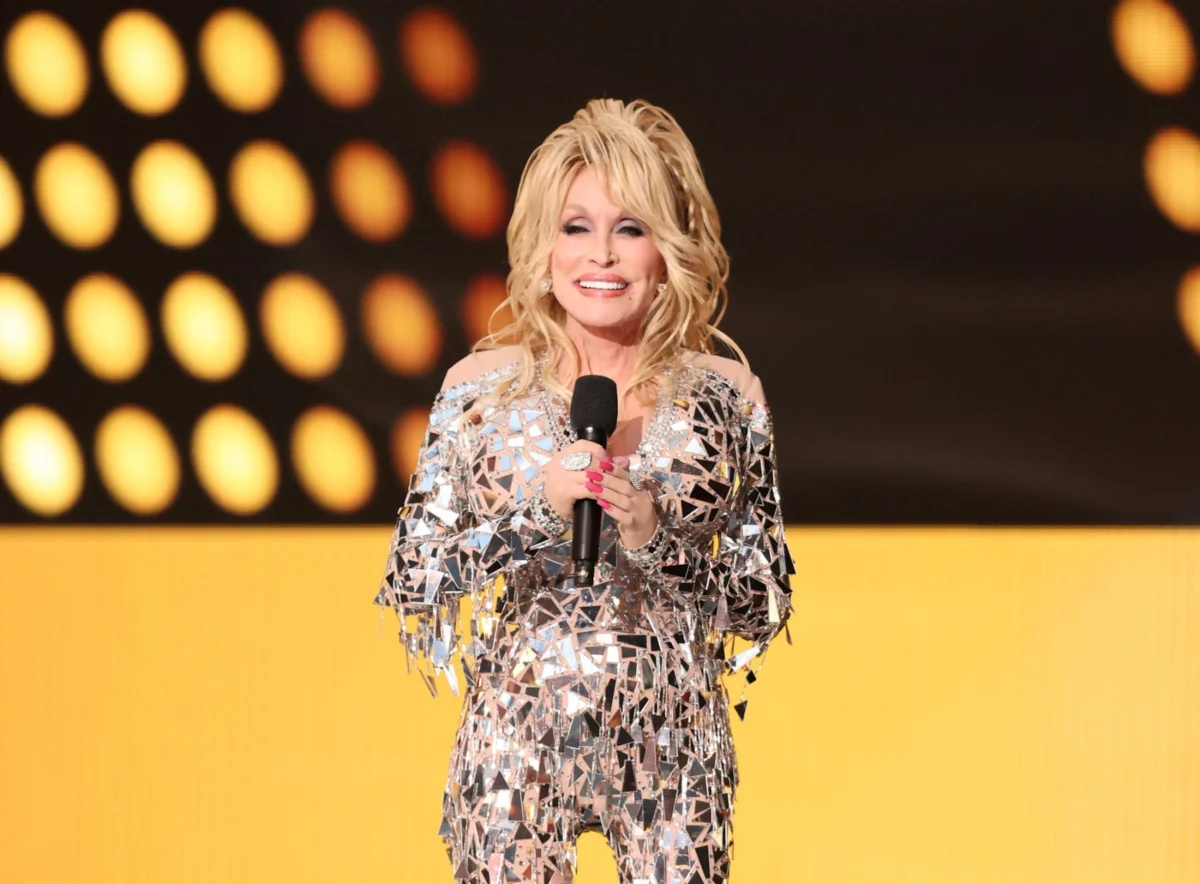
The late Dolly Parton, an undisputed titan of American music, achieved a remarkable and unprecedented milestone in her illustrious career, scoring more top 40-charted sets in the 2020s than in any other decade. This late-career surge underscored her enduring relevance and unparalleled longevity, extending her incredible run of charting albums on the all-genre Billboard 200 for seven consecutive decades, from the 1960s through the 2020s. Her passing on August 25, 2026, tragically marked the end of an era, yet her musical influence continued to resonate profoundly, with her compilation album, Ultimate Dolly Parton, swiftly racking up a sixteenth top 40 entry, further solidifying her posthumous chart impact.
A Legacy Across Seven Decades: The Genesis of a Chart Phenomenon
Dolly Parton’s journey through the Billboard charts began in the late 1960s, a testament to a career that would ultimately span over half a century. Her initial forays into the Billboard 200 were often collaborative, notably with her longtime duet partner and television co-star, Porter Wagoner. Between 1969 and 1971, Parton notched four albums on the prestigious chart with Wagoner, including Just the Two of Us in 1969, which marked her debut on the album ranking. The same year, she initiated her solo chart presence with My Blue Ridge Mountain Boy, laying the groundwork for an independent career that would eventually eclipse all expectations.
For nearly a decade, Parton steadily built her discography, primarily within the country music genre where she was already a burgeoning superstar. However, it wasn’t until 1978 that her crossover appeal truly materialized on the all-genre Billboard 200. The album Here You Come Again became her first top 40 entry, peaking at an impressive No. 20. This success was largely propelled by its smash title track, which itself ascended to No. 3 on the overall Billboard Hot 100 songs chart, marking her inaugural top 40 hit on that highly competitive singles ranking. This pivotal moment signaled her ability to transcend genre boundaries, a characteristic that would define much of her later career.
The Breakthrough Years: 1970s and 1980s Crossover Success
The late 1970s and early 1980s proved to be a fertile period for Parton’s chart ascent. Following the success of Here You Come Again, she swiftly added more top 40 albums to her repertoire. Heartbreaker reached No. 27 in 1978, followed by Great Balls of Fire at No. 40 in 1979. The turn of the decade brought even greater triumph with 9 to 5 and Odd Jobs, which soared to No. 11 in 1981. This album was particularly significant as it housed her first Billboard Hot 100 No. 1 single, the iconic "9 to 5." The song not only dominated the airwaves but also earned Parton her first Academy Award nomination for Best Original Song, stemming from the critically acclaimed film of the same name, in which she starred alongside Jane Fonda and Lily Tomlin. This period cemented her status as a multifaceted entertainer, capable of captivating audiences across film, television, and music.
Parton’s collaborative spirit also yielded significant chart dividends during this era. In late 1984, her holiday album Once Upon a Christmas, a duet project with Kenny Rogers, hit the Billboard 200 top 40. This collaboration built upon their earlier, massive success with "Islands in the Stream," Parton’s second Hot 100 No. 1, which had captivated the nation just a year prior. These duets showcased her versatility and her uncanny ability to connect with diverse audiences through partnerships.
A particularly notable artistic triumph arrived in 1987 with the album Trio, a collaboration with fellow country music luminaries Linda Ronstadt and Emmylou Harris. This critically acclaimed project reached No. 6 on the Billboard 200, granting Parton her first top 10 entry on the chart. Trio also earned Parton her first and, to date, only Grammy Award nomination for Album of the Year, a testament to its artistic merit and commercial appeal. The album’s success underscored the power of collaboration and the enduring appeal of traditional country and folk music when presented with such masterful artistry.
Sustained Relevance: 1990s and 2000s
As musical landscapes shifted dramatically with the rise of grunge, hip-hop, and new pop sounds, Dolly Parton demonstrated remarkable resilience and adaptability in the 1990s. She continued to notch top 40 albums on the Billboard 200, proving that her distinct voice and storytelling remained relevant to a broad audience. Eagle When She Flies soared to No. 24 in 1991, followed by Slow Dancing With the Moon, which peaked at No. 16 in 1993. These albums showcased her continued ability to deliver compelling material that resonated with her fanbase, even as mainstream tastes evolved.
The 2000s saw Parton continue her consistent chart presence. In 2009, her album Backwoods Barbie brought her back into the top 40, reaching No. 17. This period saw her delve deeper into various subgenres, including bluegrass and Americana, maintaining artistic integrity while still finding commercial success. Her commitment to diverse musical expressions allowed her to navigate the changing industry while retaining her core identity.
A Resurgent Era: The 2010s and Unaccompanied Milestones
The 2010s marked a significant resurgence for Parton, particularly in her ability to achieve high chart positions as a solo artist. In 2014, she attained her first top 10 on the Billboard 200 without any accompanying acts, a monumental achievement for an artist already decades into her career. Blue Smoke debuted and peaked at No. 6, demonstrating her independent commercial power. This success was followed two years later by another top 40 album, Pure & Simple, which hit No. 11. These albums highlighted her unwavering connection with her audience and her continued capacity to craft new music that resonated broadly. Her touring schedule remained robust, and her public profile, already iconic, continued to grow through various media appearances and philanthropic endeavors.

The Unprecedented 2020s: A Charting Phenomenon
The most remarkable chapter of Parton’s chart story unfolded in the 2020s, a decade that saw her achieve unprecedented success on the Billboard 200. Defying conventional wisdom about late-career artist trajectories, Parton claimed four new top 40-charted albums in this decade – a greater number than in any other ten-year span of her career. This extraordinary feat underscored not only her enduring popularity but also her strategic artistic choices and the timeless appeal of her music.
The decade began strongly with A Holly Dolly Christmas in 2020, which reached No. 16, proving her holiday appeal. This was followed by Run, Rose, Run in 2022, which peaked at No. 34, and the comprehensive best-of compilation Diamonds & Rhinestones: The Greatest Hits Collection, which landed at No. 27 later the same year. Each of these releases, whether original material or a retrospective, found a significant audience, demonstrating the breadth of her appeal.
However, the pinnacle of her 2020s chart success, and indeed her entire career on the Billboard 200, arrived in 2023 with the all-star collaborations project Rockstar. This ambitious album debuted and peaked at an astounding No. 3, becoming her highest-charting album ever. The album’s success was a testament to her willingness to explore new genres and collaborate with a diverse roster of artists, showcasing her musical adventurousness even in her later years.
Rockstar: A Testament to Versatility and Cross-Genre Appeal
The Rockstar project was promoted as Parton’s first full-fledged rock album, an audacious move for an artist primarily celebrated for her country music. The album’s conception was directly sparked by her induction into the Rock & Roll Hall of Fame in 2022, an honor that initially caused her some hesitation, believing she hadn’t earned it within the rock genre. Her response was characteristic: to prove her worth by making a rock album.
Throughout her career, Parton had primarily recorded country music, but she had always shown a willingness to take detours into various genres, including Americana/folk, bluegrass, children’s music, Christian, dance/electronic, and pop. Rockstar represented her most comprehensive embrace of a new genre, featuring 30 songs, a mix of iconic rock covers and original tunes. The guest list was a who’s who of music legends and contemporary stars, including Pat Benatar, Miley Cyrus, Melissa Etheridge, Joan Jett and The Blackhearts, Elton John, Lynyrd Skynyrd, Paul McCartney, Stevie Nicks, Chris Stapleton, Ringo Starr, Sting, and Steven Tyler. This eclectic mix of collaborators not only highlighted Parton’s vast network and respect within the industry but also ensured a broad appeal that resonated with fans across multiple genres, driving its unprecedented chart performance. The album was a bold statement, proving that Parton’s artistry transcended labels and age.
Posthumous Impact: Ultimate Dolly Parton and Enduring Legacy
The tragic news of Dolly Parton’s passing on August 25, 2026, sent shockwaves through the music world and beyond. In the wake of her death, her profound influence and the enduring popularity of her catalog were immediately evident on the Billboard charts. Her 2003 best-of compilation, Ultimate Dolly Parton, experienced a significant resurgence, re-entering the Billboard 200 at No. 5 on the September 5, 2026-dated chart. This posthumous ascent marked her fourth top 10 album and her second-highest-charted album ever, further underscoring the timeless quality of her music and the deep affection fans held for her. This chart activity is a common phenomenon following the death of a beloved artist, as fans revisit their work and new listeners discover their legacy. However, for an artist with such an extensive and already well-cataloged discography, such a high re-entry speaks volumes about the magnitude of Parton’s impact.
The Broader Implications of Dolly Parton’s Longevity
Dolly Parton’s unparalleled chart longevity and her record-breaking performance in the 2020s offer profound insights into the nature of artistic endurance and market appeal. Her career trajectory demonstrates that authenticity, versatility, and a consistent connection with one’s audience can overcome the transient nature of popular trends. Her ability to chart successfully across seven decades, adapting her sound while maintaining her unique identity, serves as a blueprint for aspiring artists.
Her success in the 2020s, particularly with Rockstar, highlights the potential for late-career artistic reinvention. It challenges the industry’s often youth-centric focus, proving that established artists can not only remain relevant but also achieve new commercial peaks by embracing new creative challenges and collaborating across generations. Furthermore, the posthumous chart success of Ultimate Dolly Parton underscores the evergreen nature of her music and the enduring power of a well-curated catalog, which continues to attract listeners long after an artist has departed.
Billboard Chart Methodology and Context
It is important to contextualize Dolly Parton’s achievements within the evolving landscape of the Billboard 200 chart. The Billboard 200, which ranks the 200 most popular music albums and EPs in the United States, has undergone significant methodological changes over its history. Initially based solely on album sales, the chart began incorporating digital track sales and streaming equivalent albums (SEA) in December 2014, and subsequently, track equivalent albums (TEA) and streaming data from services like Spotify and Apple Music. This evolution means that charting success in the 2020s reflects a dramatically different consumption pattern than in the 1960s or even the 1990s. Parton’s continued ability to chart highly in this hybrid sales and streaming environment further emphasizes her remarkable adaptability and the broad appeal of her music across all consumption formats. Her sustained presence on a chart that continuously adapts to technological and consumer shifts is a testament to her extraordinary and enduring cultural significance.
